
Do your sliding glass doors groan and stick every time you try to open or close them? You’re not alone! Those once-smooth glides can quickly turn into a frustrating battle, making you dread using them. Choosing the right lubricant can feel like navigating a maze of confusing products, and the wrong choice can actually make things worse.
But what if there was a simple way to bring back that effortless glide? In this post, we’re going to cut through the confusion. We’ll explore exactly what makes a lubricant work best for your sliding glass doors. You’ll learn how to pick the perfect product to banish squeaks and sticking, so you can enjoy easy access to your patio or backyard again.
By the time you finish reading, you’ll have the confidence to choose a lubricant that will make your doors slide like new. Get ready to say goodbye to the struggle and hello to smooth, silent operation!
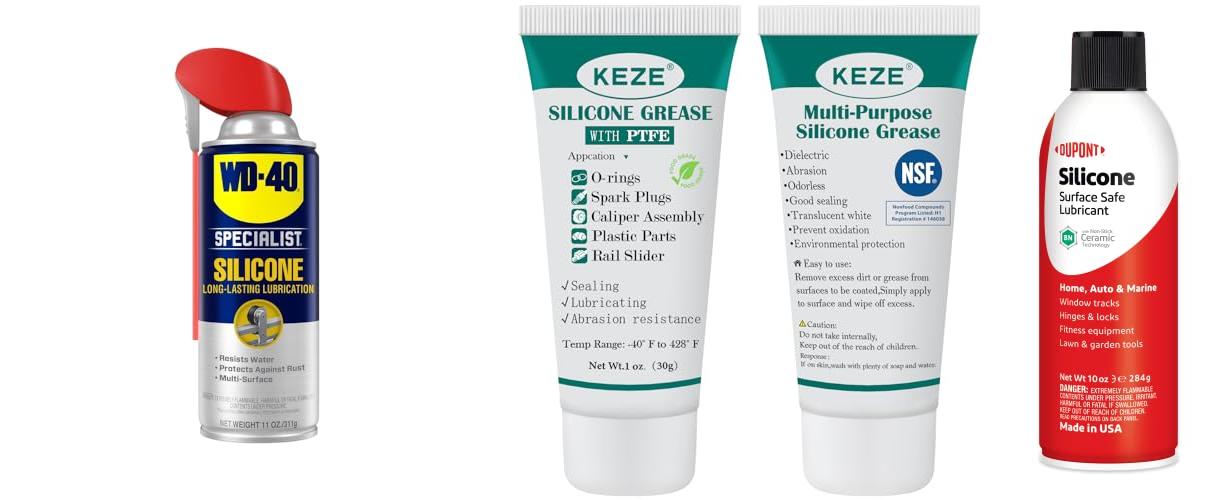
Our Top 5 Lubricant For Sliding Glass Doors Recommendations at a Glance
Top 5 Lubricant For Sliding Glass Doors Detailed Reviews
1. WD-40 Specialist Silicone Lubricant with SMART STRAW SPRAYS 2 WAYS

Rating: 8.7/10
WD-40 Specialist Silicone Lubricant with SMART STRAW SPRAYS 2 WAYS, 11 OZ is a super useful tool for your home and garage. It helps things move smoothly and keeps them looking good. This spray works on lots of different things you use every day.
What We Like:
- It works on many things: metal, rubber, plastic, and even vinyl.
- You can use it on locks, bike chains, door hinges, and more.
- It has a special formula that makes things work better and protects them from rain and sun.
- It doesn’t leave a sticky mess. It just leaves a clear, thin coat that dries fast.
- This coat helps protect metal and other materials.
- Experts trust this WD-40 formula for good protection.
- It makes tasks easier by lubricating and protecting many surfaces.
- The Smart Straw sprays in two ways: a wide spray or a thin stream.
What Could Be Improved:
- The can is a bit big, so it might be hard to store in small spaces.
- While it’s good for many things, it might not be the best for very heavy-duty tasks.
This WD-40 Specialist Silicone Lubricant is a versatile and effective product. It’s a great addition to any toolkit for keeping things working smoothly.
2. KEZE Silicone Grease Automotive PTFE Lubricant Sliding Glass Door Grease Tube 92003 Lube for Plumbing Faucet O Rings Plastic Parts Water Filter Window Track Rail 1 oz 2-Tube

Rating: 9.5/10
The KEZE Silicone Grease Automotive PTFE Lubricant is a versatile solution for many common household and automotive needs. This grease is designed to keep things moving smoothly, whether it’s a sliding door, a faucet, or even parts in your coffee machine. It’s made with high-quality silicone and PTFE, which means it’s tough and can handle a wide range of temperatures. Plus, it’s safe to use around things you eat and drink, making it a great choice for kitchen appliances.
What We Like:
- NSF Approved: This grease is safe for food contact, so no worries about chemical contamination in your drinking water or food machines.
- Wide Temperature Range: It works well from very cold (-40°F) to very hot (428°F) conditions, making it reliable year-round.
- Teflon Power: The PTFE in the grease makes it resistant to acids, alkalis, and solvents. It also helps things slide easily and prevents wear.
- All-Purpose Use: You can use it on O-rings, spark plugs, plastic parts, faucets, hinges, locks, and even for electrical connections.
- Easy to Use: It comes in a convenient tube for easy application.
- Satisfaction Guaranteed: KEZE offers good customer service if you have any issues.
What Could Be Improved:
- Limited Size: The 1 oz size might be small for very large projects, requiring you to buy more tubes.
- Availability: While not explicitly stated as limited, sometimes specialized lubricants can be harder to find in local stores compared to general-purpose greases.
Overall, the KEZE Silicone Grease with PTFE is a dependable and safe lubricant for many different tasks. Its ability to handle extreme temperatures and its food-safe rating make it a smart addition to any home or workshop toolkit.
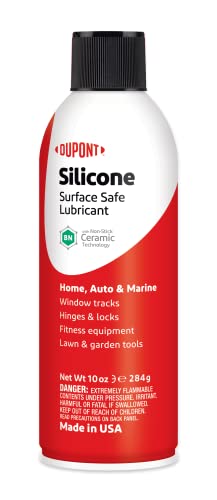
3. DuPont Silicone Lubricant with Teflon Fluoro Polymer
Rating: 9.1/10
Tired of squeaky doors, sticky drawers, or rust on your favorite tools? DuPont Silicone Lubricant with Teflon Fluoropolymer is your go-to solution. This clean, light-duty lubricant is specially designed to protect and enhance a wide range of materials without causing damage. It’s like a superhero for your everyday items, keeping them working smoothly and looking great.
What We Like:
- It’s safe for non-metal materials like rubber, plastic, vinyl, leather, and wood. You don’t have to worry about it ruining your belongings.
- This lubricant does it all: it waterproofs, protects, lubricates, and preserves. Your items will last longer.
- It stops annoying squeaks and binds in things like windows, hinges, and locks. Everything moves easily.
- It fights off rust, oxidation, and corrosion on all metal surfaces. Your metal items stay in good shape.
- It’s great for protecting outdoor gear like fishing equipment, tools, and farm equipment from harsh elements like salt and chlorine.
What Could Be Improved:
- The scent is a bit strong for some users.
- It might not be powerful enough for very heavy-duty, industrial applications.
This DuPont Silicone Lubricant with Teflon Fluoropolymer is a versatile and effective product for countless household and outdoor needs. It’s an excellent choice for anyone looking to maintain and protect their belongings.
4. Door

Rating: 8.5/10
Tired of doors that stick, locks that jam, and hinges that squeak? The Door, Lock, and Hinge Lubricant – 8 Oz – Great for Sliding Doors, Garage Doors, Stiff Hinges, and Stuck Locks (1) is here to help! This handy lubricant tackles all those annoying household problems. It works instantly on tough sliding doors, sticky keys, and even frozen locks. Plus, it keeps your doors and hardware looking great by preventing rust. You can trust this product because it’s made with safe, non-toxic ingredients.
What We Like:
- Fixes sticking doors, stuck locks, and squeaky hinges right away.
- Lasts a long time, so you don’t have to reapply often.
- Works in very cold weather (down to -35 F) and hot weather (up to 180 F), stopping locks from freezing.
- Keeps rust away from your door hardware.
- It’s non-toxic and safe to use around your home.
What Could Be Improved:
- The 8 oz size might run out quickly for very frequent users.
- It doesn’t come with a special applicator tip for hard-to-reach places.
This lubricant is a simple solution for many common household annoyances. It’s an effective and safe way to keep your doors and locks working smoothly all year round.
5. WD-40 Specialist White Lithium Grease Spray with SMART STRAW SPRAYS 2 WAYS

Rating: 8.6/10
WD-40 Specialist White Lithium Grease Spray with SMART STRAW SPRAYS 2 WAYS, 10 OZ is a powerful tool for keeping your metal parts working smoothly. It’s designed for tough jobs where you need serious lubrication and protection.
What We Like:
- It’s great for metal parts that rub together.
- It protects against rust and corrosion, keeping things from getting damaged.
- The spray goes on smoothly like a liquid.
- It dries into a thick coating that stays put and doesn’t drip off.
- It works in a wide range of temperatures, from very cold (0° F) to very hot (300° F).
- It’s perfect for car doors, gears, chains, and even storage.
- The SMART STRAW lets you spray in two ways for easy application.
- It meets rules for the whole country about what can be in sprays.
- Professionals trust WD-40 Specialist for their important work.
What Could Be Improved:
- While it’s great for metal, it might not be the best choice for plastics or rubber.
- The spray can be a bit messy if not used carefully in tight spaces.
This grease spray offers excellent protection and lubrication for a variety of metal applications. It’s a reliable choice for keeping your equipment in top condition.
Keep Your Sliding Doors Gliding Smoothly: A Buyer’s Guide
Is your sliding glass door sticking? Does it squeak every time you try to open it? Don’t let a stubborn door ruin your day! A good lubricant can make all the difference. This guide will help you find the perfect product to get your doors sliding like new.
Key Features to Look For
When you shop for lubricant, keep these important features in mind:
- Long-Lasting Protection: You want a lubricant that stays on the tracks and rollers for a long time. This means fewer applications and less hassle.
- Weather Resistance: Sliding doors face the elements. Look for a lubricant that can handle rain, sun, and temperature changes without washing away or breaking down.
- Non-Sticking Formula: The best lubricants won’t attract dirt and dust. A clean formula prevents the buildup that causes doors to stick in the first place.
- Easy Application: Some lubricants come with a straw or a targeted nozzle, making it simple to spray exactly where you need it. This is a big plus for DIYers.
- Odorless or Pleasant Scent: Nobody wants their home to smell like chemicals. Opt for a product with little to no smell.
Important Materials
The ingredients in your lubricant matter. Here are some common and effective materials:
- Silicone-Based Lubricants: These are often the best choice for sliding doors. Silicone is water-repellent and creates a smooth, slippery surface. It won’t damage plastic or rubber parts, which are often found on door tracks.
- PTFE (Teflon): This is another excellent option. PTFE creates a very slick surface that reduces friction. It’s known for its durability and ability to withstand heavy use.
- Petroleum-Based Lubricants (Use with Caution): While they can work, petroleum-based lubricants can sometimes attract dirt. They can also degrade rubber or plastic over time. If you use one, make sure it’s specifically designed for your door type and that you clean the tracks regularly.
Factors That Improve or Reduce Quality
What makes a lubricant great or not so great?
- Improves Quality:
- Waterproof Properties: A lubricant that repels water will last longer and protect against rust.
- Non-Corrosive: It should not damage the metal or plastic parts of your door.
- UV Resistance: Sunlight can break down some lubricants. Good ones resist this.
- Reduces Quality:
- Attracts Dirt: If the lubricant leaves a sticky residue, it will quickly pick up dust and grime, making the problem worse.
- Evaporates Quickly: A lubricant that dries out fast won’t provide long-term smoothness.
- Damages Materials: Using the wrong type of lubricant can harm your door’s components.
User Experience and Use Cases
How do people actually use these lubricants, and what are the results?
- Smooth Operation: The most common goal is to make sliding doors open and close effortlessly. A good lubricant eliminates that frustrating scraping sound and jerky movement.
- Quieter Doors: Squeaking and grinding noises are often a sign of friction. Lubricants silence these sounds, making your home more peaceful.
- Extending Door Lifespan: By reducing wear and tear on the tracks and rollers, regular lubrication can help your sliding doors last longer.
- Easy DIY Fix: Applying lubricant is usually a simple process that most people can do themselves. You spray it on the tracks and maybe a little on the rollers.
- Use Cases:
- Patio Doors: These are the most common culprits for sticking.
- Closet Doors: Many interior closet doors also slide.
- Shower Doors: Some shower doors have sliding mechanisms that benefit from lubrication.
- Cabinet Doors: Large sliding cabinet doors in kitchens or entertainment centers can also be improved.
Frequently Asked Questions About Sliding Door Lubricants
Q: What is the best type of lubricant for sliding glass doors?
A: Silicone-based lubricants are generally the best choice. They are effective, long-lasting, and safe for most door materials.
Q: How often should I lubricate my sliding glass doors?
A: This depends on how often you use the door and the weather conditions. For most homes, lubricating every 3-6 months is a good starting point. You’ll know it’s time if the door starts to stick or make noise again.
Q: Can I use WD-40 on my sliding glass doors?
A: While WD-40 can offer temporary relief, it’s not ideal for long-term lubrication of sliding doors. It can attract dirt and may degrade rubber or plastic parts over time. Silicone or PTFE-based lubricants are better choices.
Q: Do I need to clean the tracks before applying lubricant?
A: Yes, absolutely! Cleaning the tracks and rollers first removes dirt, debris, and old lubricant. This ensures the new lubricant can work effectively and prevents trapping gunk.
Q: What kind of cleaner should I use for the tracks?
A: A damp cloth with a little mild soap or a specialized track cleaner works well. For tough grime, you might need a stiff brush.
Q: Will lubricant damage my glass?
A: Most lubricants designed for doors are safe for glass. However, it’s always a good idea to wipe away any excess that might drip onto the glass.
Q: My doors are very stiff. Is lubricant enough?
A: Lubricant helps with friction. If your doors are very stiff, there might be other issues like bent tracks, worn-out rollers, or debris lodged deep within the mechanism. Lubrication is a great first step, but you might need to inspect other parts too.
Q: Can I use cooking oil as a lubricant?
A: No, cooking oil is not a good lubricant for sliding doors. It can become sticky, attract pests, and go rancid over time, creating a bigger mess.
Q: Where exactly should I apply the lubricant?
A: Apply lubricant to the door tracks – both the top and bottom channels. You can also apply a small amount to the rollers if they are accessible. A thin, even coat is usually best.
Q: How can I tell if the lubricant is working?
A: After applying and working the door back and forth a few times, you should notice a significant improvement in how smoothly it slides and how quiet it is. If it’s still difficult, you might need to reapply or try a different product.
In conclusion, every product has unique features and benefits. We hope this review helps you decide if it meets your needs. An informed choice ensures the best experience.
If you have any questions or feedback, please share them in the comments. Your input helps everyone. Thank you for reading.