
Ever dream of owning your own place, or maybe even making money by buying and selling houses? Real estate can seem like a big, confusing world. It’s exciting, but figuring out where to start can be tough. You might feel overwhelmed by all the information out there, wondering which books will actually help you understand the basics without making your head spin.
Picking the right book when you’re new to real estate is like trying to find your way in a maze. There are so many choices, and some books are way too complicated for beginners. You need clear, easy-to-understand advice that won’t leave you feeling lost. This is where the right books come in handy!
In this post, we’ll break down some of the best real estate books for folks just starting out. We’ll help you discover books that explain things simply, give you practical tips, and build your confidence. Get ready to learn how to navigate the real estate world like a pro, one page at a time. Let’s dive in and find your first real estate learning adventure!
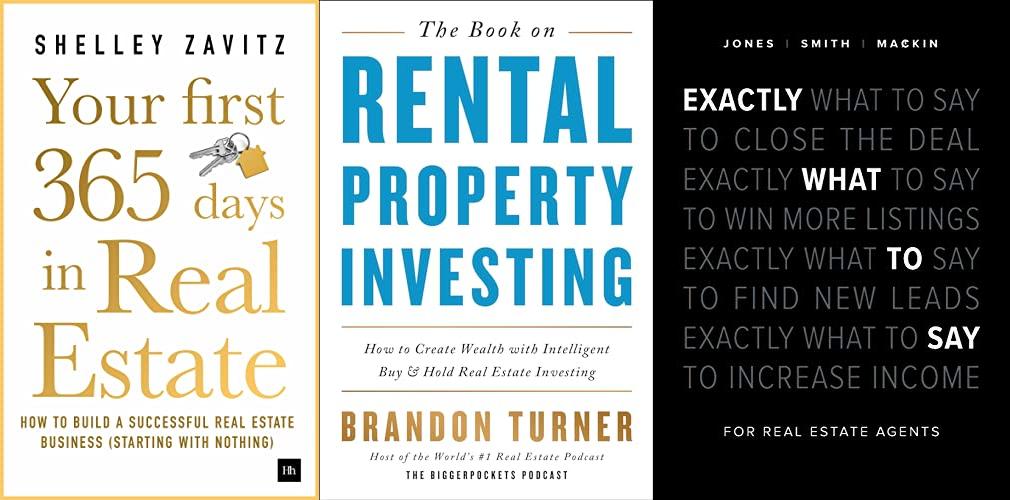
Our Top 5 Real Estate Books For Beginners Recommendations at a Glance
Top 5 Real Estate Books For Beginners Detailed Reviews
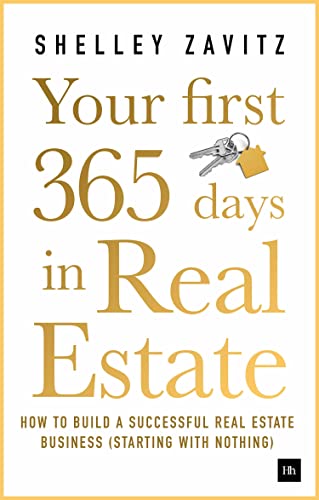
1. Your First 365 Days in Real Estate: How to build a successful real estate business (starting with nothing)
Rating: 9.4/10
Starting a real estate career from scratch can feel overwhelming. This book, “Your First 365 Days in Real Estate: How to build a successful real estate business (starting with nothing),” aims to simplify that journey. It guides you through the crucial first year, offering a roadmap to build your business even if you have no prior experience or starting money.
What We Like:
- It breaks down the complex process of starting a real estate business into manageable steps for beginners.
- The focus on building a business “starting with nothing” is incredibly appealing to those with limited resources.
- It provides a clear, year-long plan, which helps with organization and goal setting.
- The advice is practical and actionable, making it easy to put into practice right away.
What Could Be Improved:
- While the title emphasizes “starting with nothing,” more specific examples of low-cost or no-cost marketing strategies could be beneficial.
- The book might benefit from real-life case studies of individuals who successfully followed its advice from the very beginning.
This book offers a promising foundation for aspiring real estate agents. It equips you with the knowledge to navigate your first year and lay the groundwork for a thriving career.
2. The Book on Rental Property Investing: How to Create Wealth With Intelligent Buy and Hold Real Estate Investing (BiggerPockets Rental Kit

Rating: 8.7/10
Ready to build wealth with real estate? “The Book on Rental Property Investing” is your guide. This book teaches you smart ways to buy and hold rental properties. It’s part of the BiggerPockets Rental Kit, making it a helpful resource for beginners and experienced investors alike. You’ll learn how to make your money grow by owning rental homes.
What We Like:
- It gives clear steps for investing in rental properties.
- The book explains how to find good deals.
- You learn how to manage properties effectively.
- It helps you understand financing options.
- The advice is practical and easy to follow.
What Could Be Improved:
- Some advanced topics could be explored more deeply.
- More real-life case studies would be beneficial.
This book offers a solid foundation for anyone wanting to invest in rental properties. It equips you with the knowledge to make smart decisions and start building your real estate portfolio.
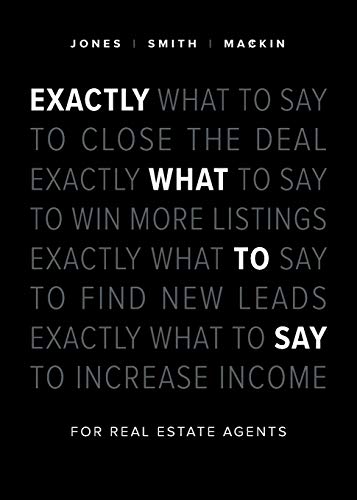
3. Exactly What to Say: For Real Estate Agents
Rating: 9.2/10
Are you a real estate agent looking to boost your sales and connect better with clients? ‘Exactly What to Say: For Real Estate Agents’ is a guide that helps you find the right words. It teaches you how to communicate effectively to close more deals and build stronger relationships. This book provides scripts and phrases for common real estate situations. It helps you handle objections and guide conversations smoothly.
What We Like:
- Provides clear and actionable phrases for agents.
- Helps build confidence in client interactions.
- Covers a wide range of common real estate scenarios.
- Aims to improve closing rates.
What Could Be Improved:
- May require practice to sound natural.
- Some situations might be too specific for every agent.
This book offers valuable tools for real estate professionals. It gives you the confidence to say the right thing at the right time.
4. The Only Real Estate & Rental Property Investing For Beginners Book You’ll Ever Need (2 in 1): Close Your First Deal

Rating: 9.2/10
Ready to make money with real estate but don’t know where to start? This book is your ultimate guide to becoming a property investor. It’s a 2-in-1 package designed to help beginners. You will learn how to find and close your very first deal. Plus, it teaches you how to manage rental properties without stress. The goal is to help you build wealth and achieve financial freedom. Think of it as starting your own profitable business!
What We Like:
- It clearly explains how to find good deals.
- It simplifies property management so it’s not overwhelming.
- The book helps you understand how to make money from rentals.
- It encourages you to see real estate as a business.
- The 2-in-1 format offers a lot of information in one place.
What Could Be Improved:
- More real-life examples of beginner success stories would be helpful.
- A section on common beginner mistakes and how to avoid them could be added.
- Some readers might find the initial steps a bit challenging without more hands-on practice included.
This book provides a solid foundation for anyone new to real estate investing. It empowers you to take action and start building your financial future.
5. How to Invest in Real Estate: The Ultimate Beginner’s Guide to Getting Started

Rating: 9.1/10
Thinking about buying property but don’t know where to start? This guide, ‘How to Invest in Real Estate: The Ultimate Beginner’s Guide to Getting Started,’ breaks down the confusing world of real estate investing into easy steps. It’s designed for people who are new to this and want to learn the basics without getting overwhelmed. You’ll learn about different ways to invest, like buying rental homes or even real estate investment trusts (REITs). The guide helps you understand the money side of things, like how much you might need and how to find good deals. It also talks about the risks involved and how to avoid common mistakes. This book aims to give you the confidence to take your first steps into real estate.
What We Like:
- Clear and simple explanations for beginners.
- Covers a good range of beginner-friendly investment options.
- Focuses on practical steps and avoiding common pitfalls.
- Helps build confidence for taking action.
What Could Be Improved:
- No specific real-world examples or case studies were mentioned.
- Doesn’t go into deep detail on financing options.
- Lacks information on local market research strategies.
This guide is a solid starting point for anyone curious about real estate investing. It provides the foundational knowledge needed to begin exploring this exciting field.
Your First Step to Real Estate Riches: A Beginner’s Buying Guide
Thinking about diving into the world of real estate? It’s a smart move! But where do you begin? Books are your best friend here. They offer a roadmap, helping you understand the basics before you jump in. Let’s explore what makes a great beginner real estate book.
1. Key Features to Look For
When you’re picking out your first real estate book, keep these important features in mind:
- Clear and Simple Language: The book should explain complex ideas without using too much jargon. You want to understand what you’re reading.
- Step-by-Step Guidance: Look for books that break down the process of buying, selling, or investing into easy-to-follow steps.
- Real-World Examples: Stories and examples from actual real estate deals make learning much easier. They show you how things work in real life.
- Actionable Advice: The book should give you practical tips you can actually use. It should tell you what to do.
- Up-to-Date Information: The real estate market changes. Make sure the book covers current laws and trends.
- Author’s Credibility: Who wrote the book? Are they experienced in real estate? This matters.
2. Important Materials Inside
What kind of information should you expect to find? Good beginner books cover these topics:
- The Basics of Real Estate: What is property? How does the market work?
- Buying Your First Home: This includes finding a house, getting a mortgage, and closing the deal.
- Real Estate Investing: Different ways to invest, like rental properties or flipping houses.
- Understanding Market Trends: How to know if it’s a good time to buy or sell.
- Financing Options: Mortgages, loans, and how they work.
- Legal Aspects: Basic contracts and common legal terms.
3. Factors That Improve or Reduce Quality
Some things make a book great, while others can make it less helpful.
What Makes a Book Better:
- Positive Reviews: See what other beginners are saying. Good reviews mean others found it helpful.
- Recent Publication Date: Older books might not have current information.
- Well-Organized Structure: Easy to find what you need. Chapters are clear and logical.
- Helpful Visuals: Charts, graphs, and diagrams can make complex ideas easier to grasp.
What Makes a Book Less Helpful:
- Overly Technical Language: If you need a dictionary to read it, it’s not for beginners.
- Outdated Information: Information about laws or market conditions that are no longer true.
- Lack of Practical Examples: Just theory without real-world application.
- Poorly Written: Typos and confusing sentences make it hard to follow.
4. User Experience and Use Cases
How will you use these books?
- As a Starting Point: Read it cover to cover to get a general understanding.
- As a Reference: Keep it handy to look up specific terms or processes.
- To Build Confidence: Understanding the process reduces fear and makes you feel more ready.
- To Avoid Common Mistakes: Learn from others’ experiences.
These books are designed for anyone new to real estate. Whether you want to buy your first home, start investing, or just understand the market better, a good beginner book is your first, best tool.
Your Real Estate Questions Answered: 10 FAQs for Beginners
Got questions about real estate books for beginners? We’ve got answers!
Q: What is the most important thing to look for in a beginner real estate book?
A: The most important thing is clear, simple language. You want to understand the information easily.
Q: Do I need a book that talks about investing right away?
A: Not necessarily. Start with books that cover the basics of buying a home. Investing can come later.
Q: How do I know if the information in the book is still good?
A: Check the publication date. Books published in the last few years are usually best.
Q: Are there any specific authors I should look for?
A: Many authors are well-known. Look for authors with experience in real estate and good reviews.
Q: Can these books help me find a good real estate agent?
A: Some books offer advice on choosing an agent. They can teach you what to ask.
Q: What if I only want to buy a house, not invest?
A: Look for books that focus on “home buying for beginners” or “your first home.”
Q: How long does it take to read a beginner real estate book?
A: Most books can be read in a few days to a week, depending on how much time you have.
Q: Can I use these books if I’m thinking about selling my house?
A: Yes, many books cover both buying and selling basics.
Q: What’s the difference between a book about real estate and one about mortgages?
A: Real estate books cover the whole process of buying and selling. Mortgage books focus only on loans.
Q: Where can I buy these kinds of books?
A: You can find them at most bookstores, online retailers, and sometimes at your local library.
In conclusion, every product has unique features and benefits. We hope this review helps you decide if it meets your needs. An informed choice ensures the best experience.
If you have any questions or feedback, please share them in the comments. Your input helps everyone. Thank you for reading.