
Can you decorate a long narrow living room? Yes, absolutely! While a long, narrow living room might seem like a decorating challenge, it offers unique opportunities to create cozy, functional, and stylish spaces. The key is in smart furniture arrangement, clever small space solutions, and using visual tricks to make the room feel more balanced and inviting. This guide will walk you through everything you need to know to transform your long, narrow living room into a space you’ll love.
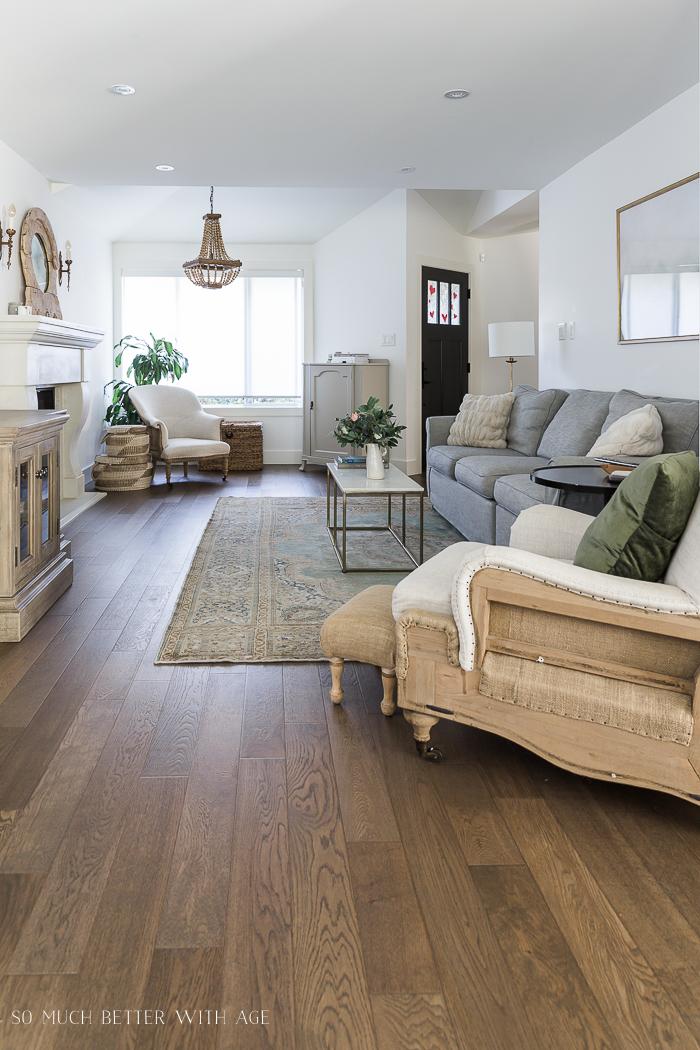
Image Source: somuchbetterwithage.com
Embracing the Layout: Initial Thoughts
A long, narrow room, often called a galley living room, can sometimes feel like a bowling alley. The challenge is to break up the length and create distinct zones without making the space feel cramped. Don’t view the shape as a limitation; instead, see it as a canvas for creative optimizing space.
Rethinking the Space
Instead of fighting the natural flow of a long room, work with it. Think about how people naturally move through the space. Do you have a clear entryway? Do you need to pass through the living room to get to another part of the house? These considerations are crucial for effective furniture arrangement.
Defining Zones
One of the most effective strategies for a long narrow living room is to divide it into functional zones. This can be achieved through furniture placement, rugs, and even subtle changes in wall color or accent walls.
Furniture Arrangement: The Art of Balance
Getting the furniture arrangement right is paramount in a long narrow living room. The goal is to create balance and prevent the furniture from all lining up against the walls, which can emphasize the length.
Creating Conversation Areas
Avoid pushing all your seating against the long walls. Instead, try to create smaller, more intimate conversation areas.
- The Sofa and Chairs Setup: Place your sofa facing one of the shorter walls or perpendicular to the long walls. Then, use accent chairs to create a U-shape or L-shape with the sofa. This naturally breaks up the space and encourages interaction.
- Floating Furniture: Don’t be afraid to pull your sofa and chairs away from the walls. Even a few inches can make a big difference in how the room feels. This also helps create flow around the furniture.
- Dividing the Room: Consider using furniture pieces themselves as room dividers. A sofa placed with its back to the main seating area can define a dining zone or a reading nook. A bookcase or console table can also serve this purpose.
Scale and Proportion
Choosing furniture that is appropriately sized is critical.
- Avoid Oversized Pieces: Large, bulky furniture will overwhelm a narrow space. Opt for sofas with a slimmer profile, armless chairs, and streamlined coffee tables.
- Multi-functional Furniture: Think about pieces that serve multiple purposes. An ottoman with storage can double as a coffee table and extra seating. A console table behind the sofa can hold lamps and decor.
- Vertical Space: Draw the eye upwards by using tall, slender pieces of furniture, such as bookshelves or floor lamps. This helps to balance the horizontal emphasis of the room.
Traffic Flow
Ensure there’s enough space for people to walk comfortably between furniture pieces. Aim for at least 2-3 feet of clearance for main pathways.
Lighting Techniques: Illuminating Your Space
Good lighting is essential for any room, but in a long narrow living room, it plays a crucial role in altering the perception of space and creating ambiance. Layering your lighting is key.
Ambient Lighting
This is the general illumination of the room.
- Overhead Fixtures: Consider flush mount or semi-flush mount ceiling lights. If you have a central ceiling point, a striking pendant light can act as a focal point and draw attention away from the room’s length.
- Recessed Lighting: Strategically placed recessed lights can provide even illumination without taking up visual space.
Task Lighting
This is for specific activities like reading or working.
- Table Lamps: Place table lamps on side tables next to sofas and chairs.
- Floor Lamps: Tall, slender floor lamps can illuminate reading corners and add height to the room.
Accent Lighting
This highlights specific features and adds depth.
- Wall Sconces: Wall sconces placed along the longer walls can provide a soft glow and visually widen the space. They also save precious floor space.
- Picture Lights: Use these to highlight artwork or photographs, drawing the eye to specific points.
- Uplighting: Place plants or decorative objects with uplights behind them to cast shadows and add drama.
Natural Light Maximization
- Window Treatments: Use light, airy curtains or blinds that can be fully opened to let in as much natural light as possible. Avoid heavy, dark drapes.
Visual Tricks: Making the Room Feel Wider and Shorter
Several visual tricks can help manipulate the perception of your long narrow living room.
Color Palettes
The colors you choose can significantly impact how the room feels.
- Light and Bright Colors: Lighter colors on the long walls will make them recede, creating an illusion of width. Think soft blues, greens, grays, and whites.
- Accent Walls: Use a bolder color or wallpaper on one of the shorter end walls. This draws the eye to the end of the room, visually shortening it and creating a focal point. This is a classic accent walls technique.
- Ceiling Color: Painting the ceiling a lighter color than the walls can make it feel higher. A soft, cool tone can also help it recede.
- Contrast: Use contrasting colors strategically. For example, a darker color on the end walls can also help to visually “pull” them closer.
Mirror Magic
Mirrors are powerful tools for manipulating space.
- Placement: Hang a large mirror on one of the long walls. This will reflect light and the opposite wall, making the room appear wider and brighter.
- Across from Windows: Placing a mirror opposite a window can reflect the natural light and the view, further enhancing the sense of space.
- Mirror Types: Consider mirrored furniture or a gallery wall of smaller mirrors to achieve a similar effect.
Rug Placement: Defining Zones and Breaking Length
Rug placement is a fantastic way to break up the length of the room and define different zones.
- Multiple Rugs: Instead of one long runner, use two or more appropriately sized rugs to delineate distinct areas, such as a seating area and a walkway.
- Placement within Zones: Ensure the rugs are large enough to anchor the furniture in each zone. Ideally, at least the front legs of your sofa and chairs should sit on the rug.
- Stripes: Rugs with horizontal stripes can visually widen the room.
Wall Treatments
Beyond paint, other wall treatments can be beneficial.
- Horizontal Lines: Consider subtle horizontal stripes or textured wallpaper with a linear pattern on the long walls to create a sense of width.
- Artwork: Hang artwork at eye level. A large statement piece on a short wall can draw the eye and balance the room. A gallery wall on a long wall can break up the expanse, but avoid hanging too many small pieces that might make it feel cluttered.
Small Space Solutions: Maximizing Every Inch
Long narrow living rooms often require effective small space solutions to ensure they are both functional and comfortable.
Storage Ideas: Keeping Clutter at Bay
Effective storage ideas are crucial for maintaining a sense of order and spaciousness.
- Vertical Storage: Utilize the full height of your walls with tall, narrow bookshelves or wall-mounted shelving units.
- Ottomans and Benches with Storage: These are perfect for storing blankets, magazines, or toys, and they double as extra seating.
- Floating Shelves: These offer a clean, minimalist look for displaying decor or storing books without taking up floor space.
- Built-in Storage: If your budget allows, custom built-in cabinetry along one of the walls can provide ample, integrated storage and a polished look.
- Nesting Tables: These can be pulled out when needed and tucked away neatly to save space.
Furniture Selection for Narrow Spaces
- Slim-Profile Furniture: As mentioned earlier, choose furniture with a slim, elegant design.
- Armless Chairs: These take up less visual and physical space than chairs with bulky arms.
- Leggy Furniture: Furniture raised on legs creates a sense of openness by allowing light and air to flow underneath.
The Power of Decluttering
A tidy room always feels larger. Regularly decluttering and organizing your belongings is one of the simplest yet most impactful small space solutions.
Optimizing Space: Clever Layouts and Functional Pieces
Optimizing space in a long narrow living room is all about smart planning and choosing the right elements.
The “Room Within a Room” Concept
Think of your long living room as having multiple “rooms” within it.
- Seating Area: This is your primary zone. Anchor it with a rug and a clear arrangement of sofa and chairs.
- Reading Nook: A comfortable armchair, a small side table, and a floor lamp can create a cozy reading corner at one end of the room.
- Workspace: If needed, a slim desk and chair can be tucked into a corner or along a wall.
Using Furniture as Dividers
Room dividers don’t have to be solid walls.
- Open Shelving Units: These can partition a space while still allowing light to pass through and offering display opportunities.
- Screens and Dividers: Decorative screens can add a touch of style while creating separation.
End-of-Room Focal Points
Draw attention to the shorter walls to balance the room’s proportions.
- Fireplaces: If you have a fireplace, make it the focal point.
- Accent Walls: Paint or wallpaper one of the shorter walls to make it stand out.
- Artwork or Mirrors: A large piece of art or a statement mirror can anchor the end of the room.
Furniture Arrangement Examples
Let’s visualize some furniture arrangement strategies:
| Layout Option | Description | Pros | Cons |
|---|---|---|---|
| The Parallel Divide | Sofa on one long wall, chairs facing it across a coffee table. Two distinct seating zones. | Creates good conversation areas. Clearly defines zones. | Can feel a bit formal. Requires careful spacing to avoid feeling cramped. |
| The Perpendicular Flow | Sofa placed perpendicular to the long walls, often with its back to one side. Creates a “room” within the room. | Breaks up the length effectively. Encourages better flow and definition. | Can sometimes block light or views if not placed carefully. |
| The Corner Conversation | Sofa and chairs angled in a corner, creating a cozy nook. | Very intimate and cozy. Good for smaller seating arrangements. | Might not accommodate larger groups. Can feel less open. |
| The Sofa-Backed Divider | Sofa placed with its back to the main seating area, dividing the room into two distinct functions. | Excellent for creating zones. Offers display space on the back of the sofa. | Can reduce the perceived size of the room if the sofa is too large. |
Frequently Asked Questions (FAQ)
Q1: What is the best color to paint a long narrow living room?
A1: Lighter, cooler colors like soft blues, greens, or grays on the long walls tend to make them recede, visually widening the space. On the shorter end walls, a slightly bolder color or a feature like an accent wall can help to visually shorten the room.
Q2: Can I use a large rug in a long narrow living room?
A2: Yes, but use it strategically. Instead of one very long runner that emphasizes length, consider using two or more appropriately sized rugs to define different zones within the room. Ensure the rugs are large enough to anchor the furniture in each seating area.
Q3: What kind of furniture is best for a long narrow living room?
A3: Opt for furniture with a slim profile, such as sofas with a straight back and minimal arms, and armless accent chairs. Consider pieces that are elevated on legs to create a sense of openness and allow light to flow underneath. Multi-functional furniture and nesting tables are also excellent choices for maximizing space.
Q4: How can I make a long narrow living room feel wider?
A4: Hang a large mirror on one of the long walls to reflect light and the opposite wall. Use light colors on the long walls and consider horizontal patterns in wallpaper or rugs. Placing furniture perpendicular to the long walls and creating distinct zones can also help to break up the perceived length.
Q5: Should I use a fireplace as a focal point in a long narrow room?
A5: Absolutely! If you have a fireplace, it’s a natural focal point. Arrange your furniture to center around it. If you don’t have a fireplace, consider creating an accent wall with a striking piece of art, a gallery wall, or a statement mirror on one of the shorter end walls.
Decorating a long narrow living room is an exercise in thoughtful planning and creative execution. By focusing on smart furniture arrangement, leveraging visual tricks, employing effective lighting techniques, and prioritizing good storage ideas, you can transform even the most challenging layout into a beautifully functional and inviting space. Remember, the goal is to break up the length, create inviting zones, and make the most of every square inch through clever optimizing space strategies.