
A standard kitchen counter height in the United States is 36 inches from the floor to the top of the countertop. This measurement is a widely accepted guideline that ensures comfortable and efficient use for most adults.
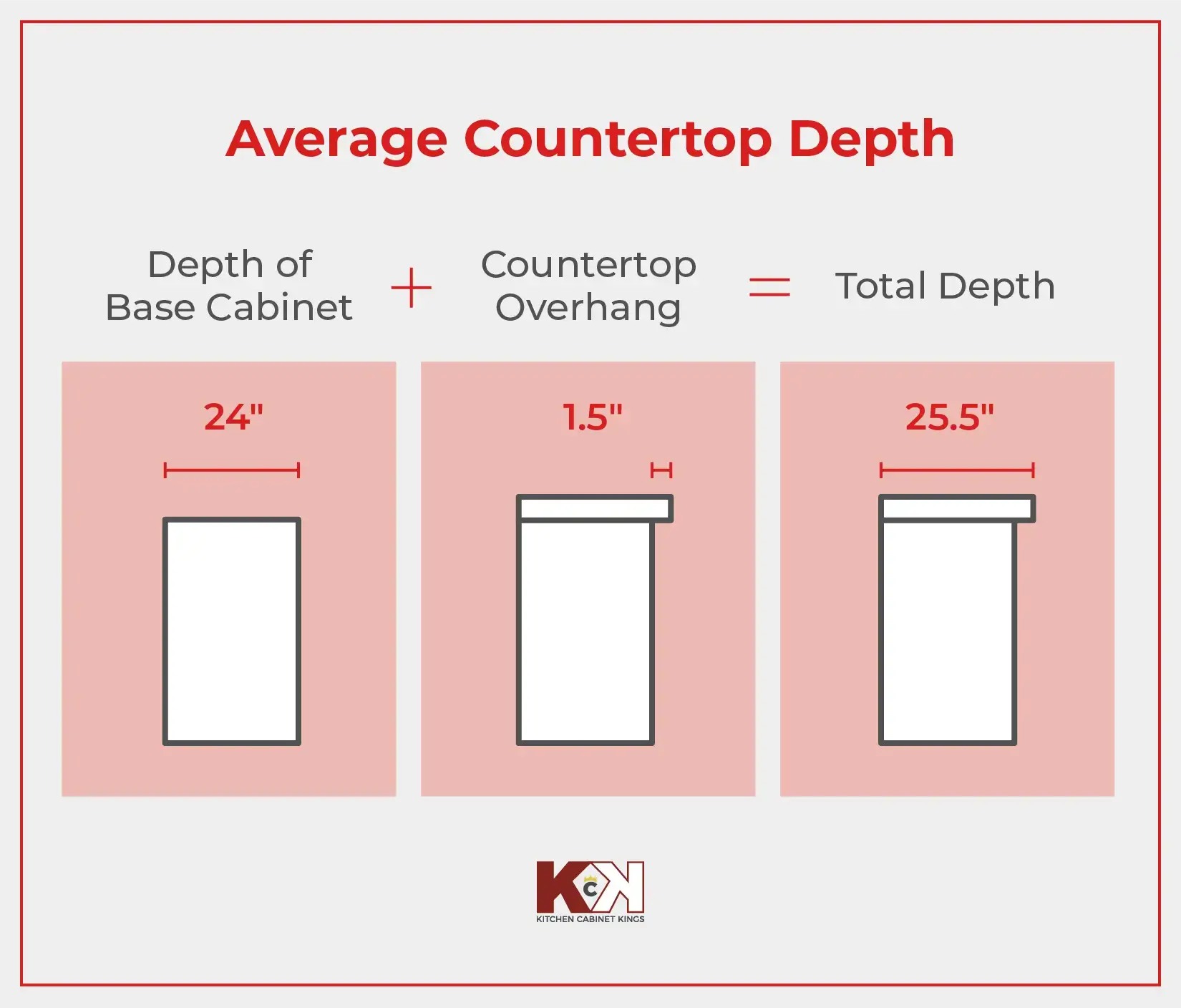
Image Source: cdn.kitchencabinetkings.com
Deciphering Standard Countertop Dimensions
When planning a kitchen renovation or building a new home, kitchen counter height is a fundamental consideration. It directly impacts how you interact with your workspace, influencing everything from chopping vegetables to washing dishes. So, how tall is a standard kitchen counter, and why is this measurement so important?
The 36-Inch Standard: A Universal Benchmark
The most common kitchen counter height across North America is 36 inches. This figure has become the de facto standard for a multitude of reasons, primarily revolving around ergonomics and accessibility. This height allows for a comfortable working position for the average adult, minimizing strain on the back and arms during prolonged kitchen tasks. It also facilitates easy access to upper cabinets and provides a consistent surface for various appliances.
Why 36 Inches? The Ergonomic Rationale
The 36-inch benchmark is not arbitrary; it’s rooted in scientific principles of human ergonomics. When standing, the average adult’s elbow height falls around 40-45 inches. A workspace at 36 inches allows for a slight bend at the waist and elbows, creating a natural and comfortable posture for tasks like kneading dough, stirring pots, or using a food processor. This ideal positioning reduces fatigue and the risk of repetitive strain injuries.
Factors Influencing Optimal Kitchen Counter Height
While 36 inches is the standard, the optimal kitchen counter height can vary based on individual needs and preferences. Several factors come into play:
- User Height: Taller individuals might find a slightly higher counter more comfortable, while shorter individuals may prefer a lower surface.
- Task Specificity: Certain tasks, like baking and pastry making, often benefit from a slightly lower surface, while tasks requiring more vertical clearance might lean towards a standard or slightly higher counter.
- Accessibility Needs: For individuals using wheelchairs or with other mobility challenges, adjustable or lower counter heights are crucial.
Beyond Height: Exploring Other Countertop Standards
While height is paramount, other dimensions also play a significant role in kitchen functionality. The standard counter depth is equally important for providing adequate workspace and accommodating appliances.
Standard Counter Depth: Balancing Workspace and Walkway
The typical kitchen counter depth in the US is 25 inches. This depth offers a generous surface area for food preparation, appliance placement, and everyday kitchen activities. It also allows for standard-sized base cabinets and appliances like dishwashers to fit seamlessly underneath.
The Significance of Counter Depth
A deeper counter (e.g., 30 inches) might seem appealing for extra workspace, but it can encroach on walkway space, making the kitchen feel cramped. Conversely, a shallower counter (e.g., 20 inches) might not provide enough room for appliances or prep space. The 25-inch depth strikes a balance, offering ample functionality without compromising circulation.
Kitchen Island Height: A Complementary Workspace
Kitchen islands often serve as a central hub for cooking, dining, and socializing. Therefore, kitchen island height is often considered in conjunction with the main countertops.
Island Design Considerations
- Integrated Islands: If the island is a seamless extension of the main countertops, it typically adheres to the standard 36-inch height.
- Multi-Level Islands: Some islands feature different levels, such as a higher bar seating area (around 42 inches) and a lower prep area (around 36 inches). This design caters to various activities and user preferences.
- Appliance Integration: The height of an island can also be dictated by integrated appliances like cooktops or sinks, requiring specific clearances.
Exploring Average Kitchen Counter Size and Variations
The average kitchen counter size is not a fixed number but rather a result of kitchen layout and design choices. However, understanding the typical dimensions helps in envisioning a functional space.
Typical Countertop Dimensions in Detail
- Length: Counter lengths vary greatly depending on the kitchen’s footprint. Long runs of cabinets can have countertops extending many feet, while smaller kitchens might have shorter counter segments.
- Thickness: Countertop thickness can range from 1 ¼ inches to 2 inches or more, depending on the material and desired aesthetic. Thicker slabs often lend a more substantial and luxurious feel.
Counter Height Standards: A Global Perspective
While 36 inches is the standard in North America, other regions may have different countertop height standards. These variations often stem from differing average heights of populations or historical design practices.
International Benchmarks
- Europe: Many European countries utilize a standard counter height of 35-36 inches (approximately 90 cm).
- Australia and New Zealand: Similar to North America, 36 inches is a common standard.
It’s important to note that these are general guidelines, and custom builds or specific architectural styles can deviate from these norms.
The Ideal Counter Height: Personalization is Key
While the 36-inch kitchen counter height serves as a reliable starting point, the ideal counter height is one that best suits the primary users of the kitchen.
Tailoring Your Counter Height
- Custom Solutions: For individuals significantly taller or shorter than the average, custom counter heights can dramatically improve kitchen ergonomics. A 2-3 inch adjustment can make a substantial difference.
- Universal Design: For kitchens intended for multi-generational use or where accessibility is a concern, incorporating adjustable-height workstations or lower counters can be a thoughtful design choice.
Counter Height Dimensions: A Visual Guide
To better illustrate the counter height dimensions, consider this breakdown:
| Component | Standard Height (US) | Typical Range (US) | Notes |
|---|---|---|---|
| Standard Kitchen Counter | 36 inches | 34-37 inches | Comfortable for most adults. |
| Bar/Counter Seating | 40-42 inches | 39-43 inches | Designed for bar stools, provides a higher surface for eating/drinking. |
| ADA Compliant Counter | 34 inches | 30-34 inches | Accessible for wheelchair users, allows for knee clearance. |
| Table Height | 29-30 inches | 28-32 inches | Standard dining table height. |
Standard Kitchen Worktop Height: A Closer Look
The term “worktop” is often used interchangeably with “countertop,” particularly in British English. The standard kitchen worktop height in the UK and many Commonwealth countries also aligns with the 36-inch (90 cm) measurement.
Material Influences on Height Perception
The chosen countertop material can influence the perceived height and overall feel of the kitchen.
- Thicker Materials: Granite, quartz, and marble slabs often come in 1 ¼ inch or 2-inch thicknesses, adding to the visual and actual height of the finished counter.
- Lighter Materials: Laminate or solid surface materials might be thinner but are still typically installed at the standard 36-inch height.
Typical Kitchen Counter Depth: A Functional Necessity
Understanding the typical kitchen counter depth is crucial for appliance selection and cabinet configurations.
Depth Considerations for Appliances and Storage
- Base Cabinets: Standard base cabinets are typically 24 inches deep. When combined with a 1 to 1 ½ inch countertop overhang, this results in the 25-inch standard counter depth.
- Appliance Fit: This 25-inch depth ensures that standard appliances like dishwashers (usually 24 inches deep) can be installed flush with the cabinet fronts, creating a clean, built-in look.
- Wall Cabinets: Wall cabinets are usually shallower, typically 12-13 inches deep, to provide clearance above the counter.
Adapting Counter Heights for Specific Needs
The flexibility of modern kitchen design allows for adaptations to the standard height to cater to diverse user needs.
Accommodating Different Users and Tasks
- Children’s Stations: For families with young children, a lower, dedicated prep area or island section can be a safe and engaging space for them to participate in cooking.
- Baking Stations: Bakers often prefer a slightly lower counter (around 30-32 inches) for tasks like kneading dough, as it allows them to use their body weight more effectively. This can be achieved with a custom-height island or a specific zone within the kitchen.
- Accessibility for Seniors: As people age, their needs may change. Lowering counter heights or incorporating features like pull-out work surfaces can enhance usability and independence.
The Impact of Countertop Material on Height Standards
While the structural support (cabinets) dictates the base height, the material of the countertop itself can influence the final countertop height standards.
Material Thickness and Design
- Solid Slab Materials: Granite, marble, quartz, and butcher block countertops are typically installed as solid slabs. Their thickness, often ranging from 1 ¼ inches to 3 inches, adds to the overall height. A 36-inch cabinet base with a 1 ½ inch thick countertop will result in a total height of 37 ½ inches.
- Laminate Countertops: These are often constructed with a particleboard or MDF core topped with a decorative laminate layer. They can achieve the standard 36-inch height but might be susceptible to damage from prolonged moisture.
- Concrete and Stainless Steel: These materials can be cast or fabricated to custom heights but are generally installed to meet the 36-inch benchmark for practicality.
Designing Around the Standard: Creating a Functional Kitchen
When designing a kitchen, it’s essential to consider how the standard dimensions will interact with other elements.
Cabinetry and Appliance Integration
- Base Cabinets: The foundation of your countertop height lies with your base cabinets. Standard base cabinets are typically 34 ½ inches tall. When a 1 ½ inch countertop is added, you achieve the 36-inch standard kitchen counter height.
- Appliance Dimensions: Refrigerators, ovens, and dishwashers are manufactured to integrate with standard cabinet and countertop heights. Ensuring your cabinet and counter dimensions align with appliance specifications prevents costly installation issues.
The Ergonomics of Different Work Zones
Within a single kitchen, different work zones might benefit from slightly varied heights to optimize comfort and efficiency.
Zone-Specific Height Considerations
- Primary Prep Zone: This is where most chopping and mixing occurs. The 36-inch standard is usually ideal here.
- Baking Zone: As mentioned, a slightly lower height (30-32 inches) can be beneficial for kneading and rolling dough.
- Appliance Zone: If you have a built-in microwave or a specific appliance that requires a certain clearance, this might influence the height of that particular counter section.
- Cleanup Zone: The area around the sink might be designed to accommodate standing for longer periods, making the standard height comfortable.
Future Trends and Evolving Countertop Height Standards
While the 36-inch kitchen counter height is deeply ingrained, the future may see more personalization and adaptability.
Embracing Customization and Adaptability
- Smart Kitchens: With the rise of smart home technology, we might see more integrated adjustable-height workstations that can adapt to different users and tasks at the touch of a button.
- Universal Design Principles: A greater emphasis on universal design in residential architecture will likely lead to more kitchens incorporating a wider range of accessible heights as a standard.
Final Thoughts on Kitchen Counter Height
The kitchen counter height is more than just a measurement; it’s a critical factor in creating a kitchen that is not only beautiful but also highly functional and comfortable for its users. The 36-inch standard provides an excellent baseline, but personalizing your kitchen space to accommodate your specific needs and preferences will ultimately lead to the most enjoyable and efficient culinary experience. Always consider who will be using the kitchen most often and what tasks they will perform when deciding on the perfect counter height dimensions for your home.
Frequently Asked Questions (FAQ)
Q1: What is the standard kitchen counter height in the US?
A1: The standard kitchen counter height in the US is 36 inches from the floor to the top of the countertop.
Q2: Why is 36 inches the standard height?
A2: This height is considered optimal for the average adult to work comfortably, minimizing strain on the back and arms during kitchen tasks. It balances ergonomic principles with practical considerations for cabinet and appliance integration.
Q3: Can I have a different kitchen counter height?
A3: Absolutely. While 36 inches is standard, many people opt for custom heights to better suit their individual needs, especially if they are significantly taller or shorter than average. You can also have different heights for specific zones, like a lower baking station or a higher island bar.
Q4: What is the standard counter depth?
A4: The standard counter depth in the US is typically 25 inches. This allows for standard 24-inch deep base cabinets with a 1-inch overhang, accommodating appliances and providing ample workspace.
Q5: What is the ideal counter height for baking?
A5: Many bakers find a slightly lower counter height, around 30-32 inches, to be ideal for tasks like kneading dough, as it allows them to utilize their body weight more effectively.
Q6: Is kitchen island height different from counter height?
A6: Kitchen island height can be the same as standard counter height (36 inches) if it serves as an extension of the main prep area. However, islands often feature different levels, such as a higher bar seating area (around 40-42 inches) or a lower section for specific tasks.
Q7: What are countertop height standards in other countries?
A7: While 36 inches is common in North America, many European countries use a standard height of around 90 cm (approximately 35.4 inches). However, variations exist, and custom designs are increasingly popular globally.
Q8: How does countertop material affect height?
A8: The thickness of the countertop material (e.g., granite, quartz, laminate) is added to the height of the base cabinets. So, standard 34 ½ inch cabinets with a 1 ½ inch thick countertop will result in the standard 36-inch overall height. Thicker materials will increase the final height.
Q9: What if I need an accessible kitchen counter?
A9: For accessibility, such as for wheelchair users, counter heights are typically lower, often around 30-34 inches, with adequate knee clearance underneath. Many manufacturers offer ADA-compliant cabinetry and countertops.
Q10: What is the average kitchen counter size?
A10: The “size” of a kitchen counter refers to its length and depth. The standard depth is 25 inches. The length varies greatly depending on the kitchen’s layout and design, with longer runs being common in larger kitchens.