
Can you make your living room into a bedroom? Yes, absolutely! It’s a fantastic way to maximize space, especially in smaller homes or studio apartment living, and create a multi functional room. This guide will walk you through the steps and options to transform your living space into a comfortable sleeping area, whether for yourself or for guest room ideas.
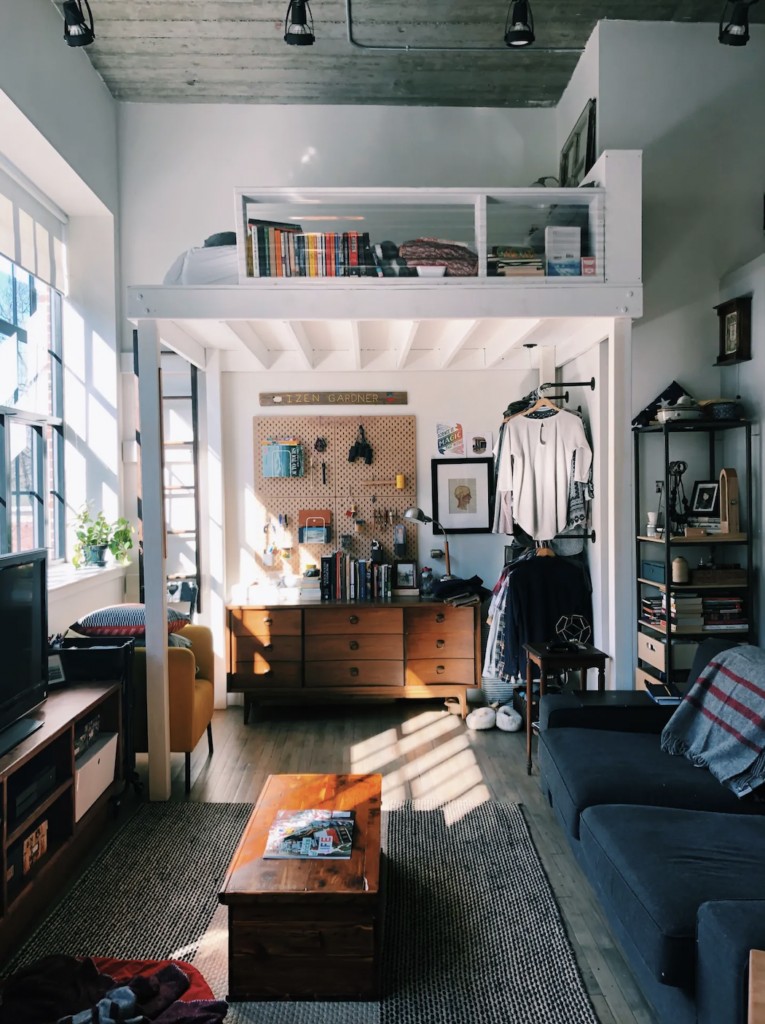
Image Source: www.theinside.com
Transforming Your Living Space: The Essentials
Making your living room do double duty as a bedroom is all about smart design and the right convertible furniture. It’s a clever approach to living, particularly for those seeking tiny home solutions or simply wanting more flexibility from their main living area. The goal is to create a functional and inviting sleeping area without sacrificing the room’s primary purpose.
Choosing Your Sleeping Solution
The heart of this transformation lies in selecting the right bed. Fortunately, the market offers a variety of space saving bed options that blend seamlessly into a living room setting.
The Versatile Sofa Bed
A sofa bed is perhaps the most popular and practical choice for a living room that needs to convert into a bedroom. These pieces of furniture serve a dual purpose: a comfortable sofa for daytime use and a bed for nighttime.
-
Types of Sofa Beds:
- Futons: These are often more budget-friendly and can be simple to operate. They typically fold out from a sofa into a flat bed.
- Sleeper Sofas: These usually have a mattress that pulls out from beneath the sofa cushions. They often offer a more comfortable sleeping experience than traditional futons.
- Sectional Sofa Beds: If you have more space, a sectional can offer both ample seating and a hidden bed, often in the chaise portion.
-
Considerations for Sofa Beds:
- Comfort: Test the mattress if possible. Some have thicker, more comfortable mattresses than others.
- Ease of Operation: How easy is it to convert from sofa to bed and back again? This is crucial for daily use.
- Style: Choose a sofa bed that complements your existing living room layout.
- Size: Ensure it fits comfortably in your living room when both in sofa and bed form.
The Elegant Murphy Bed
A murphy bed, also known as a wall bed, is another excellent solution for creating a discreet sleeping area. These beds fold up into a cabinet or the wall, freeing up significant floor space during the day.
-
Advantages of Murphy Beds:
- Maximum Space Saving: When folded, they virtually disappear, allowing for a completely open living space.
- Stylish Integration: Many come with cabinetry that can serve as bookshelves, desks, or display areas, enhancing the room’s decor.
- Comfort: They accommodate standard mattresses, providing a true bed experience.
-
Factors to Note for Murphy Beds:
- Installation: Most require secure mounting to wall studs, which may involve professional installation.
- Cost: Generally, murphy beds are a higher investment than sofa beds.
- Footprint: While they save floor space when stored, they do require a dedicated wall space.
Other Innovative Furniture Solutions
Beyond sofa beds and murphy beds, a range of convertible furniture can help you achieve this dual-purpose room.
- Sofa Beds with Built-in Storage: Many modern sofa beds incorporate storage drawers beneath the seat or in the armrests, adding even more functionality.
- Daybeds: These are designed to be used as a sofa during the day and a bed at night, often with a trundle bed underneath for an extra sleeping spot. They offer a more permanent bed-like structure in the living room.
- Ottoman Beds: Some large ottomans can be opened to reveal hidden storage or even unfold into a narrow bed, perfect for occasional guests.
Designing Your Multi-Functional Living Room
Once you’ve chosen your sleeping solution, the next step is to design your living room layout to accommodate both living and sleeping functions harmoniously.
Creating a Defined Sleeping Area
Even if your bed is a sofa bed that folds out, it’s helpful to visually delineate the sleeping area within the living room.
- Using Rugs: A well-placed rug can define the “bedroom” zone. When the sofa bed is out, the rug anchors the bed and surrounding area, separating it from the rest of the living space.
-
Room Dividers: For more separation, consider lightweight and stylish room dividers. Options include:
- Folding Screens: Available in various materials and designs, they can be easily stored when not in use.
- Curtains: Hanging a floor-to-ceiling curtain from a ceiling track can create a cozy, private sleeping nook.
- Bookshelves or Open Shelving Units: These can act as attractive, functional dividers that also provide storage.
-
Furniture Placement: Strategically place larger furniture like sofas, chairs, and coffee tables to create a natural flow that doesn’t obstruct the conversion of the sofa bed. Ensure there’s enough space to pull out the bed comfortably.
Optimizing Storage in a Dual-Purpose Room
Storage is paramount in any multi functional room, especially when it needs to serve as both a living area and a bedroom.
- Vertical Storage: Utilize wall space with tall bookshelves, wall-mounted cabinets, or floating shelves. This draws the eye upwards and maximizes storage without taking up floor space.
- Under-Bed Storage: If you opt for a daybed with a trundle or a sofa bed with drawers, this is prime real estate for storing bedding, extra pillows, or seasonal clothing.
- Ottomans and Benches with Storage: These are excellent for hiding clutter like blankets, remote controls, or books.
- Multi-Functional Furniture: Choose coffee tables with drawers or shelves, side tables with storage, and ottomans that open up.
Ambiance and Comfort: Making it Feel Like Home
A successful living room-bedroom conversion is about more than just functionality; it’s about creating a comfortable and inviting atmosphere.
- Lighting: Layer your lighting to suit different moods.
- Ambient Lighting: Overhead fixtures for general illumination.
- Task Lighting: Reading lamps near the sofa or bed area.
- Accent Lighting: Table lamps or string lights to add warmth and coziness. Consider dimmers for flexibility.
- Bedding and Linens: Invest in comfortable and attractive bedding. When the bed is not in use, neatly folded bedding can be stored in decorative baskets or ottomans. Having a few sets of quality linens makes a difference.
- Decor: Don’t shy away from making the space feel personal. Add throw pillows, blankets, artwork, and plants. These elements make the room inviting whether it’s set up for lounging or sleeping.
Planning Your Living Room Layout for Dual Use
A thoughtful living room layout is key to making this transformation work. You need to ensure easy access to the bed when needed and a comfortable living space when it’s not.
Layout Considerations for Sofa Beds
When using a sofa bed, consider how it will function in both modes.
- Clearance: Ensure you have enough space to fully extend the bed. This often means positioning the sofa away from walls or other furniture that might obstruct its opening.
- Access: Think about how someone will get to the bed. Is there a clear path?
- Proximity to Essentials: If possible, place the sofa bed near an electrical outlet for charging devices and near a side table for a lamp and water.
Table 1: Sofa Bed Placement Scenarios
| Scenario | Ideal Sofa Placement | Considerations |
|---|---|---|
| Against a Wall | Against the longest wall, with ample space in front to open the bed. | Ensure the wall behind the sofa is not too cluttered. Check mattress clearance. |
| In the Center of the Room | Facing a focal point like a TV or fireplace, allowing access from multiple sides. | Requires more space and careful consideration of traffic flow. Offers more flexibility in opening the bed. |
| In a Corner | With one side against a wall and the other extending into the room. | Can help define zones. Ensure the corner placement doesn’t block pathways when the bed is extended. |
Layout Considerations for Murphy Beds
A murphy bed requires a dedicated wall space.
- Wall Strength: The wall needs to be sturdy enough to support the bed mechanism and mattress.
- Clearance in Front: You need sufficient space in front of the murphy bed when it’s down to walk around it and place bedding.
- Integration with Storage: Many murphy beds come with side cabinets or shelving units that can be incorporated into the overall living room layout, enhancing both form and function.
Maximizing Flow and Functionality
The goal is to create a space that feels cohesive and easy to navigate.
- Traffic Paths: Design clear pathways from the entrance to different areas of the room (e.g., to the sofa, to the kitchen, to the bathroom).
- Multi-Use Furniture: Opt for a coffee table that can be raised or expanded for dining or work, or nesting tables that can be tucked away.
- Visual Balance: Distribute furniture evenly to avoid making one end of the room feel too heavy or cluttered.
Specific Scenarios and Solutions
This concept is particularly useful for various living situations.
Studio Apartment Living
In a studio apartment, every square foot counts. Turning your living area into a bedroom is often a necessity.
- Space-Saving Beds are Crucial: A sofa bed or a murphy bed is almost essential for comfort and usability.
- Clever Zoning: Use furniture placement, rugs, and decorative screens to visually separate the “living” from the “sleeping” areas, even though it’s all in one room.
- Vertical Storage: Maximize wall space with shelves and cabinets to keep the limited floor area clear.
Guest Room Ideas
If you frequently have overnight guests but lack a dedicated guest room, your living room can be the perfect solution.
- Comfort is Key: Invest in a comfortable sofa bed with a good mattress or a high-quality murphy bed.
- Guest Amenities: Have a designated spot for guest belongings – a small luggage rack, extra hangers, or a dedicated shelf.
- Privacy: As mentioned, room dividers or curtains can offer a sense of privacy for your guests.
Tiny Home Solutions
For those embracing the minimalist lifestyle of a tiny home, transforming spaces is part of the design.
- Multi-Functional Furniture is Non-Negotiable: Every piece of furniture should ideally serve more than one purpose.
- Transformable Designs: Look for beds that fold into sofas, desks that fold into tables, and storage that is integrated into the architecture.
- Light and Airy: Keep decor light and colors bright to make the most of the limited space and create an illusion of openness.
Maintenance and Care for Your Convertible Furniture
To ensure your convertible furniture lasts and remains functional, proper care is important.
Sofa Bed Maintenance
- Regular Cleaning: Vacuum the upholstery regularly to remove dust and debris.
- Spot Cleaning: Address spills immediately according to the manufacturer’s instructions for the fabric.
- Mechanism Check: Periodically check the bed mechanism for smooth operation. Lubricate moving parts if necessary and recommended by the manufacturer.
- Mattress Care: If the mattress is removable, air it out occasionally. Use a mattress protector to keep it clean.
Murphy Bed Maintenance
- Mechanism Lubrication: Follow manufacturer guidelines for lubricating the pivot or spring mechanism.
- Cleaning the Cabinet: Dust and wipe down the cabinet and any integrated shelving.
- Check Wall Mounts: Ensure the wall mounts remain secure.
Frequently Asked Questions (FAQ)
Q1: Is a sofa bed comfortable enough to sleep on every night?
A: The comfort level of a sofa bed varies greatly. Higher-quality models with thicker mattresses and better support systems are much more comfortable for nightly use. For maximum comfort, consider models with upgraded mattress options or a memory foam topper.
Q2: How much space do I need to open a sofa bed?
A: This depends on the type of sofa bed. A futon might require less space than a sleeper sofa with a pull-out mattress. Generally, you’ll need enough space in front of the sofa to fully extend the bed, plus enough room to walk around it. Always check the product specifications for the required clearance.
Q3: Are murphy beds difficult to install?
A: Installation of a murphy bed typically requires secure mounting to wall studs. While it can be a DIY project for those with carpentry skills and the right tools, many people opt for professional installation to ensure safety and proper function.
Q4: How can I make my living room feel less like a bedroom when the bed is out?
A: Use decorative elements like throw pillows, a stylish quilt or duvet, and bedside lamps to make the sleeping area more inviting. A rug under the bed can also help define the space. When the bed is folded away, ensure the living room furniture is arranged to maximize the sense of open space.
Q5: What are the best options for a living room that serves as both a lounge and a guest room?
A: For a dual-purpose living room, a high-quality sofa bed is often the most practical choice as it offers comfortable seating during the day and a decent bed at night. If space allows and budget is not a major constraint, a murphy bed with integrated cabinetry can offer the most seamless transition. Daybeds with trundles are also a good option if you prefer a more bed-like structure.
Q6: Can I use my existing sofa if I add a mattress on top?
A: While you can add a mattress topper for temporary comfort, using an existing sofa as a permanent bed is generally not recommended. Sofas are not designed for the support and structure needed for a comfortable and healthy sleeping arrangement. The frame and cushions are unlikely to provide the even support required for a good night’s sleep.
Q7: What are some stylish ways to hide bedding when the sofa bed is folded?
A: Store bedding in decorative storage ottomans, baskets at the foot of the bed or side of the sofa, or in dedicated storage cabinets integrated with a murphy bed system. Some sofa beds also have built-in storage compartments.
Q8: How can I create a sense of privacy for the sleeping area in a studio apartment?
A: Lightweight folding screens, floor-to-ceiling curtains hung from a ceiling track, or strategically placed open shelving units can effectively create visual separation and a sense of privacy for the sleeping area.
Q9: What is the benefit of convertible furniture for tiny home solutions?
A: Convertible furniture is essential for tiny home solutions because it allows a single space to serve multiple functions. This maximizes the utility of every square foot, making small living spaces more practical and comfortable.
Q10: How do I choose the right size sofa bed for my living room layout?
A: Measure your living room carefully, noting the space available when the sofa bed is in both its sofa and bed configurations. Consider traffic flow and ensure there’s enough clearance. It’s helpful to use painter’s tape on the floor to visualize the footprint of the sofa bed in its various forms before purchasing.