
What is the correct Kitchen Bouquet dosage for perfect gravy? A good starting point is a few drops to a quarter teaspoon for a standard batch of gravy, but the exact amount depends on your desired brown gravy color and the volume of gravy you’re making. Kitchen Bouquet acts as a color enhancer for gravy, not a primary flavoring agent, allowing you to achieve that rich, appealing brown gravy color without altering the taste significantly. This article will delve into how much Kitchen Bouquet to use, when to add it, and how to adjust gravy color for consistently delicious results.
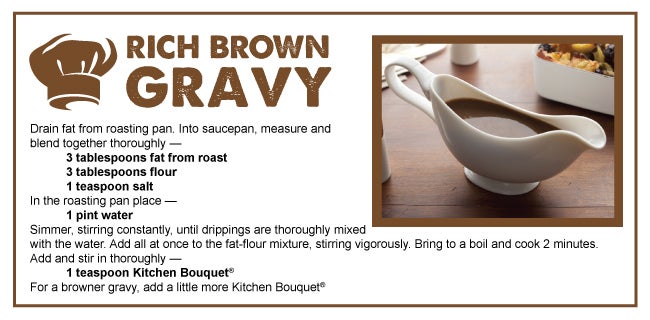
Image Source: www.thecloroxcompany.com
Achieving the Perfect Brown Gravy Color
Gravy is more than just a sauce; it’s a centerpiece of many comforting meals. A key element that elevates gravy from ordinary to extraordinary is its visual appeal – that deep, inviting brown hue that signifies rich flavor. While natural browning from pan drippings is essential, sometimes it’s not enough to achieve the desired depth of color, especially when dealing with leaner meats or less intensive searing. This is where Kitchen Bouquet, a time-honored gravy browning liquid, comes into play. It’s a simple yet incredibly effective tool for home cooks aiming for that perfect brown gravy color.
The Role of Kitchen Bouquet in Gravy
Kitchen Bouquet is a liquid condiment made from caramelized vegetables, herbs, and spices. Its primary function is to impart a rich, brown color to foods, particularly gravies, stews, and sauces. It’s not intended to add a strong flavor profile, though it can subtly enhance the overall savory notes of a dish. Its effectiveness lies in its concentrated nature, meaning a little goes a long way.
The goal of using Kitchen Bouquet is to replicate the beautiful brown color naturally achieved from searing meats and deglazing pans. However, factors like oven temperatures, cooking times, and the type of meat can influence how much browning occurs. Kitchen Bouquet provides a reliable way to ensure your gravy always looks as good as it tastes.
Why Visual Appeal Matters for Gravy
Consider the sensory experience of eating. We eat with our eyes first. A pale, unappetizing gravy can detract from even the most perfectly cooked roast. Conversely, a glossy, deep brown gravy signals richness, flavor, and care in preparation. It completes the visual presentation of dishes like roast chicken, turkey, beef pot roast, and mashed potatoes. Kitchen Bouquet is your secret weapon for achieving this crucial visual element consistently.
Fathoming Kitchen Bouquet Dosage for Gravy
Figuring out the right Kitchen Bouquet gravy amount can feel like a balancing act. Too little, and your gravy might remain too pale. Too much, and you risk an artificial or slightly bitter taste, although this is less common with typical usage. The key is to start low and build up, observing the color change as you go.
Starting Points for Kitchen Bouquet Dosage
For a standard batch of gravy, typically made from about 2-4 cups of liquid (broth, drippings, water), a good initial Kitchen Bouquet dosage is between 2-3 drops. Yes, just drops! This concentrated liquid is powerful.
- Small Batch (1-2 cups liquid): Begin with 1-2 drops.
- Medium Batch (2-4 cups liquid): Start with 2-3 drops.
- Large Batch (4+ cups liquid): Begin with 3-5 drops.
It’s crucial to stir well after adding even a single drop to ensure even distribution and accurate color assessment.
Adjusting Gravy Color Gradually
The art of adjusting gravy color with Kitchen Bouquet is all about patience and observation. Once you’ve added your initial few drops and stirred, let the gravy sit for about 30 seconds to a minute. The color will deepen as the Kitchen Bouquet disperses fully.
Here’s a systematic approach:
- Add a Drop (or two): Start with the smallest increment.
- Stir Thoroughly: Ensure the liquid is completely mixed into the gravy.
- Wait and Observe: Allow the color to settle for a moment.
- Assess the Hue: Is it closer to your desired brown gravy color?
- Repeat if Necessary: If not dark enough, add another drop and repeat the process.
This iterative method prevents over-adding and allows you to pinpoint the exact amount that achieves your perfect shade.
Factors Influencing the Amount Needed
Several factors can influence how much Kitchen Bouquet you’ll ultimately need:
- Volume of Gravy: A larger volume of gravy naturally requires more browning agent to achieve the same intensity of color.
- Base Ingredients: Gravy made from dark, rich beef drippings will require less Kitchen Bouquet than gravy made from chicken drippings or purely broth.
- Other Coloring Agents: If you’ve used other ingredients that contribute to color (like a darker roux or certain spices), you might need less Kitchen Bouquet.
- Personal Preference: Ultimately, the “perfect” brown gravy color is subjective. Some prefer a lighter tan, while others aim for a deep, mahogany shade.
The Process of Adding Kitchen Bouquet to Gravy
Knowing when to add Kitchen Bouquet is as important as knowing how much. Incorporating it at the right stage ensures it blends seamlessly and contributes to the final color without any unintended consequences.
When to Add Kitchen Bouquet
The best time to add Kitchen Bouquet is towards the end of the gravy-making process, after you have achieved the desired consistency and flavor.
- After Thickening: Once your gravy has reached its intended thickness (usually with a flour or cornstarch slurry), and you’ve tasted and adjusted seasonings, it’s the ideal moment.
- Before Final Stir: Add your drops, stir thoroughly, and then give it a final taste and texture check.
Why this timing?
- Color Development: Adding it at the end allows you to see the full effect of the browning liquid on the finished product without it potentially darkening too much during the cooking and thickening process.
- Flavor Integrity: While Kitchen Bouquet has minimal flavor impact, adding it to already cooked and seasoned gravy ensures you’re not introducing any subtle changes to the foundational flavors before they’ve been established.
Incorporating Kitchen Bouquet for Meat Gravy
When making Kitchen Bouquet for meat gravy, especially from pan drippings, the process is straightforward.
- Degrease Drippings: Remove excess fat from the pan drippings.
- Sauté Aromatics (Optional): If using, cook onions, garlic, or herbs.
- Make a Roux (if applicable): Cook flour into the drippings to create a thickening base.
- Whisk in Liquid: Gradually add broth or other liquids, whisking constantly to prevent lumps.
- Simmer and Thicken: Let the gravy simmer until it reaches your desired consistency.
- Season and Adjust: Taste and add salt, pepper, or other seasonings.
- Add Kitchen Bouquet: Stir in 2-3 drops, then assess and add more if needed, drop by drop.
This method ensures that the natural browning from the meat is enhanced, not masked, by the Kitchen Bouquet.
Using Kitchen Bouquet for Dark Gravy Recipes
For those aiming for a truly dark gravy recipe, Kitchen Bouquet is indispensable. Recipes that call for a deep, rich brown color, like those served with pot roasts or rich stews, benefit greatly.
- Enhanced Depth: Kitchen Bouquet provides a depth of color that natural browning alone might not achieve, especially if the initial searing wasn’t as intense.
- Consistency: It guarantees that even if your pan drippings are a lighter shade, you can still achieve that signature dark gravy appearance.
- Flavor Neutrality: Unlike some other browning agents which can impart strong flavors (like soy sauce or Worcestershire sauce, which are sometimes used but can alter the gravy’s taste profile), Kitchen Bouquet primarily offers color.
Example for a Dark Gravy Base (4 cups liquid):
- Start with 3-4 drops of Kitchen Bouquet.
- Stir well.
- Observe the color.
- If a deeper shade is desired, add one more drop at a time, stirring and observing between each addition. You might end up using anywhere from 3 to 8 drops depending on the base and your preference for a very dark gravy.
Tips for Mastering Gravy Color with Kitchen Bouquet
Beyond the basic dosage, several nuanced tips can help you master the art of adjusting gravy color with Kitchen Bouquet, ensuring your gravy is always a visual and culinary delight.
Experimentation and Personalization
Don’t be afraid to experiment! What one person considers the perfect brown gravy color, another might find slightly too light or too dark.
- Keep a Gravy Journal: Note down the exact amounts of Kitchen Bouquet you use for different types of gravy (e.g., chicken, beef, turkey) and the results you achieve. This is a great way to build your personal Kitchen Bouquet gravy amount guide.
- Taste as You Go: Always taste your gravy after adding Kitchen Bouquet and any other seasonings. While the flavor impact is minimal, it’s good practice.
Troubleshooting Common Gravy Color Issues
- Gravy Too Pale: This is the most common issue Kitchen Bouquet solves. Simply add more drops, a drop at a time, until the desired color is reached.
- Gravy Too Dark (Rare): If you accidentally add too much, the color might be too intense. You can try diluting the gravy slightly with more broth or liquid, but this will also dilute the flavor and consistency, requiring re-thickening and re-seasoning. It’s always better to under-add and build up.
- Uneven Color: Ensure you are stirring thoroughly after each addition of Kitchen Bouquet. If you see streaks of color, stir more vigorously or let it sit for a minute to allow it to melodize.
Pairing Kitchen Bouquet with Other Flavor Enhancers
Kitchen Bouquet is a color enhancer, but it works in harmony with other ingredients that build flavor.
- Pan Drippings: The foundation of any good gravy. The browning and fond left in the pan after cooking meat contribute significantly to flavor and color.
- Aromatics: Onions, garlic, and herbs sautéed in the pan before deglazing add layers of flavor.
- Wines or Spirits: A splash of red wine or brandy deglazed into the pan can add complexity and a subtle color boost.
- Broth Quality: Using a good quality, flavorful broth or stock is crucial. Darker broths will naturally contribute to a richer gravy color.
- Worcestershire Sauce or Soy Sauce (Use Sparingly): While these can add color and umami, they also have distinct flavors. If using for color, add very small amounts and be mindful of the taste. Kitchen Bouquet is generally preferred when only color is the goal.
Understanding the Science Behind the Brown Hue
The captivating brown color in gravy is primarily due to the Maillard reaction and caramelization. Kitchen Bouquet leverages these principles in a concentrated form.
The Maillard Reaction and Gravy
The Maillard reaction is a complex chemical process that occurs between amino acids and reducing sugars when heated. It’s responsible for the browning of many cooked foods, including seared meats and baked bread. This reaction creates hundreds of different flavor compounds, contributing to the savory, roasted notes we associate with well-cooked food.
Caramelization’s Contribution
Caramelization is the browning of sugars when they are heated, even without the presence of amino acids. It contributes sweet, nutty, and slightly bitter flavors, adding depth and complexity to the color and taste of cooked foods.
How Kitchen Bouquet Mimics Natural Browning
Kitchen Bouquet’s ingredients, particularly caramelized vegetables, have already undergone these processes. When added to gravy, it essentially introduces pre-formed browning pigments and flavor precursors, effectively deepening the color without requiring extended cooking or intense searing that might not always be achievable.
Kitchen Bouquet for Different Types of Gravy
While the principles remain the same, the nuances of how much Kitchen Bouquet you use can vary slightly depending on the type of meat or base you’re working with.
Beef Gravy
Beef drippings tend to be darker and richer than chicken or turkey drippings, so you might need less Kitchen Bouquet for beef gravy. However, if you’re aiming for a very deep, almost mahogany color, a few extra drops can be beneficial.
- Starting Point for Beef Gravy: 2-3 drops for 2-3 cups of liquid.
- Target Color: Rich, deep brown.
Turkey Gravy
Turkey drippings are typically lighter in color. This makes Kitchen Bouquet particularly useful for turkey gravy, especially for holidays like Thanksgiving. It helps achieve that classic, appetizing appearance.
- Starting Point for Turkey Gravy: 3-4 drops for 2-3 cups of liquid.
- Target Color: A warm, golden-brown to medium brown.
Chicken Gravy
Similar to turkey gravy, chicken drippings can be lighter. Kitchen Bouquet ensures your chicken gravy has a satisfying visual appeal, complementing its often delicate flavor.
- Starting Point for Chicken Gravy: 2-3 drops for 2-3 cups of liquid.
- Target Color: Light to medium brown.
Pork Gravy
Pork drippings can vary in color, but Kitchen Bouquet is an excellent way to ensure a consistent, appealing brown hue, especially if the searing wasn’t exceptionally dark.
- Starting Point for Pork Gravy: 3-4 drops for 2-3 cups of liquid.
- Target Color: Medium to rich brown.
Kitchen Bouquet for Meat Gravy: Beyond Color
While its primary role is color, Kitchen Bouquet can subtly contribute to the overall savory profile of meat gravy. Its caramelized vegetable base adds a hint of complexity that can enhance the natural flavors derived from the meat drippings. Think of it as a finishing touch that rounds out the savory notes, making the gravy taste as robust as it looks.
Alternatives to Kitchen Bouquet for Gravy Browning
While Kitchen Bouquet is a popular and effective choice, other methods can achieve a similar browning effect. However, it’s important to note that many alternatives can also significantly alter the flavor profile of your gravy.
Other Gravy Browning Liquids and Methods
- Worcestershire Sauce: Adds umami and a darker color. Use very sparingly (start with a tiny dash) as it has a strong, distinct flavor that can easily overpower your gravy.
- Soy Sauce/Tamari: Excellent for color and umami, but also has a pronounced salty and savory flavor. Again, use in very small quantities.
- Balsamic Vinegar: A small amount can add depth of color and a touch of acidity and sweetness. Use cautiously as it can make the gravy taste vinegary.
- Marmite or Vegemite: These yeast extracts are potent umami bombs and will darken gravy considerably. Use a minuscule amount (a tiny scrape of a knife) as they have a very strong flavor.
- Dark Beer (Stout/Porter): Can add color and a malty depth of flavor. Best suited for beef or pork gravies.
- Dark Soy Sauce: Specifically formulated to be less salty and more for color than regular soy sauce.
- A Darker Roux: Forcing your roux to a darker brown stage (peanut butter to chocolate color) will naturally darken your gravy. However, this requires careful cooking to avoid burning the flour, and the roux itself imparts a toasty, nutty flavor.
Why Kitchen Bouquet Remains a Favorite
Kitchen Bouquet’s enduring popularity stems from its ability to provide color without significantly altering the intended flavor of the gravy. It’s a neutral color enhancer. When you want your roast beef gravy to taste like roast beef gravy, and your turkey gravy to taste like turkey gravy, Kitchen Bouquet allows you to achieve the perfect visual presentation without introducing competing flavors. This makes it a reliable choice for cooks who want control over both the appearance and the taste of their gravies.
Frequently Asked Questions About Kitchen Bouquet for Gravy
Here are some common questions home cooks have about using Kitchen Bouquet:
Q1: Can Kitchen Bouquet make my gravy taste bad?
A1: If used in excessive amounts, Kitchen Bouquet can impart a slightly bitter or metallic taste. The key is to start with just a few drops and add more gradually until you achieve your desired color. For most standard gravy recipes, the amount needed is so small that flavor alteration is negligible.
Q2: How long does Kitchen Bouquet last once opened?
A2: Kitchen Bouquet has a long shelf life. Once opened, store it in a cool, dark place like your pantry. It can typically last for several years without losing its potency or quality. Always check the expiration date on the bottle.
Q3: Can I use Kitchen Bouquet for other dishes besides gravy?
A3: Absolutely! Kitchen Bouquet is excellent for adding color to stews, soups, pot roasts, mashed potatoes, and even some baked goods like gingerbread for a richer hue. It’s a versatile browning agent for any dish where you want to enhance its brown color.
Q4: Does Kitchen Bouquet contain allergens?
A4: Kitchen Bouquet is generally free from common allergens like gluten, dairy, and nuts. However, it’s always a good practice to check the product label for the most current ingredient information, as formulations can sometimes change.
Q5: My gravy still looks pale after adding Kitchen Bouquet. What went wrong?
A5: This is usually due to not adding enough. Remember to stir thoroughly after each addition and allow the color to develop for a minute. If you’re making a very large batch or starting with very light drippings, you may need more than the initial few drops. Gradually add more, drop by drop, until you’re satisfied with the color.
Conclusion: The Power of the Perfect Brown
Achieving the perfect brown gravy color is a small detail that makes a significant impact on the overall dining experience. Kitchen Bouquet, used judiciously, is an invaluable tool for any home cook looking to elevate their gravies from good to spectacular. By starting with a minimal Kitchen Bouquet dosage – just a few drops – and gradually adjusting gravy color, you can consistently produce rich, inviting gravies that are as pleasing to the eye as they are to the palate. Whether you’re making a classic beef gravy, a holiday turkey gravy, or a simple chicken gravy, mastering the Kitchen Bouquet gravy amount will ensure your culinary creations always look their absolute best. So, next time you’re whipping up a batch, reach for that little bottle of Kitchen Bouquet and add that perfect finishing touch that transforms a meal.