
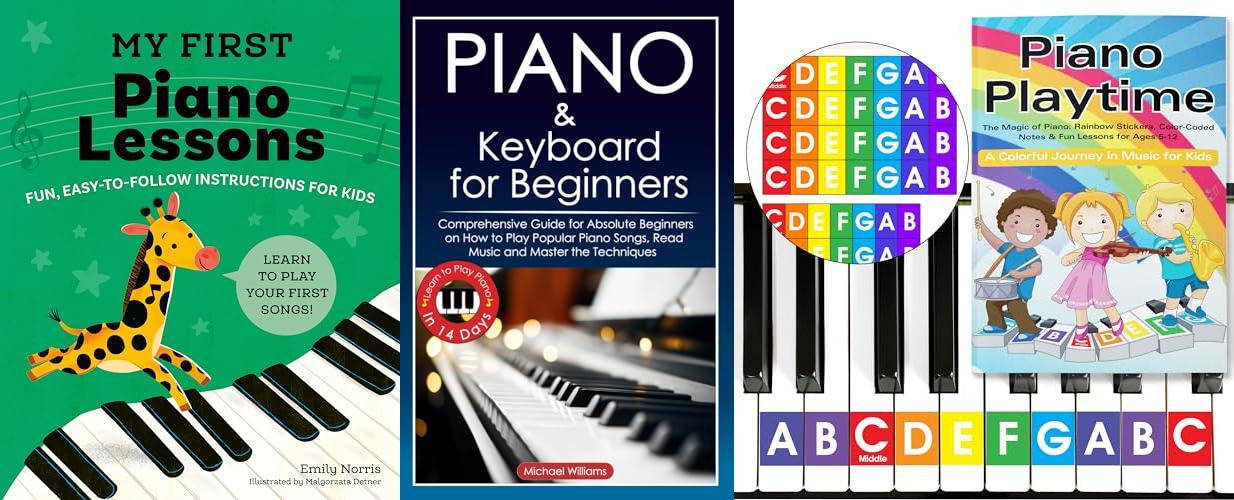
Imagine the joy of playing your favorite song, the melodies flowing from your fingertips. Learning the piano can unlock a world of musical expression and personal accomplishment. But where do you even begin? The sheer number of piano method books out there can feel overwhelming. You might wonder which ones are truly effective, if they’re designed for beginners, or if they’ll keep you motivated as you practice.
Choosing the right learning materials is like picking the perfect map for an adventure; it can make the journey smoother and more enjoyable. Without the right guide, you might get lost, feel discouraged, or waste time on methods that don’t suit your learning style. That’s why we’ve done the research for you.
In this post, we’ll explore some of the best books available to help you start your piano journey. We’ll look at what makes each one special, who it’s best for, and what you can expect to learn. Get ready to discover the perfect book to help you make beautiful music!
Our Top 5 Books To Learn The Piano Recommendations at a Glance
Top 5 Books To Learn The Piano Detailed Reviews
1. My First Piano Lessons: Fun

Rating: 8.8/10
My First Piano Lessons: Fun, Easy-to-Follow Instructions for Kids is a fantastic starting point for any child eager to explore the world of music. This book aims to make learning the piano an enjoyable and straightforward experience. It guides young learners through the basics, helping them build confidence and a love for playing. The instructions are designed to be simple, so kids can grasp concepts quickly.
What We Like:
- The instructions are super clear and easy for kids to understand.
- It makes learning the piano fun and engaging, not boring.
- Kids can start playing simple tunes pretty quickly.
- It builds a good foundation for future music learning.
What Could Be Improved:
- More colorful illustrations would make it even more visually appealing.
- A few more practice songs for different skill levels would be great.
- Perhaps a small section on basic music theory could be added.
Overall, this book is a wonderful resource for introducing children to the piano. It’s a perfect blend of fun and learning.
2. Piano and Keyboard for Beginners: Comprehensive Guide for Absolute Beginners on How to Play Popular Piano Songs

Rating: 9.0/10
Dreaming of playing your favorite songs on the piano or keyboard? This comprehensive guide, “Piano and Keyboard for Beginners: Comprehensive Guide for Absolute Beginners on How to Play Popular Piano Songs, Read Music and Master the Techniques … Piano in 14 Days. (Learn to Play Instruments),” is designed to make that dream a reality, even if you’ve never touched a key before. It promises to teach you the fundamentals, help you read music, and get you playing popular tunes in just two weeks.
What We Like:
- It’s made for absolute beginners, so no prior experience is needed.
- You’ll learn to play popular songs, which is super motivating.
- The guide focuses on mastering techniques, which builds a good foundation.
- The goal of playing in 14 days provides a clear and achievable target.
- It covers reading music, a crucial skill for any musician.
What Could Be Improved:
- The “N/A” for features makes it hard to know exactly what’s included beyond the title’s promise.
- More specific examples of popular songs would be helpful.
- Visual aids or links to videos would enhance the learning experience.
This guide offers a clear path for anyone wanting to start their musical journey. It aims to make learning the piano accessible and fun.
3. QMG Rainbow Color Piano and Keyboard Sticker and Kids Piano Learning Book Easy to Follow Instructions for Kids

Rating: 9.0/10
Unlock your child’s musical potential with the QMG Rainbow Color Piano and Keyboard Sticker and Kids Piano Learning Book. This all-in-one package is designed to make learning the piano fun and accessible for young beginners. It combines colorful visual aids with clear, step-by-step instructions and engaging multimedia resources.
What We Like:
- The vibrant rainbow-colored piano stickers are a fantastic visual aid. Each note gets a unique color, making it super easy for kids to identify and remember them.
- Piano theory is explained in a way that’s easy for children to grasp. No confusing jargon here!
- The book features a progressive difficulty system. Songs start simple and gradually get a little harder, helping kids build skills and confidence without feeling overwhelmed.
- QR codes link directly to videos for each song. This is a game-changer! Kids can watch and learn exactly how to play, making practice more interactive and effective.
- Kids naturally love bright rainbow colors, and this feature makes learning feel like a game, not a chore.
What Could Be Improved:
- While the stickers are helpful, some parents might prefer a more traditional approach to note learning initially.
- The book assumes a certain level of engagement with the QR code videos. For children who are less tech-savvy, this might present a small hurdle.
This QMG learning set is an excellent starting point for any child eager to learn the piano. It effectively blends visual learning with practical application, setting a strong foundation for future musical exploration.
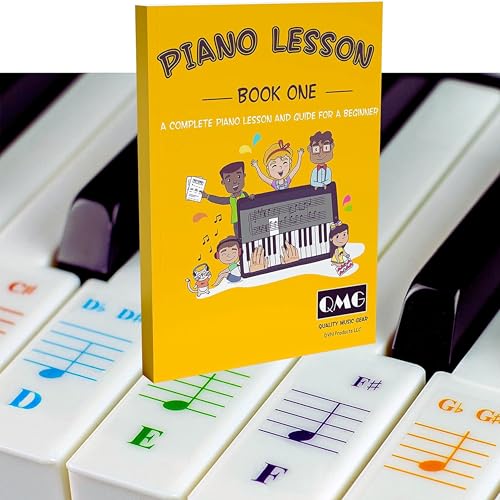
4. Color Piano and Keyboard Stickers and Complete Color Note Piano Music Lesson and Guide Book for Kids and Beginners; Designed and Printed in USA
Rating: 9.3/10
Unlock your musical potential with this all-in-one Color Piano and Keyboard Stickers and Lesson Book set! Designed for kids and beginners, this kit makes learning the piano fun and accessible. It’s proudly designed and printed right here in the USA, ensuring quality and supporting local production.
What We Like:
- The 52-page lesson book is packed with 28 exercises that get harder as you go. It also includes 11 popular kids’ songs to practice with.
- The book teaches you how to play correctly and how to read music, like staves and note durations.
- Both the book and the stickers use the same bright colors to match notes, which helps you learn and remember them super fast. This is a game-changer for visual learners.
- The stickers are made from strong, clear vinyl. The ink won’t fade, and the sticky stuff won’t hurt your keyboard.
- The letters on the stickers are just the right size, so they help you without getting in your way.
- Putting the stickers on is simple with the guide and tool provided. They fit on most keyboards.
- You can easily take the stickers off later without any sticky mess left behind.
- It’s great that this product is made right here in the USA.
What Could Be Improved:
- While the guide is helpful, some younger beginners might need a little extra help from an adult to understand all the music reading terms.
- The set is designed for beginners, so more advanced players won’t find the lesson content challenging enough.
This comprehensive set is an excellent starting point for anyone eager to learn piano. It combines clear instruction with visual aids to make the learning journey enjoyable and effective.
5. How to Play Piano for Beginners Kids: A Definitive And Complete Piano Book For Learning To Play

Rating: 9.1/10
Embarking on the musical journey of learning the piano is exciting, and the “How to Play Piano for Beginners Kids: A Definitive And Complete Piano Book For Learning To Play” aims to be your child’s trusty guide. This book is designed to introduce young musicians to the fundamentals of piano playing in a clear and engaging way. It covers everything a beginner needs to get started, from understanding the keyboard to playing their first simple songs. The lessons are broken down into manageable steps, making the learning process less intimidating and more enjoyable for kids.
What We Like:
- The book presents concepts in a kid-friendly manner, using simple language and clear illustrations.
- It offers a structured curriculum that builds skills progressively, so children can see their own improvement.
- The content covers essential beginner topics, providing a solid foundation for future musical development.
- It encourages hands-on practice, which is crucial for mastering any instrument.
What Could Be Improved:
- More interactive elements, like online video tutorials or accompanying audio tracks, would enhance the learning experience.
- A wider variety of song choices, perhaps including more popular children’s tunes, could boost engagement.
- The book could benefit from more visual aids that explain musical notation in a more dynamic way.
This piano book provides a solid starting point for young aspiring pianists. It equips them with the basic knowledge and skills to begin their musical adventure.
Choosing the Right Books to Learn Piano
Learning to play the piano is a rewarding journey. The right books can make this adventure smooth and enjoyable. This guide will help you pick the best piano learning books for your needs.
Key Features to Look For
When you are looking for piano books, some features are very important.
- Clear Instructions: The book should explain things simply. You want to understand the notes, rhythms, and how to play chords easily. Good books use easy-to-understand language.
- Step-by-Step Progression: The lessons should build on each other. You start with the basics and move to harder things slowly. This helps you learn without feeling overwhelmed.
- Musical Examples: Books should have songs and exercises. These examples show you what you are learning. They should be fun to play.
- Visual Aids: Pictures and diagrams are super helpful. They can show you hand positions or how the keys are laid out.
- Progress Tracking: Some books have sections where you can check your progress. This makes you feel good about how far you have come.
Important Materials
The materials used in piano books matter.
- Paper Quality: You want paper that is not too thin. Thin paper can tear easily. It should also not be too glossy, as this can cause glare.
- Binding: A book that lies flat is best. This makes it easy to read while you play. Spiral-bound books are often good for this. Sturdy binding keeps the book from falling apart.
- Print Size: The notes and words should be large enough to read without squinting. Small print can be hard on your eyes, especially when you are focusing on playing.
Factors That Improve or Reduce Quality
Certain things make a piano book great, while others can make it less helpful.
- Improved Quality:
- Reputable Authors/Publishers: Books from well-known piano teachers or music publishers are usually reliable. They have experience creating good learning materials.
- Positive Reviews: Check what other learners say. Many good reviews mean the book works for many people.
- Companion Resources: Some books come with online videos or audio tracks. These can be very helpful to hear how the music should sound.
- Reduced Quality:
- Too Much Information at Once: If a book tries to teach too many complex ideas too soon, it can be confusing.
- Outdated Methods: Music teaching methods change. Older books might not use the most effective ways to teach.
- Poorly Organized Content: If lessons jump around or are hard to follow, the book’s quality goes down.
User Experience and Use Cases
Who uses these books and how do they use them?
- Beginners: These books are perfect for people who have never touched a piano before. They start with the absolute basics, like finger numbers and note names.
- Children: Many piano books are made specifically for kids. They often use colorful pictures and simple songs to keep young learners engaged.
- Adult Learners: Adults can also benefit from beginner books. Some books are geared towards adult learners, with more mature song choices.
- Self-Taught Musicians: If you are learning on your own, a good book is your main teacher. You will rely on it for all your instruction.
- Students with Teachers: Even if you have a piano teacher, these books can be used as practice material or to reinforce what you learn in lessons.
Frequently Asked Questions About Piano Learning Books
Q: What are the main Key Features to look for in piano books?
A: You should look for clear instructions, a step-by-step learning path, musical examples, visual aids like pictures, and ways to track your progress.
Q: What kind of materials make a piano book good?
A: Good materials include good quality paper that is not too thin, and a binding that allows the book to lay flat while you play. The print should also be easy to read.
Q: How can I tell if a piano book is high quality?
A: High quality books often come from well-known authors or publishers. They also usually have many positive reviews from other users. Books with helpful extra resources like videos are also good.
Q: What makes a piano book less helpful?
A: Books that give too much information at once, use old teaching methods, or are poorly organized can be less helpful. Small print or flimsy paper also reduce quality.
Q: Who are piano learning books for?
A: Piano learning books are for anyone who wants to learn piano. This includes absolute beginners, children, adult learners, and people who teach themselves or have a teacher.
Q: Can I learn piano just by using books?
A: Yes, many people successfully teach themselves to play piano using only books, especially with good quality, step-by-step guides. However, a teacher can offer personalized feedback.
Q: Should I get a book with songs I know?
A: It is very helpful to have songs you enjoy in your learning book. This makes practice more fun and keeps you motivated.
Q: What is the difference between books for kids and books for adults?
A: Books for kids often have bright colors, characters, and very simple songs. Books for adults might have more complex music theory or popular songs that adults enjoy.
Q: Do I need a book that lies flat?
A: Yes, a book that lies flat is very important. It lets you see the music clearly while keeping your hands free to play the piano.
Q: How many books do I need to learn piano?
A: Most beginners only need one main method book to start. As you progress, you might want to get additional books for specific songs or more advanced techniques.
In conclusion, every product has unique features and benefits. We hope this review helps you decide if it meets your needs. An informed choice ensures the best experience.
If you have any questions or feedback, please share them in the comments. Your input helps everyone. Thank you for reading.