
The standard upper kitchen cabinet depth is typically 12 inches. This common dimension, along with other standard kitchen cabinet sizes, ensures usability and accessibility for most kitchen tasks.
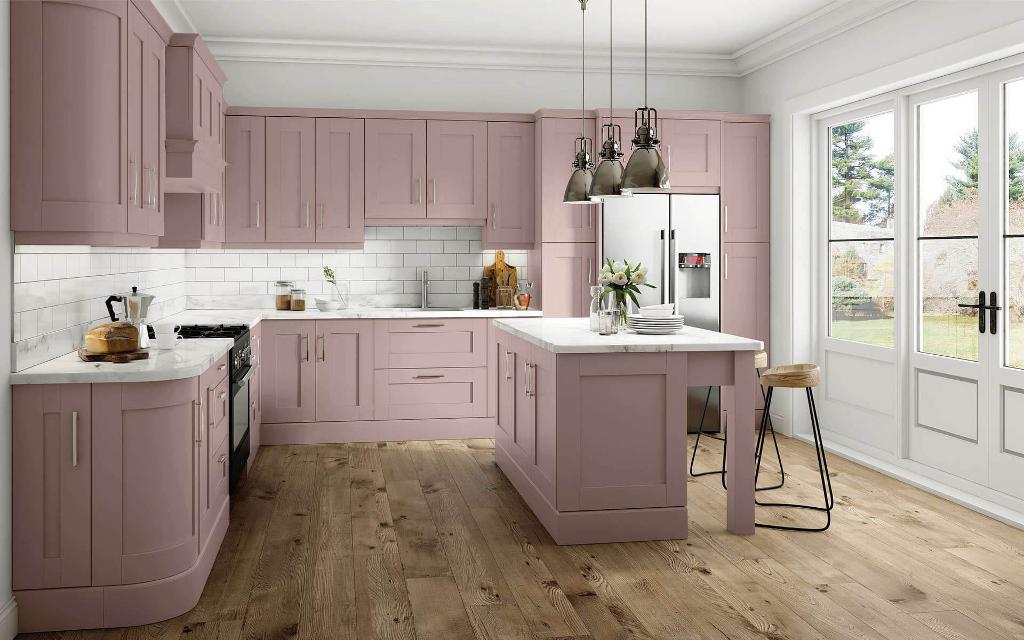
Image Source: www.betterkitchens.co.uk
Deciphering the Depths: What Defines Upper Kitchen Cabinet Depth?
When planning your kitchen renovation or even just thinking about your current setup, one of the most crucial, yet often overlooked, kitchen cabinet measurements is the upper kitchen cabinet depth. This seemingly simple dimension plays a significant role in both the functionality and the overall aesthetic of your kitchen. So, how deep is an upper kitchen cabinet, really? The short answer is that the standard upper cabinet depth is generally 12 inches. However, as with many things in home design, there’s a bit more nuance to explore.
The wall cabinet depth isn’t just about fitting things inside; it impacts how easily you can reach items stored at the back, the amount of counter space you have below, and even the perceived spaciousness of your kitchen. Understanding the various kitchen cabinet specifications and their implications is key to creating a kitchen that is both beautiful and practical. We’ll dive deep into why 12 inches is the prevailing common kitchen cabinet depth for uppers and explore situations where you might see different dimensions.
The Familiar 12-Inch Standard: Why It Works
The prevalence of the 12-inch wall cabinet depth for upper cabinets isn’t an accident. It’s a carefully considered dimension that balances several important factors:
- Accessibility: A 12-inch depth allows most individuals, regardless of their height, to reach items stored in the back of the cabinet without excessive stretching or the need for a step stool for everyday items. This makes retrieving pots, pans, dishes, and pantry staples much easier.
- Storage Capacity: While not as deep as base cabinets, 12 inches offers a good amount of storage space for a wide variety of kitchen items. It’s deep enough to hold most standard dinner plates, bowls, glasses, and smaller appliances like toasters or blenders.
- Countertop Clearance: Crucially, the 12-inch kitchen cabinet depth ensures adequate clearance between the bottom of the upper cabinet and the countertop below. This space is vital for preparing food, using small appliances, and generally working in the kitchen without feeling cramped. The standard countertop depth is usually 24 inches, and the 12-inch upper cabinet depth leaves a comfortable working area.
- Ergonomics and Aesthetics: The 12-inch depth contributes to a balanced kitchen design. It doesn’t protrude too far from the wall, which could make the kitchen feel smaller or obstruct movement. This depth also aligns with the typical depth of base cabinets, creating a visually harmonious look.
- Standardization and Cost: As a widely adopted standard kitchen cabinet size, 12-inch deep uppers are easier and more cost-effective for manufacturers to produce. This translates to more readily available options and potentially lower prices for consumers.
Beyond the Standard: Variations in Upper Cabinet Depth
While 12 inches is the go-to measurement, there are instances where upper kitchen cabinet dimensions might deviate. These variations are usually driven by specific design needs, storage requirements, or aesthetic choices.
Shallower Depths: Maximizing Counter Space and Visual Lightness
Sometimes, you might encounter upper cabinets that are shallower than the standard 12 inches. Common depths in this category might include:
- 8 to 10 inches: These shallower cabinets are often used for specific purposes or in situations where space is at a premium.
- Display Cabinets: For showcasing decorative items, glassware, or cookbooks, shallower cabinets can be an excellent choice. They offer a less imposing visual presence.
- Above Appliances: In areas above microwaves or other built-in appliances, shallower cabinets can be necessary to avoid interfering with the appliance’s ventilation or operation.
- Creating a Sense of Space: In very small kitchens or galley kitchens, shallower upper cabinets can help the space feel larger and more open, as they don’t intrude as much into the room.
- Accessibility for Shorter Individuals: For those with shorter stature, slightly shallower cabinets might offer improved reachability.
Deeper Depths: Enhanced Storage and Specific Needs
On the other end of the spectrum, you might find upper cabinets that are deeper than 12 inches. These are less common for general storage but are used strategically:
- 15 to 18 inches: These deeper cabinets are often custom-made or used in specific scenarios.
- Over-the-Range Microwaves: While the cabinet box itself might adhere to standard dimensions, the overall depth including the microwave can vary.
- Specialty Storage: If you need to store larger items like platters, roasting pans, or specific types of cookware that don’t fit well in standard cabinets, a deeper upper cabinet might be considered. However, this must be balanced against the loss of counter space and potential ergonomic issues.
- Design Statements: In some modern or custom kitchen designs, deeper uppers might be used to create a bolder visual statement, though this is less common.
It’s important to note that as kitchen cabinet depth increases significantly beyond 12 inches, reachability and the usability of the back of the cabinet can become a concern. Many designers and homeowners opt for pull-out shelves or specialized organizers within deeper cabinets to mitigate this.
The Interplay: Upper Cabinet Depth and Countertop Space
The kitchen cabinet depth of your upper cabinets directly influences the amount of usable counter space you have below. Here’s how:
- Standard Setup (12-inch deep uppers): With standard 24-inch deep countertops, 12-inch deep upper cabinets leave a generous 12 inches of clear counter space. This is ideal for most kitchen activities.
- Shallower Uppers: Using 8 or 10-inch deep upper cabinets will increase your clear counter space to 14 or 16 inches, respectively. This can be beneficial for kitchens where counter prep is paramount.
- Deeper Uppers: If you opt for deeper upper cabinets, say 15 inches, you would reduce your usable counter space to 9 inches. This can make the space feel cramped and potentially unsafe for food preparation.
The placement of upper cabinets also matters. The typical distance from the countertop to the bottom of the upper cabinet is 18 inches. However, this can be adjusted slightly to accommodate specific needs or preferences, but deviating too much can impact both accessibility and functionality.
Factors Influencing Your Choice of Upper Cabinet Depth
When deciding on the upper kitchen cabinet dimensions for your project, consider these key factors:
- Kitchen Size and Layout: In smaller kitchens, shallower cabinets might be preferred to create a more open feel and maximize usable counter space. In larger kitchens, the standard 12-inch depth usually works well without making the space feel cluttered.
- Storage Needs: What do you plan to store in your upper cabinets? If you have many large or deep items, you might consider a few strategically placed deeper cabinets, but always weigh this against accessibility.
- Countertop Usage: How do you use your countertops? If you frequently prepare meals or use bulky appliances, maximizing clear counter space by choosing shallower upper cabinets might be beneficial.
- Aesthetics and Visual Impact: Shallower cabinets can appear less bulky and can make a kitchen feel more airy. Deeper cabinets can sometimes feel more substantial but can also make a kitchen seem smaller if not planned carefully.
- Ergonomics and Accessibility: Always think about who will be using the kitchen and their height. Ensuring items are within easy reach is a primary consideration for any well-designed kitchen.
- Budget and Availability: Standard 12-inch deep uppers are the most common and therefore often the most budget-friendly. Custom depths can increase costs and lead times.
A Table of Common Kitchen Cabinet Sizes for Uppers
To help visualize the different standard kitchen cabinet sizes, here’s a quick reference table focusing on depth:
| Cabinet Type | Common Depth (inches) | Primary Considerations |
|---|---|---|
| Standard Upper | 12 | Balanced storage, good counter clearance, general accessibility, most common. |
| Shallow Upper | 8-10 | Maximizes counter space, visually lighter, suitable for display or tight spaces, good for shorter individuals. |
| Deeper Upper | 15-18 (less common) | Increased storage for specific items, but can reduce counter space and impact accessibility. Often requires specialized organizers or pull-outs. |
The Importance of Accurate Kitchen Cabinet Measurements
When ordering cabinets or planning your kitchen, precision in your kitchen cabinet measurements is paramount. Always double-check the depth, width, and height of any cabinets you are considering. Miscalculating the wall cabinet depth can lead to:
- Reduced Countertop Functionality: As discussed, deeper uppers can significantly limit your workspace.
- Accessibility Issues: Cabinets that are too deep can make it difficult to reach items at the back, rendering them less useful.
- Aesthetic Imbalances: Cabinets that protrude too far can disrupt the visual flow of the kitchen.
- Installation Problems: Incorrect measurements can lead to cabinets not fitting properly, requiring costly modifications.
When consulting with kitchen designers or cabinet suppliers, be clear about the standard upper cabinet depth you are aiming for or discuss any deviations you are considering. Providing precise kitchen cabinet specifications ensures you get exactly what you envision for your kitchen.
Conclusion: Navigating Your Upper Cabinet Depth Decisions
The question “How deep is an upper kitchen cabinet?” leads us to the widely accepted standard of 12 inches. This common kitchen cabinet depth is a well-established dimension that offers a practical balance of storage, accessibility, and countertop usability. However, the world of kitchen cabinet dimensions isn’t always rigid. Whether you’re looking to maximize counter space with shallower wall cabinets or need slightly more depth for specific storage needs, understanding the implications of different kitchen cabinet measurements is key.
By carefully considering your kitchen’s size, your storage requirements, how you use your countertops, and your aesthetic preferences, you can make informed decisions about the upper kitchen cabinet depth that will best serve your needs. Always prioritize functionality and accessibility, ensuring your kitchen is a joy to work in. Remember, the perfect depth is the one that makes your kitchen work for you.
Frequently Asked Questions (FAQ)
Q1: Is 12 inches the only standard depth for upper kitchen cabinets?
A1: While 12 inches is the most common standard upper cabinet depth, it’s not the only one. You can find shallower options (8-10 inches) and, less commonly, deeper ones (15-18 inches) for specific needs.
Q2: Can I use deeper upper cabinets than the standard 12 inches?
A2: Yes, you can, but it’s important to be aware that deeper cabinets will reduce your usable countertop space and can impact accessibility if they become too deep to reach the back easily. Many designers recommend pull-out shelves for deeper cabinets.
Q3: How much space should be between my upper cabinets and the countertop?
A3: The standard clearance between the countertop and the bottom of upper cabinets is typically 18 inches. This provides ample space for most kitchen tasks and appliance use.
Q4: Why are upper kitchen cabinets shallower than base cabinets?
A4: Upper cabinets are shallower primarily for ergonomic reasons. They need to be easily accessible without protruding too far into the kitchen and obstructing work areas. Base cabinets, on the other hand, are typically 24 inches deep to provide substantial storage and a stable foundation.
Q5: What are the advantages of shallower upper cabinets (e.g., 8-10 inches)?
A5: Shallower cabinets offer increased usable countertop space, can make a kitchen feel more open and spacious, and are often easier to reach into for people of shorter stature. They are also ideal for displaying items.
Q6: How do I determine the right upper kitchen cabinet depth for my kitchen?
A6: Consider your kitchen’s size, how you use your countertops, what you plan to store, and your desired aesthetic. Measuring your existing kitchen and visualizing the impact of different depths can also be very helpful. Consulting with a kitchen designer is also a good option.