
Can you place a sectional facing a fireplace? Yes, you can place a sectional facing a fireplace, but it’s important to consider the flow of the room and ensure it doesn’t block the view or create an awkward seating arrangement.
A sectional can be a game-changer for living room comfort and style. But, with their size and unique shapes, figuring out the perfect placement can feel like a puzzle. This guide will help you solve it, offering practical advice and inspiration for various sectional layout ideas. Whether you have a cozy nook or a sprawling space, we’ll explore how to arrange your sectional for maximum style and function, enhancing your overall living room furniture arrangement.
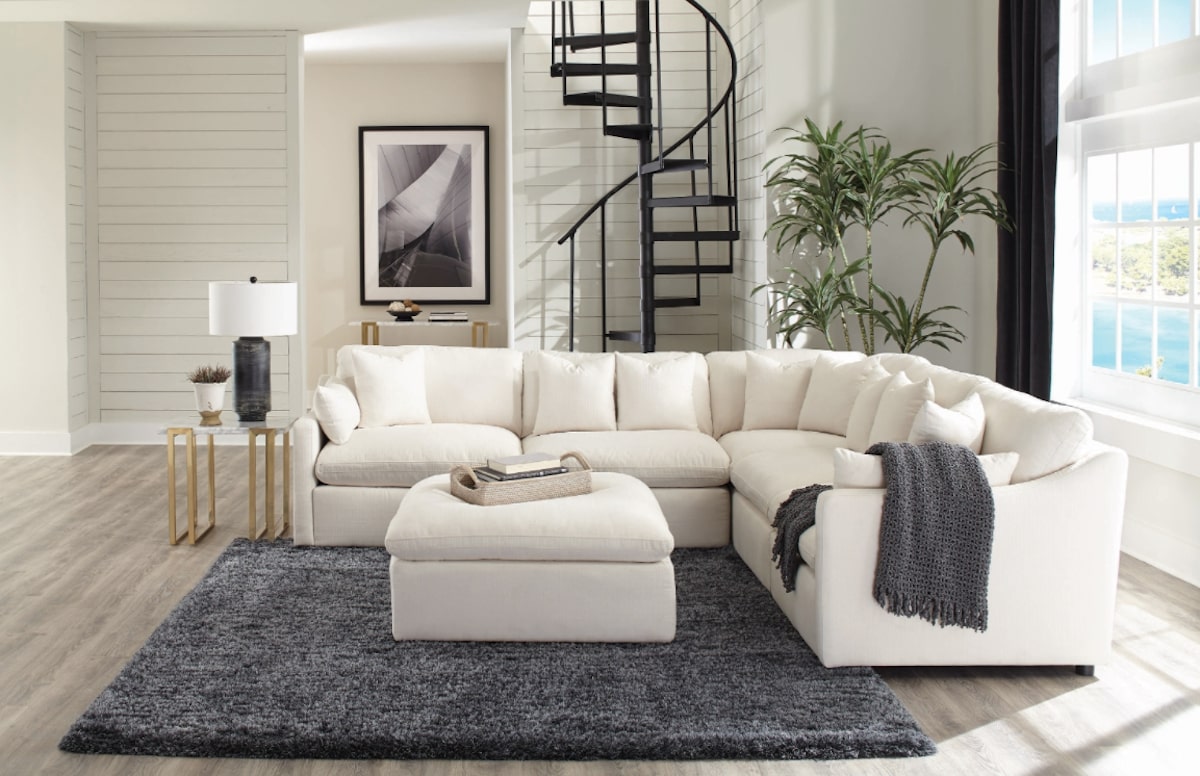
Image Source: www.coasterfurniture.com
Getting Started: The Essentials of Sectional Placement
Before you start pushing furniture around, a little preparation goes a long way. Proper planning ensures your sectional fits beautifully and serves your needs.
Measuring for a Sectional: The Crucial First Step
This is non-negotiable. Measuring for a sectional is the most important step to avoid costly mistakes. You need to know your room’s dimensions and your sectional’s dimensions.
What to Measure:
- Room Dimensions: Measure the length and width of your living room. Note the location and size of windows, doors, and any permanent features like fireplaces or built-in shelving.
- Wall Space: Measure the lengths of the walls where you anticipate placing the sectional. This will help determine if your chosen configuration will fit.
- Traffic Flow: Measure the space needed for walkways. You need at least 30-36 inches for comfortable passage around furniture.
- Sectional Dimensions: Get the exact measurements of each piece of your sectional. This includes the depth and height as well. If it’s a modular sofa arrangement, measure each module individually.
How to Measure:
- Use a reliable tape measure.
- Mark down all measurements carefully on paper or your phone.
- Consider marking out the sectional’s footprint on your floor using painter’s tape. This helps visualize the space it will occupy.
Assessing Your Room’s Focal Point
Every living room has a focal point – the main thing that draws your eye. This could be a fireplace, a large window with a view, a television, or even a piece of art. Your sectional should ideally be oriented towards this focal point.
- Fireplace: A classic focal point. Position your sectional to allow comfortable viewing and conversation around the hearth.
- Television: If TV watching is primary, ensure the sectional is placed at an optimal viewing distance and angle.
- Window/View: Maximize natural light and scenic beauty by placing seating to take advantage of the view.
- Artwork/Architectural Feature: Highlight unique elements by arranging furniture to draw attention to them.
Identifying Traffic Patterns
How do people move through your living room? You need to ensure easy passage from doorways to other rooms or areas. Avoid blocking main pathways with your sectional. This is a key aspect of good sofa placement tips.
Common Sectional Configurations and Their Placement
Sectionals come in various shapes, with the L-shaped and U-shaped being the most common. Each requires a slightly different approach to placement.
L-Shaped Sectional Positioning
L-shaped sectionals are versatile and can anchor a room or define a space. The “L” can face inwards or outwards, depending on your room.
1. Corner Placement: The Classic Setup
This is perhaps the most common and often the easiest way to place an L-shaped sectional. The longer piece runs along one wall, and the shorter piece tucks into the corner.
- Pros: Maximizes seating in a corner, can create a cozy, enclosed feel, great for defining a conversation area.
- Cons: Can make the room feel smaller if the sectional is too large, might block natural light if placed in front of a window.
- Tips:
- Ensure the corner piece (the chaise or the longer end) aligns well with the room’s dimensions.
- Leave enough space between the sectional and opposite walls for movement.
- Consider placing a coffee table in the “L” for easy access.
2. Floating in the Room: Defining Zones
For larger living rooms, an L-shaped sectional can be placed away from the walls, acting as a divider between different zones (e.g., separating a seating area from a dining area).
- Pros: Creates distinct zones, offers a more dynamic arrangement, good for open-plan living.
- Cons: Requires more space, can look awkward if not balanced properly.
- Tips:
- Use the back of the sectional as a visual room divider.
- Consider a console table behind the floating sectional to create a finished look and provide a surface for lamps or decor.
- Ensure there’s enough space to walk around the entire sectional.
3. Along Two Walls: Creating an Alcove
If your living room has an alcove or a natural nook formed by walls, an L-shaped sectional can fit perfectly, creating a defined and intimate seating area.
- Pros: Utilizes architectural features, creates a cozy and secluded feel.
- Cons: Can feel closed off if not balanced with other elements.
- Tips:
- Ensure the sectional doesn’t make the alcove feel too cramped.
- Add accent chairs or ottomans to fill out the space without overcrowding.
Corner Sectional Setup: Maximizing the Angle
A corner sectional setup specifically refers to an L-shaped sectional where the corner itself is a key element. The placement often revolves around how that corner piece interacts with the rest of the room.
- Facing the Focal Point: The most effective placement often has the corner of the sectional facing or leading towards the room’s primary focal point. This creates a natural flow for conversation and viewing.
- Balancing the “L”: If the “L” shape extends into the room, ensure the longer side and the shorter side feel balanced. Avoid having one side dominate the space or obstruct pathways.
U-Shaped Sectional Considerations
U-shaped sectionals offer abundant seating but require more space and careful consideration to avoid overwhelming the room.
1. Centering the U: For Spacious Rooms
In a large, open room, a U-shaped sectional can be placed in the center, with the open side facing a fireplace or TV. This creates a grand conversation pit effect.
- Pros: Creates a highly social and inclusive seating area, can be the dominant feature in a large room.
- Cons: Requires significant floor space, can make smaller rooms feel cramped, needs careful balance with other furniture.
- Tips:
- Leave ample space around the entire U-shape for easy circulation.
- Consider a large ottoman or coffee table to anchor the center.
- Use rugs to define the seating area further.
2. Against Walls: Creating an Enclosed Feel
A U-shaped sectional can also be placed against walls, effectively creating an enclosed seating nook. This works well in larger rooms where you want to define a specific functional area.
- Pros: Defines a clear seating zone, can make a large room feel more intimate.
- Cons: Can feel imposing if not scaled correctly for the room, may block light from windows behind it.
- Tips:
- Ensure there’s enough space between the back of the sectional and the wall for decorative items or easy cleaning.
- Use wall art or mirrors to balance the visual weight.
Advanced Sectional Layouts and Styling
Once you’ve got the basic placement down, it’s time to refine the look and functionality.
Creating Conversation Areas with Sectional
A sectional is inherently good at fostering conversation because it naturally brings people closer. The key is to arrange other seating and elements to enhance this.
- Opposite Seating: Place armchairs or a sofa opposite the longest part of your sectional to create a balanced conversation area.
- Coffee Table Placement: A coffee table should be within easy reach of most seats. For a sectional, a rectangular or oval table often works best, allowing for easy access to both arms of the “L.”
- Ottomans and Stools: Add versatile ottomans or stools that can be moved around for extra seating or used as footrests.
- End Tables: Place end tables next to the sectional arms for lamps, drinks, and decor.
Balancing a Large Sectional
Large sectionals can dominate a room, so it’s essential to balance a large sectional visually and functionally.
Visual Balance:
- Scale: Ensure other furniture pieces are appropriately scaled. Don’t pair a massive sectional with tiny accent chairs.
- Height: Use taller elements like floor lamps, tall plants, or wall art on the opposite wall to draw the eye upwards and create visual equilibrium.
- Color and Texture: Vary the colors and textures of your surrounding decor. A light-colored rug or lighter throw pillows on the sectional can help break up a dark, heavy piece.
- Negative Space: Don’t fill every corner. Allow for some breathing room around the sectional.
Functional Balance:
- Traffic Flow: Ensure the large sectional doesn’t impede movement.
- Focal Point: Orient the sectional towards a clear focal point. If the sectional itself becomes the focal point, ensure it’s well-proportioned.
Modular Sofa Arrangement: Flexibility is Key
A modular sofa arrangement offers incredible flexibility. You can reconfigure the pieces to suit different needs or room layouts.
- Experimentation: Don’t be afraid to try different configurations. You can create an L-shape one day and a longer sofa with a separate chaise the next.
- Creating Zones: Use modular pieces to define smaller seating areas within a larger room.
- Handling Corners: Modular sectionals often have specific corner pieces, making corner sectional setup very adaptable.
Sectional Wall Placement: Maximizing or Minimizing Impact
Placing a sectional against a wall is a common strategy, but how you do it matters.
Against a Long Wall:
- This is often ideal for anchoring the room.
- Position the sectional so the longest part of the “L” runs along the wall.
- Leave enough space on either side to avoid looking cramped.
Against Two Walls:
- This works well in corners or alcoves.
- Ensure the configuration fits snugly without feeling too tight.
Floating and Sectional Wall Placement:
- Even when floating, the sectional will have a “back” that acts like a wall. Consider how this impacts the room’s flow and what you place behind it. A console table, a bookshelf, or a large plant can soften the look.
Styling Your Sectional Area
Beyond placement, styling is crucial for a cohesive and inviting living room.
Rugs: The Foundation of Your Layout
A rug grounds your sectional and defines the seating area.
- Size: The front legs of your sectional (and any accompanying chairs) should rest on the rug. A common mistake is using a rug that’s too small.
- Shape: Rectangular rugs are standard. Oval rugs can soften the lines of a sectional.
- Placement: Ensure the rug doesn’t feel like a postage stamp in the middle of the room. It should extend significantly under the sectional.
Coffee Tables and Ottomans: The Central Hub
These pieces are functional and contribute to the overall aesthetic.
- Distance: Aim for about 14-18 inches between the sectional and the coffee table for easy access.
- Shape: Consider the shape of your sectional. A curved sectional might benefit from an oval or round coffee table, while a linear sectional can handle a rectangular one.
- Height: The coffee table should be roughly the same height as the sectional’s seat cushions, or slightly lower.
Accent Chairs and Side Tables: Completing the Arrangement
These elements add personality and functionality.
- Placement: Arrange accent chairs to face the sectional or at an angle to create multiple conversation points.
- Balance: If your sectional is quite large, accent chairs can help visually balance its weight.
- Side Tables: Place these next to sofa arms for lamps and convenience.
Lighting: Setting the Mood
Good lighting is essential for ambiance and function.
- Ambient Lighting: Overhead lights or floor lamps provide general illumination.
- Task Lighting: Table lamps next to seating are perfect for reading.
- Accent Lighting: Picture lights or uplighting can highlight artwork or architectural features.
Common Sectional Placement Mistakes to Avoid
Even with the best intentions, some placement errors can detract from your living room’s appeal.
Blocking Pathways
Never place furniture, especially a large sectional, in a way that obstructs natural traffic flow. This makes the room feel cramped and difficult to navigate.
Overcrowding the Room
A sectional, by its nature, takes up a significant amount of space. Don’t try to cram it into a room that’s too small, or add too much other furniture around it.
Ignoring the Focal Point
Placing a sectional without considering the room’s main focal point can lead to an awkward and unbalanced arrangement.
Forgetting About Scale
A sectional that’s too large or too small for the room will never look quite right. Always measure and consider the proportions.
Not Allowing for Conversation
While sectionals bring people together, a poor arrangement might still isolate individuals or make it hard for people to talk to each other comfortably.
Frequently Asked Questions (FAQ)
Q1: How much space do I need around a sectional?
You generally need about 30-36 inches of clear space around a sectional to allow for comfortable walking. This includes space between the sectional and walls, coffee tables, and other furniture.
Q2: Can a sectional block a fireplace?
Yes, a sectional can block a fireplace, and this is generally something to avoid. If the fireplace is your primary focal point, position the sectional so it doesn’t obstruct the view or access. If it must be near the fireplace, ensure there’s adequate clearance and it doesn’t dominate the hearth.
Q3: What is the best way to arrange an L-shaped sectional?
The best way often involves placing the corner of the “L” towards the room’s focal point (like a fireplace or TV) and ensuring the longer piece runs along a wall or is used to define a space. Experimentation is key to finding the perfect fit for your specific room.
Q4: How do I choose the right size sectional?
Measure your room carefully. Consider the traffic flow and the overall scale of your room. A large room can handle a larger sectional, while a smaller room might benefit from a more compact or modular option. Using painter’s tape on the floor to outline the sectional’s dimensions is a great way to visualize its footprint.
Q5: Can I place a sectional facing a window?
Yes, you can place a sectional facing a window, especially if it offers a beautiful view. Ensure it doesn’t block too much natural light or feel disconnected from the rest of the room. You might need additional seating opposite it to create a balanced seating area.
By following these guidelines and considering your unique space, you can transform your living room with a perfectly placed sectional that enhances both comfort and style. Happy arranging!