
Does your kitchen sink drain emit unpleasant odors? This common problem often stems from trapped food particles, grease, and bacteria. Fortunately, there are many effective ways to tackle sink drain smells quickly.
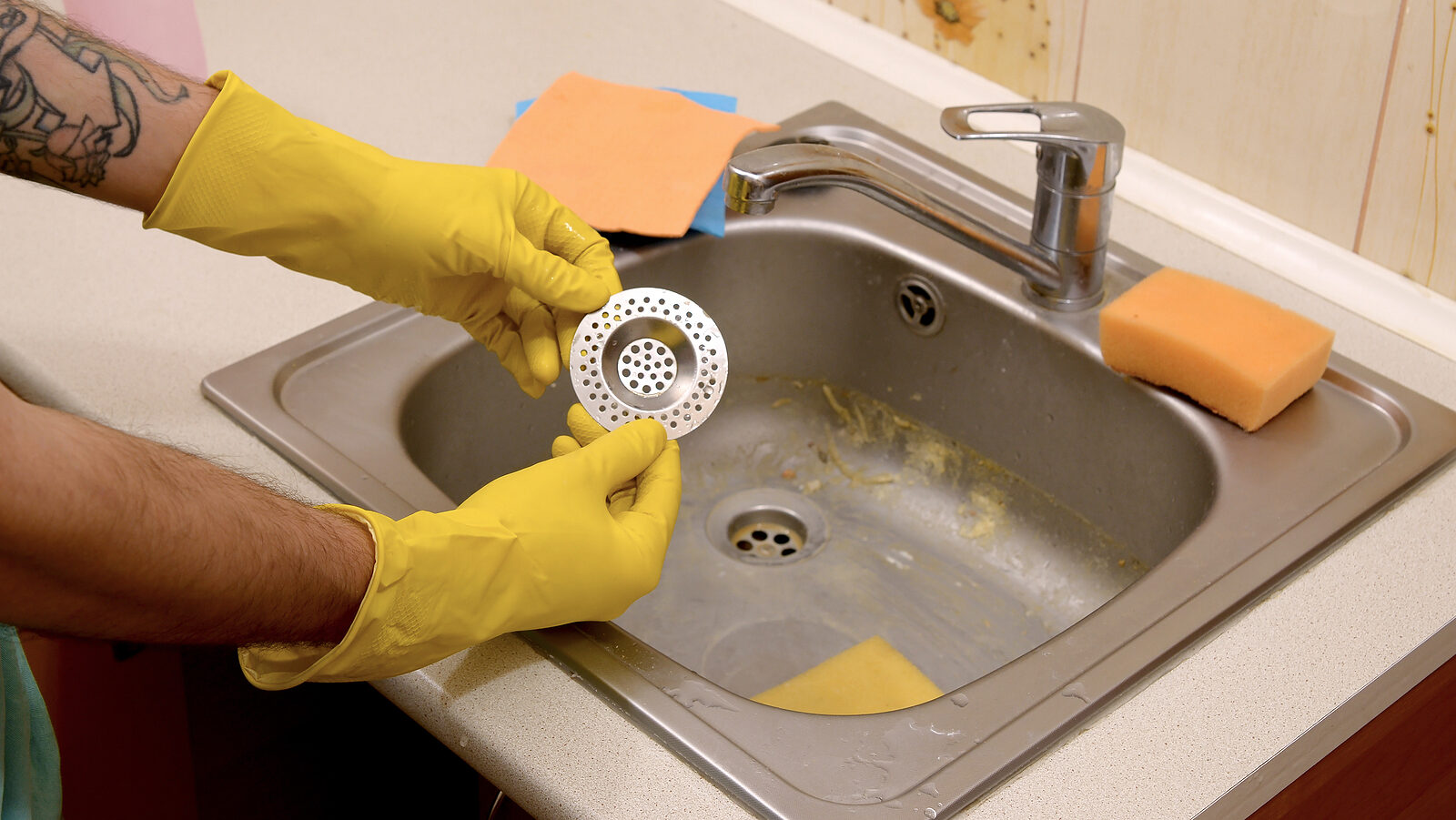
Image Source: blockbusters.co.uk
Tackling Sink Drain Odors: A Comprehensive Guide
The kitchen sink is a hub of activity, from washing dishes to rinsing produce. It’s also a prime spot for bad smells to develop. These unwelcome odors can range from mildly unpleasant to downright offensive, making your kitchen a less inviting space. This guide will delve into the various reasons why your sink might be smelling and, more importantly, how to achieve odor removal and a fresh smelling sink. We’ll explore a range of solutions, from simple natural remedies to more involved drain cleaning techniques, ensuring you can banish those bad smells for good.
Why Does My Kitchen Sink Drain Smell?
Deciphering the root cause of a smelly kitchen sink drain is the first step towards effective odor removal. The primary culprits are usually a combination of organic matter and the anaerobic bacteria that thrive in its presence.
Food Debris and Grease Buildup
- Trapped Food Particles: When you wash dishes, small bits of food – vegetable peels, coffee grounds, grains, and more – can get lodged in the pipes. Over time, these particles decompose.
- Grease and Oil: Cooking oils, fats, and grease are particularly problematic. When hot, they flow easily down the drain, but as they cool, they solidify and coat the inside of the pipes. This sticky residue acts like a magnet, attracting and holding onto other food particles.
- Soap Scum: While not as common a primary odor source as food and grease, soap scum can contribute to a buildup on pipe walls, trapping other smelly substances.
Bacterial Colonies and Sludge
As food particles and grease accumulate, they create an ideal environment for bacteria to multiply. These bacteria, particularly anaerobic bacteria (which thrive in oxygen-poor environments), break down the organic matter. This decomposition process releases gases, including hydrogen sulfide, which has that characteristic rotten egg smell. The slimy layer that forms on the inside of your pipes, often called drain sludge, is a visible indicator of this bacterial activity.
Dry P-Trap
The P-trap is the U-shaped pipe located beneath your sink. Its primary purpose is to hold a small amount of water, creating a barrier that prevents sewer gases from entering your kitchen. If the sink hasn’t been used for a while, or if there’s a slow leak, this water can evaporate. Without the water seal, the unpleasant gases from the sewer system can waft up into your kitchen, causing a foul odor.
Minor Drain Blockages
Even a partially clogged drain can trap water and debris, accelerating the decomposition process and leading to stronger smells. Addressing a minor blockage is often key to eliminating odors.
Quick Fixes for a Smelly Sink Drain
When you need immediate relief from unpleasant sink odors, several quick and easy methods can provide a sink deodorizer effect. These are great for a fast refresh or as a temporary solution while you address the underlying issue.
Boiling Water Flush
How it works: This is the simplest and often most effective immediate solution. The heat from boiling water can help melt away grease and loosen minor buildup, washing away some of the odor-causing substances.
Steps:
- Carefully boil a kettle or pot of water.
- Slowly pour the boiling water directly down the drain opening. Pour in stages to avoid splashing.
- Repeat this process 2-3 times.
When to use: Best for immediate odor relief and to address minor grease buildup.
Baking Soda and Vinegar Method
How it works: This classic natural remedy is a two-part process. Baking soda (sodium bicarbonate) is alkaline and abrasive, helping to scrub away grime. Vinegar (acetic acid) reacts with baking soda to create a fizzy, bubbling action that helps dislodge buildup and neutralize odors.
Steps:
- Pour about half a cup of baking soda down the drain.
- Follow with about half a cup of white vinegar.
- You’ll hear and see fizzing. Cover the drain opening with a stopper or cloth to keep the reaction contained within the pipes.
- Let it sit for 15-30 minutes.
- Flush the drain with hot or boiling water.
When to use: Excellent for tackling bad smells caused by minor buildup and as a regular sink maintenance practice.
Salt and Baking Soda
How it works: Salt acts as a mild abrasive and can help scrub the pipes, while baking soda provides the deodorizing and cleaning action.
Steps:
- Mix half a cup of baking soda with half a cup of salt.
- Pour the mixture down the drain.
- Let it sit for at least 30 minutes, or preferably overnight.
- Flush with hot water.
When to use: Another good natural remedy for regular sink maintenance and odor removal.
Lemon or Citrus Peels
How it works: Citrus peels contain natural oils that can help cut through grease and leave a pleasant scent. The acidity can also offer mild cleaning properties.
Steps:
- Take a few lemon, lime, or orange peels.
- Grind them up in a food processor or chop them finely.
- Flush them down the drain with plenty of hot water.
- Alternatively, you can boil the peels in water, let the water cool slightly, and then pour it down the drain.
When to use: Primarily for freshening the drain and as a light deodorizer.
Deeper Cleaning for Persistent Smells
If the quick fixes don’t resolve the issue, or if the smell is particularly strong and persistent, it’s time for more thorough kitchen drain cleaning. These methods aim to remove the accumulated gunk and sludge causing the persistent bad smells.
Using Dish Soap and Hot Water
How it works: Dish soap is designed to break down grease. A good dose of dish soap combined with hot water can help emulsify and flush away grease buildup more effectively than just hot water alone.
Steps:
- Pour about a quarter cup of liquid dish soap down the drain.
- Follow with a kettle of hot (not necessarily boiling) water.
- Let it sit for a few minutes.
- Flush with more hot water.
When to use: Effective for tackling grease buildup, especially if that’s the suspected cause of the bad smells.
The Plunger Method
How it works: A plunger creates suction and pressure, which can dislodge minor blockages and loosen accumulated sludge that’s contributing to the smell. This is a key step in drain unclogging.
Steps:
- Ensure there’s enough water in the sink to cover the bell of the plunger. If not, add some.
- Create a seal by placing the plunger firmly over the drain opening.
- Pump the plunger vigorously up and down for about 15-20 seconds.
- Pull the plunger away quickly to break the seal.
- Repeat the plunging action several times.
- Flush the drain with hot water to wash away any loosened debris.
When to use: Useful for minor blockages and to physically dislodge gunk contributing to sink odors.
Pouring Hot Water Followed by Baking Soda and Vinegar (More Concentrated)
How it works: Combining the power of heat with the baking soda and vinegar reaction in a more concentrated application can be very effective.
Steps:
- Start by flushing the drain with boiling water (as per the quick fix).
- Once the water has drained, pour 1 cup of baking soda down the drain.
- Follow immediately with 1 cup of white vinegar.
- Cover the drain tightly.
- Let it sit for at least an hour, or ideally overnight for maximum effectiveness.
- Flush thoroughly with more hot water.
When to use: For more stubborn odors and buildup. This is a powerful natural remedy for kitchen drain cleaning.
Enzyme Drain Cleaners
How it works: These products contain beneficial bacteria and enzymes that digest organic waste (food particles, grease, hair) without using harsh chemicals. They are a safer alternative to chemical drain cleaners and are excellent for ongoing sink maintenance.
Steps:
- Follow the product instructions carefully. Typically, you pour a measured amount down the drain, usually at night when the sink won’t be used.
- The enzymes work overnight to break down the waste.
- Flush with water in the morning.
When to use: Ideal for regular sink maintenance and for eliminating odors caused by organic buildup. They are also good for preventing future problems.
Commercial Drain Cleaners (Use with Caution)
How it works: Chemical drain cleaners contain strong chemicals (like lye or sulfuric acid) that dissolve organic matter and clogs. While effective, they can be harsh on pipes and the environment, and require careful handling.
Steps:
- Read and follow all instructions on the product label meticulously.
- Wear protective gloves and eyewear.
- Ensure good ventilation.
- Pour the recommended amount into the drain.
- Allow the required standing time.
- Flush thoroughly with cold water as directed. Never mix different chemical drain cleaners.
When to use: As a last resort for severe blockages and persistent bad smells that other methods haven’t solved. Use sparingly to protect your pipes.
Preventative Measures: Maintaining a Fresh Smelling Sink
The best way to deal with a smelly kitchen sink drain is to prevent the problem from occurring in the first place. Consistent sink maintenance is key to eliminating odors before they start.
What NOT to Put Down Your Kitchen Sink
Avoiding certain items is crucial for drain cleaning and preventing bad smells.
- Grease, Oils, and Fats: Always wipe greasy pans with a paper towel before washing them. Pour grease into a disposable container and throw it in the trash.
- Coffee Grounds: They don’t dissolve and can clump together, creating clogs.
- Eggshells: The white membrane can stick to pipes, and the shell fragments can cause blockages.
- Starchy Foods: Pasta, rice, and potato peels can expand with water and create sticky messes that clog drains.
- Fibrous Foods: Celery, corn husks, and asparagus peels are stringy and can wrap around pipe edges.
- Fruit Pits and Seeds: These are hard and don’t break down.
- Bones: Small bones can get lodged and create blockages.
- Harsh Chemicals: Avoid pouring bleach or strong cleaners down the drain regularly, as they can damage pipes and are not effective for organic buildup.
Regular Cleaning Habits
- Daily Flush with Hot Water: After washing dishes, give the drain a quick flush with hot water. This helps wash away any lingering food particles and grease.
- Weekly Baking Soda and Vinegar Treatment: Perform the baking soda and vinegar flush (described above) once a week or every other week. This is an excellent sink deodorizer and preventative measure.
- Use a Sink Strainer: A good quality sink strainer will catch food scraps before they enter the drain, making drain cleaning much easier. Empty the strainer regularly.
- Scrape Plates: Get into the habit of scraping all food scraps into the trash or compost bin before rinsing dishes.
Garbage Disposal Maintenance (If Applicable)
If you have a garbage disposal, it also requires regular attention to prevent bad smells.
- Run Cold Water: Always run cold water before, during, and for about 15-30 seconds after using the disposal. Cold water helps solidify grease so the disposal can chop it up and flush it away, preventing it from coating the pipes.
- Avoid Overloading: Don’t put large amounts of food down at once. Grind in small batches.
- Avoid Fibrous and Starchy Foods: These can still wrap around the disposal blades and cause issues.
- Clean Regularly:
- Ice Cubes: Grind a tray of ice cubes to help scrape down the disposal blades and wash away residue.
- Citrus Peels: Grind up citrus peels for a fresh scent.
- Baking Soda and Vinegar: Pour a cup of baking soda followed by a cup of vinegar into the disposal, let it sit for an hour, then flush with cold water.
Troubleshooting Persistent Smells
Sometimes, even with regular sink maintenance, persistent bad smells can arise. Here are a few additional troubleshooting steps.
Checking the P-Trap
- Locate the P-trap: It’s the U-shaped pipe under your sink.
- Check for Water: If you suspect it’s dry, run water in the sink for a minute or two to refill it.
- Manual Cleaning: If the smell persists and you suspect a blockage or significant buildup within the P-trap, you can carefully detach it. Place a bucket underneath to catch any water and debris. Clean it out with a brush and hot, soapy water. Reassemble it securely and test for leaks. This is a more advanced DIY task, and if you’re not comfortable, call a plumber.
Inspecting the Vent Pipe
Your plumbing system has vent pipes that allow sewer gases to escape safely through your roof. If a vent pipe becomes blocked (e.g., by leaves or debris), it can disrupt the P-trap’s water seal and cause sewer odors to back up into your home. This is less common but can happen. If you suspect this is the issue, you may need to have your vent pipes inspected and cleared by a professional.
When to Call a Professional Plumber
There are times when DIY methods are not enough, or when you suspect a more significant plumbing issue. You should consider calling a plumber if:
- The bad smells are accompanied by slow drains or complete blockages that you cannot clear.
- You’ve tried multiple natural remedies and drain cleaning techniques with no success.
- You suspect a problem with your main sewer line or vent system.
- You are uncomfortable performing any of the more involved sink maintenance tasks.
- The odor is accompanied by gurgling sounds from the drain, which could indicate venting issues.
Summarizing Effective Solutions
| Method | Primary Action | Best For |
|---|---|---|
| Boiling Water | Melts grease, loosens minor buildup | Quick relief, minor grease issues |
| Baking Soda & Vinegar | Fizzing action, neutralization, mild abrasion | General odor removal, minor buildup, regular maintenance |
| Salt & Baking Soda | Mild abrasion, deodorizing | Regular maintenance, odor freshening |
| Citrus Peels | Grease cutting, deodorizing, natural scent | Freshening the drain, light odor control |
| Dish Soap & Hot Water | Grease emulsification and flushing | Grease buildup, general cleaning |
| Plunger | Suction and pressure to dislodge | Minor blockages, physical removal of sludge |
| Enzyme Drain Cleaners | Digests organic waste | Regular maintenance, preventing clogs, eliminating organic odors, safe alternative |
| Commercial Drain Cleaners | Chemical breakdown of clogs and waste | Severe blockages, persistent odors (use with caution, as a last resort) |
| Garbage Disposal Maintenance | Scraping blades, flushing debris | Maintaining a clean and odor-free garbage disposal system |
Frequently Asked Questions About Sink Drain Odors
Q1: Can I use bleach to get rid of the smell?
While bleach can kill bacteria and temporarily mask odors, it’s not the best long-term solution for sink drain smells. It doesn’t effectively break down the grease and food sludge that cause the odors. Furthermore, bleach can be harsh on pipes and is not environmentally friendly. Natural remedies or enzyme cleaners are generally preferred for sink maintenance and odor removal.
Q2: How often should I clean my kitchen sink drain?
For optimal sink maintenance and odor removal, aim to do a baking soda and vinegar flush at least once a week or every other week. Regular use of a sink strainer and avoiding problematic items down the drain will also greatly reduce the need for more intensive kitchen drain cleaning.
Q3: My sink is draining slowly and smells bad. What should I do?
A slow drain combined with a bad smell indicates a blockage. Start with the baking soda and vinegar method, followed by a good flush of hot water. If that doesn’t work, try using a plunger to dislodge the blockage. If the problem persists, you may need to use an enzyme drain cleaner or, as a last resort, a commercial drain cleaner designed for clogs. If none of these work, it’s time to call a plumber for drain unclogging.
Q4: Is it normal for a kitchen sink drain to smell sometimes?
Yes, it’s quite common for kitchen sink drains to develop bad smells due to the nature of what goes down them. However, persistent or strong odors are usually a sign of accumulated buildup and require attention. Regular sink maintenance can prevent these issues and ensure a fresh smelling sink.
Q5: What’s the fastest way to get rid of a bad smell?
The fastest way to get immediate relief is typically a good flush with boiling water, especially if the smell is due to grease. For a slightly more robust immediate fix, the baking soda and vinegar method can also work quite quickly once flushed.
By understanding the causes of bad smells in your kitchen sink drain and employing these effective drain cleaning and sink maintenance strategies, you can ensure your kitchen always has a fresh smelling sink.