
What is the standard kitchen counter height? The standard kitchen counter height in most North American homes is 36 inches from the floor to the top of the counter. This measurement is a cornerstone for kitchen design, impacting everything from how you chop vegetables to how you entertain guests. But what if you’re not “standard”? This comprehensive guide will delve into kitchen counter heights, exploring the ideal measurements for your unique needs, the variations you might encounter, and how to create a kitchen that truly works for you.
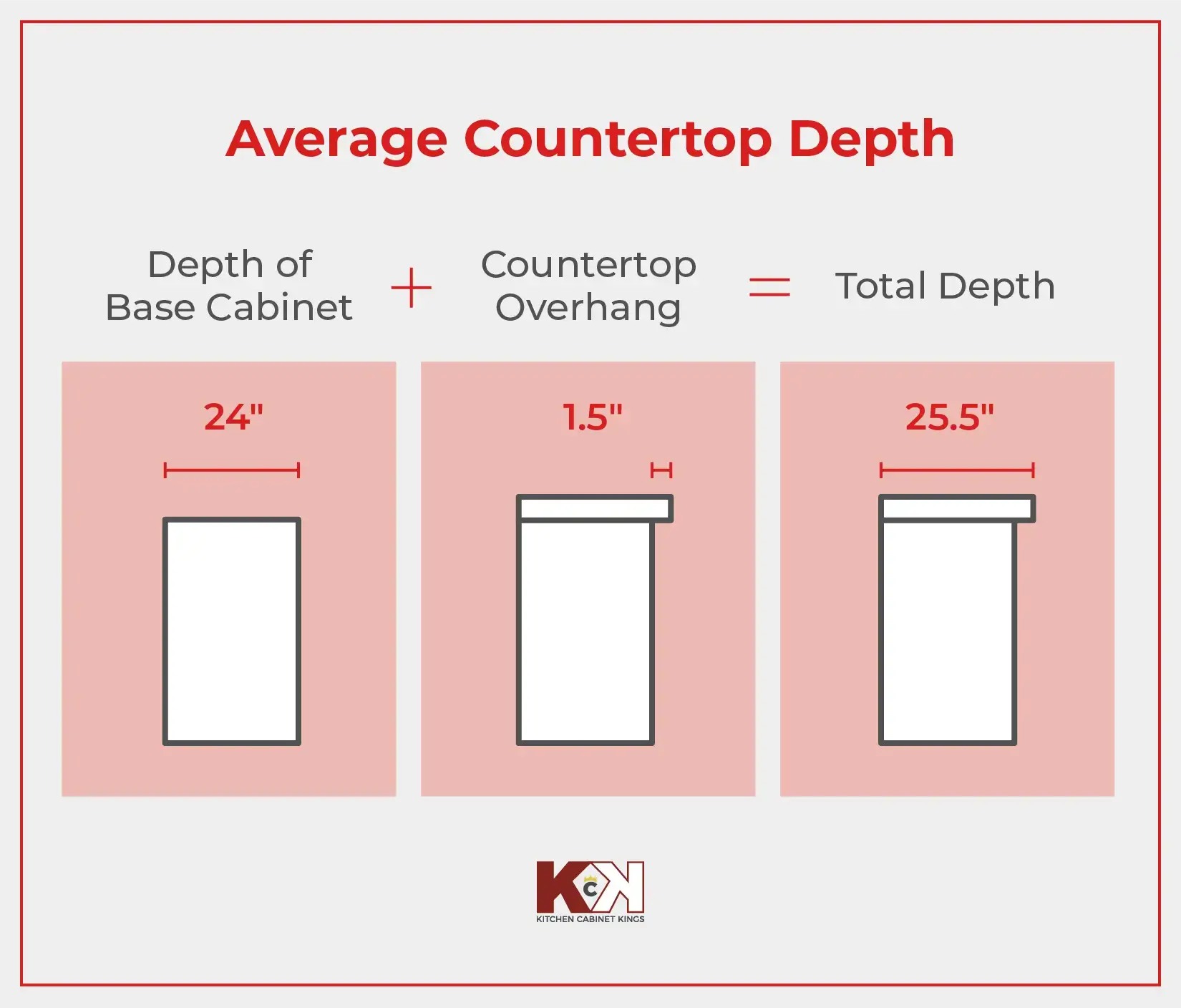
Image Source: cdn.kitchencabinetkings.com
The Foundation of Your Kitchen: Standard Countertop Height
The 36-inch standard kitchen counter height has become the norm for several good reasons. It’s a height that generally accommodates a wide range of people for common kitchen tasks.
Why 36 Inches?
- Ergonomics: This height allows many adults to stand comfortably and chop, mix, and prepare food without excessive bending or reaching. This is crucial for ergonomics kitchen counters, reducing strain and promoting a healthier cooking experience.
- Appliance Integration: Standard base cabinets, which support countertops, are typically 34.5 inches tall. Adding a standard 1.5-inch countertop brings the total to 36 inches, perfectly aligning with the height of most standard dishwashers and ranges.
- Generations of Design: This measurement has been the accepted standard for decades, meaning cabinetry, appliances, and even sink designs are predominantly manufactured with this height in mind.
Measuring Up: What’s Included in Counter Height Measurements?
When discussing counter height measurements, it’s important to be precise. The 36-inch figure typically refers to the kitchen work surface height, meaning the distance from the finished floor to the top surface of the countertop. This measurement includes:
- The height of the base cabinet.
- The thickness of the countertop material (granite, quartz, laminate, etc.).
- Any additional leveling or sub-top materials.
It’s also worth noting that the kitchen counter depth is also a significant factor in usability. While less standardized than height, a common kitchen counter depth is 24 inches. This depth provides ample workspace and accommodates standard base cabinets.
Beyond the Standard: Finding Your Optimal Kitchen Counter Height
While 36 inches is the go-to, it’s not the only option, nor is it always the optimal kitchen counter height for everyone. Your physical stature, specific tasks, and personal preferences play a vital role in determining the perfect height for your kitchen.
The Role of Body Size
- Height: Taller individuals might find a 36-inch counter a bit low, leading to stooping. Shorter individuals might find it too high, requiring them to reach uncomfortably.
- Arm Length: Even among people of similar height, variations in arm length can affect comfort.
- Mobility and Physical Limitations: For individuals with back issues, arthritis, or other mobility challenges, a slightly adjusted counter height can make a world of difference in their ability to use the kitchen independently and comfortably. A comfortable kitchen counter height is paramount for anyone.
Tailoring Height for Specific Tasks
Different kitchen activities benefit from different heights.
- Chopping and Prep Work: Many find a counter height that allows their elbows to be at a 90-degree angle while standing is ideal for chopping. This can sometimes be a few inches lower than the standard 36 inches.
- Baking: Kneading dough or rolling out pastry often benefits from a slightly lower surface.
- Washing Dishes: If you spend a lot of time at the sink, you might want your sink basin and surrounding counter to be at a height that minimizes bending.
Customizing Your Countertops: Options and Considerations
When renovating or building a new kitchen, you have the opportunity to customize your counter heights.
Adjusting Base Cabinets
Base cabinets are the foundation upon which your countertops rest. They come in standard heights, but custom options are available.
- Standard Base Cabinets: Typically 34.5 inches high.
- Custom Base Cabinets: Can be ordered in various heights, allowing you to achieve precise counter heights before adding the countertop material.
Countertop Thickness
The thickness of your chosen countertop material will add to the overall height.
- Laminate: Often 1.5 inches thick.
- Solid Surface (e.g., Corian): Typically 0.5 to 1.5 inches thick.
- Granite, Quartz, Marble: Commonly available in 2 cm (approx. 0.75 inches) or 3 cm (approx. 1.25 inches) thicknesses. Thicker slabs can be laminated or built up to achieve greater perceived thickness.
- Butcher Block: Can vary widely in thickness, from 1.5 inches to several inches.
The Impact of Sink Type
The type of sink you choose can also influence your effective kitchen work surface height.
- Undermount Sinks: Mounted below the countertop, they don’t add to the apparent height of the work surface.
- Drop-in (Top-mount) Sinks: The rim sits on top of the countertop, potentially adding a small amount of height or creating a slight lip.
- Farmhouse (Apron-front) Sinks: These have a distinctive front panel that extends down, and their installation can affect the height of the surrounding cabinetry and countertop.
The Variety of Kitchen Work Surfaces: Islands and Bars
Kitchen design often incorporates multiple levels and types of work surfaces to enhance functionality and visual appeal.
Kitchen Island Height: A Versatile Hub
The kitchen island height can vary significantly and serve multiple purposes.
- Standard Counter Height (36 inches): This is the most common height for kitchen islands, allowing them to function seamlessly as an extension of the main prep area. It’s also ideal for seating if the island has an overhang.
- Table Height (30 inches): Some islands are designed at a lower height, resembling a dining table, which can be more comfortable for casual dining or children’s activities.
- Bar Height (42 inches): Islands can also be raised to bar height kitchen counter levels, creating a distinct eating or socializing zone. This often involves a tiered design, with a lower prep area and a higher bar seating area.
When planning an island, consider the primary uses. If it’s mainly for prep and occasional seating, a standard height with an overhang is practical. If it’s intended as a primary dining spot, a lower height might be more inviting.
Bar Height Kitchen Counter and Seating
A bar height kitchen counter is typically around 40-42 inches from the floor. This height is perfect for casual dining, entertaining, and creating a convivial atmosphere.
- Seating: Bar stools designed for this height are essential. Ensure there’s enough knee clearance under the counter (typically 10-15 inches overhang).
- Functionality: A bar-height section can be a great addition to an island or as a separate counter against a wall, offering a different zone for quick meals or social interaction while cooking.
Ergonomics Kitchen Counters: Prioritizing Comfort and Health
Good ergonomics kitchen counters are not just about aesthetics; they are about creating a kitchen that supports your well-being.
The 90-Degree Elbow Rule
A widely cited ergonomic guideline suggests that the ideal counter height for prep work is one that allows your elbows to rest at a 90-degree angle when you stand at the counter.
- How to Measure: Stand naturally with your arms relaxed at your sides. Bend your elbows to a 90-degree angle. Measure the distance from the floor to your bent elbow. This measurement, minus about 2-4 inches for the thickness of your cutting board or work surface, gives you a good indication of your ideal prep counter height.
Lowering for Specific Tasks
- Kneading Dough: For tasks like kneading dough or working with pastry, a lower surface can be more beneficial. Some bakers prefer a counter that is 4-6 inches lower than their standard prep height.
- Sink Height: If you have a deep sink or experience back pain, consider a slightly higher counter around the sink area, or opt for a sink that is not too deep, to reduce bending.
Universal Design and Multi-Level Counters
For households with individuals of varying heights, or for those who want a more adaptable kitchen, multi-level counters are an excellent solution.
- Zones: Designate different zones within your kitchen with varying counter heights. For example, a standard 36-inch height for general prep, a 30-inch height for a baking station, and a 42-inch height for a breakfast bar.
- Accessibility: This approach aligns with universal design principles, making the kitchen more accessible and comfortable for a wider range of users, including children and individuals with disabilities.
Frequently Asked Questions About Kitchen Counter Height
Q1: What is the standard kitchen counter height for most homes?
A1: The standard kitchen counter height in most North American homes is 36 inches from the floor to the top of the counter.
Q2: Can I have different counter heights in my kitchen?
A2: Absolutely! Many modern kitchens feature multi-level counters to accommodate different tasks and users. This is a great way to improve ergonomics kitchen counters and create a more functional space.
Q3: How do I determine the optimal kitchen counter height for me?
A3: A good rule of thumb for prep work is to measure the distance from the floor to your bent elbow (at a 90-degree angle) and subtract 2-4 inches. Consider your height, arm length, and any physical limitations.
Q4: What is the standard kitchen counter depth?
A4: The most common kitchen counter depth is 24 inches, which accommodates standard base cabinets. However, deeper countertops are available for more workspace.
Q5: What is considered bar height kitchen counter?
A5: A bar height kitchen counter is typically around 40-42 inches high, designed for seating with bar stools.
Q6: Does countertop material affect the final height?
A6: Yes, the thickness of your chosen countertop material (e.g., granite, quartz, laminate) will add to the overall counter height measurements. Thicker materials will result in a higher finished counter.
Q7: How does kitchen island height differ from standard counter height?
A7: While islands can be built to the standard 36-inch height, they are also commonly designed at lower table heights (around 30 inches) or higher bar heights (around 42 inches) depending on their intended use.
Q8: Is there a recommended kitchen work surface height for people with back pain?
A8: For individuals with back pain, a slightly higher kitchen work surface height can reduce the need to bend excessively. Experimenting with a few inches above the standard 36 inches might offer more comfort.
Q9: What makes a kitchen counter height “comfortable”?
A9: A comfortable kitchen counter height allows you to perform tasks without straining your back, neck, or shoulders. This often means your elbows are at about a 90-degree angle when standing at the counter.
Q10: Are there guidelines for how much overhang I need for seating at a kitchen island?
A10: For standard counter height (36 inches), an overhang of 10-15 inches is usually sufficient for comfortable seating. For bar height (42 inches), a similar overhang is generally adequate.
Conclusion: Finding Your Perfect Fit
The standard kitchen counter height of 36 inches is a starting point, but it’s crucial to personalize your kitchen’s dimensions. By considering your height, the tasks you perform most often, and the principles of ergonomics kitchen counters, you can create a kitchen that is not only beautiful but also exceptionally functional and a joy to work in. Whether you opt for the reliable standard, embrace multi-level designs, or customize every inch, the goal is to achieve a comfortable kitchen counter height that supports your lifestyle. Remember to consider all counter height measurements, including the impact of base cabinets and countertop thickness, and don’t forget the crucial role of kitchen counter depth in creating a truly efficient workspace. Your kitchen should be a reflection of you, tailored to fit your needs perfectly.