
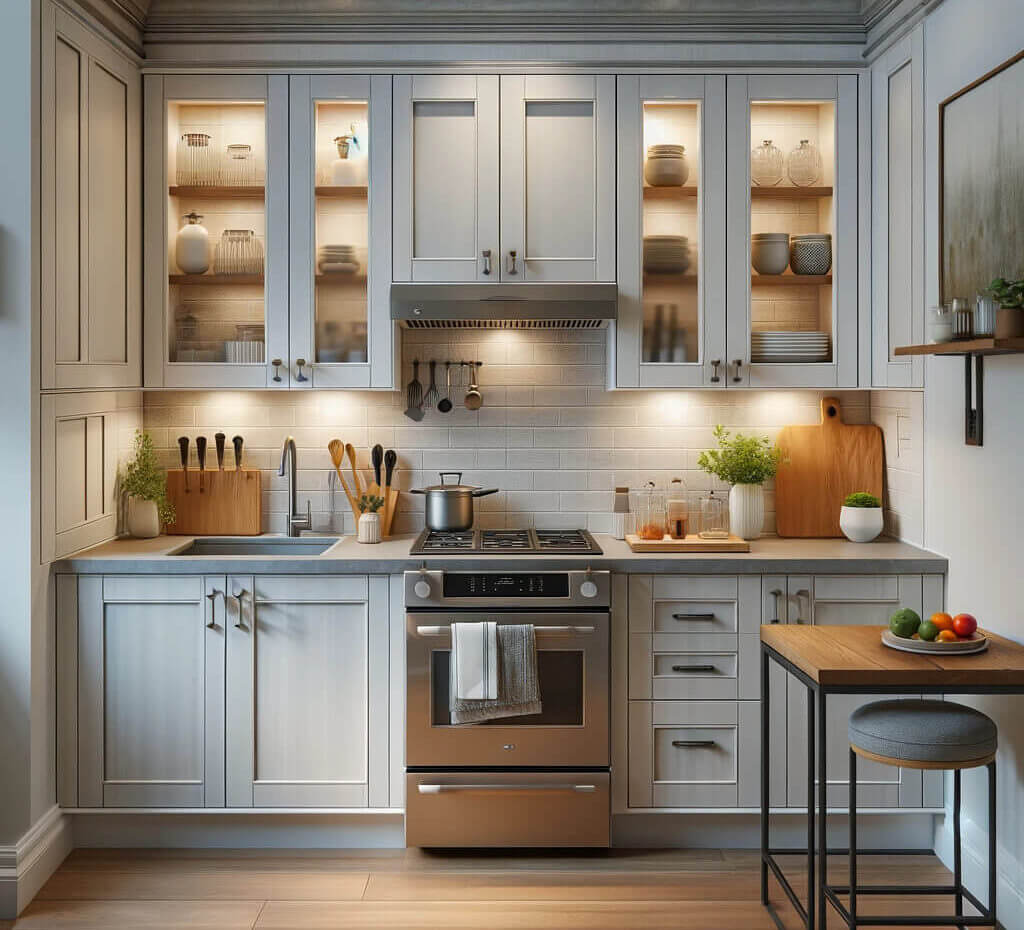
Image Source: modernize.com
Kitchen Cabinet Refacing: How Much Does It Cost To Reface Kitchen Cabinets?
Wondering about the cabinet refacing cost? Refacing your kitchen cabinets typically costs between $4,000 and $9,000, but this can vary significantly based on your cabinet size, the materials you choose, and whether you hire professionals or do it yourself.
Embarking on a kitchen renovation can feel overwhelming, especially when it comes to the cabinets. They are a focal point, shaping the entire aesthetic and functionality of your culinary space. Many homeowners face a dilemma: undertake a full cabinet replacement or opt for refacing. While a complete overhaul offers a blank slate, refacing presents a compelling alternative, offering significant aesthetic and functional improvements at a potentially lower price point. This comprehensive guide delves into the specifics of kitchen cabinet resurfacing price, helping you make an informed decision for your home.
Deciphering the Cabinet Refacing Process
Cabinet refacing is a smart way to give your kitchen a fresh new look without the expense and disruption of full cabinet replacement. Instead of ripping out your entire cabinet structure, refacing involves updating the visible surfaces of your existing cabinets. This typically means:
- Replacing cabinet doors and drawer fronts: This is where you see the biggest visual change. You can select from a wide array of styles, materials, and finishes to match your desired kitchen aesthetic.
- Applying new veneer or laminate to the cabinet boxes: The existing cabinet boxes (the parts attached to your walls) are covered with a thin layer of material that matches your new doors. This hides any old finishes, scratches, or imperfections, giving the entire cabinet a uniform, updated appearance.
- Adding new hardware: New knobs, pulls, and hinges complete the transformation, adding a final touch of style and functionality.
The beauty of cabinet refacing lies in its ability to breathe new life into tired-looking cabinets. It’s a less invasive process than replacement, meaning less mess, less dust, and often a quicker turnaround time.
Factors Influencing Cabinet Refacing Cost
Several key factors contribute to the overall cabinet refacing cost. Understanding these elements will help you budget effectively and make choices that align with your financial goals and design aspirations.
Cabinet Size and Quantity
The most straightforward factor influencing price is the size of your kitchen and the number of cabinets you have. A larger kitchen with more cabinet units naturally requires more materials and labor, thus increasing the total cabinet makeover cost.
- Number of Linear Feet: Professionals often quote prices based on the linear footage of your cabinets. The more linear feet you have, the higher the cost.
- Number of Doors and Drawers: Each door and drawer front is a separate component that needs to be replaced or refaced. More doors and drawers mean higher material and labor costs.
Material Choices
The materials you select for your new doors, drawer fronts, and cabinet box coverings play a significant role in the final cabinet refacing cost.
- Veneer: Wood veneer is a thin slice of real wood applied over the cabinet boxes. It offers the look and feel of solid wood at a lower price. The type of wood veneer (e.g., oak, maple, cherry) can affect the cost. Veneer kitchen cabinets cost can range from $3,000 to $7,000 for an average kitchen.
- Laminate: Laminate is a synthetic material made of layered paper or plastic bonded together. It’s durable, affordable, and available in a vast array of colors and patterns, including realistic wood grains. Laminate kitchen cabinets cost is generally lower than veneer, often falling between $2,500 and $6,000 for a standard kitchen.
- Thermafoil: This is a vinyl film heat-applied to an MDF (medium-density fiberboard) core. It’s a budget-friendly option known for its seamless finish and ease of cleaning.
- Solid Wood: While less common for full refacing (as it’s more typical for replacement), you might choose solid wood for new doors. This is the most expensive option but offers the highest quality and longevity.
Door and Drawer Front Styles
The style of your new cabinet doors and drawer fronts will also impact the cabinet door replacement cost.
- Shaker Style: This popular, clean-lined style is generally more affordable due to its simple construction.
- Raised Panel or Recessed Panel: These styles have more intricate designs and require more detailed craftsmanship, leading to higher costs.
- Mullion Doors: Doors with glass inserts and decorative framing are more expensive.
Hardware Selection
While often a smaller portion of the overall budget, new hardware (knobs, pulls, hinges) can add up.
- Material and Finish: Brass, stainless steel, or decorative finishes will cost more than basic chrome or nickel.
- Style: Elaborate or designer hardware will increase the cabinet front replacement cost.
Labor Costs and DIY vs. Professional Installation
The decision to DIY or hire professionals significantly impacts the average cost to reface kitchen cabinets.
- Professional Installation: This is the most common route for cabinet refacing. Professional services include the cost of materials, labor, and often a warranty. You can expect to pay anywhere from $100 to $200 per linear foot for professional refacing.
- DIY Refacing: If you’re handy, you can save money by doing it yourself. However, this requires time, patience, and the right tools. You’ll need to purchase all materials and factor in the cost of any tools you might need to rent or buy. The cost to update cabinets yourself could be as low as $1,000 to $4,000, depending heavily on your material choices and skill.
Additional Services
Sometimes, refacing projects uncover underlying issues or present opportunities for upgrades. These can add to the total cost:
- Cabinet Box Repairs: If your existing cabinet boxes are damaged, they may need repair or reinforcement before refacing.
- New Drawer Boxes or Glides: If your existing drawers are in poor condition, you might opt for new boxes or smoother, quieter drawer glides.
- Customization: Any custom modifications to cabinet sizes or configurations will increase the cost.
Breaking Down the Cabinet Refacing Price
To give you a clearer picture, let’s look at some estimated price ranges for different components of cabinet refacing. These are approximate and can vary widely by region and specific supplier.
Cabinet Door and Drawer Front Replacement Cost
This is often the most significant portion of the cabinet refacing cost.
| Material | Average Cost per Door/Drawer Front | Estimated Cost for an Average Kitchen (20 doors/drawers) |
|---|---|---|
| Laminate | $50 – $150 | $1,000 – $3,000 |
| Thermofoil | $40 – $120 | $800 – $2,400 |
| Veneer | $70 – $200 | $1,400 – $4,000 |
| Painted MDF | $60 – $180 | $1,200 – $3,600 |
| Solid Wood | $100 – $300+ | $2,000 – $6,000+ |
Note: These prices are for standard sizes and simple styles. Custom sizes, premium wood species, or intricate designs will increase these figures.
Cabinet Box Refacing Cost (Veneer/Laminate)
This involves covering the sides, backs, and visible parts of your existing cabinet boxes.
| Material | Average Cost per Linear Foot | Estimated Cost for an Average Kitchen (approx. 20 linear feet) |
|---|---|---|
| Laminate | $30 – $70 | $600 – $1,400 |
| Wood Veneer | $40 – $90 | $800 – $1,800 |
Hardware Costs
New knobs, pulls, and hinges can add a considerable amount, especially if you opt for premium options.
| Item | Average Cost per Piece | Estimated Cost for an Average Kitchen (20 doors, 10 drawers) |
|---|---|---|
| Knobs | $3 – $15 | $90 – $450 |
| Pulls | $5 – $25 | $150 – $750 |
| Hinges | $3 – $10 per pair | $90 – $300 (assuming 2 hinges per door) |
| Total | $330 – $1,500+ |
Professional Installation Labor
This is the cost for the technicians to perform the refacing work.
- Average Hourly Rate: $75 – $150
- Typical Project Time: 3-7 days for an average kitchen.
- Estimated Labor Cost: $2,000 – $5,000+ (This is highly variable based on the complexity and size of the project).
Comparing Refacing to Other Cabinet Options
To truly appreciate the value of refacing, it’s helpful to compare its cabinet refacing cost to other popular cabinet update methods.
Full Cabinet Replacement
This involves removing your old cabinets entirely and installing new ones.
- Pros: Complete design freedom, opportunity to change layout, brand new everything.
- Cons: Most expensive option, most disruptive, takes longer.
- Estimated Cost: $10,000 – $30,000+ for an average kitchen, depending on materials and complexity. This is significantly higher than the average cost to reface kitchen cabinets.
Cabinet Refinishing (Painting or Staining)
This involves preparing the existing cabinet doors and boxes and then painting or staining them.
- Pros: Can be a more affordable option than refacing, offers a new look.
- Cons: Relies on the existing cabinet structure and finish being in good condition, can be labor-intensive for DIYers, the finish might not be as durable as new materials. The cabinet refinishing cost can range from $1,000 to $5,000 for professional work, and $300 to $1,000 for DIY materials.
- Estimated Cost (Professional): $3,000 – $7,000.
- Estimated Cost (DIY): $500 – $2,000 (materials and supplies).
Cabinet Resurfacing (Specifically Refacing)
As discussed, this is updating the visible surfaces.
- Pros: Significant aesthetic upgrade, more affordable than replacement, less disruptive than replacement, can improve functionality with new hardware.
- Cons: Doesn’t change the underlying cabinet box structure or layout, limited by the condition of the existing boxes.
- Estimated Cost: $4,000 – $9,000 (average).
Cabinet Door Replacement
This involves only replacing the doors and drawer fronts, leaving the cabinet boxes as they are.
- Pros: Most budget-friendly way to get new doors, quicker than full refacing.
- Cons: Doesn’t update the look of the cabinet boxes themselves, which may be worn or discolored. The cabinet door replacement cost is solely for the doors and drawer fronts.
- Estimated Cost: $1,500 – $5,000 (for doors and drawer fronts only).
Making the Decision: Refacing vs. Replacement
When deciding between refacing and replacement, consider these points:
- Budget: If your budget is tighter, refacing is often the more economical choice. It offers a substantial upgrade for a fraction of the cost of new cabinets.
- Condition of Existing Cabinets: If your cabinet boxes are structurally sound and in good condition, refacing is an excellent option. If they are warped, water-damaged, or poorly constructed, replacement might be a better long-term investment.
- Desired Look: Refacing allows for a complete aesthetic transformation. You can achieve a modern, traditional, or farmhouse look with new doors, finishes, and hardware.
- Timeline and Disruption: Refacing is generally quicker and less disruptive than a full cabinet replacement.
The DIY Approach to Cabinet Refacing
For those with a knack for DIY projects, refacing can be a rewarding and cost-saving endeavor. Here’s a general overview of the DIY process and associated considerations:
Steps Involved in DIY Cabinet Refacing
- Planning and Measurement: Accurately measure all existing cabinet doors and drawer fronts. Note the style and dimensions. Measure the linear footage of your cabinet boxes.
- Material Selection: Choose your veneer, laminate, or other covering materials, as well as new doors and drawer fronts. Order these based on your precise measurements.
- Cabinet Box Preparation: Clean your existing cabinet boxes thoroughly. Repair any minor damage. If you’re applying veneer, ensure the surfaces are smooth and clean.
- Applying New Surfaces: Carefully adhere the veneer or laminate to the cabinet boxes. This requires precision to avoid bubbles or wrinkles.
- Installing New Doors and Drawer Fronts: Attach hinges to the new doors and drawer fronts. Then, mount them onto the refaced cabinet boxes.
- Hardware Installation: Install your chosen knobs and pulls.
- Finishing Touches: Make any necessary adjustments for alignment and a polished look.
Tools and Supplies Needed for DIY Refacing
- Measuring tape
- Screwdrivers and drills
- Utility knife
- Adhesive (if required for veneer/laminate)
- Sanding paper (for any necessary surface prep)
- Caulk and filler
- Paint or stain (if refinishing parts of the boxes)
- New cabinet doors and drawer fronts
- Veneer or laminate sheets
- New hardware (hinges, knobs, pulls)
- Safety glasses and gloves
Potential Pitfalls of DIY Refacing
- Inaccurate Measurements: This is the most common mistake and can lead to costly errors.
- Uneven Application: Bubbles, wrinkles, or misaligned veneers/laminates can detract from the finished look.
- Poor Adhesive Use: If the adhesive isn’t applied correctly, coverings can peel.
- Time Commitment: DIY projects often take longer than anticipated.
- Lack of Professional Finish: Achieving a truly seamless, professional look can be challenging without experience.
Frequently Asked Questions About Cabinet Refacing
Q1: What is the difference between cabinet refacing and refinishing?
A1: Cabinet refacing involves replacing doors and drawer fronts and covering the existing cabinet boxes with new veneer or laminate. Cabinet refinishing typically means painting or staining the existing doors, drawer fronts, and cabinet boxes. Refacing offers a more substantial visual change and can update the style and material of your cabinets.
Q2: Can I reface my kitchen cabinets myself?
A2: Yes, you can reface your kitchen cabinets yourself if you are comfortable with DIY projects and have the necessary tools and patience. However, professional results often require experience, so consider the trade-off between cost savings and quality of finish.
Q3: How long does cabinet refacing typically take?
A3: For professional services, cabinet refacing usually takes between 3 to 7 days for an average-sized kitchen. This timeframe can vary depending on the complexity of the project, the availability of materials, and the crew’s schedule. DIY projects can take longer, often spanning several weekends or weeks.
Q4: Is cabinet refacing more expensive than painting cabinets?
A4: Generally, cabinet refacing is more expensive than painting cabinets, especially if you are doing the painting yourself. However, it offers a more significant transformation, akin to getting new cabinets, and the price point is considerably lower than full cabinet replacement. The cabinet refinishing cost is typically less than refacing, but the longevity and aesthetic impact can also be less.
Q5: What is the average cost to reface kitchen cabinets?
A5: The average cost to reface kitchen cabinets typically falls between $4,000 and $9,000. This includes new doors, drawer fronts, covering for the cabinet boxes, and professional installation. The final price depends on the size of your kitchen, the materials you choose (like veneer kitchen cabinets cost versus laminate kitchen cabinets cost), and the complexity of the project.
Q6: How much does it cost to replace just cabinet doors?
A6: The cabinet door replacement cost alone can range from $1,500 to $5,000 or more, depending on the material, style, and number of doors and drawer fronts needed. This is a good option if your cabinet boxes are in excellent condition and you only want to update the appearance of the doors.
Q7: Can you reface cabinets with different materials?
A7: Yes, you can reface cabinets with various materials. Common choices include wood veneer, laminate, and thermofoil. Each offers different aesthetics, durability, and price points, influencing the overall cabinet refacing cost.
Q8: What are the benefits of cabinet refacing over replacement?
A8: The main benefits of refacing over replacement are cost savings and less disruption. Refacing can provide a virtually new look for a fraction of the price of new cabinets and is a less invasive process. It’s an excellent way to achieve a significant cabinet makeover cost effectively.
Conclusion
Cabinet refacing is a highly effective and increasingly popular method for updating your kitchen’s appearance and functionality without the hefty price tag and disruption of full cabinet replacement. By carefully considering the factors that influence the cabinet refacing cost – from the size of your kitchen and your material selections to the choice between DIY and professional installation – you can make an informed decision that aligns with your budget and design aspirations. Whether you opt for the warm, natural look of veneer or the durable, versatile nature of laminate, refacing offers a smart path to achieving the kitchen of your dreams. Remember, the kitchen cabinet resurfacing price is an investment in your home’s value and your daily enjoyment of its central hub.