
Can you put a hutch in the living room? Yes, a hutch can absolutely be a stylish and functional addition to your living room. It offers valuable display and storage space, and with thoughtful styling, it can become a focal point that enhances your room’s overall aesthetic.
The living room hutch, often a beautiful piece of furniture, is a fantastic opportunity to showcase your personality and treasures. Whether you have a grand, antique vintage display cabinet or a sleeker, more contemporary freestanding cabinet ideas, the art of living room hutch styling is about creating a cohesive and visually appealing vignette. This guide will walk you through everything you need to know to transform your hutch into a decorative masterpiece.
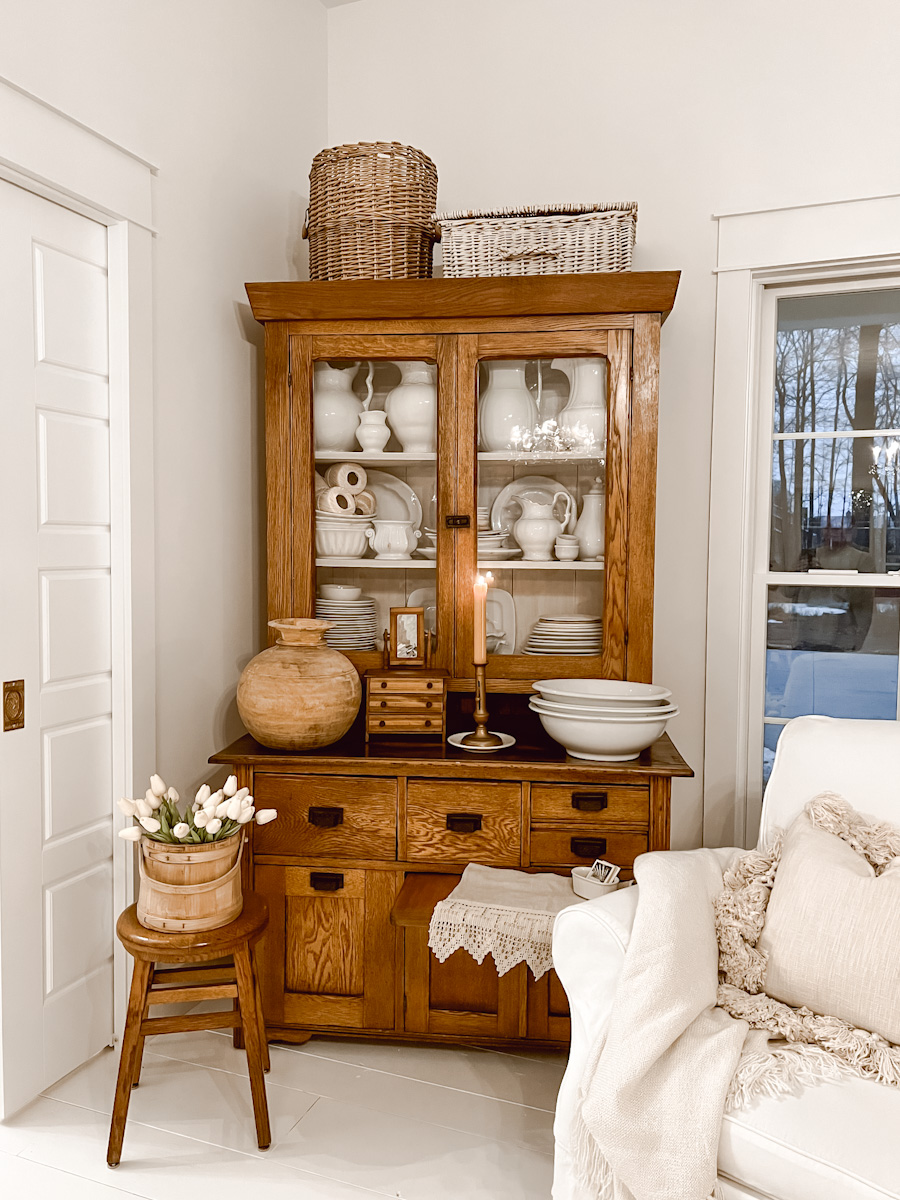
Image Source: debanddanelle.com
Fathoming Your Hutch: What Style Suits Your Space?
Before you start placing items, take a moment to consider the overall style of your living room and the hutch itself. This foundational step will guide your decorating choices and ensure your hutch complements, rather than clashes with, your existing decor.
The Many Faces of Hutch Styles
Hutches come in many forms, and knowing the general style of yours helps in choosing decorative items.
- Farmhouse Hutch Decor: Think rustic charm, natural materials, and a cozy feel. These often feature weathered wood, glass doors, and open shelving.
- Modern Hutch Arrangements: Clean lines, geometric shapes, and minimalist aesthetics are key. Materials like metal, glass, and lacquered finishes are common.
- Vintage Display Cabinet: These pieces often boast intricate details, distressed finishes, and a sense of history. They evoke nostalgia and unique character.
- Traditional Hutches: Characterized by classic woodworking, ornate details, and often a darker wood finish, these exude timeless elegance.
Aligning With Your Living Room’s Theme
Your hutch should feel like it belongs in your living room. Consider:
- Color Palette: Does your living room lean towards neutrals, bright colors, or earth tones? Choose items that fit this palette.
- Materiality: If your room is full of natural wood, continue that theme. If it’s more industrial, metal accents might work well.
- Overall Vibe: Is your room formal, casual, eclectic, or minimalist? Your hutch styling should reflect this.
Mastering Shelf Styling Tips: The Art of Arrangement
Once you know your hutch’s style, it’s time to bring it to life. Shelf styling tips are crucial for creating balance, visual interest, and a sense of curated elegance. Think of your hutch as a series of small stages, each requiring thoughtful attention.
The Rule of Three (and Five)
A fundamental principle in decorative styling is grouping items in odd numbers. This creates a more dynamic and pleasing visual.
- Grouping: Arrange items in groups of three or five. This could be three decorative objects on one shelf or five books.
- Vary Heights: Mix tall items with shorter ones. This adds dimension and prevents a monotonous look.
- Vary Textures: Combine different materials like smooth ceramic, rough wood, shiny metal, and soft textiles. This adds depth and tactile interest.
Balancing Act: Visual Weight and Spacing
Even distribution of visual weight is key to a harmonious display.
- Symmetry vs. Asymmetry: While perfect symmetry can feel formal, slight asymmetry often creates more visual intrigue.
- Negative Space: Don’t feel the need to fill every inch. Empty space, or “negative space,” allows your chosen items to breathe and stand out.
- Eye Level Placement: Place your most interesting or important items at eye level. This draws the viewer’s gaze naturally.
Working with Different Hutch Sections
Hutches typically have upper shelves and sometimes lower cabinets.
Upper Shelves: The Showcase
The open shelves of a hutch are prime real estate for displaying your most cherished items.
Curating Your Collection: What to Display
- Ceramics and Pottery: Vases, bowls, and decorative plates add color and texture.
- Books: Arrange them by color, size, or topic. You can also stand them upright or stack them horizontally.
- Photos and Artwork: Framed pictures, small canvases, or even meaningful postcards can add a personal touch.
- Decorative Objects: Sculptures, figurines, candles, or interesting found objects.
- Glassware: Crystal vases, colored glass bottles, or antique pitchers can catch the light beautifully.
Strategic Grouping on Upper Shelves:
- Tall Vase + Smaller Objects: Place a tall vase on one side, then group a stack of books and a small decorative object on the other.
- Book Stack + Sculpture: A stack of books can serve as a riser for a smaller sculpture or figurine.
- Themed Collections: Display a collection of vintage teacups, a group of travel souvenirs, or a series of family heirlooms.
Lower Cabinets: Conceal and Complement
The lower cabinets of a hutch offer practical storage, but they can also contribute to the overall aesthetic.
Cabinet Display Ideas for Lower Sections:
- Open Cabinet Styling: If your hutch has glass-fronted lower cabinets, you can style these similarly to the upper shelves, but perhaps with slightly larger or more substantial items.
- Closed Cabinet Styling: For closed cabinets, consider what’s visible through any openings or when the doors are slightly ajar. You might place attractive baskets, decorative boxes, or even a carefully arranged stack of books.
- Functional Storage: Use decorative bins or baskets to hide less aesthetically pleasing items like remotes, coasters, or board games.
Incorporating Lighting
Good lighting can make all the difference.
- Uplighting: Place small spotlights or puck lights on the shelves below to illuminate items above.
- Integrated Lighting: Some modern hutches come with built-in lighting. Ensure these are functional and enhance your display.
- Candles: Flameless LED candles can add a warm, ambient glow without the safety concerns of real flames.
Exploring Specific Styling Approaches
Let’s dive into how different design styles can be applied to your hutch.
Farmhouse Hutch Decor: Rustic Charm
Creating a farmhouse hutch decor look is all about embracing natural textures and a sense of history.
- Materials: Focus on distressed wood, galvanized metal, woven baskets, and natural fibers like linen or jute.
- Color Palette: Whites, creams, muted greens, blues, and natural wood tones dominate.
- Items to Display:
- Vintage stoneware crocks or pitchers.
- Antique books with worn covers.
- Woven baskets filled with faux or dried florals.
- Enamelware or galvanized metal containers.
- Ironstone plates or bowls.
- Simple glass jars or apothecary bottles.
- Cotton stems or eucalyptus branches.
- Arrangement: Layer items, allowing some to spill forward slightly. Use books as risers for smaller pieces. Don’t be afraid of a slightly imperfect, collected-over-time feel.
Modern Hutch Arrangements: Sleek and Sophisticated
For a contemporary feel, modern hutch arrangements emphasize clean lines and a curated selection of objects.
- Materials: Smooth finishes, glass, metal (chrome, black, brushed nickel), and acrylic are key.
- Color Palette: Neutrals like white, black, gray, and beige are popular, often punctuated by a single bold accent color.
- Items to Display:
- Geometric sculptures or abstract art pieces.
- Sleek, minimalist vases with a single stem or branch.
- Hardcover books with modern dust jackets.
- Glass objects with clean lines.
- Black and white photography.
- Polished stone or metal decorative items.
- Arrangement: Maintain ample negative space. Group items with similar shapes or colors. Avoid clutter. Think of it as a gallery of carefully chosen objects.
Vintage Display Cabinet Styling: Nostalgic Elegance
A vintage display cabinet brings a unique character to your living room. The goal is to highlight its inherent charm.
- Materials: Focus on the hutch’s existing materials – aged wood, detailed carvings, glass. Enhance with complementary vintage finds.
- Color Palette: Often dictated by the hutch itself, but you can layer in muted tones, sepia, or jewel tones.
- Items to Display:
- Antique teacups and saucers.
- Old photographs in ornate frames.
- Lace or embroidered linens.
- Vintage books or sheet music.
- Glass bottles with interesting shapes or colors.
- Porcelain figurines or china pieces.
- Small globes or antique maps.
- Arrangement: Embrace a collected feel. Mix textures and forms. Think about telling a story with your displayed items. Consider using vintage risers like old wooden crates or stacked books.
Beyond the Hutch: Integrating it with Other Decor
Your hutch doesn’t exist in isolation. It’s part of your larger living room scheme.
Sideboard Decoration Considerations
If you also have a sideboard decoration or buffet in your living room, consider how it relates to your hutch.
- Complementary Styles: If your hutch is farmhouse, your sideboard might also feature rustic elements. If the hutch is modern, the sideboard could have similar clean lines.
- Varying Displays: While both pieces offer display space, try to vary what you showcase. If the hutch has delicate china, perhaps the sideboard displays larger decorative bowls or artwork.
- Color Harmony: Ensure the colors used on both pieces work together within your room’s palette.
Decorative Shelf Units and Hutches
If your hutch is part of a larger wall unit or you have other decorative shelf units in the room, ensure a consistent design language.
- Repeating Motifs: Use similar types of objects or a recurring color scheme across different shelving areas.
- Scale and Proportion: Ensure the items on your hutch are proportional to the overall size of the unit and the room.
- Visual Flow: Create a sense of visual flow between different shelving elements in the room.
Interior Design Cabinet Harmony
When thinking about your hutch as an interior design cabinet, consider its role in the overall room composition.
- Focal Point: Is your hutch meant to be a statement piece, or a supporting element? Adjust the boldness of your styling accordingly.
- Balance: Ensure the visual weight of the hutch is balanced by other elements in the room, such as a sofa, fireplace, or large artwork.
- Functionality: Beyond decoration, consider how the hutch serves your needs. Do you need easy access to certain items? This might influence what you display on the more accessible shelves.
Practical Tips for Living Room Hutch Styling
Let’s get down to the nitty-gritty of making your hutch look its best.
Preparation is Key
- Empty the Hutch: Start with a blank slate. Remove everything from the shelves and cabinets.
- Clean Thoroughly: Dust and clean the hutch inside and out.
- Assess Your Collection: Go through the items you have. What do you love? What is meaningful? What fits your desired style? Be ruthless – decluttering is part of styling.
Building Your Display: Step-by-Step
- Start with the Largest Items: Place your biggest or most impactful pieces first. These often set the tone for a shelf. Think a large vase, a substantial sculpture, or a stack of books.
- Add Mid-Size Items: Fill in around the larger pieces with items of medium height and visual weight.
- Incorporate Smaller Accents: Use smaller decorative objects, photos, or candles to fill gaps and add detail.
- Vary Heights and Depths: Layer items. Place some items closer to the front of the shelf, and others further back. Use books as risers to create different levels.
- Consider Color and Texture: Distribute colors and textures evenly. Avoid clustering too many similar items together.
- Step Back and Assess: Periodically step back to see how the arrangement looks from a distance. Adjust as needed.
- Refine and Edit: Don’t be afraid to move things around. Sometimes, it takes several tries to get it just right.
Color and Texture Palettes for Hutches
Choosing a consistent color and texture palette will tie your hutch styling together beautifully.
| Style | Primary Colors | Secondary Colors/Accents | Key Textures |
|---|---|---|---|
| Farmhouse Hutch Decor | Whites, creams, natural wood, muted greens | Soft blues, grays, black accents | Distressed wood, woven, iron, ceramic, linen |
| Modern Hutch Arrangements | White, black, gray, beige, metallics | Bold accent color (e.g., teal) | Smooth, polished, glass, metal, acrylic |
| Vintage Display Cabinet | Muted tones, sepia, jewel tones | Brass, antique silver, wood | Aged wood, porcelain, glass, velvet, lace |
| Eclectic | Any combination, often bold and diverse | Contrasting, surprising pairings | Mixed materials, playful textures |
Frequently Asked Questions about Hutch Decorating
How often should I change my hutch decor?
There’s no set rule! Some people enjoy changing their hutch decor seasonally (e.g., adding festive items for holidays), while others prefer to keep a look they love for longer periods. A good practice is to reassess your display every few months to refresh its look and feel.
What is the most important rule for styling shelves?
While there are many helpful guidelines, arguably the most important rule is to create a look that you love and that feels authentic to your home. Beyond that, balance, variety in height, and thoughtful grouping are key for visual appeal.
Should I fill every shelf in my hutch?
No, absolutely not! Negative space is essential for a well-styled shelf. Allowing for empty space prevents the hutch from looking cluttered and allows your chosen items to stand out and be appreciated.
What if my hutch is in a small living room?
In a smaller space, a hutch can still be a fantastic addition. Opt for lighter colors and more open styling. Avoid overcrowding the shelves, and use mirrors or reflective surfaces to bounce light and make the space feel larger. Consider a hutch with glass doors to maintain a sense of openness.
How do I make my hutch look less cluttered?
- Edit ruthlessly: Only display items you truly love or that serve a purpose.
- Use negative space: Leave empty areas on shelves.
- Group similar items: Create cohesive vignettes rather than scattering items randomly.
- Vary heights: This draws the eye up and down, preventing a flat, cluttered look.
- Use trays or shallow bowls: These can contain smaller items, creating a tidier arrangement.
Decorating a hutch in the living room is a rewarding way to add personality, style, and function to your home. By considering your hutch’s style, applying smart shelf styling tips, and thoughtfully selecting your decorative items, you can create a beautiful focal point that you’ll enjoy for years to come. Happy decorating!