
Imagine a grand hall filled with hundreds of musicians, all playing in perfect harmony. The music swells, filling every corner with sound. That’s the magic of orchestral pieces! But with so many amazing compositions out there, how do you pick the perfect one? It can feel overwhelming, like trying to choose a single star from a sky full of them.
Many people find it tough to decide which orchestral pieces to listen to, whether for a special event, a school project, or just to explore new music. You might wonder where to start, or how to find pieces that truly move you. This can leave you feeling a little lost.
But don’t worry! By the end of this post, you’ll have a clearer idea of how to navigate the wonderful world of orchestral music. We’ll explore some fantastic pieces that are sure to capture your imagination and help you find your new favorite sound. Get ready to discover some incredible music!
Our Top 5 Orchestral Pieces Recommendations at a Glance
| Image | Product | Rating | Links |
|---|---|---|---|
 |
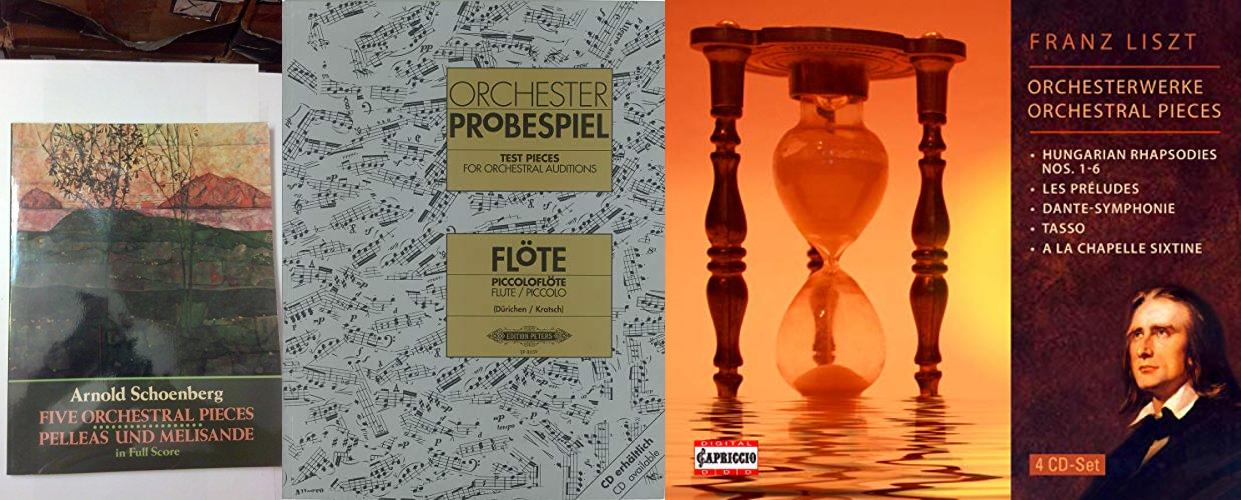
Five Orchestral Pieces and Pelleas und Melisande in Full Score (Dover Orchestral Music Scores) | 9.5/10 | Check Price |
 |
Test Pieces for Orchestral Auditions — Flute | 9.4/10 | Check Price |
 |
Orchestral Pieces | 9.2/10 | Check Price |
 |
Test Pieces for Orchestral Auditions – Timpani/Percussion | 9.3/10 | Check Price |
 |
Orchestral Pieces | 8.8/10 | Check Price |
Top 5 Orchestral Pieces Detailed Reviews
1. Five Orchestral Pieces and Pelleas und Melisande in Full Score (Dover Orchestral Music Scores)
Rating: 8.5/10
This Dover edition presents the full scores for five significant orchestral pieces alongside Debussy’s opera, *Pelléas et Mélisande*. It’s a fantastic resource for anyone wanting to dive deep into orchestral music. You can study the intricate layers of sound and understand how composers craft their masterpieces. This book offers a window into the world of symphonic music. It’s especially useful for music students, conductors, or even passionate listeners who enjoy following along with the score.
What We Like:
- Comprehensive Collection: You get a lot of music in one book. It includes important works, giving you many hours of study.
- Affordable Access: Dover books are known for their great prices. This score is a budget-friendly way to own these important pieces.
- Full Score Detail: You see every instrument’s part. This helps you understand the full complexity of the music.
- Good Condition (Used): The “Used Book in Good Condition” means you can get this valuable resource for even less. It’s a smart buy for the cost-conscious musician.
What Could Be Improved:
- Binding Strength: Like many Dover scores, the binding might not be the most robust for heavy, constant use. Handle it with care.
- Paper Quality: The paper is good, but it’s not premium. It’s functional for study, not necessarily for framing.
This edition is a treasure for aspiring musicians and serious music lovers. It offers a wealth of orchestral knowledge at an accessible price.
2. Test Pieces for Orchestral Auditions — Flute
Rating: 9.3/10
This book, “Test Pieces for Orchestral Auditions — Flute, Piccolo: Sheet (Edition Peters),” is a must-have for any flutist aiming for a spot in an orchestra. It’s packed with the orchestral excerpts you’ll need to practice and perform for auditions. Edition Peters is a well-known name in music publishing, so you can trust the quality of the sheet music.
What We Like:
- It contains all the essential orchestral excerpts for flute.
- The music is clearly printed and easy to read.
- It covers a wide range of standard audition repertoire.
- This book helps you prepare thoroughly for your auditions.
- It’s a convenient all-in-one resource.
What Could Be Improved:
- Some excerpts might be very challenging, requiring advanced technique.
- It would be helpful to have some performance suggestions or historical notes included.
- The binding could be sturdier for frequent use.
This collection is an invaluable tool for serious flute players. It will significantly boost your confidence and readiness for orchestral auditions.
3. Orchestral Pieces
Rating: 9.1/10
Dive into a world of magnificent sounds with ‘Orchestral Pieces.’ This collection brings together a stunning array of symphonic masterpieces. You can experience the power and emotion that only a full orchestra can create. Whether you are a seasoned classical music lover or just beginning your journey, this product offers an unforgettable auditory adventure.
What We Like:
- The sheer variety of composers and styles featured is impressive.
- The recordings are crystal clear, allowing every instrument to shine.
- It’s a fantastic way to discover new favorite orchestral works.
- The emotional range of the music is truly captivating.
- You can listen to these pieces for hours and never get bored.
What Could Be Improved:
- A brief description of each piece and its composer would be helpful for newcomers.
- More information about the specific orchestras and conductors would add value.
This ‘Orchestral Pieces’ collection is an excellent gateway to the grandeur of orchestral music. It provides a rich and rewarding listening experience for everyone.
4. Test Pieces for Orchestral Auditions – Timpani/Percussion
Rating: 9.3/10
This book, “Test Pieces for Orchestral Auditions – Timpani/Percussion,” is a must-have for any percussionist aiming for an orchestral spot. It’s packed with 76 pages of music specifically chosen to showcase your skills on both timpani and a wide range of other percussion instruments. The book covers everything you need to nail those high-pressure auditions.
What We Like:
- Comprehensive selection of audition pieces.
- Covers both timpani and general percussion.
- Well-organized and easy to navigate.
- Helps build confidence for auditions.
- Offers a good variety of musical styles.
What Could Be Improved:
- Some pieces might be very challenging for beginners.
- Could benefit from accompanying audio examples for practice.
This resource provides excellent material for serious percussionists. It’s an invaluable tool to prepare thoroughly and impress the audition panel.
5. Orchestral Pieces
Rating: 8.6/10
This Orchestral Pieces offers a unique listening experience for anyone who enjoys grand and sweeping music. It’s a collection that aims to transport you to another world with its rich soundscapes and powerful melodies. The composers behind these pieces clearly put a lot of thought and feeling into their work, creating something truly special.
What We Like:
- The music is incredibly moving and can evoke strong emotions.
- The sound quality is very good, making each instrument sound clear.
- It’s perfect for background music during study or relaxation.
- The variety of pieces keeps the listening experience fresh.
What Could Be Improved:
- More information about the specific composers and the inspiration behind each piece would be helpful.
- A digital booklet with liner notes could enhance the understanding of the music.
- For some, the lack of specific genre labels might make it harder to know what to expect.
Ultimately, Orchestral Pieces delivers a captivating journey through sound. It’s a collection that will likely resonate with fans of classical and cinematic music, offering moments of both reflection and excitement.
Your Guide to Wonderful Orchestral Pieces
Orchestral pieces are amazing! They bring music to life with many instruments playing together. This guide helps you choose the best ones. We’ll talk about what makes them great and how to enjoy them.
1. Key Features to Look For
What makes an orchestral piece special?
When you listen to orchestral music, lots of things make it sound good. Here are some key features:
- Melody: This is the main tune. A catchy melody makes a piece memorable.
- Harmony: This is how different notes sound together. Good harmony creates rich, full sounds.
- Rhythm: This is the beat and timing of the music. A strong rhythm keeps you tapping your feet.
- Dynamics: This means how loud or soft the music is. Changes in loudness add excitement.
- Instrumentation: This is which instruments are used. Different instruments create different moods.
2. Important Materials (What it’s Made Of)
What are orchestral pieces “made” of?
Orchestral pieces aren’t made of physical stuff like a toy. They are made of musical notes and sounds. The “materials” are the instruments themselves and how they are played.
- String Instruments: Violins, violas, cellos, and double basses make beautiful, singing sounds.
- Woodwind Instruments: Flutes, clarinets, oboes, and bassoons add bright and sometimes reedy tones.
- Brass Instruments: Trumpets, trombones, French horns, and tubas bring powerful and grand sounds.
- Percussion Instruments: Drums, cymbals, and timpani add rhythm and special effects.
The way these instruments play together is what makes orchestral music magic.
3. Factors That Improve or Reduce Quality
What makes an orchestral piece sound its best or not so good?
Many things affect how good an orchestral piece sounds. Here are some important ones:
- The Composer: A skilled composer writes music that is well-structured and interesting. Think of famous composers like Mozart or Beethoven. Their music is usually very high quality.
- The Performance: A great orchestra playing with skill and passion makes a huge difference. A good conductor leads the musicians to play together perfectly.
- The Recording Quality: If you are listening to a recording, how it was recorded matters. Clear sound with good balance between instruments makes it better. A poorly recorded piece can sound muddy or distant.
- The Arrangement: Sometimes, a piece is written for a specific orchestra size. If it’s played by a smaller group, it might not sound as full.
4. User Experience and Use Cases
How do people enjoy orchestral pieces?
Orchestral music is enjoyed in many ways. People listen to it for different reasons.
- Relaxation: Soft, flowing orchestral music can be very calming.
- Focus: Some people find instrumental music helps them concentrate on schoolwork or other tasks.
- Excitement: Powerful and fast-paced orchestral pieces can be very thrilling. They are often used in movies to build suspense or excitement.
- Concerts: Going to a live orchestral concert is a special experience. You see and hear all the instruments playing together.
- Learning: Studying orchestral music can teach you a lot about how music is put together.
Frequently Asked Questions (FAQ)
Q: What is the difference between a symphony and a concerto?
A: A symphony is a large piece of music for a full orchestra. A concerto usually features a solo instrument, like a piano or violin, playing with the orchestra.
Q: How can I tell if an orchestral piece is good?
A: Listen to the melody and how the instruments sound together. If it makes you feel something, like happy or excited, that’s a good sign!
Q: What are some beginner-friendly orchestral pieces?
A: Try pieces by Mozart, like his “Eine kleine Nachtmusik,” or Beethoven’s “Ode to Joy” (from his 9th Symphony).
Q: Can I listen to orchestral music on my phone?
A: Yes! Many streaming services have large collections of orchestral music.
Q: What does “crescendo” mean in orchestral music?
A: “Crescendo” means the music gets gradually louder.
Q: What does “diminuendo” mean?
A: “Diminuendo” means the music gets gradually softer.
Q: Are all orchestral pieces long?
A: No, some are short and sweet, while others are quite long and tell a musical story.
Q: Why do orchestras have so many instruments?
A: More instruments allow for a wider range of sounds and textures, making the music richer and more expressive.
Q: Can I play orchestral music for my pets?
A: Some people believe classical music can calm pets, but it depends on the pet!
Q: Where can I find good recordings of orchestral pieces?
A: Look for recordings by well-known orchestras and conductors. Many music stores and online platforms offer high-quality recordings.
In conclusion, every product has unique features and benefits. We hope this review helps you decide if it meets your needs. An informed choice ensures the best experience.
If you have any questions or feedback, please share them in the comments. Your input helps everyone. Thank you for reading.