
Standard kitchen cabinets are typically 34.5 inches high for base cabinets and 30 to 42 inches high for wall cabinets. This is a foundational aspect of kitchen design, influencing everything from accessibility and ergonomics to the overall aesthetic of your cooking space. Let’s delve into the specifics of standard cabinet height and how these dimensions play a crucial role in shaping your kitchen.
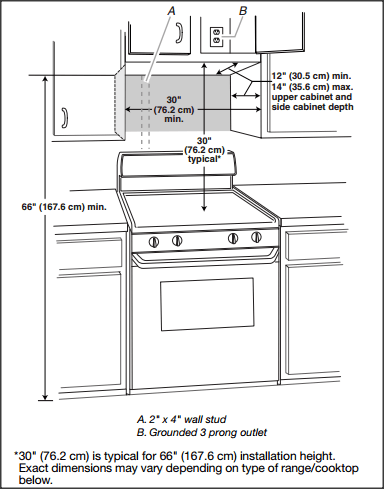
Image Source: cabinetselect.com
Deciphering Base Cabinet Heights
The most common base cabinet height is 34.5 inches, measured from the floor to the top of the cabinet box, before the countertop is added. This height is meticulously chosen for a reason: it aligns perfectly with the standard countertop height of 36 inches once a typical 1.5-inch thick countertop is installed. This seemingly small detail is critical for kitchen workflow dimensions, ensuring that the primary workspace is at an ergonomic height for most adults.
The 34.5-Inch Standard and Its Rationale
Why 34.5 inches? It’s a sweet spot designed to accommodate a vast majority of the population comfortably. This height allows for:
- Ergonomic Comfort: When standing at the counter, the average person can chop, mix, and prepare food without excessive bending or reaching. This minimizes strain on the back and arms during prolonged kitchen tasks.
- Appliance Integration: Standard under-counter appliances, such as dishwashers, refrigerators, and ovens, are designed to fit within this 34.5-inch base cabinet height, with allowances for plumbing and ventilation.
- Consistency and Modularity: This standard height allows for easy mixing and matching of different cabinet styles and brands. It also simplifies the design process for both homeowners and cabinet manufacturers, creating a predictable and reliable system.
Variations in Base Cabinet Heights
While 34.5 inches is the most common, you might encounter slight variations. Some custom cabinetry or specific appliance requirements might lead to base cabinets being 33 inches or 35 inches high. However, these are less common in typical residential settings. It’s always best to confirm the exact base cabinet height when planning a kitchen renovation or ordering new cabinets.
Exploring Wall Cabinet Heights
Wall cabinet height, often referred to as upper cabinet height, offers more variety than base cabinets. The aim here is to provide ample storage while maintaining accessibility and ensuring adequate cabinet clearance above the countertop.
The Crucial Cabinet Clearance
The space between the countertop and the bottom of the wall cabinets is known as the backsplash area or the cabinet clearance. The standard cabinet clearance is typically between 15 and 18 inches. This space is essential for:
- Workspace Functionality: It provides ample room to place small appliances like toasters and coffee makers, prepare food directly on the countertop, and utilize backsplash materials that can be easily cleaned.
- Accessibility to Wall Cabinets: A 15-inch clearance is often considered the minimum to comfortably access the majority of items stored in upper cabinets without hitting your head.
- Aesthetic Balance: The height of wall cabinets, combined with the clearance, contributes significantly to the visual balance of the kitchen. Too low, and it can feel cramped; too high, and it can make the cabinets difficult to reach.
Common Wall Cabinet Heights
Wall cabinet height options generally range from 30 inches to 42 inches, in increments of 3 inches (e.g., 30″, 33″, 36″, 39″, 42″). The choice often depends on:
- Ceiling Height: Taller ceilings can accommodate taller wall cabinets, maximizing storage potential.
- Desired Storage Capacity: If you need to store larger items like mixing bowls or small appliances, opting for taller wall cabinets is a practical solution.
- Kitchen Layout and Design: The placement of windows, doors, and other architectural features will influence the feasible heights and arrangements of wall cabinets.
- Personal Preference and Reachability: Some homeowners prefer shorter wall cabinets for easier access, while others prioritize maximizing vertical storage.
Table 1: Common Wall Cabinet Heights and Their Impact
| Wall Cabinet Height (Inches) | Typical Clearance (Inches) | Notes |
|---|---|---|
| 30 | 18-21 | Offers good clearance, suitable for ceilings around 8 feet. Easier to reach. |
| 36 | 15-18 | A very popular choice, balancing storage and accessibility. Works well with standard 8-foot ceilings. |
| 42 | 12-15 | Maximizes storage, ideal for taller ceilings. May require a small step stool for easy access to the top shelves. |
Fathoming the Countertop Height
As mentioned, the standard countertop height is 36 inches from the floor. This is achieved by combining the base cabinet height (34.5 inches) with a standard countertop thickness, typically 1.5 inches. This 36-inch standard is crucial for maintaining consistent kitchen workflow dimensions.
The 36-Inch Standard for Countertops
The 36-inch countertop height has become the de facto standard for several reasons:
- Ergonomics: It’s a comfortable height for most adults to stand and work at, reducing strain on the back and shoulders.
- Appliance Integration: Most standard dishwashers, ranges, and other under-counter appliances are designed to fit beneath a 36-inch countertop.
- Design Harmony: This standard promotes a cohesive and balanced look within the kitchen space.
Factors Affecting Countertop Height
While 36 inches is standard, there are instances where countertop heights might vary:
- Custom Cabinetry: Some custom cabinet makers may offer base cabinets in different heights, leading to non-standard countertop heights.
- Appliance Specifications: Very tall or very short appliances might necessitate adjustments to the base cabinet height.
- Accessibility Needs: For individuals using wheelchairs or those with specific mobility requirements, lower countertop heights (e.g., 30-34 inches) might be preferred.
- Baking Stations: Some bakers prefer a slightly lower countertop for tasks like kneading dough, which can be achieved with custom base cabinets.
Gauging Standard Kitchen Island Height
A kitchen island height generally mirrors the standard countertop height, meaning it’s also typically 36 inches from the floor. This ensures continuity and allows the island to serve as a functional workspace, dining area, or gathering spot that integrates seamlessly with the rest of the kitchen.
Island Functionality and Height
When designing a kitchen island, consider its primary functions:
- Work Surface: If the island will be used for food preparation, the 36-inch height is ideal for chopping, mixing, and other tasks.
- Dining Area: If the island incorporates seating, the 36-inch height works well with standard counter-height stools (around 24-26 inches). For bar-height seating, the island can be raised to 42 inches, with bar stools around 30-32 inches.
- Appliance Integration: Islands often house appliances like cooktops or sinks, which are designed to fit within standard kitchen cabinet dimensions, including the base cabinetry for the island.
Island Height Variations
While 36 inches is standard, kitchen island height can be customized. Some islands may have a tiered design, with one section at standard counter height and another section at bar height (42 inches). This versatility allows for a more dynamic and functional kitchen layout.
Ascertaining Kitchen Cabinet Installation Height
The actual kitchen cabinet installation height refers to the precise placement of the cabinets on the wall and the final measurements achieved. This involves careful planning and precise execution to ensure everything is level, plumb, and at the intended height.
The Process of Installing Cabinets
Cabinet installation height is determined by starting with the base cabinets. They are leveled and secured to the wall studs. Then, the wall cabinets are hung, typically starting with the corner cabinets and working outwards. The 15-18 inch cabinet clearance is a critical measurement during this phase.
Factors Influencing Installation Height
- Leveling: Ensuring all cabinets are perfectly level is paramount for both aesthetics and functionality. Uneven cabinets can cause doors to hang improperly and make countertops unstable.
- Wall Studs: Cabinets must be securely fastened to wall studs for stability and to support the weight of the cabinets and their contents.
- Appliance Recesses: Specific cutouts or recessions may be needed for appliances, which directly impact the installation height and placement.
- Range Hoods: The height of a range hood above the cooktop is also a crucial installation measurement, affecting ventilation efficiency and safety. This is a key aspect of kitchen workflow dimensions.
Comprehending Kitchen Workflow Dimensions
Beyond individual cabinet heights, the overall arrangement and spacing of elements in the kitchen are vital for efficient kitchen workflow dimensions. These are the unspoken rules of kitchen design that make cooking and moving around the space a pleasure rather than a chore.
The Kitchen Work Triangle
The concept of the work triangle connects the refrigerator, sink, and range. Optimizing the distance between these three points minimizes steps and improves efficiency. Standard cabinet heights contribute to the overall proportions of this triangle.
- Sink to Range: Typically 4 to 9 feet.
- Sink to Refrigerator: Typically 4 to 9 feet.
- Range to Refrigerator: Typically 4 to 9 feet.
Adequate Clearance for Movement
Proper spacing between cabinets, countertops, and islands is essential for free movement.
- Main Walkways: Aim for at least 36 inches for comfortable passage.
- Work Areas: A minimum of 42 inches is recommended between parallel countertops or between a countertop and an island to allow for multiple people to work in the kitchen simultaneously and for appliances like oven doors to open fully. This is another critical cabinet clearance consideration.
The Impact of Cabinet Dimensions on Workflow
The chosen kitchen cabinet dimensions, including height, depth, and width, collectively dictate the usable workspace and storage capacity.
- Base Cabinet Depth: Standard base cabinets are typically 24 inches deep, providing ample storage and a solid base for the countertop.
- Wall Cabinet Depth: Standard wall cabinets are usually 12 inches deep, offering sufficient storage without protruding too far into the workspace.
- Cabinet Widths: Cabinets come in various widths, from 9 inches to 48 inches or more, allowing for customization of layout and storage solutions.
Table 2: Common Cabinet Dimensions and Their Significance
| Cabinet Type | Standard Depth (Inches) | Standard Height (Inches) | Standard Widths (Inches) | Key Considerations |
|---|---|---|---|---|
| Base Cabinets | 24 | 34.5 | 9, 12, 15, 18, 21, 24, 27, 30, 33, 36, 48+ | Provides workspace support, appliance housing, and under-counter storage. |
| Wall Cabinets | 12 | 30, 36, 42 | 9, 12, 15, 18, 21, 24, 27, 30, 33, 36, 48+ | Offers overhead storage, crucial for keeping countertops clear. |
| Kitchen Islands | Varies | 36 (standard) | Varies | Can be customized for workspace, dining, or appliance integration. |
Beyond the Standards: Customization and Considerations
While standard dimensions provide a reliable framework, kitchens are personal spaces. Customization is often key to achieving the perfect balance of form and function.
When to Deviate from Standards
- Specific Needs: As mentioned, accessibility requirements or unique ergonomic preferences might necessitate non-standard heights.
- Appliance Requirements: Built-in appliances, especially those with unique dimensions, can dictate custom cabinet sizes.
- Architectural Features: Unusual ceiling heights, sloped ceilings, or unique wall configurations may require custom-height cabinets.
- Aesthetic Goals: Some homeowners may desire a specific look, such as cabinets that reach the ceiling for a grander feel, which would involve custom solutions.
The Importance of Planning
Before committing to any kitchen cabinet installation height or kitchen cabinet dimensions, thorough planning is essential.
- Measure Everything: Accurately measure your ceiling height, wall lengths, and existing openings.
- Consider Your Usage: Think about how you use your kitchen. Do you bake a lot? Do you entertain frequently? These habits can influence cabinet choices.
- Visualize the Space: Use tape to mark out cabinet placements on your walls to get a sense of scale and clearance.
- Consult Professionals: Kitchen designers and experienced cabinet installers can provide invaluable guidance to ensure your kitchen is both beautiful and functional, adhering to optimal kitchen workflow dimensions.
Frequently Asked Questions (FAQ)
Q1: What is the standard height of kitchen cabinets?
A1: The standard height for base cabinets is 34.5 inches, and for wall cabinets, it typically ranges from 30 to 42 inches.
Q2: What is the standard countertop height?
A2: The standard countertop height is 36 inches, achieved by combining 34.5-inch base cabinets with a 1.5-inch thick countertop.
Q3: Can I have kitchen cabinets that are taller than standard?
A3: Yes, you can have taller wall cabinets, often up to the ceiling, but this is usually a custom solution and may require a step stool for access. Base cabinets typically adhere to the standard height for appliance compatibility and countertop consistency.
Q4: What is the recommended cabinet clearance between base and wall cabinets?
A4: The recommended cabinet clearance, also known as backsplash height, is typically between 15 and 18 inches.
Q5: What is the standard kitchen island height?
A5: The standard kitchen island height is generally 36 inches, matching the standard countertop height, although variations exist for bar seating.
Q6: How does cabinet height affect kitchen workflow dimensions?
A6: Cabinet heights, along with clearances and island placement, are crucial for creating an ergonomic and efficient kitchen layout, ensuring comfortable movement and accessibility for tasks.
Q7: Who determines the standard cabinet height?
A7: Standard cabinet heights are largely determined by industry norms, appliance manufacturers, and ergonomic research to create functional and comfortable kitchen spaces for the majority of users.
By carefully considering these dimensions and how they relate to your specific needs, you can create a kitchen that is not only aesthetically pleasing but also highly functional and comfortable to work in.