
The standard kitchen counter height is 36 inches from the floor to the top of the countertop. This measurement is the most common and is designed to accommodate the average adult for a variety of kitchen tasks, from food preparation to casual dining. But is this the only height, or the best height for everyone? Let’s dive into the details of kitchen counter dimensions to help you create a functional and comfortable kitchen space.
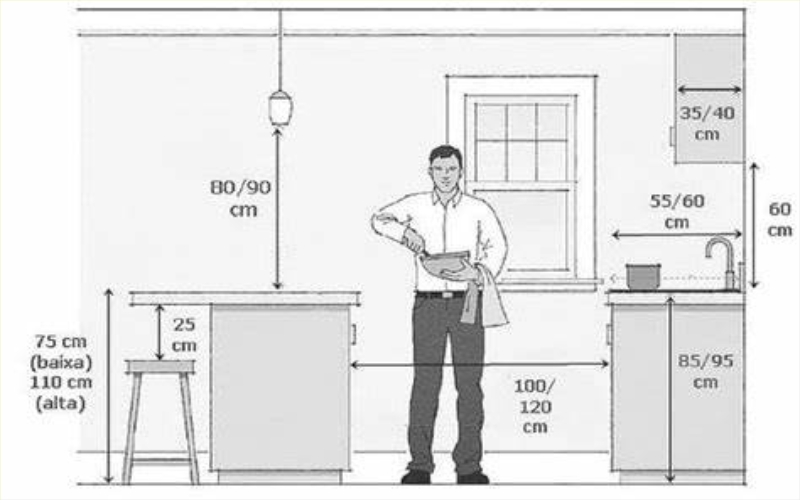
Image Source: www.stonedepotus.com
Deciphering Standard Kitchen Counter Height
When you ask, “How tall is a kitchen counter?”, the immediate answer is typically 36 inches. This height has become the industry standard for good reason. It strikes a balance that works well for most people, allowing them to chop vegetables, mix ingredients, and do dishes without excessive bending or reaching. This common kitchen work surface height is also intrinsically linked to the height of standard base cabinets.
Cabinet Base Height: The Foundation of Your Counter
The foundation of your kitchen counter’s height is the cabinet base. Standard base cabinets typically measure 34.5 inches in height. When a countertop material, such as laminate, granite, or quartz, is added on top, it usually adds another 1.5 inches. This 1.5-inch addition is what brings the total kitchen counter height to the familiar 36 inches.
Key Components of Base Cabinet Height:
- Cabinet Box: This is the main structure of the cabinet, housing drawers and doors.
- Toe Kick: This is the recessed area at the bottom of the cabinet, allowing you to stand closer without stubbing your toes. It typically measures around 4 inches high and 4 inches deep.
- Countertop Thickness: As mentioned, this varies by material but is a crucial component in reaching the final counter height.
Understanding the cabinet base height helps explain why 36 inches is the prevailing standard. It’s a carefully considered measurement built from the ground up.
Exploring Kitchen Countertop Dimensions: Beyond Height
While height is critical, other countertop dimensions play a significant role in kitchen usability. These include depth and length, which influence how much workspace you have and how easily you can access all areas.
Standard Counter Depth: Maximizing Workspace
The standard counter depth is usually 25 inches. This depth provides ample room for appliances like toasters and blenders, as well as a generous area for prep work. It also ensures that your lower cabinets are fully accessible from the front.
Factors Influencing Counter Depth:
- Cabinet Depth: Standard base cabinets are typically 24 inches deep.
- Countertop “Overshoot”: The countertop material extends beyond the cabinet box by about 1 to 1.5 inches in the front, creating an overhang. This overhang allows you to comfortably use the cabinets and provides a finished look.
A 25-inch depth is a good compromise, offering substantial workspace without encroaching too much into the kitchen’s walkway.
Countertop Length: A Matter of Design and Function
Countertop length is much more variable and is dictated by the layout of your kitchen and the design you choose. There isn’t a “standard” length because it’s determined by the size of your cabinets and the specific configuration of your kitchen. Longer countertops can provide more continuous workspace, which is particularly beneficial for those who enjoy extensive cooking or baking.
Creating an Ergonomic Counter Height for You
While 36 inches is standard, the concept of an ergonomic counter height emphasizes tailoring the kitchen to the user. What is comfortable and efficient for one person might not be for another. Factors like your personal height, the height of the primary users of the kitchen, and the specific tasks performed can all influence the ideal counter height.
Tailoring Height to User Body Dimensions
For a truly ergonomic setup, consider the heights of the main individuals who will be using the kitchen. A general rule of thumb for a comfortable food preparation surface is to have the height fall about 3-6 inches below the user’s elbow when their arm is bent at a 90-degree angle.
- Shorter Individuals: Someone who is 5’4″ or shorter might find a 36-inch counter a bit too high for comfortable chopping or kneading, leading to shoulder strain. A slightly lower counter, perhaps 33-34 inches, might be more suitable.
- Taller Individuals: Conversely, someone who is 6’0″ or taller might find a 36-inch counter a bit too low, requiring them to bend over more than necessary, which can lead to back discomfort. A counter height of 37-39 inches could be more beneficial.
Task-Specific Ergonomics
Different kitchen tasks may benefit from different heights. For example:
- Baking: Kneading dough or rolling out pastry is often more comfortable at a slightly lower surface.
- Washing Dishes: A slightly higher surface might be more comfortable for tasks done at the sink, reducing the need to bend over as much.
This has led to the concept of zoned ergonomics, where different sections of the kitchen might have slightly varied counter heights to optimize for specific activities.
Kitchen Island Height: A Versatile Work Surface
A kitchen island height often follows the same 36-inch standard for consistency and functionality. However, islands offer more design flexibility. They can serve multiple purposes: additional prep space, a casual dining area, or a visual focal point. This versatility can sometimes lead to variations in island height.
Multi-Level Islands
Some modern kitchen designs feature islands with multiple levels. This could include a standard 36-inch prep area adjacent to a higher, bar height counter (around 42 inches) for seating. This design accommodates both cooking and socializing comfortably.
Island as a Dining or Bar Area
When an island primarily functions as a dining or bar area, its height will usually be adjusted to match standard counter height table or bar height requirements.
- Counter Height (36 inches): Pairs well with counter stools (around 24-26 inches high seats). This is a versatile height suitable for both prep and casual dining.
- Bar Height (42 inches): Pairs with bar stools (around 28-32 inches high seats). This higher option is excellent for a dedicated breakfast bar or entertainment area.
The decision on kitchen island height depends heavily on its intended use.
Adapting Counter Height for Accessibility
Creating an accessible kitchen counter height is crucial for inclusivity, particularly for individuals using wheelchairs or those with mobility challenges. Universal design principles advocate for kitchens that can be used comfortably and safely by everyone.
Lowered Counter Sections
A common approach for accessibility is to incorporate lowered counter sections. These sections, often around 30-34 inches in height, allow a person in a wheelchair to easily roll up to the workspace, with enough knee clearance beneath the counter.
Key features for accessible counters:
- Knee Clearance: A minimum of 27 inches of clear knee space is recommended.
- Clear Floor Space: Adequate space around the lowered counter area is essential for maneuvering a wheelchair.
- Sink Accessibility: Sinks in accessible areas should also be mounted at a lower height with knee clearance, and the plumbing should be insulated to prevent burns.
Other Accessibility Considerations:
- Pull-out Shelves: These can make reaching items in lower cabinets easier.
- Easy-to-Use Hardware: Lever-style faucets and D-shaped cabinet pulls are often easier to grip.
- Appliance Placement: Wall ovens mounted at an accessible height or a cooktop on a lowered counter can improve usability.
Exploring Different Kitchen Work Surface Heights
The concept of a kitchen work surface height extends beyond just the main countertop. Different areas within the kitchen may serve different functions and thus benefit from varied heights.
Standard Work Zones and Their Heights:
- Main Prep Area: Typically the 36-inch standard for general food preparation.
- Baking Station: As mentioned, a slightly lower surface (e.g., 33-34 inches) can be beneficial for tasks like kneading.
- Sink Area: Often at the standard 36 inches, but some prefer it slightly higher (37-38 inches) to reduce bending.
- Dining/Bar Areas: Can range from 30 inches (table height) to 36 inches (counter height) or 42 inches (bar height).
Frequently Asked Questions About Kitchen Counter Height
Q1: Can I have different counter heights in my kitchen?
Yes, absolutely! Many modern kitchens incorporate zoned ergonomics, featuring different counter heights for various tasks and to accommodate different users. For instance, you might have a standard 36-inch main counter, a 30-inch-high counter height table area for casual dining, and a 42-inch bar height counter for entertaining.
Q2: What is the standard depth of a kitchen counter?
The standard counter depth is typically 25 inches, which includes a front overhang on the base cabinets. The base cabinets themselves are usually 24 inches deep.
Q3: What if I’m very tall or very short, should I change my counter height?
If you are significantly taller or shorter than average, adjusting your kitchen counter height can greatly improve comfort and reduce strain. For taller individuals, increasing the height slightly (e.g., to 37-39 inches) can help prevent back strain. For shorter individuals, lowering the counter (e.g., to 33-34 inches) can make prep work much more comfortable.
Q4: What is the ideal height for a kitchen island?
The ideal height for a kitchen island depends on its primary function. If it’s mainly for prep work and might be used for casual dining, 36 inches is a common and practical choice. If it’s intended as a primary bar or dining area, a bar height counter of 42 inches might be more suitable.
Q5: How do I calculate the ergonomic counter height for myself?
To find your personal ergonomic counter height for food prep, stand with your feet flat on the floor and your elbows bent at a 90-degree angle. Measure from the floor to just below your bent elbow. Your ideal counter height should be about 3-6 inches less than this measurement.
Q6: What are the typical countertop dimensions?
While height (36 inches standard) and depth (25 inches standard) are common, countertop length varies greatly depending on the kitchen layout and cabinet configuration. Thickness of the countertop material also varies, commonly ranging from 1.25 inches to 2 inches or more for premium materials.
Q7: What is considered a bar height counter?
A bar height counter is typically 42 inches from the floor to the top. This height is ideal for bar stools, providing a comfortable perch for casual dining and socializing.
By considering these measurements and principles, you can design a kitchen that is not only beautiful but also highly functional and comfortable for everyone who uses it. Whether you’re renovating or building new, taking the time to explore the ideal kitchen counter height for your needs will pay dividends in everyday usability and enjoyment.