
Can you make a dark kitchen brighter? Yes, absolutely! By using the right colors, lighting, and reflective surfaces, you can transform a gloomy kitchen into a welcoming and airy space. This guide will show you how.
A dark kitchen can feel cramped and unwelcoming. Often, this is due to a lack of natural light, poor artificial lighting, dark paint colors, or the absence of reflective elements. Fortunately, these issues are easily fixed with a few strategic changes. We’ll explore five key areas to tackle that will make a significant difference.
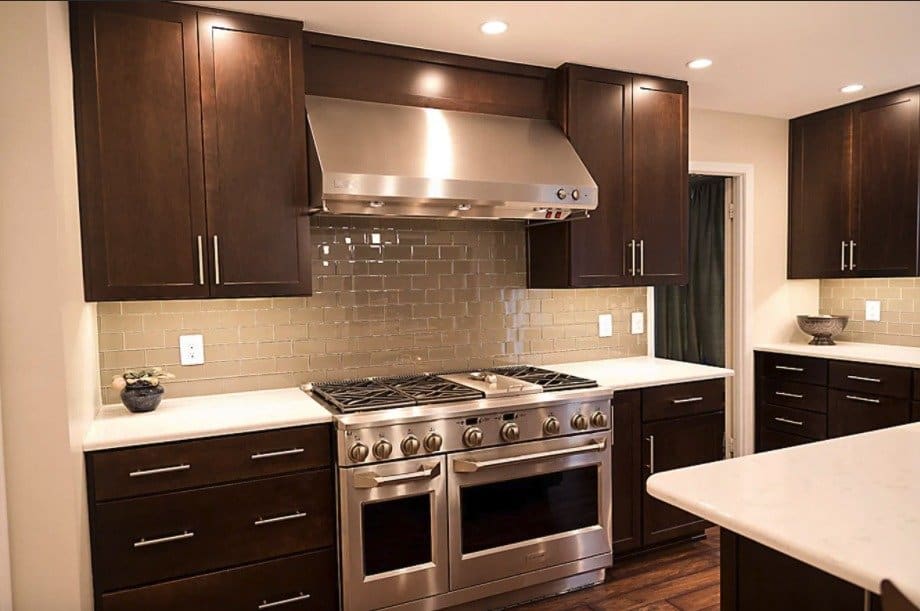
Image Source: ohanlonkitchens.com
1. Maximize Natural Light Kitchen
The most impactful way to brighten a kitchen is to let in as much natural light as possible. Natural light makes spaces feel larger, more open, and more inviting. It also has a positive effect on our moods.
Letting the Sunshine In
- Keep Windows Clear: Ensure your windows are clean. Grimy windows can block a surprising amount of light.
- Light Window Treatments: Opt for sheer curtains, blinds, or shades that can be easily opened fully. Avoid heavy, dark drapes.
- Consider Plantation Shutters: These offer flexibility, allowing you to control light and privacy while still letting in light when open.
- Install Skylights or Sun Tunnels: If your kitchen has no windows or very few, consider adding a skylight or a sun tunnel. These can dramatically increase the amount of natural light entering the room. Sun tunnels are particularly useful for rooms without direct overhead access to the roof.
Smart Placement of Furniture and Decor
- Avoid Blocking Windows: Arrange your kitchen layout and furniture so that nothing obstructs windows. Move bulky appliances or tall cabinets away from them.
- Use Light-Colored Furniture: If you have a kitchen table or island, choose lighter-colored materials and finishes.
2. Embrace Light Paint Colors for Kitchens
The color of your walls and cabinets plays a huge role in how bright your kitchen feels. Dark colors absorb light, while light colors reflect it.
Wall Colors that Illuminate
- Whites and Off-Whites: These are classic choices for a reason. They bounce light around the room, making it feel instantly brighter and larger. Consider shades like “Chantilly Lace,” “Simply White,” or a soft off-white with a hint of warmth.
- Soft Grays and Blues: If white feels too stark, opt for very light shades of gray or blue. These colors can add a touch of personality while still being reflective. Look for cool-toned grays or pale, watery blues.
- Pastel Hues: Gentle pastels like pale yellow, mint green, or blush pink can also contribute to a brighter feel, especially if they have a high LRV (Light Reflectance Value).
Light Paint Colors for Kitchens: LRV Comparison
| Color Type | Example Shades | Typical LRV Range | Impact on Brightness |
|---|---|---|---|
| Pure White | Bright White | 90-94 | Highest |
| Off-White | Cream, Ivory, Linen | 85-90 | High |
| Light Gray | Silver, Pale Ash | 75-85 | Good |
| Soft Blue | Sky Blue, Powder Blue | 70-80 | Good |
| Pale Yellow | Buttercup, Lemon Cream | 70-80 | Good |
| Pastel Green | Mint, Seafoam | 65-75 | Moderate to Good |
- High-Gloss Finishes: For an extra boost, consider a satin or semi-gloss finish for your walls. These finishes reflect more light than matte finishes.
Kitchen Cabinet Colors
- White Cabinets: Similar to walls, white kitchen cabinets are a fantastic way to brighten the space. They create a clean, airy look.
- Light Wood Tones: Natural wood cabinets in lighter shades like maple, birch, or light oak can also add warmth and brightness.
- Pale Grays and Blues: If you prefer painted cabinets, light gray, soft blue, or even a pale sage green can be excellent choices.
- Two-Tone Cabinets: Consider using lighter colors for upper cabinets and slightly darker, but still light, colors for lower cabinets. This can add visual interest without darkening the overall feel.
3. Strategically Use Reflective Surfaces Kitchen
Reflective surfaces bounce light around the room, making it appear larger and brighter. Think of how mirrors make a room feel bigger – the same principle applies to glossy finishes and reflective materials.
Kitchen Backsplash Ideas
- Subway Tiles with a Glossy Finish: White or light-colored subway tiles with a glossy glaze are a fantastic choice for a backsplash. They are classic, practical, and highly reflective.
- Mirrored Backsplash: For maximum reflectivity, consider a mirrored backsplash. This can be a bold choice, but it undeniably brightens a dark kitchen. Opt for smoked or antique mirror finishes if a full mirror feels too intense.
- Glass Tiles: Glass tiles, especially in lighter colors, offer a beautiful sheen and reflect light effectively. They come in a wide array of colors and finishes.
- Polished Marble or Quartz: Countertops made from polished marble or light-colored quartz with a subtle shimmer can also contribute to reflectivity.
Other Reflective Elements
- High-Gloss Cabinet Finishes: As mentioned earlier, high-gloss finishes on cabinets can significantly reflect light.
- Shiny Hardware: Opt for cabinet knobs and drawer pulls in finishes like polished chrome, brushed nickel, or polished brass. These small touches can add subtle reflectivity.
- Stainless Steel Appliances: Stainless steel appliances are inherently reflective and can help bounce light around the kitchen.
- Glass Cabinet Doors: Replacing solid cabinet doors with glass fronts on some upper cabinets can create a sense of depth and allow light to pass through. Consider adding interior cabinet lighting for an extra glow.
- Mirrors: A well-placed mirror can work wonders. A large mirror mounted on a wall opposite a window will reflect natural light and the view, instantly brightening the space.
4. Enhance Kitchen Lighting with Layering
A single overhead light rarely provides enough illumination for a kitchen, especially a dark one. Layering your lighting sources is crucial for creating a bright and functional space.
Ambient Lighting (Overall Illumination)
- Recessed Lighting: Install recessed ceiling lights evenly spaced to provide general, ambient light. Opt for fixtures with a wide beam spread.
- Flush Mount or Semi-Flush Mount Fixtures: If recessed lighting isn’t an option, choose ceiling fixtures that distribute light broadly.