
So, how much to fit a kitchen? The answer varies significantly, but a reasonable ballpark for a mid-range kitchen fitting, including supply and installation, can range from £5,000 to £15,000. This figure encompasses everything from the units and worktops to the labour involved in fitting them.
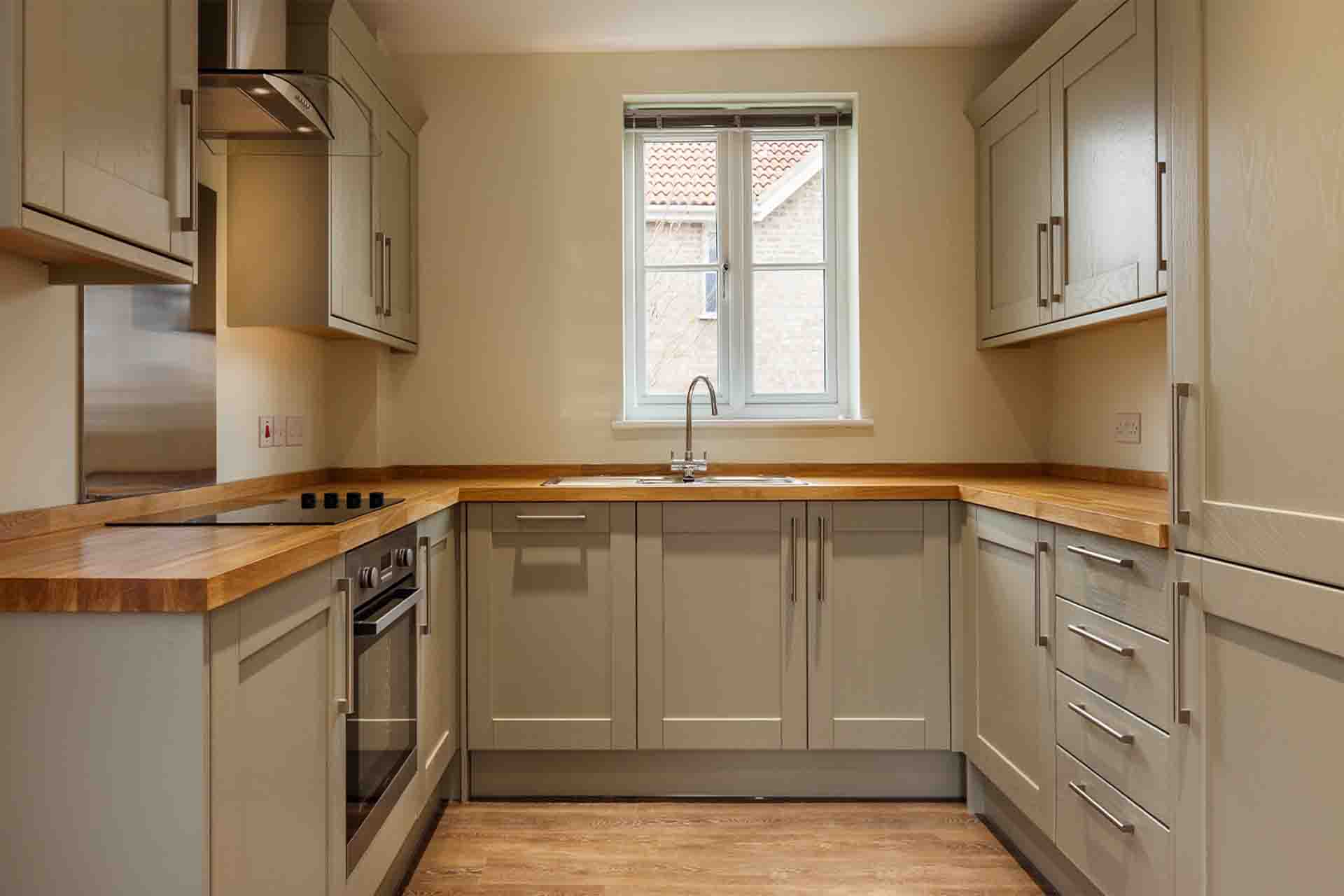
Image Source: images.ctfassets.net
Deciphering The Kitchen Fitting Cost
When you’re dreaming of a new kitchen, the excitement of choosing stylish cabinets and sleek worktops can be immense. However, the practical side of fitting a kitchen requires a clear understanding of the costs involved. The kitchen fitting cost is a broad term, encompassing various elements that contribute to the overall price. From the basic supply of materials to the intricate process of installation, each step has its own financial considerations. This guide aims to break down these costs, helping you create a realistic budget for fitting a kitchen and avoid any unwelcome surprises.
Factors Shaping The Kitchen Installation Price
The kitchen installation price isn’t a one-size-fits-all number. Several crucial factors influence how much you’ll end up spending. Knowing these can help you make informed decisions and potentially save money.
Kitchen Unit Costs
The heart of any kitchen is its cabinetry. The cost of fitting new kitchen cabinets is a significant portion of the total project.
- Material: Solid wood, MDF, laminate, and vinyl are common choices, each with different price points. Solid wood is generally the most expensive, while MDF and laminate offer more budget-friendly options.
- Style and Finish: Shaker style, slab doors, or traditional raised panel designs all have varying manufacturing costs. High-gloss or hand-painted finishes can also add to the price.
- Customisation: Bespoke sizes, internal storage solutions like pull-out shelves or spice racks, and integrated lighting will increase the cost compared to standard modular units.
- Supplier: You can buy kitchens from high-street retailers, independent kitchen designers, or trade suppliers. Prices can vary widely between them.
Worktop Expenses
Your worktops need to be both functional and aesthetically pleasing. The material you choose will heavily impact the cost.
- Laminate: This is often the most budget-friendly option, available in a vast array of colours and patterns.
- Wood: Solid wood worktops, such as oak or walnut, offer a warm, natural look but require regular maintenance.
- Quartz: A popular choice for its durability and low maintenance, quartz is a composite material that is very resistant to stains and scratches.
- Granite: A natural stone, granite offers unique patterns and excellent heat resistance.
- Solid Surface: Materials like Corian offer a seamless look and can be repaired if damaged.
- Other Materials: Marble, stainless steel, and concrete are also available, each with its own price tag and aesthetic appeal.
Appliances
While not strictly part of the fitting, the cost of appliances is inextricably linked to the overall new kitchen fitting prices.
- Integrated vs. Freestanding: Integrated appliances (those hidden behind cabinet doors) often cost more than their freestanding counterparts.
- Brand and Features: High-end brands with advanced features like induction hobs, steam ovens, or smart refrigerators will naturally be more expensive.
- Number of Appliances: The more appliances you need (oven, hob, extractor fan, dishwasher, fridge freezer, microwave, etc.), the higher the overall cost.
Labour Costs: The Fitting Process
This is where the kitchen installation price really comes into play. The skill and experience of the kitchen fitters will directly influence the cost.
- Complexity of the Installation: If your kitchen layout is straightforward, the fitting will likely be less expensive than a complex design with unusual angles or significant structural changes.
- Plumbing and Electrical Work: Any new plumbing or electrical points required for sinks, dishwashers, ovens, or lighting will add to the labour bill. This might involve moving pipes, adding new sockets, or rewiring.
- Tiling and Splashbacks: The cost of fitting wall tiles or a splashback behind the worktops is usually charged per square metre.
- Flooring: If you’re also fitting new flooring, this will be an additional labour cost.
- Waste Removal: Disposal of old kitchen units and building waste is often included in quotes, but it’s worth clarifying.
- Geographical Location: Labour rates can vary significantly depending on where you live. Major cities often have higher labour costs.
Other Essential Elements
Beyond the main components, several other items contribute to the cost to install a kitchen.
- Sink and Taps: The style and material of your sink (stainless steel, ceramic, composite) and the design of your taps will affect the price.
- Lighting: Ambient, task, and accent lighting all add to the overall look and functionality, and their installation incurs costs.
- Extraction: A good extractor fan is crucial, and the type you choose (canopy, chimney, island, downdraft) will impact the price and installation complexity.
- Paint and Decorating: While often a DIY job, professional painting and decorating will add to the overall cost.
- Contingency Fund: It’s always wise to set aside 10-15% of your budget for unforeseen issues that may arise during the fitting process.
Fathoming The Average Kitchen Remodel Cost
The average kitchen remodel cost in the UK can be a helpful benchmark, but it’s vital to remember that your specific project will have unique requirements. Generally, a basic kitchen replacement might start around £4,000-£8,000, covering new units, worktops, and basic fitting. A mid-range remodel, incorporating better quality materials and possibly some minor electrical or plumbing adjustments, could fall between £8,000 and £20,000. High-end, luxury kitchen renovations, involving bespoke designs, premium materials, and extensive structural changes or appliance upgrades, can easily exceed £20,000 and go upwards of £50,000 or more.
Estimating Your Kitchen Fitting
A kitchen fitting estimate should be detailed and itemised, allowing you to see exactly where your money is going. A reputable kitchen fitter will provide a written quote that breaks down the costs.
What’s Included in a Kitchen Supply and Fit Quote?
A comprehensive kitchen supply and fit cost should ideally include:
- Kitchen Units: All cabinets, drawers, doors, and necessary fittings.
- Worktops: The chosen material, cut to size, and fitted.
- Splashback/Tiling: If specified.
- Sink and Taps: Supply and installation.
- Basic Appliances: Oven, hob, extractor fan (if included in the package).
- Plumbing: Connecting the sink, dishwasher, and washing machine.
- Electrical: Connecting the oven, hob, extractor fan, and any new lighting.
- Labour: The fitting of all components by skilled tradespeople.
- Waste Disposal: Removal of old kitchen and debris.
- Plastering/Minor Making Good: To repair any damage from the old kitchen removal or the installation process.
What Might Be Extra?
It’s crucial to clarify what’s not included in a quote, as these can become significant hidden costs.
- Structural Alterations: Moving walls, changing window or door openings.
- Major Electrical Upgrades: Rewiring the entire kitchen or upgrading the fuse box.
- New Flooring: Supply and fitting of new floor coverings.
- Gas Work: If you have a gas hob, a qualified Gas Safe engineer will need to connect it.
- Ventilation Upgrades: Installing new ventilation systems.
- Decorating: Painting, wallpapering beyond basic making good.
- Appliance Removal and Disposal: Sometimes this is extra.
The Cost to Install a Kitchen: A Detailed Breakdown
Let’s delve deeper into the specific costs associated with installing a kitchen.
Kitchen Cabinet Installation
The cost of fitting new kitchen cabinets is a major component.
- Basic Labour: For a standard-sized kitchen, expect the fitting of cabinets alone to cost between £1,000 – £3,000, depending on complexity and location. This involves levelling walls, fitting carcasses, installing doors and drawers, and ensuring everything is plumb and level.
- PricewaterhouseCoopers (PWC) Report Insights: While not directly about kitchen fitting prices, broader construction cost reports from bodies like PWC can indicate trends in labour costs for skilled trades, which indirectly influences kitchen installation prices. Generally, demand for skilled tradesmen can push up hourly rates.
Worktop Fitting
This involves precise cutting and installation.
- Laminate: Relatively inexpensive to fit, often included in the overall cabinet fitting price.
- Solid Surfaces (Quartz, Granite, etc.): These require specialist templating and cutting, often done off-site by the supplier. The fitting cost can range from £300 – £1,000+, depending on the material and complexity of the cuts (e.g., sink cut-outs, hob cut-outs, drainer grooves).
Sink and Tap Installation
- Labour: Fitting a sink and taps typically costs between £150 – £300, assuming no major plumbing alterations are needed.
Appliance Installation
- Oven and Hob: Connecting an electric oven and hob usually costs around £100 – £250.
- Gas Appliances: This requires a Gas Safe registered engineer and will be more expensive, typically £150 – £300.
- Dishwasher/Washing Machine: Connecting these to water and waste is usually £100 – £200.
- Integrated Appliances: The extra labour for fitting doors and making the appliances flush with the cabinetry can add £50 – £150 per appliance.
Electrical Work
- New Sockets: £75 – £150 per socket.
- New Lighting Points: £100 – £250 per point, depending on the type of lighting.
- Rewiring: This is a major job and can cost thousands, but for a standard kitchen fitting, only specific circuits might need attention.
Plumbing Work
- Moving Radiators: £150 – £300.
- Relocating Pipework: Highly variable, but expect £200 – £500 for moderate changes.
Tiling
- Wall Tiling: £30 – £50 per square metre for labour and basic adhesive/grout.
- Floor Tiling: £40 – £60 per square metre for labour.
Waste Disposal
- Skip Hire: £200 – £400.
- Contractor’s Charge: Often included in the quote, but could be £100 – £300 if itemised separately.
Kitchen Refurbishment Cost: Beyond Just Fitting
A kitchen refurbishment cost implies a broader scope than just fitting new units. It can involve:
Layout Changes
- Moving Walls: This is a significant structural change and can cost anywhere from £1,000 to £5,000+, depending on whether it’s a load-bearing wall, involves plumbing or electrics, and requires new plastering and decoration.
- Adding/Removing Windows or Doors: This is also a structural alteration, with costs ranging from £1,500 to £5,000 or more, including the new unit and making good.
Flooring
- Vinyl/Laminate: £50 – £100 per square metre (supply and fit).
- Ceramic/Porcelain Tiles: £75 – £150 per square metre (supply and fit).
- Wood/Engineered Wood: £80 – £180 per square metre (supply and fit).
Plastering and Decorating
- Plastering: £30 – £40 per square metre for walls.
- Painting: £15 – £30 per square metre for walls and ceilings.
New Kitchen Fitting Prices: A Sample Scenario
Let’s create a hypothetical kitchen fitting estimate for a medium-sized kitchen (approximately 10-12 units, standard worktops, sink, tap, and basic appliance installation).
| Item | Estimated Cost Range (£) | Notes |
|---|---|---|
| Kitchen Cabinets | 2,000 – 6,000 | Mid-range MDF/laminate, shaker style |
| Worktops | 800 – 2,500 | Quartz or solid wood |
| Sink and Taps | 200 – 500 | Stainless steel or ceramic sink, mid-range tap |
| Oven and Hob | 600 – 1,500 | Mid-range brands |
| Extractor Fan | 200 – 600 | Integrated or chimney style |
| Dishwasher | 400 – 700 | Integrated |
| Fridge Freezer | 500 – 1,000 | Integrated |
| Labour (Fitting) | 2,500 – 5,000 | Includes cabinet fitting, worktop fitting, appliance connection |
| Electrical Work | 300 – 1,000 | Minor adjustments, new sockets/lighting |
| Plumbing Work | 200 – 600 | Connecting sink, dishwasher, washing machine |
| Tiling/Splashback | 300 – 800 | Standard ceramic tiles |
| Waste Disposal | Included or 200 – 400 | |
| Subtotal | 8,200 – 19,600 | |
| Contingency (10%) | 820 – 1,960 | For unforeseen issues |
| Total Estimate | 9,020 – 21,560 | This is a guide; actual costs will vary. |
This table provides a rough idea of the new kitchen fitting prices you might encounter for a mid-range project.
Hidden Costs and How to Avoid Them
The most common pitfall in any renovation is underestimating the total expense. Here are some hidden costs to watch out for:
Unforeseen Structural Issues
- Damp or Rot: Discovering damp patches, wood rot, or faulty wiring behind old units can significantly increase repair costs.
- Wall Condition: If walls are uneven, require significant plastering, or have old, problematic plaster, the cost of making them ready for tiling or painting will rise.
Appliance Compatibility
- Electrical Load: Ensure your existing electrical system can handle the new appliances, especially high-power ovens or induction hobs. You might need an upgraded fuse box or new circuits.
- Plumbing Connections: Older homes may have outdated plumbing that needs updating to accommodate modern appliances.
Material Surprises
- Edge Finishing: Some worktop materials require specific edge treatments or seals, which might be an extra charge.
- Delivery Charges: Large or heavy items like solid stone worktops may incur significant delivery fees.
Timing and Delays
- Tradesperson Availability: If your chosen tradespeople are booked up, you might face delays, potentially incurring storage costs for your new kitchen if your old one needs to be removed sooner.
- Product Lead Times: Custom-made cabinets or specific worktop materials can have long lead times, meaning your project timeline might be extended.
What to do?
- Detailed Quotes: Get multiple, itemised quotes from reputable fitters.
- Site Visit: Always insist on a site visit for an accurate estimate.
- Contract: Ensure a clear contract is in place, outlining all work, costs, and timelines.
- Contingency Fund: Maintain that 10-15% contingency fund.
- Inspect Thoroughly: Before signing off on work, inspect everything carefully.
The Kitchen Refurbishment Cost: A Comprehensive Look
The kitchen refurbishment cost is a more holistic view. It’s not just about fitting new cabinets; it’s about transforming the entire space.
Appliances: Beyond the Basics
- High-End Appliances: A professional-grade range cooker, built-in coffee machine, or wine fridge can add £3,000 – £10,000+ to the overall cost.
- Smart Appliances: Refrigerators with touch screens, ovens controllable via an app, or smart extractor fans come with a premium price tag.
Lighting Design
- Recessed Spotlights: £30-£60 per fitting (supply and fit).
- Under-Cabinet LED Strips: £15-£30 per metre (supply and fit).
- Pendant Lights: £50-£200+ per fitting (supply and fit).
Ventilation
- Downdraft Extractors: These can be very expensive, often £800 – £2,000+, plus installation, which can be complex.
- Island Hoods: Similar to downdraft, these are statement pieces with a higher cost, £500 – £2,000+.
Structural and Aesthetic Upgrades
- New Windows/Doors: £1,000 – £4,000 each, depending on material and size.
- New Flooring: As mentioned, this can add a significant amount to the overall refurbishment cost.
- Plastering and Redecoration: Beyond basic making good, a full repaint or new wallpaper can add hundreds to the cost.
- Underfloor Heating: £500 – £1,500 for installation.
Budgeting For Fitting A Kitchen: Your Toolkit
Creating a budget for fitting a kitchen requires careful planning and research.
- Define Your Needs: What type of kitchen do you want? What’s your style? What are your must-have appliances?
- Research Prices: Look at different kitchen suppliers, appliance retailers, and online renovation cost calculators.
- Get Quotes: Obtain at least three detailed quotes from reputable kitchen fitters.
- Itemise Everything: Break down costs for units, worktops, appliances, plumbing, electrics, tiling, flooring, and labour.
- Include a Contingency: Always add 10-15% for unexpected expenses.
- Prioritise: If your budget is tight, identify which elements are most important to you and where you can compromise.
Frequently Asked Questions About Kitchen Fitting
Q1: How long does it take to fit a kitchen?
A: The timeframe can vary greatly, but a standard kitchen installation typically takes between 2 to 4 weeks. This includes removing the old kitchen, fitting new units, worktops, sink, appliances, and final finishing touches. More complex renovations or custom designs may take longer.
Q2: Can I fit a kitchen myself to save money?
A: While possible, fitting a kitchen is a complex job that requires a range of skills, including carpentry, plumbing, and electrical work. If you are not experienced, it’s generally advisable to hire professionals to ensure the job is done safely and to a high standard. Errors can be costly to rectify and may even invalidate warranties on appliances.
Q3: Who is responsible for disconnecting and reconnecting gas appliances?
A: Only a Gas Safe registered engineer can legally disconnect and reconnect gas appliances, such as gas hobs or ovens. This is a crucial safety requirement. Ensure your kitchen fitter either has this qualification or will arrange for a qualified engineer to carry out the work.
Q4: What is the cheapest way to fit a kitchen?
A: The cheapest way usually involves opting for budget-friendly materials like laminate for units and worktops, choosing freestanding appliances, and potentially doing some of the less technical DIY tasks yourself, such as painting. Buying a “package deal” from a kitchen supplier that includes units and basic appliances can also be cost-effective.
Q5: How much does it cost to supply and fit kitchen cabinets?
A: As a general guide, the cost to supply and fit kitchen cabinets can range from £2,000 to £7,000 or more, depending on the size of your kitchen, the materials used for the cabinets, and the complexity of the installation. This is a significant portion of the overall kitchen fitting cost.
By carefully considering all these elements, you can approach your kitchen renovation with confidence, knowing the potential costs and how to manage your budget effectively.