
Thinking about refinishing your kitchen cabinets? You’re likely wondering about the cabinet refinishing cost. Generally, the refinishing kitchen cabinets price can range from $500 to $5,000 or more, depending on the method, whether you go DIY or hire a pro, and the size of your kitchen. If you’re asking, “Can I refinish my kitchen cabinets myself?” the answer is yes, but it requires time, effort, and the right materials. This guide will break down the costs and considerations for both DIY and professional approaches to help you decide what’s best for your budget and your home.
Updating your kitchen cabinets can significantly change the look and feel of your entire kitchen. It’s a popular renovation project that offers a big impact without the massive cost of a full kitchen remodel. Whether you’re looking for a fresh coat of paint, a deeper stain, or a complete change in style, refinishing is a fantastic option. Let’s dive into the details to help you make an informed decision.
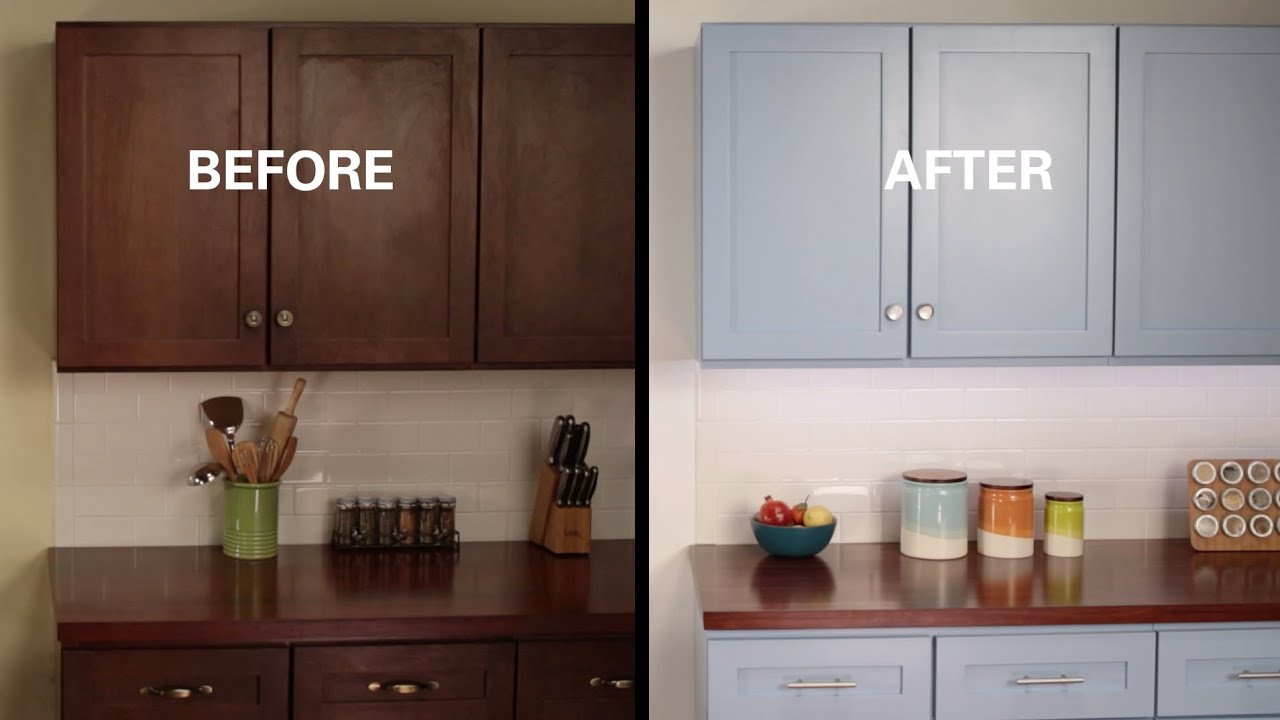
Image Source: i.ytimg.com
Deciphering Cabinet Refinishing Options
When we talk about “refinishing” kitchen cabinets, it can encompass a few different processes. Each has its own cost implications and aesthetic outcomes. It’s important to know which one aligns with your goals and budget.
Cabinet Painting Cost
Cabinet painting cost is a common choice for homeowners seeking a dramatic change. This involves cleaning, prepping, priming, and applying multiple coats of paint to your cabinet doors and frames.
-
DIY Cabinet Painting:
- Materials: This includes sandpaper, degreaser, primer, paint (specialty cabinet paint is recommended), brushes, rollers, spray guns (optional but recommended for a smoother finish), painter’s tape, drop cloths, and possibly a sanding block or electric sander.
- Estimated Cost (DIY): For a standard-sized kitchen (10-15 linear feet of cabinets), you can expect to spend anywhere from $200 to $700. This varies based on the quality of paint and materials you choose. High-end paints and specialized tools can push this cost higher.
- Time Investment: This is a significant factor. Proper cabinet painting can take anywhere from a weekend to several weeks, depending on your efficiency, the number of coats needed, and drying times between coats. It involves dismantling doors and drawers, cleaning, sanding, priming, painting, and reassembling.
-
Professional Cabinet Painting:
- Labor: This is the biggest differentiator. Professional painters have the experience, equipment (like sprayers for a factory-like finish), and efficiency to do the job quickly and to a high standard.
- Estimated Cost (Professional): The professional cabinet refinishing cost for painting can range from $2,000 to $6,000 for a typical kitchen. Some pros might charge by the linear foot, typically $50 to $100 per linear foot. This price includes all materials, labor, and often a warranty.
- Benefits: A professional finish is typically more durable and looks much smoother than a DIY job done without specialized equipment. They also handle the disassembly and reassembly, saving you time and hassle.
Cabinet Staining Cost
Cabinet staining cost is for those who want to enhance the natural beauty of wood cabinets or change the existing wood tone. Staining typically involves removing the old finish, sanding the wood, applying the stain, and then applying a protective topcoat (like polyurethane or lacquer).
-
DIY Cabinet Staining:
- Materials: Similar to painting, you’ll need sandpaper, degreaser, stain, rags or foam brushes for application, and a durable topcoat. You might also need wood filler for any imperfections.
- Estimated Cost (DIY): For a DIY staining project, you can expect to spend between $150 to $600. The cost will depend on the type and brand of stain and topcoat you select.
- Time Investment: Staining can be just as time-consuming as painting, if not more so, due to the need for thorough sanding and careful application of stain to avoid blotching. Multiple coats of topcoat are also necessary for durability, each requiring drying time.
-
Professional Cabinet Staining:
- Expertise: Pros have the skill to achieve an even stain application, which can be tricky with wood. They also know the best products for durability and appearance.
- Estimated Cost (Professional): The refinishing kitchen cabinets price for professional staining can range from $2,500 to $7,000 or more. This reflects the labor-intensive nature of stripping and sanding old finishes.
- Benefits: Professionals can achieve a rich, even stain and a highly durable finish that protects the wood for years. They also have access to a wider range of stain colors and finishes.
Cabinet Resurfacing Cost
Cabinet resurfacing cost typically refers to applying a new veneer or laminate over the existing cabinet surface. This is a good option if your cabinet boxes are in good shape but the doors and drawer fronts are worn or outdated. It’s a middle ground between refinishing and refacing.
-
DIY Cabinet Resurfacing:
- Materials: Adhesive-backed veneers or laminates, specialized cutting tools, rollers, and cleaning supplies.
- Estimated Cost (DIY): This can range from $300 to $1,000 for materials. The cost depends on the type of veneer (e.g., real wood veneer, vinyl laminate) and the quality.
- Time Investment: Applying veneers neatly requires patience and precision. Bubbles or misalignments are common DIY issues.
-
Professional Cabinet Resurfacing:
- Labor and Materials: Professionals will use high-quality veneers and have the tools and experience for a seamless application.
- Estimated Cost (Professional): Expect to pay between $3,000 to $7,000 for professional resurfacing. This often includes new doors and drawer fronts, making it a more comprehensive update.
Cabinet Refacing Cost
Cabinet refacing cost is a more involved process. It means replacing your existing cabinet doors and drawer fronts with new ones, and then covering the visible sides of the cabinet boxes with a matching veneer or laminate. Your existing cabinet boxes remain in place. This offers a completely new look without replacing the entire cabinet structure.
-
DIY Cabinet Refacing:
- Materials: New cabinet doors and drawer fronts (custom-ordered or pre-made), veneer or laminate for cabinet boxes, adhesive, primer, paint, hardware.
- Estimated Cost (DIY): This is highly variable. Ordering custom doors can cost $1,000 to $3,000 or more depending on the material (e.g., maple, cherry, MDF) and style. Add another $200-$500 for veneers and hardware. The biggest challenge for DIY is ensuring precise measurements and a professional-looking finish on the cabinet boxes.
- Time Investment: This is a significant undertaking. Ordering doors takes time, and then you need to carefully apply veneers and hardware.
-
Professional Cabinet Refacing:
- Comprehensive Service: Professionals handle the ordering of custom doors, precise fitting, and application of veneers to the cabinet boxes.
- Estimated Cost (Professional): Cabinet refacing cost typically ranges from $4,000 to $9,000 or more for a standard kitchen. This is often more expensive than painting or staining but can be less than full cabinet replacement.
- Benefits: You get a brand-new cabinet look with a professional finish. It’s a great way to update the style and functionality of your kitchen.
Factors Influencing Refinishing Costs
Several factors play a crucial role in determining the final refinishing kitchen cabinets price, whether you choose DIY or professional services.
Kitchen Size and Cabinet Quantity
- More Cabinets = Higher Cost: A larger kitchen with more cabinet boxes, doors, and drawers will naturally require more materials and labor, driving up the overall cost.
- How to Estimate Cabinet Refinishing Cost: A simple way to estimate is to measure the linear footage of your cabinets. For professional painting or staining, many contractors will quote a price per linear foot.
Cabinet Material
- Wood vs. Laminate/Thermafoil: Solid wood cabinets are generally easier to refinish (paint or stain) than laminate or thermofoil cabinets. Laminate and thermofoil surfaces often require special primers or techniques to ensure paint adhesion, and they cannot be stained. If you have these materials, painting or refacing are usually the better options.
- Wood Type: Different wood types might take stain differently, affecting the complexity and cost for professionals.
Condition of Existing Cabinets
- Wear and Tear: Cabinets with significant damage, peeling veneer, deep scratches, or water damage will require more prep work. This means more sanding, wood filler, and potentially specialized repair materials, increasing both DIY material costs and professional labor charges.
- Grease and Grime: Kitchen cabinets accumulate a lot of grease and grime. Thorough cleaning is essential for any refinishing project. If cabinets are heavily soiled, the cleaning and degreasing process will add time and effort.
Desired Finish and Complexity
- Paint Color: Light colors might require more coats of primer and paint to achieve full coverage compared to darker colors.
- Stain Shade: Achieving a specific, rich stain color might involve multiple applications or glazes, adding to the complexity.
- Special Finishes: Glazed finishes, two-tone effects, or distressed looks require more skill and time from professionals, thus increasing the cost.
Hardware and Fixtures
- New Hardware: If you plan to update your cabinet knobs and pulls, factor in the cost of new hardware, which can range from $2-$20+ per piece.
- Hinges: If you’re changing hinge styles or finishes, this is another cost to consider.
Geographic Location
- Cost of Living: Labor rates and material prices can vary significantly depending on your location. Major metropolitan areas generally have higher costs for professional services.
DIY Cabinet Refinishing: Sweat Equity vs. Material Costs
Embarking on a DIY cabinet refinishing project can be a rewarding experience, offering significant savings if done correctly. However, it demands a substantial investment of your time and effort.
Benefits of DIY
- Cost Savings: This is the primary motivator. By doing the labor yourself, you save on professional fees, which can be a large portion of the overall cabinet refinishing cost.
- Control: You have complete control over the process, materials, and finish.
- Skill Development: It’s an opportunity to learn new skills.
Challenges of DIY
- Time Commitment: As mentioned, this is not a weekend project. Expect to dedicate many hours over several days or weeks.
- Quality of Finish: Achieving a professional, factory-like finish can be difficult without specialized spray equipment and experience. The result might be less durable or aesthetically pleasing than a pro job.
- Potential for Errors: Mistakes like uneven staining, drips in paint, or improper sanding can be costly and time-consuming to fix.
- Mess and Disruption: Refinishing cabinets is a messy process that will disrupt your kitchen’s functionality for an extended period.
Tips for a Successful DIY Project
- Thorough Cleaning: Use a good degreaser to remove all grease and grime.
- Proper Sanding: Sanding is crucial for adhesion. Use the appropriate grit sandpaper for the task (e.g., 120-150 grit for initial sanding, 220 grit for a smoother finish).
- Quality Primer: Use a high-quality primer designed for cabinets. This is key for a lasting finish, especially when painting.
- Appropriate Paint/Stain: Invest in good quality paints or stains formulated for cabinets.
- Spray Application (If Possible): Renting or buying a paint sprayer will yield the smoothest, most professional-looking finish. If not, use high-quality brushes and rollers, and work in thin, even coats.
- Patience: Allow adequate drying time between coats of primer, paint, or stain. Rushing the process will compromise the final result.
Professional Cabinet Refinishing: Expertise for a Premium Finish
Hiring professionals for your cabinet refinishing project brings expertise, efficiency, and a guarantee of quality.
Benefits of Hiring a Professional
- Superior Finish: Professionals have the tools, techniques, and experience to achieve a smooth, durable, and beautiful finish that is difficult to replicate with DIY methods.
- Time Savings: They handle all the labor, freeing up your time. They can often complete the job much faster than a DIYer.
- Reduced Stress: You don’t have to worry about making mistakes, buying the wrong materials, or the mess involved.
- Durability and Warranty: Professional refinishing often comes with a warranty, providing peace of mind.
When to Hire a Pro
- Limited Time: If you have a busy schedule and cannot dedicate the necessary time.
- Desire for a Flawless Finish: If you want a high-end, showroom-quality result.
- Lack of Experience or Tools: If you’re not confident in your DIY skills or don’t have access to the right equipment.
- Valuable Wood Cabinets: If your cabinets are made of expensive wood and you want to ensure they are handled with expert care.
Choosing the Right Professional
- Get Multiple Quotes: Contact several reputable cabinet refinishers or painting companies.
- Check Reviews and Portfolios: Look for companies with good customer reviews and a portfolio of their work.
- Ask for References: Speak to previous clients.
- Understand the Scope of Work: Ensure the quote clearly outlines what is included (e.g., number of coats, types of materials, hardware removal/reinstallation).
- Verify Licensing and Insurance: Make sure they are properly licensed and insured.
Comparing DIY vs. Professional Costs: A Snapshot
To help you visualize the difference, here’s a general cost comparison for a standard-sized kitchen (approximately 15 linear feet of cabinets). These are estimates and can vary greatly.
| Service Type | DIY Estimated Cost | Professional Estimated Cost |
|---|---|---|
| Cabinet Painting | $200 – $700 | $2,000 – $6,000 |
| Cabinet Staining | $150 – $600 | $2,500 – $7,000 |
| Cabinet Refacing | $1,200 – $3,500 | $4,000 – $9,000+ |
| Cabinet Resurfacing | $300 – $1,000 | $3,000 – $7,000 |
Note: These figures do not include the cost of new hardware, which can add several hundred dollars to any project.
Frequently Asked Questions (FAQ)
Q1: How much does it cost to paint kitchen cabinets?
The cabinet painting cost can range significantly. DIY painting typically costs $200-$700 for materials, while hiring a professional can cost $2,000-$6,000.
Q2: Is it cheaper to paint or stain kitchen cabinets?
Generally, staining might be slightly cheaper for DIY if your cabinets are already wood and in good condition, as you might skip the priming step. For professionals, the costs can be comparable, with staining sometimes being a bit more expensive due to the meticulous prep required to remove old finishes.
Q3: What is cabinet resurfacing vs. refacing?
Cabinet resurfacing usually means applying a new layer (like veneer or laminate) over the existing cabinet surfaces, especially on doors and drawer fronts. Cabinet refacing involves replacing the doors and drawer fronts entirely and covering the cabinet boxes with a new finish, offering a more dramatic transformation.
Q4: Can I refinish laminate cabinets?
Yes, you can refinish laminate cabinets, but they must be painted, not stained. Special primers and paints designed for laminate or slick surfaces are essential for proper adhesion.
Q5: How do I estimate cabinet refinishing cost for my kitchen?
To estimate cabinet refinishing cost, measure the linear footage of your cabinets. Get quotes from professionals based on this measurement and the type of finish you desire. For DIY, price out all the necessary materials, considering the square footage of your cabinet surfaces.
Q6: Is refacing kitchen cabinets worth the cost?
Cabinet refacing can be worth the cost if you like the layout of your kitchen but dislike the look of your current cabinets. It’s generally less expensive than full cabinet replacement but offers a significant aesthetic upgrade and can increase your home’s value.
Q7: What’s the difference in cost between DIY cabinet refinishing and professional?
The difference is primarily labor. You save on the professional’s time and expertise with DIY, but you invest your own time and effort. The savings can be substantial, often several thousand dollars for a typical kitchen.
Final Thoughts on Refinishing Your Kitchen Cabinets
Deciding whether to tackle cabinet refinishing as a DIY project or hire a professional involves weighing costs, time, and desired outcomes. The DIY cabinet refinishing cost is primarily for materials, while the professional cabinet refinishing cost includes labor and expertise.
If budget is your primary concern and you have the time and patience, a DIY approach can save you a significant amount of money. However, be realistic about the time commitment and the quality of the finish you can achieve.
If you’re aiming for a flawless, durable finish, want to save your time and energy, or have complex cabinet structures, hiring a professional is often the best investment. They possess the skills and equipment to deliver a superior result.
No matter which path you choose, refinishing your kitchen cabinets is an excellent way to update your kitchen and increase your home’s value. Carefully consider your options, research thoroughly, and choose the method that best fits your needs and expectations.