
What is the best way to line kitchen cabinets? The best way to line kitchen cabinets is to choose a material that fits your needs for durability, ease of cleaning, and aesthetic appeal, and then carefully measure and cut it to size before adhering it securely.
Kitchen cabinets are workhorses. They hold everything from your fine china to your everyday spices. Over time, spills, scratches, and general wear and tear can take a toll. Lining your kitchen cabinets offers fantastic cabinet protection and makes organizing cabinets a breeze. This guide will walk you through everything you need to know about choosing and installing cabinet liners, from selecting the right material to making sure your shelf liners and drawer liners look neat and stay put.
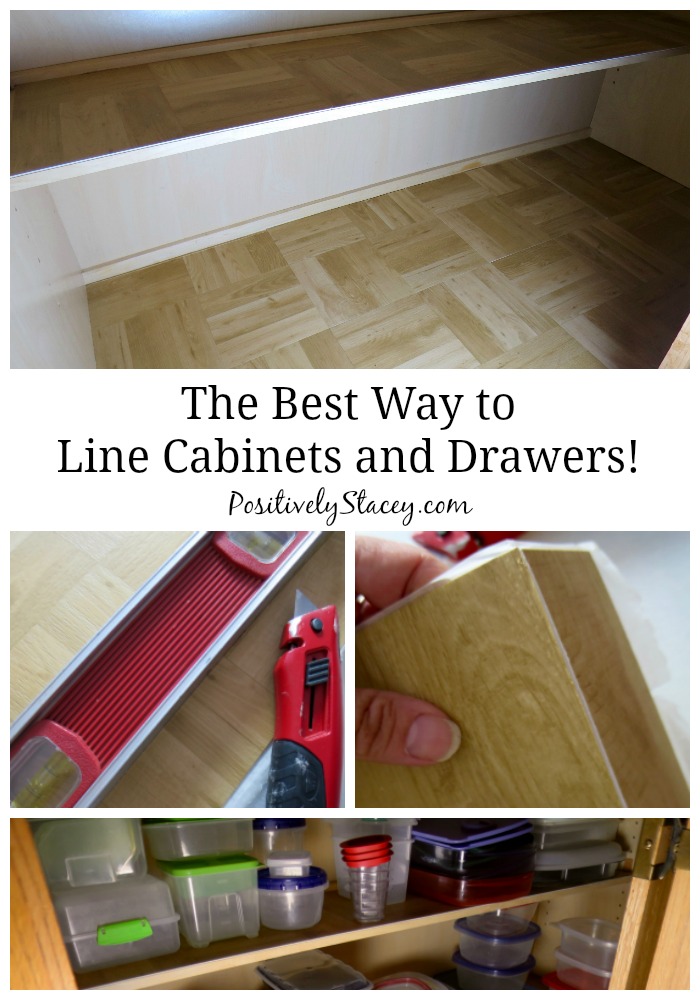
Image Source: positivelystacey.com
Why Line Your Kitchen Cabinets?
Many homeowners overlook cabinet liners, but they offer a surprising number of benefits. Think of them as a shield for your cabinets and a helping hand for your organization efforts.
Benefits of Cabinet Liners:
- Protection from Spills and Stains: Life happens in the kitchen. Leaky jars, spilled flour, or sticky syrups can wreak havoc on the raw wood or laminate inside your cabinets. Waterproof liners create a barrier, preventing damage and making cleanup much simpler.
- Scratch Prevention: When you slide pots, pans, or even heavy appliance boxes, they can leave unsightly scratches. Liners absorb some of this friction, keeping your cabinet interiors looking fresh.
- Easier Cleaning: Cleaning out a cabinet can be a chore. With liners, you can often just lift out the liner, wipe it down, and replace it. This is especially true for easy to clean liners made from materials like vinyl or laminate.
- Grip and Stability: Some liners provide a non-slip surface. This is incredibly helpful for preventing glasses, mugs, and plates from sliding around, especially in drawers.
- Aesthetic Enhancement: While often hidden, liners can add a touch of style to your kitchen. You can find them in a wide array of colors, patterns, and textures to match your decor.
- Noise Reduction: Liners can help dampen the sound of dishes or pots clinking together, creating a quieter kitchen environment.
Choosing the Right Cabinet Liners
With so many options available, selecting the perfect cabinet liners can feel overwhelming. Consider these factors to make the best choice for your kitchen:
Types of Cabinet Liners:
There are two main categories of liners: non-adhesive liners and adhesive liners.
Non-Adhesive Liners:
These liners simply lie flat on the shelf or in the drawer. They are popular for their ease of use and repositionability.
- Pros:
- No sticky residue left behind.
- Easy to remove and wash.
- Great for renters or those who like to change their decor often.
- Often more affordable.
- Cons:
- Can shift or slide over time, especially with heavy items.
- May not provide as smooth a surface for drawers.
Adhesive Liners:
These liners come with a peel-and-stick backing. They offer a more secure fit and a smoother finish.
- Pros:
- Stay firmly in place, preventing shifting.
- Create a very smooth surface, ideal for drawers.
- Can also be used to update the look of cabinets.
- Cons:
- Can be tricky to apply without bubbles or wrinkles.
- May leave sticky residue when removed, or even damage the cabinet surface if removed improperly.
- Less forgiving of mistakes.
Material Considerations:
The material of your shelf liners and drawer liners will determine their durability, water resistance, and ease of cleaning.
Popular Liner Materials:
-
Vinyl:
- Pros: Very waterproof liners, easy to clean liners, durable, affordable, available in many styles.
- Cons: Can sometimes have a plastic-like feel, may wrinkle if not applied carefully.
- Best for: General use, high-traffic areas, areas prone to spills.
-
Foam/Padded Vinyl:
- Pros: Offers extra cushioning, good grip, helps prevent items from sliding, waterproof liners.
- Cons: Can be thicker, potentially reducing usable shelf space, might be slightly harder to clean than smooth vinyl.
- Best for: Cabinets holding glassware, delicate items, or drawers where you want extra stability.
-
Laminate:
- Pros: Very durable liners, excellent stain resistance, easy to clean liners, can mimic wood or stone patterns.
- Cons: Usually adhesive liners, so application requires care. Can be more expensive.
- Best for: High-use cabinets, pantry shelves, drawers needing a premium look and feel.
-
Silicone:
- Pros: Heat resistant, flexible, excellent grip, very durable liners, waterproof liners.
- Cons: Can be more expensive, typically non-adhesive liners so may shift.
- Best for: Under sink cabinets, areas where heat might be a concern, drawers needing superior grip.
-
Paper/Cardboard:
- Pros: Very inexpensive, easy to cut and replace.
- Cons: Not waterproof liners, not very durable liners, stains easily, can tear.
- Best for: Temporary solutions, areas with very low traffic and no spill risk.
Measuring and Cutting Your Liners
Accurate measurements are key to a professional-looking finish and effective cabinet protection.
Step-by-Step Measuring:
- Empty the Cabinet or Drawer: Start with a clean slate. Remove all items from the space you’ll be lining.
- Measure the Depth: Place your tape measure at the back of the shelf or drawer and extend it to the front edge.
- Measure the Width: Measure from one side of the cabinet or drawer to the other.
- Measure the Height (if applicable): For drawers, measure the inside height of the drawer box. For cabinet shelves with raised edges, you might want to measure up the back and sides for a complete fit.
- Add a Little Extra (Optional but Recommended): For shelves, adding about an inch to the depth and width can be helpful. This allows you to tuck the edges slightly for a cleaner look, especially with non-adhesive liners. For drawers, it’s often best to aim for a precise fit.
Cutting for a Perfect Fit:
- Lay the Liner Flat: Unroll or unfold your chosen liner material on a flat surface.
- Mark Your Measurements: Use a pencil or a fine-tip marker to carefully mark your cutting lines on the back of the liner (the side without the pattern or adhesive).
- Use a Sharp Blade: A sharp craft knife, utility knife, or even a good pair of scissors will give you clean edges. For thicker materials, a utility knife with a fresh blade is recommended.
- Use a Straight Edge: A metal ruler or a T-square is invaluable for guiding your cuts, especially with adhesive liners, to ensure straight lines and avoid jagged edges.
- Cut Carefully: Take your time. Cut slowly and steadily along your marked lines. For large rolls, you might find it easier to cut a smaller section from the roll first.
Tip: If you’re unsure about your measurements, it’s always better to cut a piece slightly too large. You can always trim it down.
Installing Cabinet Liners
The installation process will vary slightly depending on whether you’re using adhesive liners or non-adhesive liners.
Installing Non-Adhesive Liners:
This is the simplest method.
- Clean the Surface: Ensure the cabinet shelf or drawer interior is clean and dry.
- Place the Liner: Carefully lay the cut liner onto the surface.
- Adjust and Tuck: Gently smooth out any wrinkles or bubbles. If you cut extra for tucking, carefully push the edges down and under the shelf lip or drawer front.
- Secure (Optional): If you find the liner is still shifting, you can use a small dab of double-sided tape or a few discreet pieces of painter’s tape in the corners to keep it in place.
Installing Adhesive Liners:
Patience is key here.
- Clean and Dry Thoroughly: This is crucial for good adhesion. Wipe down the surface with a damp cloth and then a dry one. Ensure no dust or residue remains.
- Peel a Small Section: Instead of peeling off the entire backing at once, peel back only a few inches from the leading edge of the liner.
- Align Carefully: Position the exposed adhesive edge precisely where you want it to start.
- Smooth as You Go: Slowly and steadily peel the backing away while simultaneously smoothing the liner onto the surface. Use a smoother tool (like a credit card, a plastic spatula, or a dedicated roller) to press out any air bubbles and ensure firm adhesion. Work from the center outwards.
- Tuck or Trim: If you have excess material, carefully trim it with a sharp knife and ruler for a neat finish. For drawers, ensure the liner doesn’t impede the drawer’s movement.
Table: Installation Method Comparison
| Feature | Non-Adhesive Liners | Adhesive Liners |
|---|---|---|
| Ease of Install | Very easy, just place and smooth | Requires precision and care to avoid bubbles/wrinkles |
| Repositioning | Easy to lift and adjust | Difficult to reposition once applied; can leave residue |
| Adhesion | Relies on weight and friction; may shift | Sticks firmly; stays in place |
| Surface Finish | Can sometimes have a slight texture or be bumpy | Creates a smooth, uniform surface |
| Residue Concern | None | Potential for residue or damage upon removal |
| Ideal Use | Renters, temporary fixes, simple organization | Long-term solutions, high-wear areas, drawer organization |
Specific Applications: Shelf Liners vs. Drawer Liners
While the principles are the same, there are slight differences in how you might approach lining shelves versus drawers.
Lining Kitchen Shelves:
Kitchen shelves often hold a variety of items, from cans and jars to plates and bowls.
- Protection: Focus on waterproof liners and durable liners to protect against spills from condiments, oils, or cleaning supplies.
- Organization: Consider shelf liners that offer some grip to prevent items from sliding, especially on angled shelves.
- Aesthetics: Many people choose decorative liners for open shelving or glass-front cabinets to add visual appeal.
Tips for Shelf Liners:
- For deep shelves, consider using two pieces side-by-side, overlapping them slightly for a cleaner look.
- If using non-adhesive liners on shelves that hold heavy items, ensure they are thick enough not to ripple or move.
- For pantry shelves, easy to clean liners are paramount due to potential spills of dry goods like flour or sugar.
Lining Kitchen Drawers:
Drawers are crucial for organizing cabinets and keeping items tidy.
- Smooth Surface: Adhesive liners are often preferred for drawers as they provide a smooth, consistent surface that prevents utensils, cutlery, or other items from snagging.
- Grip: Look for liners with good grip to stop items from sliding around when the drawer is opened or closed.
- Protection: Liners protect the drawer base from scratches caused by utensils and spills from cleaning sprays or food items stored in drawers.
Tips for Drawer Liners:
- Ensure the liner is thin enough not to interfere with the drawer’s closing mechanism.
- For utensil drawers, choose easy to clean liners that can withstand occasional food debris.
- If using non-adhesive liners in drawers, consider a thicker, more substantial material to prevent it from shifting too easily.
Advanced Lining Techniques and Considerations
Once you’ve mastered the basics, you might want to explore some more advanced options.
Lining Inside Cabinet Doors:
Don’t forget the inside of your cabinet doors! You can use thinner liner materials, often adhesive-backed, to protect them from spills or to add a decorative touch. This is also a great place to attach small hooks or organizers.
Special Areas: Under the Sink
The area under the kitchen sink is notorious for leaks and spills.
- Waterproof is Key: Absolutely prioritize waterproof liners in this area. Look for materials that are also resistant to mold and mildew.
- Containment: Consider liners with a slight lip or edge to contain any minor spills and prevent them from spreading.
- Durability: This area often holds heavy cleaning supplies, so durable liners are essential.
Revitalizing Old Cabinets:
Adhesive liners can be a fantastic and cost-effective way to give old, worn-out cabinets a fresh look without a full renovation. You can choose patterns and textures to completely transform the interior.
Maintaining Your Cabinet Liners
Keeping your liners clean will ensure they continue to provide optimal cabinet protection and organization.
Cleaning Your Liners:
- Non-Adhesive Liners: Simply lift them out and wash them with warm, soapy water. Allow them to air dry completely before replacing them.
- Adhesive Liners: For most vinyl or laminate liners, a damp cloth with a mild detergent is sufficient. For tougher stains, you might use a non-abrasive cleaner. Avoid harsh chemicals that could damage the material or adhesive. Always test a small, inconspicuous area first.
Replacing Liners:
Over time, even the most durable liners may need to be replaced. Signs it’s time include significant staining, tearing, bubbling of adhesive liners, or the liner becoming sticky or worn.
Frequently Asked Questions (FAQ)
Q1: Can I use shelf liners in my refrigerator?
A1: Yes, many types of cabinet liners, particularly vinyl and foam-padded varieties, are suitable for refrigerators. Ensure they are food-safe and easy to wipe down.
Q2: Will adhesive liners damage my cabinets?
A2: Most adhesive liners are designed to be removable, but it’s always a good idea to test a small area first. If you have older or delicate cabinet finishes, non-adhesive liners might be a safer choice. Applying heat with a hairdryer can sometimes help soften the adhesive for easier removal.
Q3: How do I prevent liners from curling up?
A3: For non-adhesive liners, using a slightly heavier material or securing the corners with double-sided tape can help. For adhesive liners, ensuring proper application with good adhesion and no trapped air bubbles is key. Overlapping pieces slightly on deep shelves can also prevent curling at the edges.
Q4: What is the best liner for a pantry?
A4: For pantries, waterproof liners and easy to clean liners are essential due to potential spills from dry goods. Vinyl or laminate materials are excellent choices for their durability and ease of maintenance.
Q5: Can I use shelf liners on the bottom of my drawers?
A5: Yes, drawer liners are highly recommended for the bottom of drawers. They protect the drawer base from scratches and spills, and can also provide a non-slip surface for better organization. Adhesive liners often work best in drawers for a smooth, secure fit.
By following these guidelines, you can effectively line your kitchen cabinets, providing excellent cabinet protection and enhancing your organizing cabinets efforts for a cleaner, more functional, and more beautiful kitchen.