
What is a kitchen sink strainer? A kitchen sink strainer is a small but vital component that fits into the drain opening of your kitchen sink. Its primary purpose is to prevent food scraps, hair, and other debris from entering your plumbing system, which can cause clogs and damage. Can I install a kitchen sink strainer myself? Yes, absolutely! Installing or replacing a kitchen sink strainer is a straightforward DIY project that most homeowners can tackle with basic tools and a little guidance.
This comprehensive guide will walk you through the entire process of installing a kitchen sink strainer, from gathering your supplies to tightening that final nut. Whether you’re doing a new kitchen sink drain installation or need to learn how to replace a sink strainer, this tutorial has you covered. We’ll also touch upon related tasks like garbage disposal flange installation and general DIY kitchen sink repair.
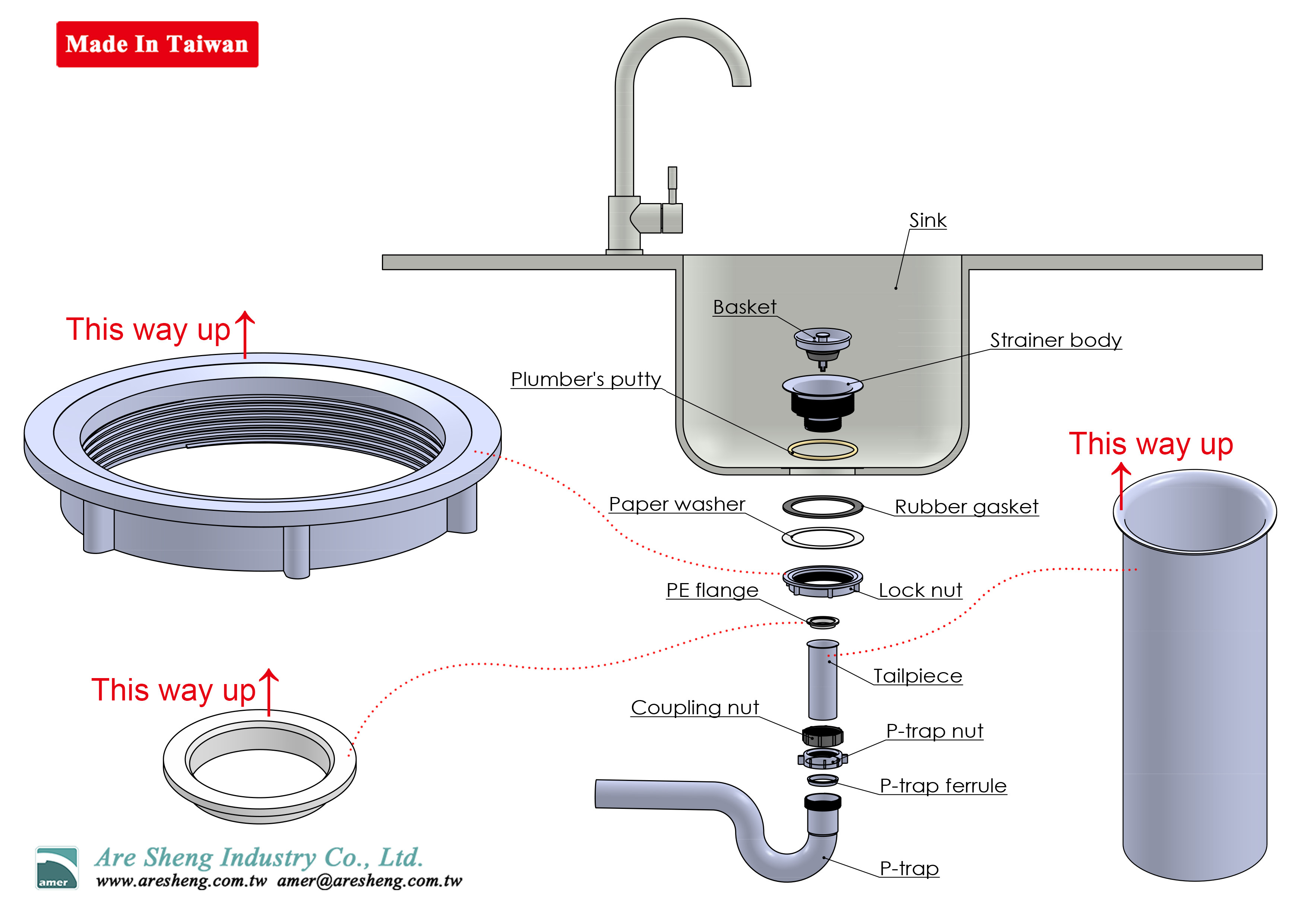
Image Source: www.aresheng.com.tw
Preparing for Your Kitchen Sink Strainer Installation
Before you dive in, it’s crucial to have everything you need ready. This preparation will save you time and frustration.
Essential Tools and Materials
Gathering the right tools is the first step to a successful project. Here’s a list of what you’ll likely need:
- New Sink Strainer Assembly: Ensure it’s compatible with your sink’s drain opening and is the correct size. Most standard sinks use a 3-1/2 inch strainer.
- Plumber’s Putty or Silicone Sealant: This creates a watertight seal between the strainer and the sink.
- Adjustable Wrench or Pipe Wrench: For tightening and loosening the drain components.
- Screwdriver (Phillips and Flathead): To remove old screws or secure new ones.
- Bucket or Towels: To catch any residual water in the drainpipe.
- Gloves: To protect your hands from grime and sealant.
- Rag or Sponge: For cleaning up excess putty or sealant.
- Wire Brush (Optional): For cleaning the sink’s drain opening if it has old gunk.
- Cutting Pliers or Saw (if removing an old, stubborn strainer): For cutting through old pipes or strainers if necessary.
- Lubricant (like WD-40, if needed): To help loosen corroded or stuck parts.
Safety First!
While this is a relatively simple task, safety is always paramount.
- Turn off the water supply: Locate the shut-off valves beneath the sink (usually for hot and cold water) and turn them clockwise until they stop. If you don’t have individual shut-off valves, you’ll need to turn off the main water supply to your house.
- Clear the under-sink area: Remove all cleaning supplies, bins, and anything else stored under your sink to give yourself ample working space.
- Wear safety glasses: Protect your eyes from any falling debris or splashing water.
Step-by-Step Guide to Installing Your Kitchen Sink Strainer
Let’s get to the heart of the matter – the installation itself. This guide assumes you are installing a new strainer into an existing setup, or replacing an old one.
Step 1: Removing the Old Sink Strainer (If Applicable)
If you’re learning how to replace a sink strainer, this is your starting point.
- Locate the Locknut: Underneath your sink, find the large nut that secures the strainer to the sink basin. This is the locknut.
- Loosen the Locknut: Use your adjustable wrench or pipe wrench to loosen this locknut by turning it counterclockwise. You might need to hold the strainer body from above with a screwdriver to prevent it from turning.
- Disconnect the Drainpipe: Once the locknut is loose, you can usually unscrew the tailpiece (the pipe directly attached to the strainer) from the strainer body. Be prepared for a little water to drip out. Place your bucket or towels underneath.
- Remove the Old Strainer: From the top of the sink, pull out the old strainer. If it’s stuck, you might need to gently pry it or use a screwdriver to push it up from below while pulling from above. Sometimes, applying a bit of heat (from a hairdryer) to the old plumber’s putty can help it release.
Step 2: Cleaning the Sink Drain Opening
A clean surface is essential for a good seal.
- Remove Old Putty/Sealant: Use a putty knife or screwdriver to scrape away any old plumber’s putty or silicone sealant from the drain opening on both the top and underside of the sink.
- Clean Thoroughly: Wipe down the area with a damp rag to remove any remaining debris or grime. A wire brush can be helpful for stubborn residue. Ensure the surface is dry before proceeding.
Step 3: Preparing the New Sink Strainer
Most new sink strainer assemblies come with several parts. Let’s identify them and prepare for assembly.
A typical sink stopper and strainer assembly includes:
- Strainer Body: The main metal part that fits into the sink drain.
- Gasket(s): Usually a rubber or neoprene washer that sits under the sink to create a seal.
- Friction Ring or Cardboard Washer: A ring that helps compress the gasket.
- Locknut: The large nut that tightens the assembly from underneath.
- Tailpiece: The pipe that connects to the bottom of the strainer and extends to your drainpipe.
Important Note: If you are installing a strainer for a garbage disposal, you will be installing a garbage disposal flange installation instead of a standard strainer. The process is similar, but the flange has a different shape and threading.
Step 4: Applying Plumber’s Putty or Sealant
This step is crucial for preventing leaks.
- Form a Rope: Take a generous amount of plumber’s putty (or apply a bead of silicone sealant) and roll it into a rope about 1/2 inch thick.
- Place Around the Strainer: Carefully wrap this putty rope around the underside rim of the new sink strainer. Ensure it forms a continuous ring without gaps. This putty will be compressed when the strainer is installed, creating a watertight seal against the sink basin.
- Tip for Silicone: If using silicone, apply a neat bead around the underside of the strainer.
Step 5: Installing the New Strainer
Now it’s time to put the new strainer in place.
- Insert Strainer: Press the strainer firmly into the drain opening from the top of the sink. Push down enough so that the plumber’s putty begins to squeeze out around the edges.
- Align from Below: Go underneath the sink. You should see the body of the strainer extending through the sink’s drain hole.
Step 6: Assembling the Underside Components
This is where you secure the strainer from below.
- Place the Gasket and Washer: Slide the rubber gasket onto the threaded part of the strainer body that protrudes from the sink. Then, place the friction ring or cardboard washer over the gasket.
- Screw on the Locknut: Thread the large locknut onto the strainer body, tightening it as much as you can by hand.
- Tighten the Locknut: Use your adjustable wrench to tighten the locknut further. Important: You need to hold the strainer itself from turning as you tighten the locknut. You can do this by inserting a screwdriver through the strainer basket holes and bracing it against the sink basin or by having someone hold it. Tighten until the locknut is snug and the strainer is firmly seated. Do not overtighten, as this can crack the sink. The plumber’s putty should squeeze out evenly around the top of the strainer.
Step 7: Connecting the Tailpiece
This connects the strainer to your existing drainpipe.
- Attach the Tailpiece: Screw the tailpiece onto the bottom of the strainer body. Make sure the threads are clean.
- Tighten: Hand-tighten the tailpiece, then use your wrench to give it an additional quarter-turn. Do not overtighten.
- Connect to Drainpipe: If you disconnected any other sections of your sink plumbing (like P-traps), reassemble them now. Ensure all connections are snug.
Step 8: Testing for Leaks
This is a critical step to ensure your kitchen sink plumbing guide has been followed correctly.
- Plug the Sink: Place the sink stopper in the drain and fill the sink with a few inches of water.
- Inspect for Leaks: While the water is in the sink, get underneath and carefully check all the connections you made:
- Around the strainer where it meets the sink basin.
- The locknut and gasket area.
- The connection between the strainer and the tailpiece.
- Any other plumbing joints you may have disturbed.
- Drain and Check Again: Remove the stopper and let the water drain. As the water flows through the pipes, inspect the drain assembly again for any drips or leaks.
- Tighten if Necessary: If you find any leaks, gently tighten the corresponding connection a little more. Sometimes, a loose locknut is the culprit.
Step 9: Cleaning Up
- Wipe Away Excess Putty: Use a damp rag to wipe away any excess plumber’s putty that squeezed out around the strainer.
- Dry the Area: Make sure the under-sink area is dry.
- Restore Supplies: Put your cleaning supplies and other items back under the sink.
Congratulations! You’ve successfully installed your kitchen sink strainer.
Special Considerations: Garbage Disposal Flange Installation
If your kitchen sink has a garbage disposal, the process of installing a new drain component involves a garbage disposal flange installation. This flange is slightly different from a standard strainer.
- Flange Design: A garbage disposal flange has a wider rim and a different threading system to connect securely to the disposal unit.
- Installation Process: The general steps are similar: clean the drain opening, apply putty, insert the flange, and secure it from below with the provided mounting hardware (usually a large mounting ring and screws).
- Connecting to Disposal: The key difference is that the disposal unit itself will then attach to this installed flange. Ensure the flange is seated perfectly to prevent leaks into the disposal unit.
When learning how to install a kitchen sink strainer, it’s important to differentiate between a standard sink drain and a garbage disposal connection.
Troubleshooting Common Issues
Even with careful installation, you might encounter minor hiccups. Here’s how to address them.
Leaky Strainer Assembly
- Cause: The most common reason for leaks is an insufficient or uneven seal of the plumber’s putty, or a loose locknut.
- Solution:
- Turn off the water supply.
- Tighten the locknut further.
- If tightening doesn’t work, you may need to disassemble the strainer, clean off the old putty, reapply fresh putty or sealant, and reassemble. Ensure the locknut is properly tightened while holding the strainer from turning.
- Check the gasket; it might be damaged or improperly seated.
Strainer Wobbles
- Cause: The locknut is not tight enough, or the plumber’s putty seal has failed.
- Solution: Tighten the locknut from underneath. If it’s already very tight, the putty seal might be the issue, requiring reinstallation as described above.
Difficulty Removing an Old Strainer
- Cause: Old, corroded parts, hardened putty, or over-tightening over the years.
- Solution:
- Apply a penetrating lubricant like WD-40 to the threads of the locknut and let it sit for a while.
- Use a pipe wrench for better grip.
- If it’s still stuck, you might need to carefully cut through the locknut or the strainer body using a hacksaw or a rotary tool with a cutting wheel. Be very careful not to damage the sink basin itself. This is a last resort.
What if I need to fix a leaky sink drain connection further down the line?
If your leak isn’t at the strainer but further down, like at a P-trap connection, the fix usually involves:
- Identifying the leak source: Watch carefully as water flows through the pipes.
- Tightening connections: Many leaks are simply loose slip nuts. Tighten these by hand first, then a little with a wrench if needed.
- Replacing washers: The plastic or rubber washers inside slip nuts can wear out. Disassemble the connection, replace the old washer with a new one, and reassemble.
- Using Pipe Dope or Teflon Tape: For threaded pipe connections (not slip-joint connections), apply pipe dope or Teflon tape to the threads before screwing them together to create a seal.
This entire process is part of DIY kitchen sink repair and falls under general plumbing basics sink drain knowledge.
How the Parts Work Together: A Sink Drain Assembly Overview
To better grasp how to install a kitchen sink strainer, it helps to know how the parts connect.
| Component | Function | Where it’s located |
|---|---|---|
| Sink Strainer | The basket that catches debris. Also holds the assembly together from the top. | Inside the sink drain opening |
| Plumber’s Putty | Creates a watertight seal between the strainer and the sink basin. | Under the rim of the strainer |
| Gasket | Seals the connection between the sink and the locknut assembly from below. | Under the sink, around the strainer body |
| Friction Ring | Helps compress the gasket for a tighter seal. | Under the sink, around the strainer body |
| Locknut | Secures the strainer assembly to the sink basin. | Under the sink, threaded onto the strainer body |
| Tailpiece | The pipe that connects the strainer assembly to the rest of the drain system. | Under the sink, attached to the bottom of the strainer body |
This breakdown illustrates the kitchen sink drain installation from top to bottom.
Frequently Asked Questions (FAQ)
Here are some common questions people have when installing a sink strainer.
Q1: Do I really need plumber’s putty?
A1: Yes, unless the strainer assembly specifically states it uses a rubber gasket that creates the seal. Plumber’s putty is designed to remain pliable and create a watertight seal against porcelain or stainless steel sinks. If you’re installing a new sink, this is crucial.
Q2: Can I reuse the old locknut and gasket?
A2: It’s highly recommended to use new components. Old gaskets can become brittle or deformed, leading to leaks. Old locknuts can also be corroded and difficult to tighten properly. Always use the parts that come with your new strainer assembly for the best results.
Q3: My sink is very old. What if the drain opening isn’t standard?
A3: While most sinks adhere to standard drain sizes (like 3-1/2 inches), very old or custom sinks might have slight variations. Measure your existing strainer or drain opening carefully before purchasing a new one. If you find a significant difference, you might need a special adapter or a custom solution.
Q4: How tight should I make the locknut?
A4: Tighten it until it’s snug and the strainer doesn’t move. You should see a little bit of plumber’s putty squeeze out around the top of the strainer. Overtightening can crack the sink, especially if it’s porcelain or cast iron. It’s better to have a slightly snug connection and then test for leaks, tightening a bit more if needed, than to overtighten from the start.
Q5: My new strainer looks different from the old one. Is that okay?
A5: As long as the dimensions of the drain opening match and the connection points are compatible, a different design is usually fine. Some strainers are deeper, some have different basket designs, or integrated stoppers. The key is that it fits the hole and connects to your drainpipe correctly.
Q6: What’s the difference between a strainer and a drain basket?
A6: In the context of a kitchen sink, these terms are often used interchangeably for the removable basket that catches food. The “strainer” can refer to the entire assembly that seals the drain, while the “drain basket” is the part you see in the sink that you can lift out. When buying a replacement, you’re typically purchasing a drain basket replacement which is part of the strainer assembly.
By following these steps and tips, you’ll be well-equipped to handle your kitchen sink plumbing guide needs and perform a successful install new sink drain component. This is a rewarding DIY kitchen sink repair that can save you money and give you confidence in your home maintenance skills.