
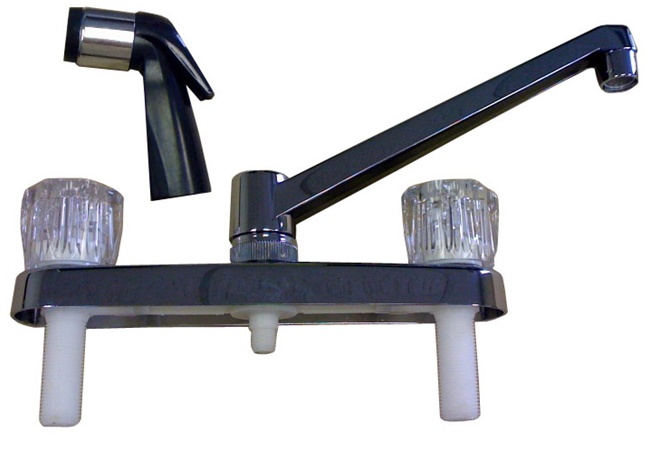
Image Source: www.completemobilehomesupply.com
How to Repair a Mobile Home Kitchen Faucet: DIY Guide
Can I fix my mobile home kitchen faucet myself? Yes, you can absolutely fix your mobile home kitchen faucet yourself with the right guidance and tools. Many common issues like leaks and low water pressure are straightforward to address without calling a plumber.
Mobile home kitchen faucet repair can seem daunting, especially if you’re not used to tackling home plumbing. However, with this in-depth DIY guide, you’ll be equipped to handle most common problems, from a leaky mobile home kitchen faucet to a faucet that’s lost its oomph. We’ll cover everything you need to know about fixing mobile home kitchen faucet issues, including essential mobile home kitchen tap maintenance to keep your faucet running smoothly for years to come. Whether you’re looking to perform a simple kitchen sink faucet replacement mobile home or just need to address a persistent drip, this guide will walk you through it step-by-step.
Troubleshooting Common Mobile Home Kitchen Faucet Problems
Before diving into repairs, it’s crucial to identify what’s wrong. Common mobile home kitchen faucet problems often stem from worn-out internal parts or simple blockages. Let’s break down the most frequent culprits:
The Dripping Faucet
This is perhaps the most common issue. A dripping mobile home faucet wastes water and can be incredibly annoying. The usual cause is a worn-out washer or O-ring inside the faucet.
Low Water Pressure
If your water flow has significantly decreased, it could be due to mineral buildup in the aerator or internal faucet components. Sometimes, it’s a sign of a bigger mobile home kitchen plumbing repair issue, but often it’s a simple fix.
Leaking from the Base
Water pooling around the base of the faucet usually indicates a problem with the seals or gaskets where the faucet connects to the sink.
Loose Handle
A wobbly or loose handle often means the set screw that holds it in place has come loose.
Squeaking or Grinding Noises
These sounds typically point to worn-out seals or corroded internal parts.
Essential Tools for Faucet Repair
Gathering the right tools before you start will make the job much easier and prevent frustration. Here’s a list of common tools you’ll likely need for mobile home kitchen faucet repair:
- Adjustable Wrench: For tightening and loosening nuts.
- Pliers: Both standard and needle-nose pliers are useful for gripping small parts.
- Screwdrivers: A set of Phillips and flathead screwdrivers in various sizes.
- Allen Wrench Set: Many faucet handles are secured with a small hex screw.
- Plumber’s Tape (Teflon Tape): To create watertight seals on threaded connections.
- Replacement Parts: Washers, O-rings, cartridges, or even a new faucet depending on the issue. Knowing where to find mobile home faucet parts is key.
- Bucket and Rags: To catch any residual water and clean up spills.
- Vinegar or Lime Remover: For descaling the aerator.
- Penetrating Oil (Optional): For loosening stubborn or corroded parts.
- Utility Knife or Small Pry Bar: For gently prying off decorative caps.
Step-by-Step Guide to Fixing Common Faucet Issues
Let’s get hands-on with fixing your mobile home kitchen faucet.
How to Fix a Dripping Mobile Home Faucet
A dripping faucet is a classic sign that it’s time for some mobile home kitchen tap maintenance. The most likely culprit is a worn-out washer or O-ring.
Steps to Replace a Faucet Washer/O-ring:
- Shut Off the Water Supply: This is the most critical first step. Look for the shut-off valves under the sink. They are usually small knobs or levers attached to the water lines leading to the faucet. Turn them clockwise until they are fully closed. To be absolutely sure, open the faucet to drain any remaining water and confirm no more is flowing.
- Remove the Faucet Handle: Most faucet handles have a decorative cap that hides a screw. Gently pry off the cap using a utility knife or a small flathead screwdriver. Then, unscrew the screw with the appropriate screwdriver. Once the screw is removed, the handle should lift off. Some handles might have a small set screw on the side or back that requires an Allen wrench.
- Access the Stem or Cartridge: Once the handle is off, you’ll see the faucet’s internal workings. You might need to remove a decorative bonnet nut or a retaining clip. Use your adjustable wrench to carefully unscrew any nuts.
- Locate and Replace the Washer/O-ring: The stem of the faucet will now be exposed. At the bottom of the stem, you’ll find a rubber washer held in place by a screw. Unscrew this screw, remove the old washer, and replace mobile home kitchen faucet washer with a new one of the exact same size and type. If you see O-rings around the stem, replace those as well. Make sure to get mobile home faucet parts that match your faucet model for a proper fit.
- Reassemble the Faucet: Reverse the steps you took to disassemble. Screw the stem back into place, replace any clips or nuts, reattach the handle, and tighten the handle screw.
- Turn Water Back On: Slowly turn the shut-off valves back on. Check for leaks around the handle and spout. If there are no leaks, turn on the faucet to test the flow and ensure the drip is gone.
Addressing Low Water Pressure
Low water pressure can be frustrating, but often the fix is simple.
Steps to Improve Water Pressure:
- Check the Aerator: The aerator is the small screen at the tip of the faucet spout. Mineral deposits and debris can clog it, reducing water flow.
- Shut off the water supply as described above.
- Unscrew the aerator by hand or with pliers. You might need to wrap a rag around it to protect the finish if using pliers.
- Disassemble the aerator components. Soak them in a bowl of white vinegar overnight to dissolve mineral buildup. Alternatively, scrub them with a small brush and a limescale remover.
- Rinse the parts thoroughly and reassemble the aerator.
- Screw it back onto the faucet spout.
- Turn the water back on and test the pressure.
- Inspect Internal Components: If the aerator isn’t the issue, the problem might be deeper within the faucet, possibly a clogged cartridge or valve seat. This often involves a more complex disassembly, similar to fixing a drip, and may require replacing the cartridge or valve seat.
Repairing Leaks from the Faucet Base
A leak from the base of the faucet usually means the seals or gaskets that connect the faucet to the sink have failed.
Steps to Fix Base Leaks:
- Shut off the water supply.
- Disconnect the Supply Lines: Under the sink, disconnect the hot and cold water supply lines from the faucet shanks. Have a bucket ready to catch any residual water.
- Remove the Faucet: You’ll likely need to access the mounting nuts from underneath the sink. These nuts secure the faucet to the sink basin. Use your adjustable wrench or basin wrench to loosen and remove them. Once the nuts are off, lift the faucet out from the top of the sink.
- Replace Seals and Gaskets: Inspect the old seals and gaskets. Clean the faucet base and the sink surface. Install new seals and gaskets, ensuring they are the correct size and type. These are often sold as part of a faucet repair kit.
- Reinstall the Faucet: Place the faucet back into the sink holes, ensuring the new seals are properly seated. From underneath, reattach the mounting nuts and tighten them securely.
- Reconnect Supply Lines: Reconnect the hot and cold water supply lines to the faucet shanks.
- Turn Water Back On: Slowly turn on the shut-off valves and check for leaks at the base and the connections.
Replacing a Mobile Home Kitchen Faucet
If your faucet is beyond repair or you simply want an upgrade, a kitchen sink faucet replacement mobile home is a manageable DIY project.
Steps for Faucet Replacement:
- Shut off the water supply under the sink.
- Disconnect Supply Lines: Disconnect the hot and cold water supply lines from the old faucet.
- Remove Old Faucet: As detailed in the base leak repair, remove the mounting nuts from underneath the sink and lift the old faucet out.
- Prepare the Sink Area: Clean the sink surface where the old faucet was mounted.
- Install New Faucet: Follow the manufacturer’s instructions for your new faucet. This typically involves placing the new faucet into the sink holes, often with a gasket or plumber’s putty to create a seal. From underneath, secure the faucet with the provided mounting hardware.
- Reconnect Supply Lines: Connect the new supply lines to the appropriate ports on the new faucet. Ensure all connections are snug but not overly tightened.
- Turn Water Back On: Slowly turn the water supply valves back on. Check all connections for leaks. Turn on the new faucet to test water flow and ensure no leaks are present.
Mobile Home Faucet Parts: Where to Find Them
Finding the right mobile home faucet parts is crucial for a successful repair. Mobile home plumbing can sometimes use specialized parts.
- Mobile Home Supply Stores: These stores are your best bet for finding specific mobile home faucet parts like washers, O-rings, cartridges, and even complete faucet assemblies designed for mobile homes.
- Large Hardware Stores: While they carry a wide range of general plumbing supplies, they may have a section dedicated to RV and mobile home parts.
- Online Retailers: Websites like Amazon, eBay, and specialized mobile home parts suppliers offer a vast selection. Be sure to have the brand and model number of your faucet if possible.
- Take the Old Part With You: If you’re unsure what part you need, take the worn-out component to the store. This is the most reliable way to ensure you get an exact match.
Understanding Different Faucet Types in Mobile Homes
Mobile homes often feature specific types of faucets. Knowing what you have will help in finding the correct mobile home faucet parts and performing mobile home kitchen plumbing repair.
- Compression Faucets: These are older types and have separate handles for hot and cold water. They use rubber washers that compress against a valve seat to stop water flow. They are prone to washer wear.
- Cartridge Faucets: These are common and feature a single handle that controls both temperature and volume. The handle moves a cartridge inside the faucet body. When a cartridge fails, the entire unit is usually replaced.
- Ball Faucets: These have a single handle that pivots on a metal or plastic ball. They are less common in modern mobile homes but can be found in older models. They often have a series of springs, O-rings, and seats that can wear out.
- Ceramic Disc Faucets: These are the most durable and are becoming more popular. They use two ceramic discs that slide against each other to control water flow. They are less likely to leak but when they do, the entire disc assembly usually needs replacement.
Proactive Mobile Home Kitchen Tap Maintenance
Regular mobile home kitchen tap maintenance can prevent many common problems and extend the life of your faucet.
- Wipe Down Regularly: After each use, wipe down the faucet and sink area to prevent water spots and mineral buildup.
- Check for Leaks: Periodically check around the base of the faucet and under the sink for any signs of moisture or drips.
- Address Minor Issues Promptly: Don’t ignore small drips or reduced water pressure. Addressing them early can prevent them from becoming bigger, more expensive problems.
- Descale the Aerator: Clean the aerator every 6-12 months, or sooner if you notice reduced water flow.
- Inspect Seals: Over time, rubber seals can degrade. A visual inspection can sometimes reveal cracked or brittle O-rings.
When to Call a Professional
While many mobile home kitchen faucet repair tasks are DIY-friendly, there are times when it’s best to call a plumber specializing in mobile home kitchen plumbing repair.
- You’re Unsure About the Problem: If you can’t identify the cause of the leak or malfunction.
- You Don’t Have the Right Tools: Some repairs require specialized tools you might not have readily available.
- The Problem is Extensive: If multiple parts are damaged or corroded, or if you suspect a larger plumbing issue.
- You’ve Tried and Failed: If you’ve attempted a repair and it hasn’t worked, or made the problem worse, it’s time to call in the pros.
- You’re Uncomfortable: If you’re simply not comfortable working with plumbing, it’s always better to err on the side of caution and hire an expert.
Frequently Asked Questions (FAQ)
Q1: How often should I replace the washers in my mobile home kitchen faucet?
A1: Washers don’t have a set replacement schedule. You should replace them when you notice a drip from the faucet, which is a sign of wear.
Q2: Can I use regular plumbing parts for my mobile home faucet?
A2: While some standard parts might fit, it’s best to use parts specifically designed for mobile homes to ensure proper compatibility and longevity. Look for mobile home faucet parts.
Q3: My new faucet is leaking from the base after installation. What could be wrong?
A3: This usually means the seal or gasket between the faucet and the sink wasn’t seated correctly or is faulty. Ensure it’s properly in place and that the mounting nuts are tightened evenly. Using plumber’s putty can also help create a watertight seal.
Q4: What is the most common cause of a leaky mobile home kitchen faucet?
A4: The most common cause is a worn-out rubber washer or O-ring inside the faucet mechanism. This is often the case when you need to replace mobile home kitchen faucet washer.
Q5: How do I identify the brand of my mobile home kitchen faucet?
A5: Look for a brand name or logo on the faucet itself, often on the spout, base, or handles. If you can’t find it, take pictures and the old parts to a plumbing supply store.
By following these steps and tips, you can confidently tackle most mobile home kitchen faucet repair needs, ensuring your kitchen sink remains functional and leak-free. Remember, a little mobile home kitchen tap maintenance goes a long way!