
Can you put furniture on an angled wall? Yes, you absolutely can! Decorating an angled wall in your living room presents a unique design challenge, but also a fantastic opportunity to inject personality and flair into your space. These architectural quirks, often found in homes with unique layouts or in spaces like an attic room living room, can become focal points rather than hindrances. This guide will walk you through creative solutions and style ideas to transform those tricky angles into triumphs.
Image Source: images.squarespace-cdn.com
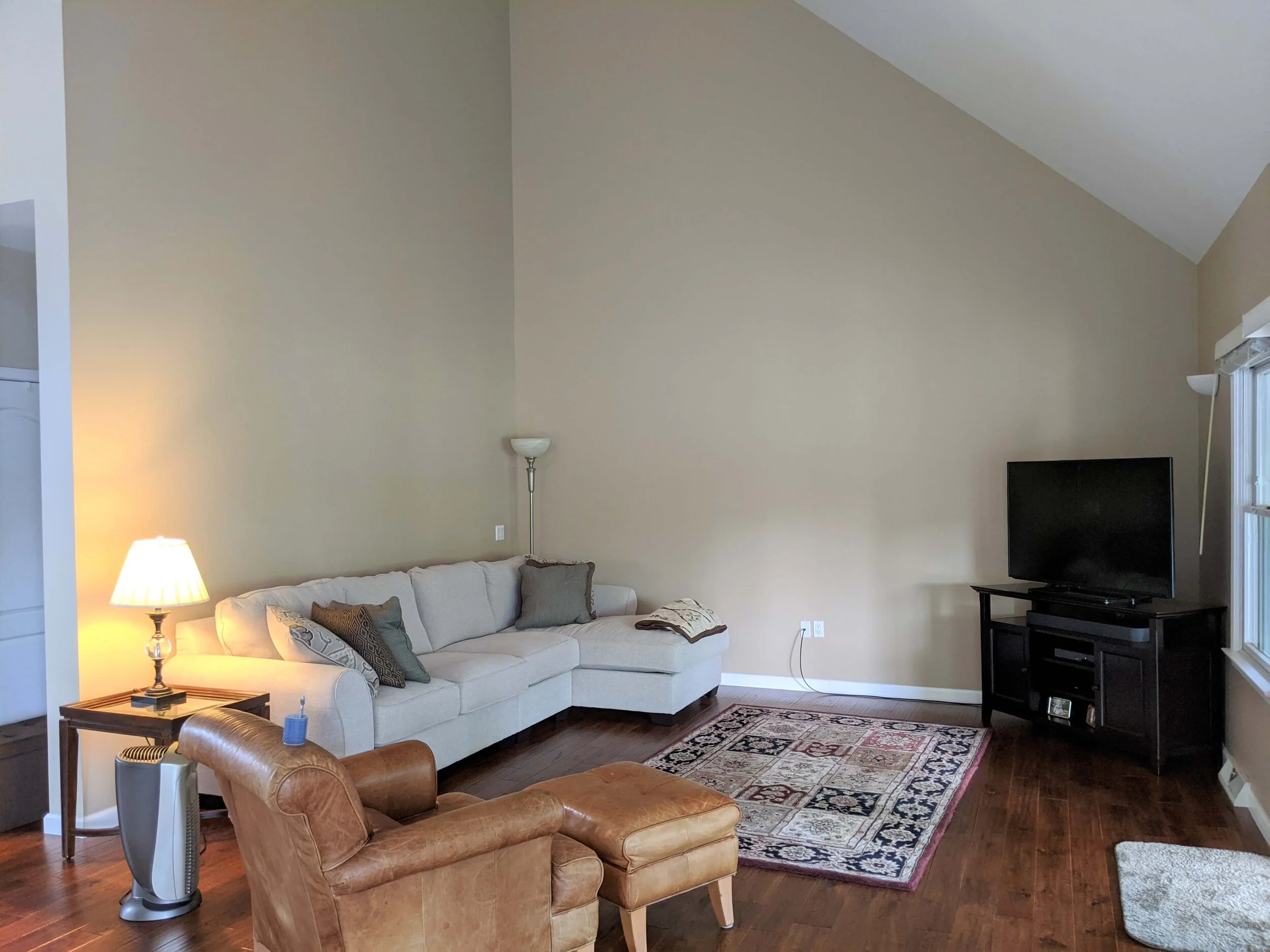
Embracing the Angle: Why It’s a Design Opportunity
Living rooms with odd angles aren’t a flaw; they are character. Instead of fighting them, embrace them! An angled feature wall can add depth, interest, and a sense of individuality to your home. These spaces offer a chance to think outside the box and create a truly custom look.
Interpreting the Sloped Wall Challenge
The key to successfully decorating a slanted wall ideas is to see it as a canvas with unique dimensions.
- Visual Flow: How does the angle impact the room’s natural flow and traffic patterns?
- Light Play: How does natural and artificial light interact with the angled surface?
- Functionality: What can this angled space serve in terms of storage or display?
Designing for the Diagonal: A New Perspective
A diagonal wall design can be softened or accentuated depending on your desired aesthetic. It’s about working with the angle, not against it.
Creative Solutions for Angled Walls
When faced with an angled wall, several approaches can make it a design asset. From built-in solutions to clever styling, there’s a method for every taste.
Strategic Furniture Placement
Placing furniture parallel or perpendicular to the angle can either minimize or highlight its presence.
- Parallel Placement: Aligning furniture with the angle can create a cozy, enclosed feeling. Think of a reading nook nestled into the slope.
- Perpendicular Placement: Positioning furniture at a right angle to the angle can break up the line and create defined zones within the room.
Built-in Solutions: Maximizing Space
Built-in shelving or cabinetry is a fantastic way to utilize the often-awkward space created by angled walls.
Custom Shelving Units
Custom-built shelves can follow the slope of the wall perfectly, offering both storage and display opportunities.
- Bookcases: A floor-to-ceiling bookshelf that angles with the wall can be a showstopper in a living room.
- Display Niches: Small, recessed niches can highlight artwork or decorative objects.
- Floating Shelves: Angled floating shelves can create a dynamic visual display.
Built-in Seating
Consider a custom banquette or bench that tucks neatly into an angled corner, creating a cozy and functional seating area. This is particularly effective for decorating a dormer.
Wall Treatments for Angles
The way you treat the wall surface itself can dramatically alter its appearance.
Paint and Wallpaper
- Accent Color: Painting the angled wall a different color than the surrounding walls can draw attention to its unique shape.
- Wallpaper: A bold wallpaper pattern can make the angle a striking focal point. Consider geometric patterns that play with lines or a textured wallpaper for added depth.
- Color Blocking: Use different paint colors to create geometric shapes or highlight sections of the angled wall.
Wall Paneling and Textures
- Shiplap or Beadboard: Applying paneling can add texture and architectural interest. You can run the panels parallel to the angle or horizontally to create a different effect.
- Wood Accents: Reclaimed wood or decorative wood planks can bring warmth and character to an angled wall.
- Textured Plaster: A limewash or textured plaster finish can create a sophisticated and organic feel.
Lighting to Enhance Angles
Strategic lighting can highlight the architectural nuances of an angled wall.
- Picture Lights: Place small spotlights above artwork displayed on the angled wall.
- Up-lighting: Position floor lamps or sconces to cast light upwards, emphasizing the wall’s shape and height.
- Accent Lighting: Small LED strip lights can be installed along the edge of shelves or within niches to create a dramatic effect.
Style Ideas for Angled Walls
Once you have your structural solutions in place, it’s time to bring in the style.
The Cozy Reading Nook
An angled wall is perfect for creating a dedicated reading corner.
- Comfortable Seating: A plush armchair or a chaise lounge.
- Good Lighting: A floor lamp with an adjustable arm.
- Side Table: For drinks and books.
- Soft Throws and Cushions: To enhance the comfort.
This setup works exceptionally well in a living room with odd angles, as it cleverly utilizes the space.
The Gallery Wall
An angled wall can be a unique canvas for a gallery wall.
- Staggered Arrangement: Arrange frames at varying heights and angles to follow the slope of the wall.
- Consistent Theme: Use frames of the same style or color to create a cohesive look.
- Mix of Art and Objects: Incorporate mirrors, small shelves with decorative items, or even textured wall hangings.
This is a great way to incorporate slanted wall decor.
The Statement Piece
Allow the angled wall to be the star with a single, large-scale piece of art or a dramatic mirror.
- Oversized Artwork: A large painting or print that fits the dimensions of the angled section.
- Mirror: A statement mirror can reflect light and make the space feel larger. Consider an ornate frame for added drama.
- Tapestry or Wall Hanging: A large textile can add warmth and visual interest.
The Media Zone
Integrating a media console and television into an angled wall requires careful planning.
- Custom Built-in: A media unit designed to fit the angle can seamlessly house your TV and components.
- Low-Profile Console: A sleek, low console placed perpendicular to the angle can work if the angle isn’t too severe.
- Artful Arrangement: If the angle is shallow, you might place the TV on a stand slightly off-center, with decorative elements on the wall around it.
The Workspace Nook
For those working from home, an angled wall can create a dedicated office space.
- Desk Placement: A compact desk can be positioned to fit the angle.
- Vertical Storage: Utilize wall-mounted shelves above the desk for books and supplies.
- Good Task Lighting: Ensure adequate lighting for working.
This is a practical approach to creative wall solutions.
Decorating Specific Angled Wall Scenarios
Let’s dive into some common scenarios and how to tackle them.
The Dormer Living Room
Dormer windows often create angled walls due to the roofline. Decorating a dormer living room can be especially rewarding.
- Window Seat: A built-in window seat is a classic and effective way to utilize the space under a dormer window.
- Low Seating: Floor cushions or a low sofa can soften the impact of the angled wall.
- Drapery: Consider ceiling-to-floor curtains that can be drawn to soften the angle or left open to embrace the architectural feature.
The Attic Room Living Room
Attic rooms inherently have sloped ceilings and walls. Transforming an attic room living room requires embracing these features.
- Low Furniture: Opt for lower profile furniture to avoid feeling cramped.
- Skylights: Maximize natural light with skylights.
- Clever Storage: Built-in storage is crucial for maximizing usable space.
- Light Colors: Lighter paint colors can make the space feel more open and airy.
Living Room with Odd Angles
This broadly covers any living room with unusual wall formations. The key is adaptability.
- Modular Furniture: Consider modular sofas or seating that can be reconfigured to fit the space.
- Rugs: Use rugs to define zones and visually break up large, angled areas.
- Mirrors: Strategically placed mirrors can create the illusion of more space and reflect light.
Tips for Success
Here are some general pointers to help you on your decorating journey.
Measure Twice, Decorate Once
Always take precise measurements of your angled walls, including the peak and base points of the angle.
Consider the Scale
Ensure your furniture and decor are proportionate to the size of the room and the angled wall.
Don’t Be Afraid to Experiment
Try different arrangements and styles until you find what works best for your space.
Focus on Functionality
While aesthetics are important, ensure your design also serves a practical purpose.
Utilize Vertical Space
Angled walls can sometimes limit horizontal space, so make the most of the vertical height available.
Frequently Asked Questions (FAQ)
Q1: Can I hang heavy items on an angled wall?
A1: Yes, but you must use appropriate anchors designed for the type of wall material (e.g., drywall anchors, stud finders). For very heavy items, it’s advisable to locate wall studs if possible.
Q2: What type of flooring works best with angled walls?
A2: Most flooring types work well. However, consider how the flooring will meet the angled wall at the base. Laminate or hardwood planks often look best when laid parallel to the longest unbroken wall or at a 45-degree angle to the room’s entry for a dynamic look.
Q3: How can I make an angled wall look less imposing?
A3: Use lighter paint colors, mirrors, and soft, flowing fabrics like curtains or tapestries. Avoid placing large, heavy furniture directly against the angle, as this can emphasize its presence. Creating a cozy nook or a display area within the angle can also soften its impact.
Q4: Is it a good idea to paint an angled wall a dark color?
A4: It can be, but proceed with caution. A dark color can make the angle feel more pronounced and the room feel smaller. If you do opt for a dark color, ensure you have ample lighting and balance it with lighter elements elsewhere in the room. It can be very effective for a dramatic angled feature wall.
Q5: How do I measure the space for a custom built-in for an angled wall?
A5: Measure the height from the floor to the ceiling at the lowest point of the angle and the highest point. Measure the width of the wall at its base. You’ll also need to measure the depth of the angled section if it recedes into a corner. It’s often best to have a professional measure and install custom built-ins.
By embracing the unique character of angled walls, you can transform what might seem like a design challenge into a distinctive and stylish feature of your living room. With thoughtful planning and creative execution, your living room with odd angles can become a conversation piece.