
Choosing living room furniture can feel overwhelming. What is the best way to approach it? Start by considering your space, your needs, and your style. This guide will help you navigate the process, ensuring you create a living room that is both beautiful and functional.
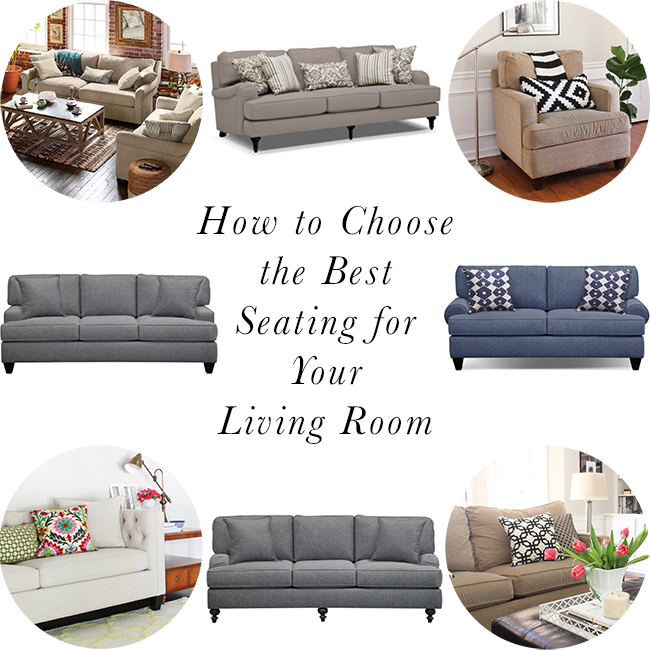
Image Source: diyonthecheap.com
Laying the Foundation: Planning Your Living Room Furniture
Before you even think about fabric swatches or leg styles, take a step back and plan. This initial planning phase is crucial for making informed decisions and avoiding costly mistakes. It’s about more than just picking pretty pieces; it’s about creating a cohesive and practical space.
Measuring for Living Room Furniture: Precision is Key
This is perhaps the most critical step in the entire process. Incorrect measurements can lead to furniture that doesn’t fit, awkward flow, and a general sense of unease in your room.
Measuring Your Space
- Room Dimensions: Grab a tape measure and record the length, width, and height of your living room.
- Doorways and Hallways: Measure the width of all doorways, hallways, and stairwells your furniture will need to pass through. Don’t forget to measure the ceiling height on stairways.
- Obstacles: Note the location of windows, doors, fireplaces, radiators, built-in shelving, and any electrical outlets. Mark these on a rough floor plan.
- Traffic Flow: Identify natural pathways people will use to move through the room. You need to ensure these are clear.
Measuring Your Furniture
- Sofa: Measure the length, depth, and height. Consider the “throw” distance if you plan to use it for sleeping.
- Chairs: Measure the width, depth, and height.
- Coffee Table: Measure the length, width, and height.
- Side Tables: Measure the width, depth, and height.
- Entertainment Unit/Media Console: Measure its width, depth, and height, ensuring it can accommodate your TV and any other media components.
Tip: Sketch a rough floor plan of your living room to scale. You can then cut out paper templates of your potential furniture pieces to scale and arrange them on your floor plan to visualize how everything will fit.
Living Room Furniture Layout Ideas: Creating Flow and Function
The way your furniture is arranged dictates how the room feels and how it functions. A good layout promotes conversation, easy movement, and defines different zones within the space.
Key Principles of Living Room Furniture Arrangement
- Focal Point: Identify a natural focal point in your room, such as a fireplace, a large window with a view, or a media center. Arrange your seating to face or complement this focal point.
- Conversation Areas: Group seating pieces so that people can talk to each other without shouting. Sofas and chairs should be close enough for easy interaction, typically within 8-10 feet of each other.
- Traffic Paths: Ensure clear walkways around furniture. Avoid blocking doorways or creating narrow, cramped passages. Aim for at least 3 feet of clearance for main pathways.
- Balance: Distribute visual weight evenly. A large sofa on one side of the room can be balanced by two chairs or a larger cabinet on the other side.
- Scale and Proportion: Choose furniture that is proportionate to the size of your room and other pieces. A massive sectional in a small room will overwhelm the space, while tiny furniture in a large room will feel lost.
Common Living Room Layouts
- The Conversation Grouping: This is ideal for rooms focused on social interaction. Place a sofa opposite one or two chairs, with a coffee table in the center.
- The Media-Centric Layout: If your living room is primarily for watching TV or movies, arrange seating facing the media console. Ensure all seats have a good view of the screen.
- The Open-Concept Flow: In larger or open-plan spaces, use furniture to define distinct zones. A sofa can act as a divider between a living area and a dining area.
- The Corner Arrangement: A sectional sofa is perfect for maximizing seating in a corner and defining a cozy nook.
Choosing Your Core Pieces: The Heart of Your Living Room
Your sofa and primary seating are the anchors of your living room. They set the tone for comfort, style, and usability.
Choosing Living Room Sofa: The Ultimate Comfort Test
Selecting the right sofa is a significant decision. It’s often the largest piece of furniture and the most used.
Considerations for Sofa Selection
- Size and Scale: As mentioned earlier, measure your space and traffic paths. A sofa that is too large will make the room feel cramped. A sofa that is too small will look out of place.
- Style: Do you prefer a modern, minimalist look, a classic, traditional feel, or something bohemian and eclectic? The sofa’s style should complement your overall aesthetic.
- Material and Upholstery:
- Leather: Durable, easy to clean, and develops a rich patina over time. Can be expensive.
- Cotton/Linen: Breathable and natural, but prone to staining and wrinkling. Best for low-traffic areas or if you’re diligent about care.
- Polyester/Blends: Durable, stain-resistant, and often more affordable. A good choice for families and pets.
- Microfiber: Extremely durable, stain-resistant, and soft. Excellent for households with pets and children.
- Performance Fabrics: Specially treated to resist stains, moisture, and fading. Ideal for high-use areas.
- Comfort: This is subjective, but test the depth of the seat, the firmness of the cushions, and the support of the back. Sit on it for a few minutes as you would at home.
- Durability: Look for solid wood frames, well-constructed joints (like dowels and corner blocks), and high-density foam cushions for longevity. Check the warranty.
Types of Sofas
- Sectional: Offers ample seating and can be configured to fit various room shapes. Great for creating a cozy, enclosed feel.
- Sofa and Loveseat: A classic pairing that provides flexible seating.
- Sleeper Sofa: A practical option for small spaces or when you host overnight guests.
- **Che