
Yes, you can remove a Moen kitchen faucet single handle yourself with basic tools and a little patience. This guide will walk you through the entire process, making it simple and straightforward. Whether you’re looking to perform a Moen faucet handle repair, replace a worn-out cartridge, or prepare for a full Moen faucet installation guide, knowing how to take apart the handle is the first crucial step. Let’s get started on disassembling Moen kitchen faucet components.
Many homeowners face issues like a Moen kitchen faucet leak or a stubborn handle. The good news is that most of these problems can be tackled by learning how to access the internal workings of your faucet. This often starts with removing the handle. We’ll cover everything from identifying the parts to the final removal, ensuring you can confidently handle this task.
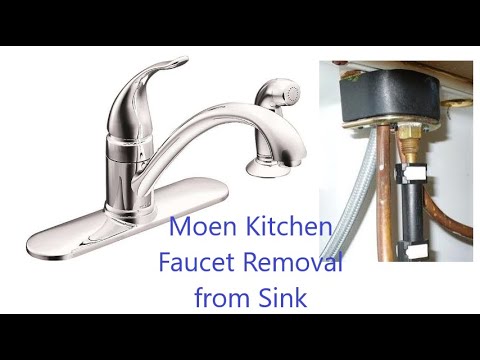
Image Source: i.ytimg.com
Gathering Your Tools: What You’ll Need
Before you dive into Moen single handle faucet removal, make sure you have the right tools on hand. Having everything prepared will save you time and frustration.
Here’s a list of essential items:
- Phillips Head Screwdriver: This is often needed to remove the screw holding the handle in place.
- Flathead Screwdriver (Small): A small flathead screwdriver can be useful for gently prying off decorative caps.
- Allen Wrench (Hex Key): Many Moen faucets use a small set screw that requires an Allen wrench for removal. Moen often includes one with their faucets, but you might need a set for various sizes.
- Adjustable Wrench or Pliers: These might be needed to loosen or tighten parts under the sink, such as the Moen faucet mounting nut.
- Bucket or Towels: To catch any residual water and protect your cabinets.
- Penetrating Oil (Optional): If parts are corroded or stuck, a spray like WD-40 can help.
- Safety Glasses: Always a good idea to protect your eyes.
- A Flashlight: Essential for seeing clearly in the often-dim space under the sink.
Step-by-Step Guide to Removing Your Moen Single Handle Faucet
Let’s break down the process into manageable steps. Each step is designed to be clear and easy to follow.
Step 1: Turn Off the Water Supply
This is the most critical first step. You don’t want water spraying everywhere!
- Locate the Shut-Off Valves: Under your kitchen sink, you’ll find two valves: one for hot water and one for cold water. They usually have small, round handles.
- Turn the Valves Clockwise: Turn both valve handles clockwise until they are snug. Don’t overtighten them.
- Test the Faucet: Turn the faucet handle on in the middle position (both hot and cold) to drain any remaining water in the lines and confirm that the water is indeed off.
Step 2: Identify and Access the Handle Screw
Moen single-handle faucets typically hide the screw that secures the handle. There are a few common places to look.
Common Locations for the Handle Screw
- Under a Decorative Cap: Many Moen handles have a small decorative cap on the front or side. This cap often hides the screw.
- How to Remove the Cap: Gently use a small flathead screwdriver or even your fingernail to pry this cap off. Be careful not to scratch the faucet finish. Some caps might just pop off, while others might have a small notch where you can insert the screwdriver.
- Behind the Handle: Some designs have the screw located on the back of the handle assembly.
- Underneath the Handle: In some models, the screw might be accessible from underneath the handle itself.
Finding the Set Screw
Once you’ve found the screw, you’ll need to determine what type it is.
- Phillips Head Screw: Many Moen faucets use a standard Phillips head screw.
- Set Screw (Allen Screw): This is very common on Moen faucets. You’ll need an Allen wrench (hex key) to turn it. The set screw is usually small and located on the underside or the back of the handle.
Step 3: Unscrew the Handle Fastener
Now it’s time to loosen the screw that’s holding the handle.
- Use the Correct Tool: Insert the appropriate screwdriver (Phillips or Allen wrench) into the screw head.
- Turn Counter-Clockwise: Turn the screw counter-clockwise to loosen it.
- Remove the Screw: Once loosened, you should be able to remove the screw completely. Keep it in a safe place, perhaps in a small container or a magnetic dish, so you don’t lose it.
Step 4: Remove the Faucet Handle
With the screw removed, the handle should now be free.
- Gently Pull Upwards: Try to gently lift the handle straight up and off the faucet body.
- Wiggle if Stuck: If the handle is stuck, don’t force it too hard. Sometimes, mineral buildup or corrosion can make it tight.
- Gentle Wiggling: Try gently wiggling the handle from side to side while pulling up.
- Penetrating Oil: If it’s really stuck, you can apply a small amount of penetrating oil around the base of the handle where it meets the faucet stem. Let it sit for a few minutes, then try wiggling and pulling again. Be sure to wipe away any excess oil.
Step 5: Remove the Trim or Escutcheon (If Necessary)
On some Moen faucets, there might be a decorative trim piece or escutcheon that needs to be removed to access the internal parts.
- Look for a Retaining Nut or Screw: This trim piece might be held in place by a decorative nut or a screw that’s visible once the handle is off.
- Unscrew by Hand or with Pliers: Often, these trim pieces can be unscrewed by hand. If they are tight, use pliers or an adjustable wrench, being careful not to damage the faucet finish. Wrap the jaws of your pliers with tape or a cloth for protection.
Step 6: Accessing the Cartridge (The Next Step in Repair/Replacement)
Once the handle and any trim pieces are off, you’ll see the faucet cartridge. This is the core component that controls water flow and temperature. If you are replacing Moen faucet cartridge or working on fixing Moen kitchen faucet leak, this is where you’ll be focusing your attention.
Locating the Cartridge Retainer
The cartridge is typically held in place by a retainer clip or a threaded nut.
- Retainer Clip: Many Moen cartridges have a small metal clip that needs to be pulled out. You can usually use a small flathead screwdriver or pliers to grip and pull this clip straight out.
- Retainer Nut: Some models have a larger threaded nut that screws onto the faucet body, holding the cartridge in place. You will need an adjustable wrench or pliers to unscrew this nut counter-clockwise.
Removing the Cartridge
- Grip and Pull: Once the retainer clip or nut is removed, you can usually pull the cartridge straight out. Sometimes, it might be a snug fit.
- Cartridge Removal Tool: For stubborn cartridges, Moen offers specific cartridge removal tools. These are designed to grip the cartridge securely and make extraction easier. You can often find these at hardware stores or online.
- Check for O-rings or Seals: As you remove the cartridge, note any O-rings or seals. These are often the culprits behind leaks and will be replaced with the new cartridge.
Step 7: Dealing with Under Sink Moen Faucet Parts
While the handle removal itself is done above the sink, sometimes you need to access under sink Moen faucet parts to fully complete a repair or replacement.
- Mounting Hardware: The faucet is secured to the sink with mounting nuts and brackets from underneath. You’ll likely need an adjustable wrench or basin wrench to loosen and remove the Moen faucet mounting nut that holds the entire faucet assembly to the sink.
- Water Lines: Disconnect the hot and cold water supply lines from the faucet shanks. You may need an adjustable wrench for this. Remember to have your bucket or towels ready for any residual water.
Step 8: Cleaning the Aerator (Related Maintenance)
While not directly part of handle removal, a clogged Moen faucet aerator cleaning is a common maintenance task that improves water flow. The aerator is the part at the tip of the spout that shapes the water stream.
- Unscrew the Aerator: Most aerators can be unscrewed by hand or with small pliers.
- Disassemble and Clean: Unscrew the outer housing, then remove the screen and flow restrictor inside.
- Rinse and Reassemble: Rinse all the parts with water. Use a small brush to remove any stubborn debris. Reassemble the aerator and screw it back onto the spout. If it’s heavily clogged, soaking it in vinegar can help dissolve mineral deposits.
Troubleshooting Common Issues
Even with a straightforward process, you might encounter a few hiccups.
Handle Won’t Come Off
- Cause: Mineral deposits, corrosion, or the set screw was not fully loosened.
- Solution: Ensure the set screw is completely out. Try gentle wiggling. Apply penetrating oil and let it sit. If it’s still stuck, consider a faucet handle puller, a specialized tool designed for this purpose.
Water Still Drips After Turning Off
- Cause: The shut-off valves under the sink might not be fully closed, or they are faulty.
- Solution: Try turning the valves off and on a few times to dislodge any debris. If they still don’t seal properly, they may need replacement. You might need to shut off the main water supply to the house.
Identifying Parts for Replacement
When you’re trying to fix a Moen faucet drip troubleshooting, knowing the specific part names is helpful.
- Cartridge: This is the internal valve that controls water.
- Escutcheon: The decorative trim piece that covers the faucet body.
- Handle Adapter: The piece that connects the handle to the cartridge.
- Mounting Nut: The large nut under the sink that secures the faucet.
Here’s a quick table of common Moen parts and their functions:
| Part Name | Function |
|---|---|
| Handle | Controls water flow and temperature. |
| Cartridge | Internal valve controlling water volume and temperature. |
| Set Screw | Secures the handle to the cartridge stem. |
| Escutcheon | Decorative cover that hides the faucet body and mounting. |
| Mounting Nut | Secures the entire faucet assembly to the sink or countertop. |
| Aerator | Shapes and mixes air with water at the spout’s end. |
| Supply Lines | Connect the shut-off valves to the faucet shanks. |
Frequently Asked Questions (FAQ)
Q1: How do I know which Moen faucet model I have?
A1: You can often find the model number on the back of the faucet spout, on the underside of the faucet body, or on the original packaging if you still have it. If not, Moen’s website has a helpful faucet identification tool where you can upload photos.
Q2: Can I replace just the handle without removing the cartridge?
A2: Yes, if the handle itself is broken or you’re upgrading to a new style, you can often remove just the handle by unscrewing the handle screw. However, if you’re troubleshooting a leak or flow issue, you’ll need to access the cartridge.
Q3: What if the set screw is stripped?
A3: If the head of the set screw is stripped and you can’t get a grip with an Allen wrench, you might need to use a screw extractor tool or carefully drill it out. This is a more advanced repair, and you may want to call a plumber if you’re not comfortable with it.
Q4: How often should I clean the Moen faucet aerator?
A4: It’s a good idea to clean your aerator every 6-12 months, or whenever you notice a decrease in water pressure or an irregular stream.
Q5: Is it difficult to replace a Moen faucet cartridge?
A5: Replacing a Moen faucet cartridge is generally a manageable DIY task. The most critical part is ensuring you have the correct replacement cartridge for your specific faucet model. Following a good Moen faucet installation guide or the steps outlined here will make the process much smoother.
Removing a Moen single-handle kitchen faucet can seem daunting, but by following these detailed steps and having the right tools, you can easily accomplish this task. Whether you’re performing routine maintenance, fixing a leak, or preparing for a new faucet installation, this guide provides the foundational knowledge you need. Remember to work carefully, keep track of your parts, and always turn off the water supply first. With a little practice, you’ll become adept at handling your Moen faucet with confidence.