
This article will show you how to keep your kitchen drain clean using natural methods for a healthier sink. We’ll cover preventing backups, effective cleaning techniques, and basic plumbing maintenance for your kitchen.
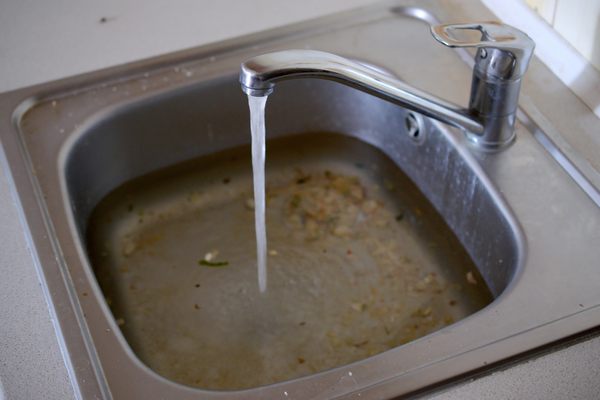
Image Source: www.applewoodfixit.com
How To Keep Kitchen Drain Clean: Natural Methods for a Healthier Sink
A clean kitchen drain is more than just a cosmetic concern; it’s crucial for hygiene and preventing unpleasant issues. Greasy residue, food scraps, and soap scum can all contribute to a sluggish or completely clogged drain, leading to a foul odor and potential plumbing problems. While chemical drain cleaners might seem like a quick fix, they can be harsh on your pipes and the environment. Fortunately, there are many effective and natural ways to keep your kitchen sink flowing freely and smelling fresh. This guide will delve into natural methods for a healthier sink, offering practical advice for keeping your kitchen drain clean.
The Importance of a Clean Kitchen Sink
Your kitchen sink is a hub of activity. From washing dishes to rinsing produce, it’s exposed to a constant stream of water, food particles, and cleaning agents. When these elements aren’t properly managed, they can accumulate in your drainpipe, creating a breeding ground for bacteria and causing blockages.
Common Culprits of Kitchen Drain Issues:
- Grease and Oil: When hot grease goes down the drain, it remains liquid. As it cools, it solidifies and coats the inside of the pipes, trapping other debris. This is a primary cause of clogged drain solutions needing to be sought.
- Food Scraps: Small food particles, coffee grounds, eggshells, and vegetable peels can get stuck in the drain, especially if your garbage disposal isn’t used correctly.
- Soap Scum: The combination of soap and minerals in your water can create a sticky residue that adheres to pipe walls.
- Hair: While more common in bathrooms, stray hairs can sometimes find their way into the kitchen drain and contribute to blockages.
Regularly addressing these issues is key to effective drain maintenance tips and preventing problems before they arise.
Natural Drain Cleaner: Your Eco-Friendly Solution
Many households rely on harsh chemical drain cleaners, but these can damage your pipes, harm aquatic life when they eventually reach waterways, and release toxic fumes into your home. Fortunately, you can achieve a sparkling clean and free-flowing drain using simple, natural ingredients you likely already have in your kitchen.
Baking Soda and Vinegar: The Dynamic Duo
This classic combination is a powerful yet gentle natural drain cleaner. The reaction between baking soda (a base) and vinegar (an acid) creates fizzing and bubbling, which helps to loosen grime and debris.
How to Use:
- Pour Baking Soda: Start by pouring about half a cup of baking soda directly down the drain.
- Add Vinegar: Follow with about a cup of white vinegar. You’ll immediately see a fizzing reaction.
- Cover and Wait: Cover the drain opening with a stopper or a damp cloth to direct the action downwards into the pipes. Let it sit for at least 30 minutes, or even longer for tougher clogs.
- Flush with Hot Water: After the waiting period, flush the drain with plenty of very hot water. This helps wash away the loosened debris.
This method is excellent for regular maintenance, odor control kitchen drain, and tackling minor clogs. It’s also a great way to start addressing how to prevent kitchen sink backup.
Boiling Water: A Simple First Step
Before resorting to more complex methods, simply pouring boiling water down the drain can work wonders, especially for removing grease from drain.
How to Use:
- Boil Water: Bring a kettle or pot of water to a rolling boil.
- Pour Slowly: Carefully and slowly pour the boiling water directly down the drain.
- Repeat if Necessary: For stubborn grease buildup, you might need to repeat this process a couple of times.
Caution: Avoid this method if you have PVC pipes that are very old or brittle, as extreme heat can potentially damage them. However, for most modern plumbing, it’s a safe and effective initial step.
Salt and Hot Water: A Gritty Approach
Salt acts as an abrasive, and when combined with hot water, it can help scrub away buildup.
How to Use:
- Mix Salt and Baking Soda: Combine half a cup of salt with half a cup of baking soda.
- Pour Down Drain: Pour the mixture down your drain.
- Add Hot Water: Follow with a kettle of hot water.
- Let it Sit: Allow the mixture to work for at least 15-30 minutes.
- Flush: Rinse thoroughly with more hot water.
This is another excellent method for routine drain maintenance tips.
Cleaning Your Garbage Disposal
The garbage disposal is a powerful tool for managing kitchen waste, but it also needs regular cleaning to prevent odors and blockages. Neglecting it can lead to significant issues, including backups.
Natural Cleaning Methods for Garbage Disposals:
- Ice Cubes: Running the disposal with a handful of ice cubes can help dislodge any stubborn food particles stuck to the grinding components. After grinding the ice, flush with cold water.
- Citrus Peels: Orange, lemon, or grapefruit peels can help clean the grinding chamber and leave a fresh scent. Cut them into smaller pieces before feeding them into the disposal while running cold water.
- Baking Soda and Vinegar: Just like with the drain itself, pouring half a cup of baking soda followed by half a cup of white vinegar into the disposal (with the water running and then stopping after the fizzing subsides) can help clean and deodorize it. Follow with a rinse of cold water.
- Enzyme Cleaners: For a deeper clean, consider using a natural enzyme cleaner specifically designed for garbage disposals. These use bacteria to break down food waste and eliminate odors.
Regularly cleaning garbage disposal unit is a vital part of overall kitchen sink cleaning and preventing future problems.
DIY Drain Unclogger: Tackling Stubborn Blockages
Sometimes, natural methods need a little extra oomph. Here are a few ways to create a powerful DIY drain unclogger using household items.
The Plunger: Your First Line of Defense
A good old-fashioned plunger is often the most effective tool for a minor clog.
How to Use:
- Create a Seal: Ensure there’s enough water in the sink to cover the rubber cup of the plunger. Create a tight seal around the drain opening.
- Plunge Vigorously: Push and pull the plunger up and down rapidly for about 20-30 seconds. This creates suction and pressure to dislodge the blockage.
- Check for Flow: Remove the plunger and see if the water drains. Repeat if necessary.
- For Double Sinks: If you have a double sink, block the other drain opening with a wet cloth or stopper while plunging to maximize the suction.
This is a fundamental step in clogged drain solutions.
The Baking Soda and Salt Paste
This method combines the abrasive power of salt and baking soda with the loosening action of vinegar.
How to Use:
- Create a Paste: Mix half a cup of baking soda with half a cup of salt. Add just enough water to form a thick paste.
- Apply to Drain: Push the paste down the drain opening as far as you can.
- Cover and Wait: Cover the drain with a stopper and let it sit for at least an hour, or overnight for tough clogs.
- Flush: Flush the drain with boiling water.
Bent Wire Hanger: Manual Removal
For clogs that are very close to the drain opening, a simple bent wire hanger can sometimes physically remove the obstruction.
How to Use:
- Straighten Hanger: Unbend a wire coat hanger and create a small hook at one end.
- Insert and Retrieve: Carefully insert the hooked end into the drain and try to snag or pull out any visible debris like hair or food particles.
- Flush: Once you’ve removed as much as possible, flush the drain with hot water.
This manual approach is a practical DIY drain unclogger.
How to Prevent Kitchen Sink Backup: Proactive Strategies
Prevention is always better than cure. By adopting good habits, you can significantly reduce the likelihood of experiencing a clogged drain or kitchen sink backup.
Smart Kitchen Habits:
- Scrape Plates Thoroughly: Before washing dishes, scrape all food scraps into the trash or compost bin. Don’t rely on the drain to wash away large pieces of food.
- Use a Drain Strainer: A mesh drain strainer is an inexpensive and highly effective tool for catching food particles, hair, and other debris before they enter the drainpipe. Clean it out regularly.
- Avoid Pouring Grease Down the Drain: Always wipe greasy pans with paper towels before washing them, or collect grease in a separate container and dispose of it in the trash once cooled. This is crucial for removing grease from drain.
- Limit Coffee Grounds and Eggshells: While small amounts might pass through, coffee grounds tend to clump together, and eggshells have a waxy coating that can stick to pipes. Dispose of them in the trash or compost.
- Run Cold Water When Using the Garbage Disposal: Always run cold water before, during, and for about 15 seconds after using the garbage disposal. This helps to flush food particles through the pipes and solidifies any grease so it can be ground up and washed away.
- Regular Drain Maintenance: Perform natural cleaning routines (like the baking soda and vinegar method) at least once a month.
Odor Control Kitchen Drain: Keeping it Fresh
A smelly kitchen drain can be embarrassing and unhygienic. Odors are usually caused by trapped food particles, grease buildup, and bacterial growth within the pipes.
Natural Odor Eliminators:
- Citrus Peels: As mentioned earlier, citrus peels are excellent for freshening up your drain and garbage disposal.
- Baking Soda and Vinegar: The fizzing action not only cleans but also neutralizes odors. A monthly treatment will keep your drain smelling fresh.
- Boiling Water and Lemon Juice: Add a few tablespoons of lemon juice to a kettle of boiling water and pour it down the drain. The acidity of the lemon helps break down buildup, and its natural fragrance combats smells.
- Ice and Salt: Pouring ice cubes followed by a cup of salt down the drain, then flushing with hot water, can help scrub away odor-causing residue.
Consistent attention to odor control kitchen drain is part of a healthy kitchen sink cleaning routine.
Plumbing Maintenance Kitchen: Long-Term Care
Beyond routine cleaning, consider these aspects of plumbing maintenance kitchen for the longevity of your sink and pipes.
What You Can Do:
- Regular Inspections: Periodically check your sink and pipes for any signs of leaks, corrosion, or slow draining. Catching small issues early can prevent major repairs.
- Avoid Harsh Chemicals: As discussed, chemical drain cleaners can be detrimental. Stick to natural methods for a healthier plumbing system.
- Know Your Limits: If you encounter a persistent clog or suspect a more serious plumbing issue, don’t hesitate to call a professional plumber. Forcing the issue can sometimes cause more damage.
- Consider a Water Softener: If you have hard water, minerals can contribute to buildup in your pipes. A water softener can help reduce this issue.
Troubleshooting Common Kitchen Drain Problems
Here’s a quick look at how to address frequent issues:
| Problem | Natural Solution | Best For |
|---|---|---|
| Slow Drain | Baking soda & vinegar flush, boiling water, salt & hot water flush. | Minor buildup, grease. |
| Complete Clog | Plunger, DIY baking soda & salt paste, bent wire hanger for accessible clogs. | More significant blockages, food debris. |
| Foul Odor | Baking soda & vinegar flush, boiling water with lemon juice, citrus peels in disposal, ice & salt flush. | Bacterial growth, trapped food, general freshness. |
| Grease Buildup | Repeated boiling water flushes, baking soda & vinegar, enzyme cleaners. | Solidified fats and oils in pipes. |
| Garbage Disposal | Ice cubes, citrus peels, baking soda & vinegar treatment, enzyme cleaners. | Cleaning and deodorizing the disposal unit. |
Frequently Asked Questions (FAQ)
Q1: How often should I clean my kitchen drain naturally?
A1: For preventative maintenance and odor control, aim to do a natural cleaning (like the baking soda and vinegar method) at least once a month. If you notice slower draining or odors, you may need to do it more frequently.
Q2: Can I pour hot grease down the drain if I flush it with hot water?
A2: No, it’s best not to pour hot grease down the drain at all. Even with hot water flushing, grease will eventually cool and solidify inside your pipes, leading to blockages. Always wipe greasy pans and dispose of grease in the trash.
Q3: What should I do if the baking soda and vinegar method doesn’t work?
A3: If the baking soda and vinegar doesn’t clear the clog, try using a plunger first. If that also fails, you might have a more significant blockage that requires a DIY drain unclogger like the baking soda and salt paste, or you may need to call a professional plumber.
Q4: Are enzyme cleaners safe for my pipes?
A4: Yes, natural enzyme cleaners are generally safe for all types of plumbing. They work by breaking down organic matter and are a good alternative for deeper cleaning when DIY methods aren’t enough.
Q5: What is the best way to prevent kitchen sink backup?
A5: The best prevention is a combination of habits: scraping plates thoroughly, using a drain strainer, never pouring grease down the drain, and performing regular natural drain cleaning. These are essential drain maintenance tips.
By incorporating these natural methods and preventive habits into your routine, you can maintain a clean, fresh, and functional kitchen sink, avoiding the hassle and expense of major plumbing repairs. A healthy sink contributes to a healthier home.