
What is the most important reason to clean up kitchen spills immediately? The most crucial reason is to prevent slips and falls, which can cause serious injuries.
The kitchen is often called the heart of the home, a place for nourishment, connection, and creativity. However, it’s also a hotspot for potential hazards. From slippery liquids to sticky residues, kitchen spills can quickly turn a pleasant cooking experience into a dangerous one. Ignoring them is a recipe for disaster, impacting not just immediate safety but also the long-term cleanliness and health of your kitchen. This article will delve into the compelling reasons why immediate spill cleanup is non-negotiable, offering expert tips to make it a seamless part of your kitchen routine.
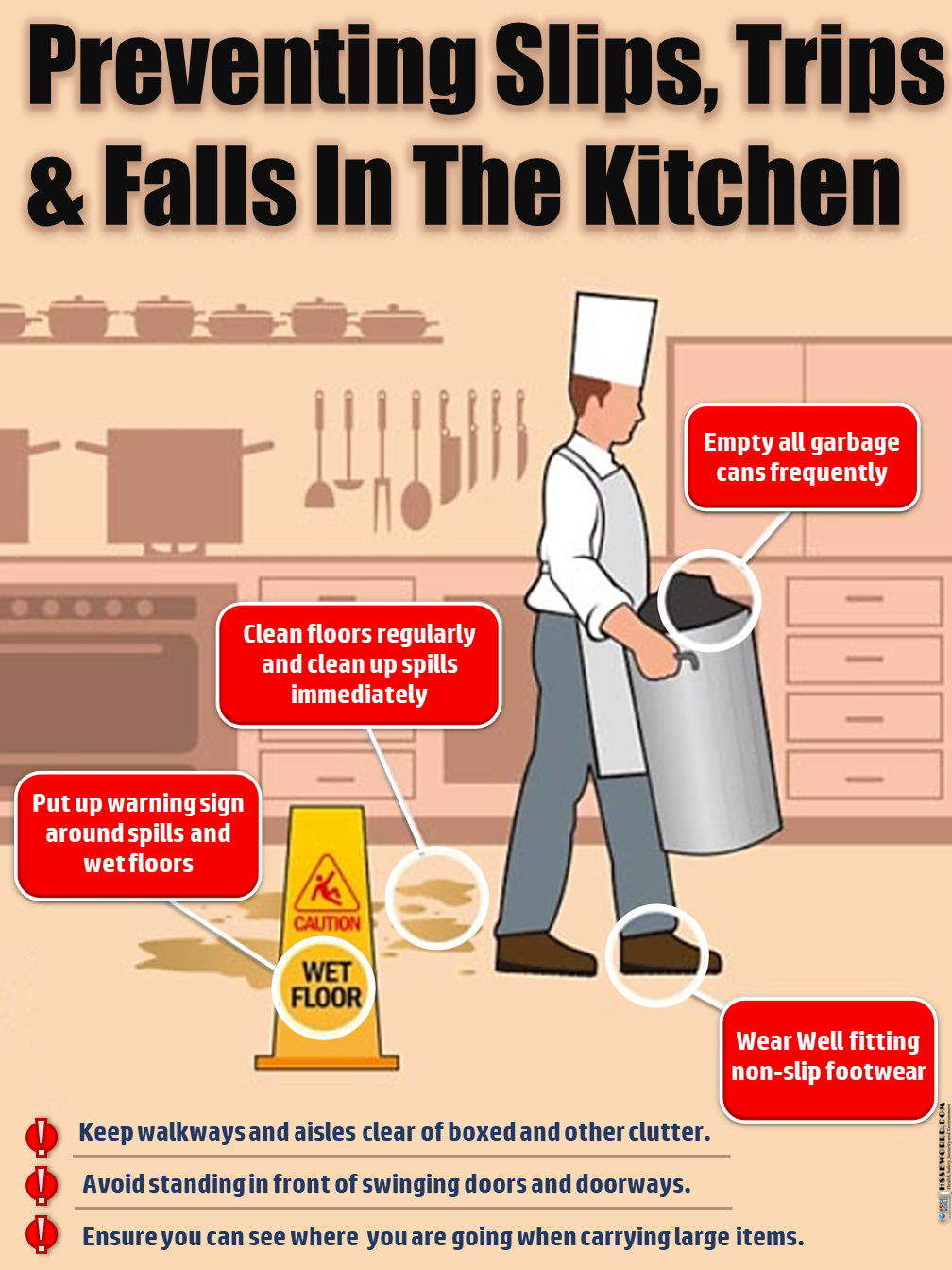
Image Source: hsseworld.com
The Immediate Dangers: Beyond Just a Mess
When a spill occurs, it’s easy to think, “I’ll get to it later.” But “later” can be too late. The consequences of delayed cleanup extend far beyond the initial mess.
Preventing Slips and Falls: A Critical Priority
The most immediate and significant risk associated with kitchen spills is the increased likelihood of prevent slips and falls. Wet or greasy surfaces are incredibly treacherous. Even a small amount of liquid can create a slick patch that can cause a person to lose their footing, leading to potential injuries ranging from minor bruises to severe fractures, head injuries, or even broken bones.
- High-Traffic Areas: Kitchens are typically high-traffic areas in any home. Spills in these zones pose a greater risk because more people are likely to walk across them.
- Vulnerable Individuals: Children and the elderly are particularly susceptible to falls. Their smaller stature and potentially reduced balance make them more prone to serious injury from even a minor slip.
- Footwear: The type of footwear worn in the kitchen can also play a role. Bare feet or socks offer less traction than shoes, making a slip more probable on a wet surface.
Fathoming the Physics of Slipping: A spill creates a thin layer of liquid between your shoe and the floor. This layer dramatically reduces friction. Friction is what allows us to grip the floor. When friction is significantly lowered, your foot can slide out from under you before your brain even registers the danger. Greasy spills are even worse, as grease is a lubricant that severely impedes traction.
Avoiding Stains: Preserving Your Surfaces
Beyond the immediate safety hazard, spills, especially colorful ones like wine, tomato sauce, or coffee, can quickly avoid stains on your countertops, flooring, and cabinets. The longer these substances sit, the more time they have to penetrate porous materials, leading to permanent discoloration.
- Porous Materials: Natural stone like granite or marble, unsealed grout, and some types of laminate are porous. They absorb liquids, making stains a significant concern.
- Heat and Spills: While not always simultaneous, spills that occur near hot surfaces or are themselves hot can sometimes “set” the stain faster, making removal even more challenging.
Stopping Pest Attraction: A Matter of Hygiene
Kitchens are magnets for pests, and spills only amplify this attraction. Food particles and sugary liquids create an inviting environment that can stop pest attraction.
- Ants: Even tiny amounts of sugar or crumbs can attract ants, which will follow scent trails directly to the spill.
- Cockroaches: Cockroaches are drawn to moisture and food debris. Spills provide both, making them a prime target for these unwelcome visitors.
- Rodents: While less likely to be directly drawn to a small liquid spill, persistent food residue left from spills can indirectly attract rodents looking for a food source.
Maintaining Hygiene: A Foundation of Health
A clean kitchen is a healthy kitchen. Spills, if left unaddressed, compromise the overall maintain hygiene of your cooking space. They are breeding grounds for bacteria and can spread germs throughout your kitchen.
- Shared Spaces: In a household, the kitchen is a communal area. A spill that isn’t cleaned can expose everyone to potential contaminants.
- Food Preparation: Food is prepared and consumed in the kitchen. Any unhygienic spot can directly impact the safety of the food being handled.
Preventing Bacterial Growth: The Silent Threat
This is where the invisible dangers lie. Many common kitchen spills, especially those involving raw meats, dairy, or sugary substances, can harbor and promote prevent bacterial growth.
- Salmonella and E. coli: Spills from raw poultry or undercooked meats can introduce dangerous bacteria like Salmonella and E. coli. If these bacteria aren’t promptly cleaned and sanitized, they can spread to food preparation surfaces and utensils.
- Mold and Mildew: Damp spills, particularly those left for extended periods, can become a breeding ground for mold and mildew, which can cause respiratory problems and other health issues.
- Temperature Danger Zone: Bacteria thrive in the “temperature danger zone” (between 40°F and 140°F or 4°C and 60°C). A spill left at room temperature is an ideal incubator for these microorganisms.
Minimizing Odors: A Pleasant Atmosphere
Nobody wants a kitchen that smells unpleasant. Spills, especially those involving organic matter like milk, juice, or food scraps, will eventually begin to decompose, leading to foul odors that can permeate your home. Cleaning them promptly helps minimize odors and keeps your kitchen smelling fresh.
- Decomposition: As organic matter breaks down, it releases volatile compounds that create unpleasant smells.
- Lingering Scents: Some substances, like strong spices or certain dairy products, can leave behind persistent odors that are difficult to remove once they’ve had time to settle.
Protecting Surfaces: Long-Term Investment
Your kitchen surfaces – countertops, floors, cabinets – are investments. Leaving spills unattended can damage these surfaces over time, leading to costly repairs or replacements. Prompt cleanup is key to protect surfaces.
- Etching: Acidic spills, like from citrus fruits or vinegar, can etch certain materials like unsealed natural stone, leaving dull spots.
- Discoloration: Certain foods and liquids can stain or discolor finishes on wood cabinets or laminate countertops if not removed quickly.
- Degradation: Greasy spills can degrade the sealant on countertops or floor tiles over time, making them more susceptible to future staining and damage.
Reducing Cross-Contamination: Safeguarding Your Food
A single spill can be a conduit for harmful bacteria to spread to other areas of your kitchen, a process known as reduce cross-contamination.
- Utensils and Hands: If you touch a spill and then touch utensils, food, or other surfaces without washing your hands, you can spread germs.
- Cutting Boards and Knives: Spills from raw meats on countertops can easily transfer to cutting boards and knives, then to ready-to-eat foods.
Ensuring Food Safety: The Ultimate Goal
Ultimately, everything we do in the kitchen revolves around ensure food safety. Leaving spills unaddressed directly undermines this goal by creating an environment where harmful bacteria can multiply and spread.
- Safe Handling Practices: Proper spill cleanup is a fundamental aspect of safe food handling practices.
- Preventing Illness: By eliminating the sources of contamination, you prevent foodborne illnesses.
Preserving Appliance Longevity: A Smart Practice
Even appliances are not immune to the negative effects of spills. Liquids can seep into cracks, corrode components, or short-circuit electrical parts. Cleaning spills around and on appliances helps preserve appliance longevity.
- Stovetop and Oven: Spills on stovetops or inside ovens can bake on, becoming difficult to remove and potentially damaging heating elements or control panels.
- Dishwashers and Refrigerators: Spills around the base of these appliances can lead to rust or damage to flooring underneath.
Expert Tips for Immediate Spill Management
Now that we’ve established why immediate cleanup is vital, let’s look at practical strategies and expert tips to make it happen efficiently.
The “Wipe It Now” Mentality: Cultivating a Habit
The most effective strategy is to foster a habit of immediate cleanup. Think of it as an integral part of the cooking process, not a separate chore.
- Keep Supplies Handy: Ensure you have cleaning supplies readily accessible. This means having clean cloths, paper towels, and appropriate cleaning solutions within easy reach of your main work areas.
- Clean as You Go: During cooking, wipe up small spills or drips as they happen. This prevents them from accumulating and becoming larger problems.
- Post-Meal Routine: Make it a practice to wipe down counters and the stovetop immediately after cooking or eating, addressing any spills that might have been missed.
Choosing the Right Tools for the Job
The effectiveness of your cleanup depends on having the right tools.
- Microfiber Cloths: These are excellent for absorbing liquids and trapping particles without spreading them. Keep several on hand.
- Paper Towels: Convenient for quick, disposable cleanup, especially for greasy or particularly messy spills.
- Sponge: Good for scrubbing tougher residues, but ensure it’s cleaned and sanitized regularly to prevent bacterial build-up.
- Spray Bottle with Cleaner: A diluted all-purpose cleaner or a specialized cleaner for your surfaces is essential.
- Squeegee: Useful for larger liquid spills on smooth surfaces like tile or glass.
Dealing with Different Types of Spills: A Targeted Approach
Different spills require slightly different handling to be most effective.
Liquid Spills (Water, Juice, Coffee)
- Immediate Action: Grab a cloth or paper towel and blot up as much liquid as possible.
- Wipe Down: Use a damp cloth with a mild detergent to clean the area.
- Dry: Dry the surface thoroughly with a clean cloth to prevent water spots or further slipping hazards.
Greasy Spills (Oil, Butter, Salad Dressing)
- Blot First: Use paper towels to absorb as much of the grease as possible. Avoid wiping, as this can spread the grease.
- Degreaser: Use a degreasing cleaner or a solution of hot water and dish soap. Dish soap is specifically designed to cut through grease.
- Scrub Gently: If needed, use a sponge or cloth to gently scrub the residue.
- Rinse and Dry: Rinse the area with a damp cloth and then dry thoroughly.
Sticky Spills (Syrup, Honey, Jam)
- Scrape (if hardened): If the spill has started to dry and harden, gently scrape off excess with a plastic scraper or the edge of a credit card.
- Warm Water and Soap: Use warm water and dish soap to loosen and remove the stickiness.
- Repeat if Necessary: Stubborn sticky residues might require a second application.
Color Stains (Wine, Tomato Sauce, Berries)
- Blot Immediately: Absorb as much as possible with a clean cloth or paper towel.
- Cold Water: For many color stains, rinsing with cold water can be effective initially.
- Appropriate Cleaner: Use a cleaner suitable for the surface. For porous surfaces, a specialized stain remover might be needed. Baking soda paste can also be effective for lifting stains.
- Test First: Always test any cleaning solution on an inconspicuous area of the surface first to ensure it doesn’t cause damage or further discoloration.
Raw Meat/Poultry Juices
- Immediate Cleanup: This is critical for food safety.
- Gloves Recommended: Consider wearing gloves for this type of cleanup.
- Sanitize: Use a food-safe sanitizer or a bleach solution (follow dilution guidelines carefully) after cleaning with soap and water.
- Rinse and Dry: Ensure the area is thoroughly rinsed and dried.
Surface-Specific Cleaning Strategies
The material of your kitchen surfaces dictates the best cleaning approach.
| Surface Type | Best for Spills | What to Avoid |
|---|---|---|
| Granite | Mild dish soap and water, specialized granite cleaner. Blot spills immediately to avoid stains and etching. | Acidic cleaners (vinegar, lemon juice), abrasive scrubbers, harsh chemicals. |
| Marble | pH-neutral cleaner, warm water. Blot spills immediately to prevent bacterial growth and etching. | Acidic cleaners, abrasive cleaners, oil-based cleaners, leaving spills to sit. |
| Laminate | Mild dish soap and water, all-purpose cleaner. Wipe clean to protect surfaces from water damage and discoloration. | Abrasive cleaners, excessive water, leaving spills to sit, steam cleaners. |
| Stainless Steel | Stainless steel cleaner, mild dish soap and water. Wipe in the direction of the grain. Prevents water spots and maintains shine. | Steel wool, abrasive pads, bleach-based cleaners, leaving acidic spills to sit. |
| Tile/Grout | Mild soap and water, specialized grout cleaner if needed. Address spills promptly to avoid stains in the grout. | Harsh chemicals on grout, excessive scrubbing that can damage grout sealant. |
| Wood (Sealed) | Damp cloth with mild soap, wipe dry immediately. Preserve appliance longevity by cleaning around them. | Soaking with water, abrasive cleaners, ammonia-based cleaners. |
The Importance of Sanitizing After Cleaning
Cleaning removes visible dirt and debris, but sanitizing kills the invisible germs. This is crucial for maintain hygiene and prevent bacterial growth.
- Sanitizing Solutions: You can use commercial kitchen sanitizers, a diluted bleach solution (check recommended ratios for food surfaces), or hydrogen peroxide.
- Contact Time: Ensure the sanitizer remains on the surface for the duration recommended by the product instructions to be effective.
- Rinse (if necessary): Some sanitizers require rinsing after application; others are no-rinse. Follow product guidelines.
Making Spill Cleanup a Seamless Part of Kitchen Life
Integrating spill cleanup into your routine doesn’t have to be a chore.
Proactive Measures: Prevention is Key
While immediate cleanup is essential, some proactive measures can minimize spills and their impact.
- Secure Containers: Ensure lids are tightly closed on food containers and bottles.
- Stable Utensils: Use stable cutting boards and ensure your workspace is not cluttered, reducing the chance of knocking things over.
- Pouring Technique: Pour liquids carefully, using appropriate funnels when necessary, especially when transferring to narrow-necked bottles.
- Childproofing: If you have young children, consider childproof caps on bottles and keeping sugary drinks out of easy reach.
Quick-Response Kit: Be Prepared
Assemble a small “spill kit” for your kitchen. This could include:
- A few microfiber cloths
- A roll of good-quality paper towels
- A small spray bottle with an all-purpose cleaner
- A bottle of dish soap
- A small scraper
- Disposable gloves
Keep this kit in an easily accessible drawer or cupboard.
Empowering Everyone: Sharing the Responsibility
In a household, everyone can and should contribute to maintaining a clean and safe kitchen.
- Educate Family Members: Teach children the importance of cleaning up their own spills, starting from a young age.
- Assign Roles: In shared living spaces, establish a system for ensuring spills are addressed promptly.
When a Spill Becomes More Than Just a Mess: Deeper Considerations
Sometimes, a spill might seem minor, but the implications can be significant.
Preventing slips and falls in commercial kitchens:
Commercial kitchens have even stricter regulations due to the high volume of activity and the potential for serious accidents. Chefs and kitchen staff are trained to address spills immediately as part of standard operating procedures to prevent slips and falls and ensure food safety. They often use specific signage (“Wet Floor”) until the area is dry and safe.
Stop pest attraction and long-term hygiene:
Leaving even small amounts of sticky residue can attract pests over time, leading to infestations that are much harder and more expensive to deal with than a simple spill cleanup. This also contributes to a general decline in the kitchen’s maintain hygiene.
Reduce cross-contamination risks with raw ingredients:
Spills from raw meats, poultry, or seafood are particularly dangerous. Failing to clean and sanitize these spills promptly creates a direct pathway for harmful bacteria to spread to other foods, utensils, and surfaces, severely compromising ensure food safety.
Preserve appliance longevity from hidden damage:
Liquids can seep into control panels of appliances like microwaves or ovens, causing electrical issues. Grease can build up on stovetops and in ovens, becoming a fire hazard or damaging heating elements. Regular, prompt cleaning extends the life of these expensive kitchen tools.
Frequently Asked Questions (FAQ)
Q1: What is the best way to clean up a greasy spill on the floor?
A1: For greasy spills on the floor, blot up as much grease as possible with paper towels first. Then, use a degreasing cleaner, like dish soap mixed with hot water, to cut through the grease. Scrub gently with a mop or cloth, rinse with clean water, and dry the area thoroughly to prevent slips and falls.
Q2: Can I use vinegar to clean up all kitchen spills?
A2: Vinegar is acidic and can be effective for some spills, but it’s not suitable for all surfaces. It can etch natural stone like granite and marble, and may damage some sealants. Always check the manufacturer’s recommendations for your specific countertops and flooring before using vinegar, especially when trying to protect surfaces.
Q3: How often should I sanitize my kitchen surfaces?
A3: It’s recommended to sanitize high-touch surfaces in your kitchen daily, especially after preparing raw meats or if there have been spills. Regular sanitizing is key to maintain hygiene and prevent bacterial growth.
Q4: My child spilled juice on the rug in the kitchen. How do I remove the stain?
A4: Blot up as much of the juice as possible immediately. For juice stains, you can try a solution of mild dish soap and water or a specialized carpet cleaner. Test any cleaning solution in an inconspicuous area first. Act quickly to avoid stains.
Q5: What is the easiest way to clean spills around the base of kitchen appliances?
A5: Use a damp cloth with mild soap to wipe around appliance bases. For tougher grime, you might need to gently pull the appliance out (if safe to do so) to clean behind it. This helps preserve appliance longevity by preventing moisture and debris buildup.
Q6: Why do spills attract pests?
A6: Spills, especially those containing sugar, food particles, or moisture, provide a food source and a welcoming environment for insects like ants and cockroaches, helping to stop pest attraction.
Q7: Is it safe to use the same cloth for cleaning and sanitizing?
A7: It’s best to clean the surface first to remove debris, then use a separate sanitizing solution and application method. This ensures the sanitizer can effectively kill bacteria without being neutralized by dirt, aiding in preventing bacterial growth.
Q8: How can I prevent spills from happening in the first place?
A8: Practice careful pouring, use stable containers, keep your countertops clear, and secure lids tightly. These simple habits can significantly reduce the frequency of spills, contributing to overall kitchen safety and cleanliness.
In conclusion, the simple act of cleaning up a kitchen spill immediately is a cornerstone of a safe, hygienic, and well-maintained home. It’s a small effort with significant rewards, from prevent slips and falls and avoid stains to stop pest attraction, maintain hygiene, prevent bacterial growth, minimize odors, protect surfaces, reduce cross-contamination, ensure food safety, and preserve appliance longevity. Make it a habit, and your kitchen will thank you for it.