
What is the most important thing to consider when picking living room furniture? The most important thing is to think about how you will use the room and what will make it comfortable and functional for you. Can you mix furniture styles? Yes, you can mix furniture styles, but it’s good to have a common thread, like a color or material, to tie them together. Who is the best person to ask for advice on living room furniture? Friends and family who have good taste and know your style can offer great advice, but ultimately, your personal preference is key.
Picking furniture for your living room can seem like a huge task. It’s the heart of your home, where you relax, entertain, and make memories. Getting it right means creating a space that’s both beautiful and practical. This guide will walk you through the essential steps to selecting the perfect pieces.
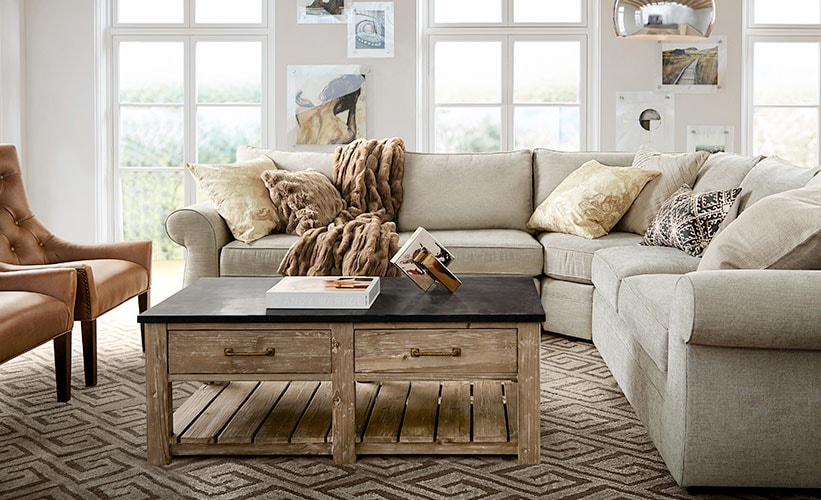
Image Source: assets.pbimgs.com
Starting with Your Space: The Foundation of Good Design
Before you even look at a sofa, you need to know your living room’s dimensions. Measure everything! This includes the length and width of the room, and the height of the ceiling. Also, measure doorways, hallways, and any staircases the furniture needs to pass through. This is crucial for furniture scale and proportion. You don’t want to buy a massive sectional that won’t fit through your front door or looks too big in the room.
Measuring Your Room Effectively
- Wall-to-Wall Measurements: Use a long tape measure to get precise lengths and widths.
- Note Obstacles: Mark down the location of windows, doors, fireplaces, radiators, and built-in features.
- Measure Entryways: Don’t forget to measure the height and width of all doorways, hallways, and any tight corners the furniture must navigate.
- Ceiling Height: This affects the visual impact of taller pieces like floor lamps or tall bookcases.
Creating a Floor Plan
A simple floor plan is your best friend. You can draw this on paper or use online tools.
- Draw to Scale: Use graph paper or a digital tool to draw your room to scale.
- Cut Out Furniture Templates: Many furniture stores or online resources offer printable templates of their furniture at scale. Cut these out and arrange them on your floor plan.
- Consider Traffic Flow: How will people move through the room? Ensure there are clear pathways.
The Star of the Show: Choosing the Sofa
The sofa is often the largest and most central piece of living room furniture layout. It sets the tone for the entire space.
Types of Sofas
- Sectional: Great for large rooms or L-shaped spaces, offering ample seating.
- Sofa and Loveseat Set: A classic pairing, good for creating a balanced look.
- Chesterfield: Known for its deep buttoning and rolled arms, a timeless, elegant choice.
- Track Arm Sofa: Features straight, squared arms, offering a modern, clean look.
- Tuxedo Sofa: Similar to Chesterfield but with squared arms and a high back.
- Futon/Sofa Bed: Excellent for smaller spaces or guest rooms, offering dual functionality.
What to Consider When Choosing Sofa for Living Room
- Size and Shape: Does it fit your room and your living room furniture layout?
- Comfort: Sit on it! Is it firm enough? Is the depth right for you?
- Durability: Look for sturdy frames (hardwood is best) and good quality upholstery.
- Style: Does it match your overall aesthetic?
Adding More Seating: Selecting Accent Chairs
Accent chairs add personality, extra seating, and can break up the monotony of a matching sofa set. They are key to creating a welcoming atmosphere and can be a great way to introduce pops of color or texture.
Styling with Accent Chairs
- Complementary Styles: Choose chairs that complement your sofa but don’t necessarily match perfectly.
- Color and Pattern: Use accent chairs to introduce bold colors or interesting patterns.
- Placement: Position them to encourage conversation or to create cozy reading nooks. Consider placing them opposite the sofa or at the ends of it.
Types of Accent Chairs
- Armchairs: Classic, comfortable, and versatile.
- Wingback Chairs: Offer a sense of tradition and privacy, perfect for reading.
- Swivel Chairs: Great for rooms where you want to easily turn to face different areas.
- Occasional Chairs: Smaller, lighter chairs that can be easily moved.
The Central Hub: Coffee Tables and Side Tables
These pieces are essential for both function and style. They provide surfaces for drinks, books, lamps, and decor.
Coffee Table Placement
- Distance: Aim for about 14-18 inches between the sofa and the coffee table. This allows enough legroom and easy access.
- Height: The coffee table should be roughly the same height as your sofa’s seat cushion, or slightly lower.
- Size: It should be about two-thirds the length of your sofa.
Types of Coffee Tables
- Rectangular: Classic and functional, works well with most sofa shapes.
- Square: Good for sectionals or matching sofas.
- Round/Oval: Softer lines, great for creating flow and softening a space. Also safer in homes with small children.
- Nesting Tables: Offer flexibility and can be pulled out when needed.
- Storage Tables: Feature drawers or shelves to hide clutter.
Side Tables (End Tables)
- Purpose: Placed next to sofas or chairs to hold lamps, remotes, or drinks.
- Height: Should be about the same height as the arm of the sofa or chair they are next to.
Storage Solutions: Keeping Your Living Room Tidy
A cluttered living room rarely feels relaxing. Smart storage is key to maintaining a stylish and functional space.
Types of Storage Furniture
- Media Console/TV Stand: Hides electronics and offers display or storage space.
- Bookcases: Ideal for books, decorative items, and even storing baskets for smaller items.
- Console Tables: Often placed behind a sofa or against a wall, they offer a slim profile with drawers or shelves.
- Ottomans with Storage: Double as footrests and hidden storage.
- Shelving Units: Open shelving can display decor, while closed cabinets hide clutter.
Choosing the Right Materials: Best Materials for Living Room Furniture
The materials you choose will impact the look, feel, durability, and maintenance of your furniture.
Upholstery Fabrics
- Cotton/Linen Blends: Breathable and comfortable, but can wrinkle and stain easily.
- Polyester/Nylon Blends: Durable, resistant to fading and stains, and easy to clean.
- Velvet: Luxurious and soft, but can show wear with heavy use and may require professional cleaning.
- Leather: Durable, ages well, and is easy to wipe clean. Can be more expensive.
- Microfiber: Very durable, stain-resistant, and soft. A great choice for families with pets or children.
Wood Finishes
- Solid Hardwoods (Oak, Maple, Cherry): Durable and beautiful, often used for frames and high-quality pieces.
- Veneers: A thin layer of real wood applied over a less expensive core material. Can be very durable and attractive.
- MDF/Particleboard: More affordable, but less durable and can be damaged by moisture.
Metal and Glass
- Metal (Steel, Iron, Aluminum): Used for frames, legs, and decorative accents. Offers a modern or industrial look.
- Glass: Used for tabletops and accents. Can make a space feel more open but requires frequent cleaning.
Defining Your Style: Living Room Color Scheme and Aesthetics
The colors and overall style of your furniture will determine the mood of your living room.
Color Considerations
- Neutral Base: Start with neutral colors (grays, beiges, whites, creams) for your main pieces like sofas. This creates a versatile foundation.
- Accent Colors: Introduce color through accent chairs, pillows, throws, rugs, and artwork.
- Psychology of Color:
- Blues: Calming, serene.
- Greens: Natural, balancing, restful.
- Reds/Oranges: Energetic, warm, stimulating.
- Yellows: Cheerful, optimistic.
Popular Living Room Styles
- Modern: Clean lines, minimalist design, neutral colors with occasional bold accents.
- Traditional: Classic shapes, rich fabrics, ornate details, warm wood tones.
- Bohemian (Boho): Eclectic mix of patterns, textures, and colors; relaxed and bohemian vibe.
- Mid-Century Modern: Retro feel with tapered legs, organic shapes, and a mix of materials.
- Farmhouse: Cozy, rustic feel with natural materials, comfortable furniture, and a neutral palette.
Scale and Proportion: Making Your Room Look Just Right
This is about how the size of your furniture relates to the size of your room and to other pieces of furniture.
Achieving Good Furniture Scale and Proportion
- Big Room, Big Furniture: Larger rooms can handle larger, chunkier furniture.
- Small Room, Smaller Furniture: Opt for more streamlined, appropriately sized pieces. Avoid overstuffing.
- Visual Weight: Balance the visual weight of pieces. A large sofa might be balanced by two smaller accent chairs.
- Height Balance: Ensure there’s a good balance between low-profile items (coffee tables) and taller items (floor lamps, bookcases).
Functionality First: Functional Living Room Pieces
Beyond aesthetics, your furniture needs to serve its purpose and make your life easier.
Thinking About Use
- How do you use your living room most? For watching TV? Reading? Entertaining guests? Playing games?
- Seating Needs: How many people do you typically need to seat?
- Storage Needs: Do you need to store blankets, books, games, or electronics?
Smart Furniture Choices
- Multi-functional Pieces: Ottomans with storage, nesting tables, sofa beds, and storage benches are great for maximizing space and utility.
- Modular Furniture: Allows you to reconfigure your living room furniture layout as your needs change.
- Comfortable Seating: Invest in sofas and chairs that are not only stylish but also comfortable for long periods.
Durability and Maintenance: Durable Living Room Furniture
Investing in quality furniture means it will last longer and look better over time, saving you money in the long run.
What Makes Furniture Durable?
- Frame Construction: Solid hardwood frames are the most durable. Look for frames that are kiln-dried and corner-blocked for extra strength.
- Joinery: Mortise-and-tenon or dowel joints are stronger than staples or glue alone.
- Upholstery Quality: High-density foam cushions and tightly woven fabrics tend to be more durable.
- Leg Construction: Furniture legs should be sturdy and securely attached.
Maintenance Tips
- Regular Cleaning: Vacuum upholstery regularly. Wipe down wood and glass surfaces.
- Sunlight Exposure: Position furniture away from direct sunlight to prevent fading.
- Protect Surfaces: Use coasters for drinks and consider protective sprays for upholstery.
- Professional Cleaning: Periodically have upholstery professionally cleaned.
Bringing it all Together: Stylish Living Room Decor
Once you have your main pieces, it’s time to add the finishing touches that make your space uniquely yours.
Layering and Texture
- Rugs: Anchor your living room furniture layout and add warmth and texture.
- Pillows and Throws: Easily update your look and add comfort and color.
- Curtains: Frame windows, control light, and add softness.
- Artwork and Decor: Personalize your space with pieces you love.
Lighting
- Ambient Lighting: General overhead lighting.
- Task Lighting: Reading lamps next to chairs.
- Accent Lighting: To highlight artwork or architectural features.
Sample Furniture Layouts
Here are a few ideas for arranging your living room furniture layout:
Layout 1: Conversation-Focused
- Best for: Rooms where entertaining and talking is the main activity.
- Arrangement: Sofa facing a couple of accent chairs, with a coffee table in the center. This creates an inviting circle.
Layout 2: TV-Centric
- Best for: Rooms where watching TV is the primary use.
- Arrangement: Sofa facing the TV, with accent chairs angled towards it. Ensure comfortable viewing angles for everyone.
Layout 3: Multi-Zone
- Best for: Larger rooms that can accommodate different activities.
- Arrangement: Create distinct zones. A seating area around a fireplace or TV, and perhaps a reading nook with an armchair and side table.
Frequently Asked Questions (FAQ)
Q1: How do I choose the right size sofa for my living room?
A1: Measure your living room and plan your layout. Ensure there’s at least 18 inches of space between the sofa and the coffee table for comfortable movement. Consider the scale of your room – a very large sofa can overwhelm a small space, while a tiny sofa might get lost in a grand room.
Q2: What are the best materials for durable living room furniture?
A2: For upholstery, look for tightly woven fabrics like microfiber, polyester blends, or leather. For furniture frames, solid hardwood is the most durable choice. Kiln-dried hardwood with corner-blocked joinery offers excellent longevity.
Q3: Can I mix and match furniture styles in my living room?
A3: Absolutely! Mixing styles can create a more unique and personal space. The key is to find a common thread, such as a similar color palette, material, or repeating shape, to tie the different pieces together.
Q4: What is the ideal height for a coffee table?
A4: A coffee table should generally be the same height as, or slightly lower than, the seat of your sofa. This makes it comfortable to reach for drinks or place items on it.
Q5: How much space should I leave between furniture pieces?
A5: For traffic flow, aim for at least 3 feet (about 1 meter) for main pathways. Between seating and a coffee table, 14-18 inches is ideal. Ensure there’s enough space to walk around furniture easily.
Q6: What are some tips for choosing accent chairs?
A6: Accent chairs are a great way to add personality. Consider their comfort, size, and how they will complement your sofa. They can introduce color, pattern, or a different texture to the room. Ensure they are proportional to the overall space and other furniture.
Q7: How important is furniture scale and proportion?
A7: Furniture scale and proportion are crucial for creating a balanced and visually appealing room. Furniture that is too large can make a room feel cramped, while furniture that is too small can make the room feel empty or unfinished. It’s about ensuring everything fits harmoniously within the space.