
A persistent fishy odor in your kitchen is usually a sign of spoilage or a plumbing problem. The most common culprits are spoiled seafood, lingering old food smells, or issues with your drains and garbage disposal.
Is your kitchen suddenly giving off an unpleasant fishy odor? It’s a common, and often frustrating, household mystery. That unmistakable smell of rancid fish can permeate your home, making it feel less inviting and raising concerns about cleanliness and even health. But before you panic and throw out all your cookware, let’s break down the likely causes and how to tackle them.
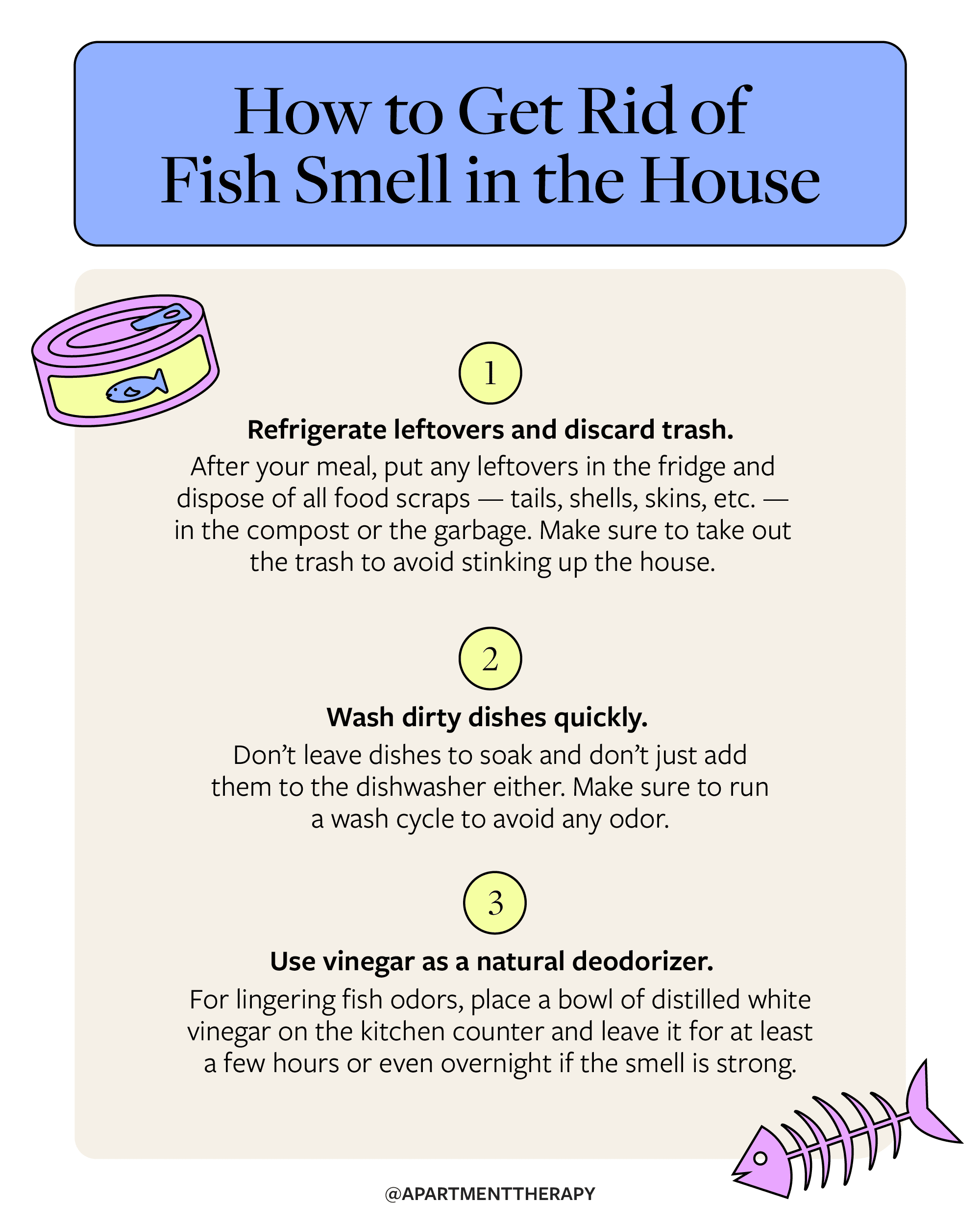
Image Source: cdn.apartmenttherapy.info
Deciphering the Source of the Smell
That fishy odor isn’t just a nuisance; it’s a signal that something isn’t quite right in your kitchen environment. The key to eliminating it lies in accurately identifying its origin. This smell is often associated with organic matter breaking down, and in a kitchen, that typically points to food, especially seafood. However, it can also be a symptom of less obvious, but equally important, issues like plumbing issues or bacterial growth.
Is It Truly Seafood?
While the smell is often described as “fishy,” it doesn’t always mean you’ve recently cooked or stored spoiled seafood. Many other things can mimic that distinct aroma. However, if you have recently handled or stored fish, this is undoubtedly your first suspect.
Beyond the Ocean: Other Contributors
- Spoiled Dairy: Certain dairy products, when they go bad, can develop a surprisingly similar scent.
- Certain Vegetables: Some vegetables, like broccoli or cauliflower, can produce sulfurous compounds as they decompose, which can sometimes be mistaken for a fishy smell.
- Mold and Mildew: Hidden moisture problems can lead to mold and mildew growth, and certain types can emit musty or even slightly fishy odors.
Common Culprits for a Fishy Kitchen Smell
Let’s dive into the most frequent reasons your kitchen might be smelling like a fish market.
1. Spoiled Seafood and Leftovers
This is the most straightforward explanation. If you’ve recently cooked or stored fish or other seafood, and it hasn’t been handled or stored properly, it can quickly start to smell.
Storing Seafood Safely
- Refrigeration is Key: Raw fish should always be kept on the coldest shelf of your refrigerator, ideally on a plate or in a container to catch any drips. Aim to use it within 1-2 days of purchase.
- Freezer Power: For longer storage, freeze fish immediately. Wrap it tightly in plastic wrap, then in foil or a freezer bag to prevent freezer burn and odor transfer.
- Check for Spoilage: Fresh fish should have clear eyes, bright red gills, and a firm texture. It should smell fresh and briny, not overly “fishy” or ammonia-like.
Forgotten Leftovers
We’ve all been there – a container of leftovers shoved to the back of the fridge, only to be discovered weeks later. Spoiled seafood leftovers are prime offenders for creating that unpleasant fishy odor.
- The Mystery Container: If you can’t recall what’s in a particular container, it’s best to assume the worst and dispose of it safely outside your home.
- Regular Fridge Purge: Make it a habit to go through your refrigerator weekly, discarding anything that’s past its prime.
2. The Refrigerator Smell Factor
Your refrigerator itself can become a source of a fishy odor, even if you haven’t stored fish recently.
What’s Hiding Inside?
- Spills and Drips: Any spilled liquid, especially from meats or seafood, can seep into cracks or under crisper drawers. When this organic matter breaks down, it releases odors.
- Condensation and Mold: Moisture can build up, creating condensation that can lead to mold growth in hidden areas.
- Cross-Contamination: If spoiled seafood was previously stored in your fridge without proper containment, its odor can linger.
Tackling the Refrigerator Smell
- Empty and Clean: Start by emptying the entire refrigerator. Discard any questionable items.
- Deep Clean: Wash all shelves, drawers, and interior surfaces with a solution of warm water and baking soda or a mild dish soap. For stubborn odors, a solution of white vinegar and water can be effective.
- Deodorize: Place an open box of baking soda inside the fridge, or a bowl of activated charcoal, to absorb lingering smells. Change these regularly.
- Check Seals: Ensure the door seals are clean and intact to maintain proper temperature and prevent moisture buildup.
3. Drain Odor and Garbage Disposal Woes
Your kitchen drains and garbage disposal are common hiding spots for odor-causing bacteria and food particles. A drain odor can easily be mistaken for a fishy odor, especially if there’s any residual grease or organic matter present.
Why Drains Smell Fishy
- Food Debris Buildup: Small food particles, especially from meats and seafood, can get trapped in pipes and around the garbage disposal blades. As these particles decompose, they release foul smells.
- Grease and Fat: Cooking oils and fats poured down the drain can solidify, creating a sticky residue that traps food particles and promotes bacterial growth.
- Trapped Moisture: Standing water in the P-trap (the U-shaped pipe under your sink) can trap sewer gases, which sometimes have a sulfurous or “rotten” smell.
- Garbage Disposal Issues: If your garbage disposal isn’t grinding food effectively or isn’t flushed properly, food remnants can accumulate and create strong odors.
Clearing Drain Odors
- Hot Water Flush: Regularly pour boiling water down your drains to help dissolve grease and flush away debris.
- Baking Soda and Vinegar: Pour about half a cup of baking soda down the drain, followed by an equal amount of white vinegar. Let it fizz for 10-15 minutes, then flush with hot water.
- Citrus Power: Grind citrus peels (lemon, lime, orange) in your garbage disposal to freshen it up.
- Ice Cubes: Grind a few trays of ice cubes in your garbage disposal. The ice helps to scrape away grime and residue from the disposal’s interior.
- Professional Cleaning: If the odor persists, you might have a more significant clog or buildup, and it’s time to call a plumber.
4. Old Food Smells and Hidden Contamination
Sometimes, the fishy odor isn’t from fresh spoiled seafood but from lingering old food smells that have become ingrained in your kitchen environment.
Where Old Food Hides
- Trash Cans: Kitchen trash cans, even when emptied, can retain odors if not cleaned regularly. Spills or residue at the bottom are common culprits.
- Sponges and Dishcloths: Damp sponges and dishcloths are breeding grounds for bacteria. If they’re not wrung out and dried properly, they can develop a sour, sometimes fishy, smell.
- Cutting Boards: Wooden cutting boards, especially those used for raw meats and fish, can absorb odors and bacteria if not cleaned and sanitized thoroughly.
- Under Appliances: Food particles can fall under appliances like refrigerators, stoves, or dishwashers and begin to decompose, creating persistent odors.
Eliminating Old Food Smells
- Clean Trash Cans: Wash your trash cans regularly with hot, soapy water and a disinfectant.
- Replace and Sanitize: Regularly replace sponges and dishcloths, or sanitize them in the dishwasher or microwave.
- Cutting Board Care: For wooden cutting boards, wash them with hot, soapy water and periodically rub them with a mixture of salt and lemon juice, then rinse and dry.
- Deep Cleaning Under Appliances: Pull out appliances for a thorough cleaning underneath.
5. Plumbing Issues and Hidden Leaks
Less commonly, a persistent fishy odor can indicate more serious plumbing issues.
What to Look For
- Dry P-Traps: If a sink or drain hasn’t been used in a while, the water in the P-trap can evaporate, allowing sewer gases to enter your kitchen. Running water for a minute or two can usually fix this.
- Cracked Pipes or Seals: A crack in a pipe or a faulty seal around a drain can allow sewage gases or stagnant water to escape into your kitchen.
- Vent Stack Problems: Your home’s plumbing system has vent stacks that allow gases to escape outside. If these are blocked, gases can back up into your home.
When to Call a Professional
If you’ve ruled out all the common food-related causes and your drains seem clear, it’s wise to suspect a plumbing issue. Persistent odors, especially if accompanied by dampness or unusual sounds from your pipes, warrant a call to a qualified plumber. They can inspect your system for leaks, blockages, or ventilation problems.
6. Seafood Contamination and Bacterial Growth
The fishy odor itself is a byproduct of the breakdown of compounds in fish, primarily trimethylamine oxide (TMAO). Bacteria in the environment convert TMAO into trimethylamine (TMA), which has that characteristic fishy smell. This process is accelerated when fish is not kept at proper temperatures.
The Role of Bacteria
- Environmental Bacteria: Even if your seafood was fresh when you bought it, bacteria present in the air, on surfaces, or on utensils can begin to break down compounds as soon as the fish is exposed.
- Temperature Abuse: Leaving fish out at room temperature for extended periods allows bacteria to multiply rapidly, leading to faster spoilage and odor production. This is why prompt refrigeration or freezing is crucial.
- Cross-Contamination: Bacteria from raw fish can spread to other foods or surfaces, leading to the odor appearing even when the original fish source is no longer present or has been disposed of.
Preventing Seafood Contamination
- Separate Raw and Cooked: Always use separate cutting boards, knives, and utensils for raw fish and other foods.
- Hand Hygiene: Wash your hands thoroughly with soap and water after handling raw fish.
- Sanitize Surfaces: Clean and sanitize all surfaces that come into contact with raw fish.
- Cook to Proper Temperature: Ensure fish is cooked to the recommended internal temperature to kill harmful bacteria.
Creating a Fresh-Smelling Kitchen: Proactive Measures
Preventing that fishy odor is always easier than removing it. Here are some habits to adopt:
Regular Cleaning Routine
- Daily Wipe-Downs: Wipe down counters, sinks, and stovetops daily to remove any food spills or residue.
- Weekly Deep Clean: Dedicate time each week for a more thorough cleaning, including scrubbing floors, wiping down appliance exteriors, and cleaning out the microwave.
- Appliance Maintenance: Clean out your refrigerator, dishwasher, and oven regularly according to manufacturer instructions.
Proper Food Storage
- Airtight Containers: Store all