
Can you effectively separate an open plan kitchen from your living room? Yes, absolutely! Dividing your open concept living space into distinct zones is a popular and achievable design goal. This blog post explores the best ways to achieve this, offering practical advice and creative solutions.
Open plan living has taken the interior design world by storm. It promotes a sense of spaciousness and encourages family interaction. However, for many, the lack of defined zones can lead to a feeling of chaos. The kitchen, often a hub of activity, can feel too visually present in a relaxing living area. Fortunately, there are numerous ways to create separation without sacrificing the open feel. This guide will delve into key strategies for separating your kitchen from your living room, transforming your open concept living into a more functional and aesthetically pleasing environment.
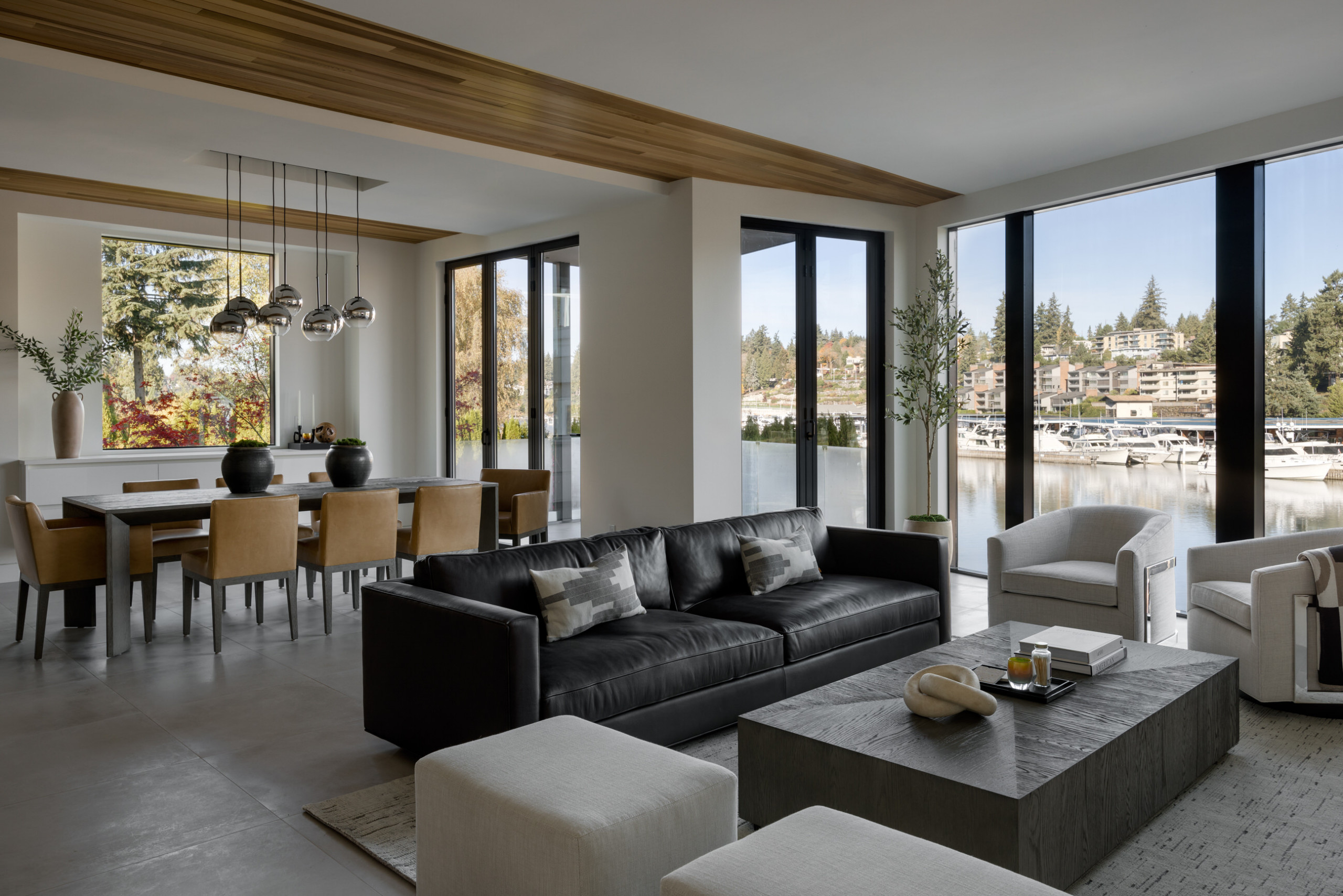
Image Source: st.hzcdn.com
Why Separate Your Open Plan Kitchen and Living Room?
Before diving into the methods, it’s helpful to consider why you might want to separate these two areas.
- Reducing Visual Clutter: Kitchens can be busy places. Dirty dishes, cooking ingredients, and appliances can create a visual distraction in a living space meant for relaxation.
- Minimizing Noise and Odors: Cooking can generate noise from appliances and smells that you might not want permeating your living area.
- Defining Functional Zones: Clear boundaries help each space serve its intended purpose. The kitchen becomes a dedicated cooking and dining zone, while the living room is a place for lounging and entertaining.
- Improving Ambiance: A clear separation can contribute to a more cohesive and deliberate interior design scheme, allowing each zone to have its own distinct atmosphere.
- Enhancing Privacy: While open plan living encourages togetherness, sometimes a little privacy for each area is desirable.
Key Strategies for Dividing Living Space
Achieving a successful separation involves more than just placing a piece of furniture. It’s about creating visual cues, establishing boundaries, and using design elements thoughtfully. Here are some effective strategies for dividing living space:
1. The Kitchen Island as a Natural Divider
The kitchen island as divider is one of the most popular and functional solutions. It acts as a physical and visual barrier, naturally separating the cooking zone from the living area.
Benefits of Using a Kitchen Island as a Divider:
- Dual Functionality: It provides extra counter space for food preparation, a casual dining spot, or a place for guests to gather.
- Built-in Storage: Most islands offer ample storage with cabinets and drawers, helping to keep the kitchen tidy.
- Flow and Connection: While it separates, it also maintains a connection between the two spaces, allowing for conversation.
- Aesthetic Appeal: A well-designed island can be a stunning focal point for the kitchen.
Design Considerations for Island Dividers:
- Size and Placement: Ensure the island is proportionate to your space. Placing it strategically can optimize workflow and create the desired separation.
- Seating: Incorporate bar stools or counter stools to create a casual dining or social area.
- Materials and Finish: Choose materials that complement both the kitchen and the living room decor for a cohesive look.
2. The Power of Furniture Arrangement
How you arrange your furniture can dramatically impact the perception of space and create distinct zones.
Creating Zones with Furniture:
- Sofa Placement: Position your sofa to face away from the kitchen, creating a clear boundary. A sectional sofa can also act as a natural L-shaped divider.
- Area Rugs: Use different area rugs in each zone. A rug under the living room seating area defines that space, while a different rug or no rug in the kitchen area reinforces its distinct purpose.
- Bookcases and Shelving Units: Tall, open-backed bookcases or modular shelving units can serve as a room divider ideas that doesn’t completely block light or views. They offer storage and display opportunities.
- Consoles and Sideboards: Placing a console table or sideboard behind a sofa can create a subtle separation and offer a surface for lamps or decorative items.
3. Architectural Elements for Separation
For a more permanent and integrated solution, consider architectural changes.
Built-in Room Dividers:
- Half-Walls or Low Walls: A partial wall can create a clear visual and physical separation without making the space feel enclosed. This is a great option for separating rooms without fully closing them off.
- Columns or Pillars: Strategically placed columns can subtly delineate the transition between the kitchen and living areas.
- Level Changes: A slight step up or down between zones can create a distinct separation. This is often incorporated during renovations.
- Ceiling Treatments: Varying ceiling treatments, such as a dropped ceiling in the kitchen or different lighting fixtures, can also signal a change in zone.
4. Creative Room Separation Techniques
Beyond traditional methods, there are many creative room separation ideas that add personality and style.
Screens and Freestanding Room Dividers:
- Freestanding Room Divider: These are versatile and can be moved or reconfigured as needed. They come in various materials, from wood and bamboo to fabric and metal. A freestanding room divider can be as simple or as elaborate as you like.
- Folding Screens: Decorative folding screens offer a flexible way to divide space. They can be easily folded away when not needed.
- Sliding Doors or Panels: Pocket doors or barn doors that slide into the wall can offer a more complete separation when desired.
- Hanging Curtains: Fabric panels or heavy drapery can provide a soft, less permanent division. Choose materials that complement your decor.
Using Plants for Natural Division:
- Tall Potted Plants: Strategically placed large potted plants can create a living screen, adding greenery and a natural feel. This is a beautiful kitchen partition idea.
- Plant Stands: Multiple plant stands at varying heights can form a visually appealing and airy divider.
5. Lighting as a Zone Delineator
Lighting plays a crucial role in defining zones and influencing the mood of a space.
Different Lighting Approaches:
- Task Lighting: Brighter, focused lighting in the kitchen area for cooking and prep.
- Ambient Lighting: Softer, more diffused lighting in the living room for relaxation.
- Pendant Lights: Hanging pendant lights over a kitchen island or dining table can clearly mark the transition to the kitchen zone.
- Floor and Table Lamps: Use these in the living room to create a warm and inviting atmosphere.
- Dimmer Switches: Install dimmers in both areas to control the mood and intensity of light.
6. Color and Material Palettes
Subtle changes in color and materials can also help differentiate your zones.
Differentiating Zones with Color and Materials:
- Wall Colors: Use different paint colors or accent walls to visually separate the two areas. A bolder color in the kitchen can energize the space, while a calmer hue in the living room promotes tranquility.
- Flooring: While challenging in an existing open plan, if renovating, consider different flooring materials. For example, tile or vinyl in the kitchen for durability and ease of cleaning, and wood or carpet in the living room for comfort. If you can’t change the flooring, area rugs are an excellent alternative.
- Cabinetry and Countertops: Distinct styles or colors for kitchen cabinets and countertops naturally mark the kitchen area.
- Backsplashes: A unique backsplash can draw the eye and solidify the kitchen as its own distinct zone.
7. Sound Absorption and Acoustics
The kitchen is often the noisier of the two spaces. Consider how to manage sound.
Managing Kitchen Noise:
- Acoustic Panels: While often associated with studios, stylish acoustic panels can be incorporated into your decor to absorb sound.
- Soft Furnishings: Upholstered furniture, rugs, and curtains in the living room help to absorb sound and reduce echo.
- Appliance Placement: Position noisier appliances like dishwashers or refrigerators strategically away from the main living area if possible.
Table: Comparing Separation Strategies
Here’s a quick comparison of some popular methods to help you choose the best approach for your open concept living space.
| Strategy | Pros | Cons | Best For |
|---|---|---|---|
| Kitchen Island | Functional, adds storage, aesthetic focal point, social hub | Requires space, potential cost for installation/renovation | Homes needing more prep/dining space, creating a defined kitchen hub |
| Furniture Arrangement | Flexible, cost-effective, easily changeable | Less of a physical barrier, might not fully block noise/smells | Budget-conscious, renters, those who prefer subtle separation |
| Half-Walls/Low Walls | Clear separation, architectural feature, can incorporate storage | Requires renovation, permanent change, can block light if too high | Permanent residents, those wanting a more structural division |
| Screens/Dividers | Flexible, decorative, can be easily moved or stored | Might not be fully soundproof, can feel less permanent | Renters, those who like to reconfigure their space, adding visual interest |
| Plants | Natural, aesthetic, improves air quality | Limited separation effectiveness, requires maintenance | Those seeking a soft, natural division, adding greenery |
| Lighting | Subtle, creates ambiance, defines zones without physical barriers | Doesn’t block sound or visual clutter | Enhancing existing separation, creating mood, complementing other methods |
| Color/Material Changes | Visually strong, defines zones, adds aesthetic interest | Requires careful planning to avoid clashing, can be costly | Those looking for a more integrated design solution, willing to invest |
Implementing Your Separation Strategy
When implementing your chosen strategy, consider these final tips:
- Measure Carefully: Before purchasing furniture or planning any architectural changes, measure your space accurately.
- Consider Flow: Ensure that your separation method still allows for easy movement between the kitchen and living areas.
- Maintain Natural Light: If possible, choose methods that don’t completely block natural light. Open-backed shelves or slatted dividers are good options.
- Think About Scale: Ensure the size and scale of your chosen divider are appropriate for the overall size of your open concept living space.
- Budget Accordingly: Some solutions, like architectural changes or a new kitchen island, are more expensive than others, like furniture arrangement or screens.
- Test and Adjust: Don’t be afraid to try different furniture arrangements or reposition screens until you achieve the desired effect.
Visual Separation: The Art of Suggestion
The goal is often visual separation rather than a complete physical barrier. This means creating cues that tell your brain, “This is the kitchen,” and “This is the living room,” without making the space feel smaller or more closed off.
Techniques for Visual Separation:
- Varying Furniture Styles: A more modern, sleek sofa in the living area can contrast with more traditional or rustic kitchen cabinets, visually separating the styles.
- Art and Decor: Displaying art or decorative pieces that are clearly associated with one zone over the other can help. For instance, kitchen-themed art above the dining area, and landscape paintings in the living room.
- Ceiling Height: If you have the possibility to alter ceiling heights, even a slight difference can create a strong visual cue.
Defining Zones with Flooring
Flooring is a powerful tool for defining zones.
Flooring for Separation:
- Contrasting Materials: As mentioned, using different materials like tile in the kitchen and wood in the living room is highly effective.
- Runner Rugs: A long runner rug in the kitchen or leading into the kitchen can act as a visual cue.
- Area Rugs: Strategically placed area rugs are essential for grounding seating areas in the living room and visually separating them from the kitchen.
Kitchen Partition: Beyond the Island
While the kitchen island is king, other forms of kitchen partition exist.
Other Kitchen Partition Ideas:
- Counter-Height Peninsula: Similar to an island but attached to a wall or cabinet run, a peninsula can create a robust separation.
- Low Cabinetry: A run of low cabinets between the two spaces can act as a subtle divider, offering extra storage.
- Sliding Barn Doors: If you have a doorway leading into a separate kitchen area within an open concept, barn doors can offer a stylish and functional partition.
Frequently Asked Questions (FAQ)
Q1: What is the best way to separate a small open plan kitchen from the living room?
For smaller spaces, focus on subtle yet effective methods. A well-placed sofa with a console table behind it, or an area rug to define the living area, can work wonders. Slim, open-backed shelving units or decorative screens can also provide separation without overwhelming the space. Consider a compact kitchen island with seating if space allows.
Q2: Can I use plants to separate my kitchen and living room?
Yes, plants are a beautiful and natural way to achieve visual separation. Tall potted plants, like Fiddle Leaf Figs or Snake Plants, placed strategically can create a lovely, airy partition. Grouping several smaller plants on stands can also create a more substantial division.
Q3: How do I prevent kitchen smells and noise from entering the living room?
While complete soundproofing might be difficult in an open plan, you can mitigate these issues. Ensure your kitchen extractor fan is powerful and used during cooking. Good quality cabinetry and appliances can also reduce noise. Soft furnishings in the living room, like rugs and upholstered furniture, will absorb sound. If possible, consider installing a sliding door or a half-wall for more substantial separation.
Q4: Is it always necessary to have a physical barrier?
No, not always. Visual separation through furniture arrangement, lighting, flooring, and color can be just as effective in defining zones without creating a physical barrier. The key is to create clear cues that distinguish the purpose of each area.
Q5: What are some budget-friendly ways to separate my kitchen and living room?
Rearranging your furniture is the most budget-friendly option. Using area rugs of different sizes and styles is also cost-effective. Consider DIY projects like painting an accent wall or creating a simple DIY screen from inexpensive materials. Even strategically placed decorative items or plants can help.
By employing these key strategies, you can successfully separate your open plan kitchen from your living room, creating more defined, functional, and aesthetically pleasing zones within your home.