
Yes, you can connect a garden hose to your kitchen sink. It’s a handy way to bring water outdoors for plants or cleaning, especially if you don’t have an outdoor faucet nearby. This setup usually involves a special garden hose adapter or a sink faucet connector designed to fit your kitchen faucet. Let’s dive into how to do it safely and effectively.
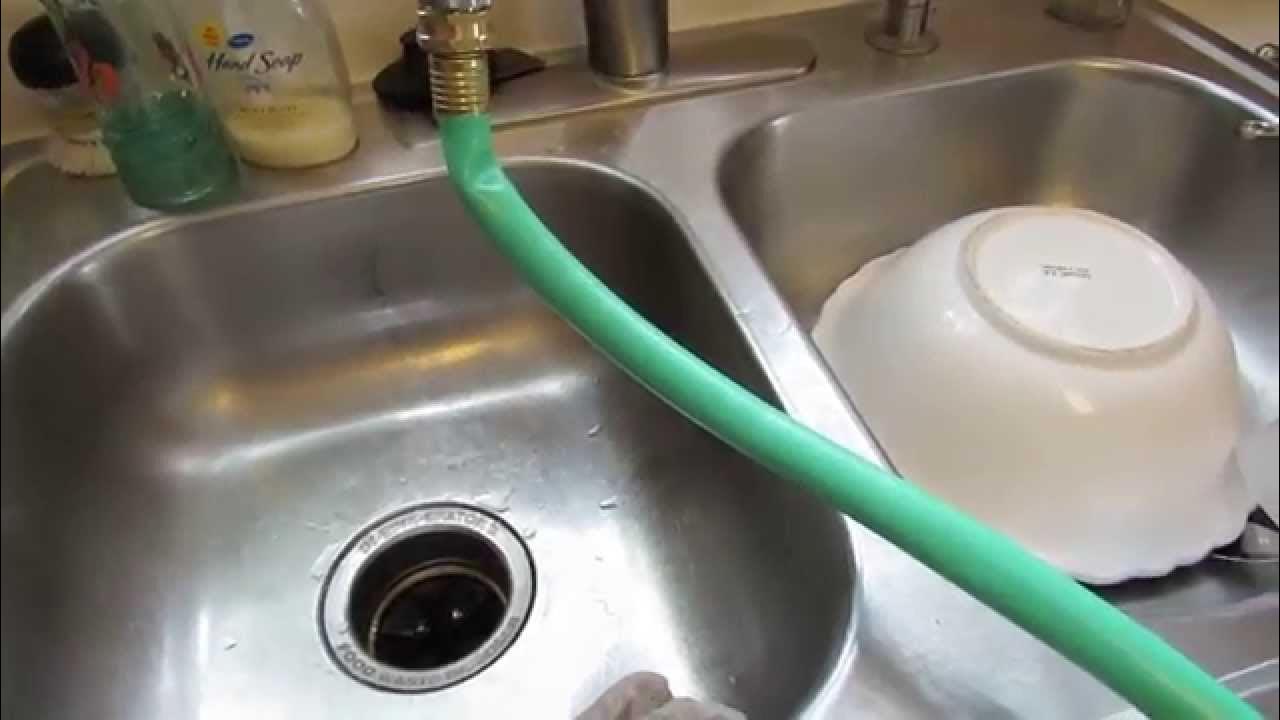
Image Source: i.ytimg.com
Why Connect a Garden Hose to Your Kitchen Sink?
There are several good reasons why someone might want to connect a garden hose to their kitchen sink. It offers a convenient way to:
- Water your garden or potted plants: If you live in an apartment or a house without an outdoor spigot, your kitchen sink might be your only access point for water to care for your plants.
- Wash your car: Need to give your car a rinse? The kitchen sink can provide the water source.
- Clean outdoor furniture or equipment: Spills, dirt, or grime on patio chairs, bikes, or tools can be easily tackled with a hose.
- Fill pet water bowls: Large outdoor pet bowls can be refilled quickly without multiple trips with smaller containers.
- Temporary plumbing needs: In some cases, this can be a temporary solution for filling large containers or tanks when other options are unavailable.
This indoor hose setup can be a real lifesaver for many outdoor chores when an outdoor faucet to sink connection isn’t an option.
What You’ll Need: The Right Fittings and Adapters
To successfully connect a garden hose to your kitchen faucet, you’ll need a few key items. The specific parts depend on your faucet type, but here’s a general list:
- Garden Hose: Make sure it’s the right length for your needs.
- Garden Hose Adapter (or Sink Faucet Connector): This is the crucial piece. It attaches to your faucet spout and has a thread that a garden hose can connect to.
- Hose to Tap Fitting: This is another term for the adapter that allows the hose to connect to the faucet.
- Sink Sprayer Adapter: Sometimes, the adapter might connect to where your sink sprayer hose attaches.
- Optional: Faucet Aerator Washer: A rubber washer can ensure a watertight seal.
- Optional: Pliers or Adjustable Wrench: To tighten connections securely.
- Optional: Towels or Buckets: To catch any drips during the connection process.
Types of Sink Faucet Connectors
The most common way to connect a garden hose to a kitchen sink involves specialized adapters that screw onto the end of your faucet spout. These are often called sink faucet connectors or kitchen faucet hose attachments.
For Faucets with Removable Aerators
Most modern kitchen faucets have a removable aerator at the tip of the spout. This is the part that mixes air with water to create a smooth flow.
- How it works: You unscrew the aerator and screw on a garden hose adapter that is designed to fit the threads of your faucet’s aerator opening. These adapters typically have a standard garden hose thread on the other end.
-
Types of Adapters:
- Male Thread Adapter: If your faucet spout’s aerator threads are “male” (sticking out), you’ll need an adapter with female threads to screw onto it.
- Female Thread Adapter: If your faucet spout’s aerator threads are “female” (a hole you screw into), you’ll need an adapter with male threads.
-
Table: Common Aerator Thread Sizes
| Aerator Type | Common Thread Size | Description |
|---|---|---|
| Male Thread | 55/64″ – 27 TPI (Threads Per Inch) | Most common for faucets with internal threads where the aerator screws in. |
| Female Thread | 15/16″ – 27 TPI (Threads Per Inch) | Less common, but found on some faucets where the aerator itself has external threads. |
| Other Sizes | Various (e.g., 13/16″, 3/4″) | It’s crucial to measure or check your faucet’s aerator to ensure you get the correct fit. |
- Where to find them: You can find these adapters at hardware stores, home improvement centers, or online retailers. Look for “sink aerator to garden hose adapter” or “kitchen faucet to hose adapter.”
For Faucets Without Removable Aerators (or Older Styles)
Some older faucets, or those with unique designs, might not have a standard removable aerator. In these cases, you might need a different type of sink faucet connector.
- Hose-to-Faucet Adapters: These often have a rubber sleeve or clamp that fits over the faucet spout, with a threaded end to attach the garden hose. They can be a bit less secure than screw-on adapters but are a good option for non-standard faucets.
- Sink Sprayer Hose Connections: Some adapters are designed to connect to the fitting where your pull-out or side sink sprayer hose attaches. This is another way to create an indoor hose setup if your faucet has a sprayer. This is essentially a plumbing adapter for hose that bypasses the faucet spout itself.
Securing the Connection: Ensuring a Good Seal
A proper seal is key to preventing leaks.
- Use the correct adapter: The most important step is getting the right size and thread type of garden hose adapter for your faucet.
- Rubber Washer: Ensure there’s a rubber washer inside the adapter that will sit against the faucet to create a seal. If the adapter doesn’t come with one, you might need to find a replacement washer that fits.
- Tightening: Tighten the adapter onto the faucet by hand first. If it leaks, you can use pliers or an adjustable wrench to give it a quarter-turn more, but be careful not to overtighten, as this can damage the faucet or adapter.
Step-by-Step Guide to Connecting Your Hose
Connecting your garden hose to the kitchen sink is a straightforward process once you have the right parts. Here’s how to do it:
Step 1: Prepare Your Faucet
- Turn off the hot water: While you’ll likely use cold water for outdoor tasks, it’s good practice to turn off the hot water supply to the faucet to avoid accidental scalding. Look for the shut-off valves under the sink.
- Remove the aerator: Most kitchen faucets have a small aerator screen at the very end of the spout.
- If it unscrews easily by hand, great!
- If it’s tight, you might need to wrap it with a cloth to protect the finish and use pliers or an adjustable wrench to gently unscrew it.
- Clean the faucet threads: Once the aerator is off, you’ll see the threads inside or outside the spout. Clean away any mineral deposits or debris from these threads.
Step 2: Attach the Garden Hose Adapter
- Select the correct adapter: Based on the threads you found, choose the appropriate sink faucet connector. For most faucets with removable aerators, this will be an adapter that screws directly onto the faucet spout.
- Screw on the adapter:
- Ensure the rubber washer is in place inside the adapter.
- Carefully screw the garden hose adapter onto the faucet spout. Start by hand-tightening.
- Check for a snug fit. If there’s any slight wobble or you suspect it might leak, use pliers or a wrench to tighten it a little more (about a quarter turn). Avoid forcing it.
Step 3: Connect the Garden Hose
- Prepare the hose: Make sure the end of your garden hose that connects to the faucet is clean and has its rubber washer intact.
- Attach the hose to the adapter: Screw the garden hose onto the threaded end of the sink faucet connector. Again, hand-tighten it securely.
- Check the connection: Ensure the hose is firmly attached to the adapter and the adapter is firmly attached to the faucet.
Step 4: Test for Leaks
- Turn on the water slowly: Go back under the sink and slowly turn the cold water supply back on.
- Check all connection points: With the water running, carefully inspect:
- Where the adapter connects to the faucet.
- Where the garden hose connects to the adapter.
- Look for drips: If you see any water escaping, try tightening the connections slightly. If leaks persist, you may need to disassemble, check the washer, or try a different adapter.
Step 5: Run Water Through the Hose
- Open the faucet handle: Turn on your kitchen faucet to let water flow into the hose.
- Flush the hose: Let the water run through the garden hose for a minute or two. This helps to clear out any dust or debris that might have been in the hose or adapter.
- Direct the water outside: Guide the end of the garden hose to where you need the water.
Using Your Indoor Hose Setup Safely and Effectively
Once connected, using your indoor hose setup requires a bit of awareness to ensure safety and prevent damage.
Water Pressure Considerations
- Household pressure: Standard household water pressure is usually sufficient for garden hoses. However, if your home has unusually high water pressure, be extra careful not to over-tighten connections, as this could lead to leaks or burst fittings.
- Hose length: Longer hoses can sometimes lead to a slight drop in pressure at the end, but this is usually not a significant issue for typical garden tasks.
Preventing Water Damage
- Monitor connections: Even with a good seal, it’s wise to periodically check your connections for any signs of dampness, especially during your first few uses.
- Secure the hose end: Don’t leave the end of the hose lying around where it can get kinked or create a tripping hazard.
- Drain the hose: After use, always turn off the water at the faucet, disconnect the hose from the sink, and drain as much water as possible from the hose before storing it. This prevents freezing in cold weather and keeps the hose in better condition.
Protecting Your Faucet Finish
- Use protective materials: When using tools like pliers or wrenches, always wrap the faucet or adapter with a cloth or rubber to prevent scratches and damage to the chrome or other finishes.
- Hand-tighten first: Always try to get the connections as snug as possible by hand before resorting to tools.
When to Use This Setup
- Temporary solution: This setup is generally intended as a temporary plumbing solution. For regular, long-term use, consider installing an outdoor spigot.
- Watering plants: Perfect for balcony gardens or areas without direct outdoor faucet access.
- Cleaning tasks: Useful for washing cars, patio furniture, or equipment.
What NOT to Do
- Do not use hot water: Only use cold water for this setup. Hot water can damage the rubber components of the hose and adapter, and it’s a scalding hazard.
- Do not leave unattended: Never leave the water running unattended when using this connection.
- Do not force connections: If parts don’t fit easily, you likely have the wrong hose to tap fitting. Forcing them can cause damage.
- Do not exceed household pressure: Avoid using pressure boosters or high-pressure nozzles that could overwhelm your faucet or adapter.
Troubleshooting Common Issues
Even with the best intentions, you might encounter a few snags. Here are some common problems and how to fix them:
Leaking Connections
- At the faucet:
- Problem: The adapter is leaking where it connects to the faucet spout.
- Solution: Ensure the rubber washer inside the adapter is seated correctly and is the right size. Try tightening the adapter slightly more by hand, or a quarter-turn with a wrench, using a protective cloth. If it still leaks, you might have the wrong adapter or a damaged faucet thread.
- At the hose:
- Problem: The hose is leaking where it connects to the adapter.
- Solution: Check the rubber washer in the hose coupling. Make sure it’s present, undamaged, and properly seated. Tighten the hose connection to the adapter firmly by hand.
Low Water Pressure
- Problem: The water flow from the hose is weaker than expected.
- Solutions:
- Check faucet flow: Is the water pressure good when the hose is disconnected? If not, the issue is with your house’s water supply or the faucet itself.
- Kinked hose: Ensure the garden hose isn’t kinked anywhere along its length.
- Clogged adapter/aerator: The adapter or the faucet’s internal aerator (if you’re using an adapter that screws onto the spout’s threads) might be clogged with sediment. Unscrew the adapter and clean both it and the faucet spout threads.
- Hose diameter: Very narrow hoses can restrict flow, though standard garden hoses should be fine.
Adapter Doesn’t Fit
- Problem: The garden hose adapter simply won’t screw onto your faucet spout.
- Solutions:
- Measure your faucet threads: Carefully measure the diameter and count the threads per inch of your faucet’s spout threading (where the aerator was).
- Identify faucet type: Some faucets have non-standard threading. You might need to search for specialized kitchen faucet hose attachment options or consider an adapter that clamps onto the spout.
- Consider a sink sprayer adapter: If your faucet has a sprayer hose, a sink sprayer adapter might be a better solution. This involves disconnecting the sprayer hose under the sink and attaching an adapter there. This requires a bit more effort but can be a very secure connection.
Advanced Connection Methods: Beyond the Spout
For those who need a more robust or alternative connection, especially if dealing with unique faucet designs or seeking a more permanent indoor hose setup, there are other options that involve a bit more DIY. These methods are more like true plumbing adapter for hose solutions.
Connecting to the Sink Sprayer Hose
Many modern kitchen faucets come with a pull-out or side sprayer. The hose for this sprayer connects directly to the water supply line under the sink. You can often find adapters that screw into this connection point.
- How it works:
- Turn off the water supply under the sink.
- Locate the connection point for the sprayer hose.
- Disconnect the sprayer hose (usually a quick-connect fitting or threaded nut).
- Attach a specialized adapter that fits this connection point and provides a garden hose thread.
- Benefits: This often provides a very secure and leak-free connection. It also bypasses the faucet spout entirely.
- Considerations: You’ll need to be comfortable working under the sink. Ensure the adapter is rated for potable water if you plan to use it for any purpose where that might be a concern (though typically garden hoses aren’t used for drinking water anyway). You might also need to cap or secure the original sprayer outlet if it’s not part of the adapter.
Using a Diverter Valve
For faucets with separate hot and cold handles or a different design, a diverter valve might be an option. This would typically involve adding a T-fitting to the cold water supply line under the sink.
- How it works: A T-fitting would be installed on the cold water pipe. One side connects to the faucet’s cold water supply, another to a short hose that feeds the faucet, and the third side has a valve and a threaded outlet for your garden hose.
- Benefits: This allows you to switch water flow between the faucet and the garden hose.
- Considerations: This is a more involved plumbing task. It requires shutting off water to the entire house, cutting pipes, and ensuring all connections are watertight. It’s a more permanent temporary plumbing solution and might be overkill for occasional use.
Frequently Asked Questions (FAQ)
Q1: Can I connect a garden hose to any kitchen faucet?
A1: Most modern kitchen faucets with removable aerators can be adapted. Older faucets or those with unique designs might require special adapters or a different connection method.
Q2: Will this damage my faucet?
A2: If you use the correct adapter and don’t overtighten, it’s unlikely to cause damage. Always use a cloth when using tools to protect the faucet finish.
Q3: Is it safe to run water through my kitchen faucet into a garden hose?
A3: Yes, as long as you are using cold water and proper adapters. Avoid using hot water, as it can degrade the rubber components in the hose and adapter.
Q4: What if my faucet doesn’t have a removable aerator?
A4: You might need a different type of kitchen faucet hose attachment, such as a clamp-on adapter or an adapter that connects to the sink sprayer hose under the sink.
Q5: How do I make sure the connection doesn’t leak?
A5: Ensure you have the correct garden hose adapter, that the rubber washer is in place and in good condition, and that all connections are tightened snugly (hand-tight first, then a slight turn with a wrench if needed).
Q6: Can I use this setup for drinking water outdoors?
A6: It is generally not recommended to drink water that has passed through a garden hose, as hoses can contain chemicals not meant for potable water. Use this setup for watering plants, washing, or other non-potable tasks.
Q7: What size garden hose should I use?
A7: Standard garden hoses in 1/2 inch, 5/8 inch, or 3/4 inch diameters will work, provided you have the correct adapter for your faucet. The most common is 5/8 inch.
By following these guidelines, you can easily and safely connect your garden hose to your kitchen sink for a variety of useful outdoor tasks. Remember to choose the right plumbing adapter for hose and check your connections for a secure fit.