
What is the best way to decorate a long and narrow living room? The best way to decorate a long and narrow living room is to focus on clever furniture arrangement, creating distinct zones, and utilizing visual tricks to make the space feel wider and more balanced.
Decorating a long and narrow living room can feel like a puzzle, but with the right approach, you can transform it into a stylish and functional space. The key is to break down the length and create a sense of balance. Let’s dive into how to achieve this, from choosing the right space-saving furniture to implementing smart visual tricks.
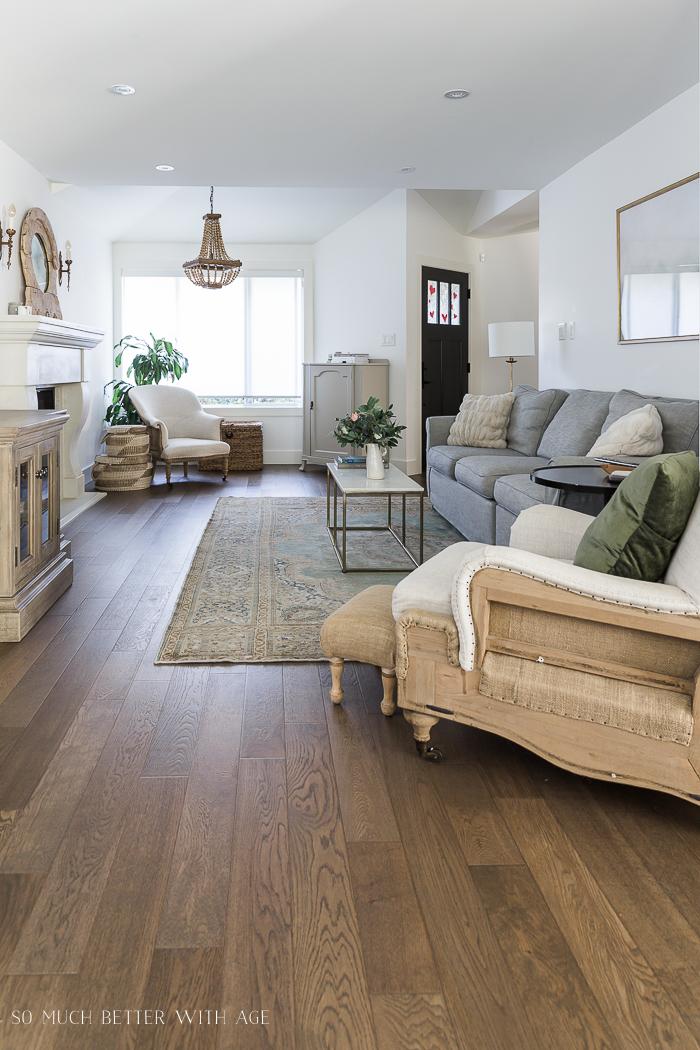
Image Source: somuchbetterwithage.com
Tackling the Challenges of Narrow Room Design
Long, narrow rooms often present a few common issues: they can feel like a hallway, a bit unbalanced, and sometimes lack a cozy feel. The goal is to make the room feel more proportional and inviting. This involves careful planning and thoughtful choices.
Rethinking Furniture Arrangement
The furniture arrangement is paramount in a long and narrow living room. Instead of pushing all your furniture against the walls, consider creating distinct functional areas. This breaks up the length and makes the room feel more like separate, usable spaces.
Creating Zones for Functionality
Think about how you use your living room. Do you entertain? Read? Watch TV? Divide the space into zones based on these activities.
- Conversation Area: Group seating around a coffee table to create an intimate spot for chatting.
- Reading Nook: A comfortable armchair, a small side table, and a floor lamp can create a cozy reading corner.
- Entertainment Zone: Dedicate a section for your TV and media console.
This strategy of creating zones prevents the room from feeling like a single, monotonous stretch. It gives each area its own purpose and personality.
Strategic Furniture Placement
When it comes to furniture placement, think about breaking the visual line of the room’s length.
- Floating Furniture: Pull sofas and chairs away from the walls. This can create pathways and make the room feel more open.
- Anchor Pieces: Use larger pieces, like a sofa or a sectional, to define a zone.
- Ottomans and Benches: These are excellent space-saving furniture options. They can serve as coffee tables, extra seating, or footrests, and many offer hidden storage.
Table 1: Example Furniture Layout for a Long, Narrow Living Room
| Zone | Furniture Suggestions | Placement Strategy |
|---|---|---|
| Main Seating | Sofa, two armchairs, coffee table, side table | Place sofa facing a focal point (fireplace, TV), armchairs flanking it, coffee table centered. |
| Reading Nook | Accent chair, small side table, floor lamp | Position in a corner or at one end of the room, away from the main flow of traffic. |
| Storage/Display | Console table, bookshelf, or credenza | Position along one wall, perhaps behind the sofa or at the end of a seating area. |
Maximizing Space with Smart Choices
When you’re maximizing space, every piece of furniture counts. Opt for pieces that are appropriately scaled for the room. Avoid overly bulky items that can make the narrowness more pronounced.
- Leggy Furniture: Furniture with exposed legs creates a sense of openness by allowing light and air to flow underneath.
- Multi-functional Pieces: As mentioned, ottomans with storage, sofa beds, and nesting tables are your best friends.
- Armless Chairs: These can be great for creating flexible seating arrangements without adding visual bulk.
Enhancing the Space with Visual Tricks
Beyond furniture, several visual tricks can significantly alter the perception of your room, making it feel wider and more balanced.
Wall Decor Ideas for Elongated Rooms
The walls are prime real estate for influencing how a room feels. Strategic wall decor ideas can make a world of difference.
Using Art to Draw the Eye
- Large Artwork: A single, large piece of art placed strategically can draw the eye and create a focal point, distracting from the room’s length.
- Gallery Walls: A well-curated gallery wall can add visual interest without making the room feel cluttered. Consider arranging pieces to create a horizontal flow across a wall.
- Hanging Art Horizontally: Placing art or a series of framed pieces horizontally can visually widen the room.
Color and Pattern on the Walls
- Accent Wall: Painting the shorter end walls a slightly darker or bolder color can make them appear to move closer, visually shortening the room.
- Horizontal Stripes: Subtle horizontal stripes on the longer walls can create an illusion of width.
- Mirrors: This is one of the most effective visual tricks. Placing large mirrors on the longer walls can reflect light and create the illusion of more space and width. Consider a mirror opposite a window for maximum light reflection.
Lighting Solutions for a Brighter Space
Good lighting is crucial in any room, but in a long, narrow space, it’s essential for creating a welcoming atmosphere and enhancing the sense of spaciousness. Think about layering your lighting solutions.
Layering Light Sources
- Ambient Lighting: Overhead fixtures provide general illumination. Consider flush mounts or semi-flush mounts that don’t hang too low.
- Task Lighting: Floor lamps and table lamps provide focused light for reading or other activities. Placing them at different heights and in various zones helps break up the linearity.
- Accent Lighting: Sconces or picture lights can highlight artwork or architectural features, drawing the eye and adding depth.
Strategic Placement of Lights
- Along the Length: Place floor lamps or table lamps at intervals along the longer walls. This can help to visually widen the room and prevent dark corners.
- Highlighting Zones: Ensure each created zone has adequate lighting. A floor lamp in a reading nook or a spotlight on a piece of art can define and enhance that area.
Styling Tips for a Cohesive Look
Once the main elements are in place, it’s time for the finishing touches that tie everything together. These styling tips are designed to create a harmonious and inviting environment.
Incorporating Rugs
Rugs are excellent for defining zones and adding warmth.
- Zone Definition: Use a rug to anchor your main seating area.
- Visual Separation: A different rug in a reading nook can visually separate that space.
- Orientation: In a long room, a rectangular rug placed with its longer side perpendicular to the length of the room can help to visually widen the space.
The Power of Curtains and Drapes
- Window Treatments: Hang curtains wide and high. Mount the curtain rod several inches above the window frame and extend it beyond the sides of the window. This makes windows appear larger and the ceiling higher.
- Light Colors: Opt for lighter-colored curtains to allow more natural light to filter through.
Accessories and Personal Touches
- Balance: Use accessories to balance the visual weight of the room. Place a tall plant or a floor lamp on one side of a sofa, and a smaller cluster of items on the other.
- Color Palette: A consistent color palette throughout the room helps create a sense of unity.
- Storage Solutions: Utilize stylish baskets and decorative boxes to keep clutter at bay, which is key for maximizing space.
Furniture Arrangement: A Deeper Dive
Let’s revisit furniture arrangement with more specific strategies for long, narrow living rooms. The goal is to create a flow that feels natural and avoids the “bowling alley” effect.
Breaking the Long Line
- Seating in Sections: Instead of one long sofa, consider a sofa with a loveseat or two armchairs placed perpendicular to it. This creates a more inviting, conversational grouping.
- Chairs Facing Each Other: Position armchairs to face a sofa, creating a cozy conversational cluster.
- The “Room Within a Room” Concept: Use furniture placement to create the illusion of separate rooms. For instance, a sofa back can act as a subtle divider between a living area and a dining area if your long room is also serving dual purposes.
Using the Width Effectively
- Corner Groupings: Don’t be afraid to place furniture in corners. A corner chair with a side table can be a perfect little retreat.
- Coffee Table Placement: Ensure the coffee table is accessible from the seating and not so large that it impedes movement.
Wall Decor Ideas: Beyond the Basics
Wall decor ideas can do more than just add visual interest; they can actively shape the perception of the room’s dimensions.
Creating Depth and Dimension
- Shelving: Floating shelves or narrow bookcases can add vertical storage and display space without consuming too much floor space. Position them strategically to break up long stretches of wall.
- Tapestries or Large Wall Hangings: A fabric wall hanging can add texture and warmth, and if it has a strong horizontal element, it can help widen the space.
The Illusion of Width
- Mirrored Furniture: Mirrored console tables or side tables can add a touch of glamour and reflect light, contributing to a wider feel.
- Open Shelving Units: Instead of solid, bulky bookcases, opt for open shelving units. These allow light to pass through and create a less imposing presence.
Lighting Solutions: Illuminating the Possibilities
Proper lighting can transform a long, narrow room. It’s about more than just brightness; it’s about creating ambiance and guiding the eye.
Types of Fixtures to Consider
- Wall Sconces: These are fantastic for adding light without taking up floor or surface space. Place them at intervals along the longer walls to create a visual rhythm and wider feel.
- Track Lighting: This is a versatile option that allows you to direct light precisely where you need it, illuminating different zones effectively.
- Pendant Lights: Hung at varying heights, pendant lights can add decorative interest and break up the linear flow. Consider a cluster of pendants over a coffee table or in a reading nook.
Maximizing Natural Light
- Sheer Curtains: If privacy isn’t a major concern, sheer curtains can maximize natural light while still offering a touch of softness.
- Avoid Heavy Drapes: Unless necessary for light control, heavy, dark drapes can make a narrow room feel even smaller and darker.
Styling Tips: The Finishing Touches
These styling tips focus on details that make the room feel complete and inviting.
Balancing Visual Weight
- Height Variation: Mix tall items (lamps, plants) with shorter items (vases, books) to create visual interest and prevent the room from feeling too flat.
- Color Balance: Distribute colors evenly. If you have a dark sofa, balance it with lighter colors on the opposite wall or with lighter accessories.
Adding Texture and Pattern
- Mix Textures: Incorporate a variety of textures through throws, pillows, rugs, and decor items. This adds depth and interest to the space.
- Pattern Play: Use patterns judiciously. A patterned rug can anchor a seating area, while patterned pillows can add pops of color and personality.
Frequently Asked Questions (FAQ)
Q1: Can I use a sectional sofa in a long, narrow living room?
A1: Yes, but choose wisely. A sofa with a chaise can work well, especially if it’s placed with the chaise extending across the width of the room, helping to define the seating area and visually shorten the length. Avoid overly large, bulky sectionals that might overwhelm the space.
Q2: What colors are best for a long and narrow living room?
A2: Lighter colors generally make a space feel larger and more open. Consider soft neutrals, pastels, or cool tones on the longer walls. You can use darker or bolder colors on the shorter end walls to visually bring them closer.
Q3: How can I make my narrow living room feel wider?
A3: Use mirrors, horizontal stripes (on walls or rugs), strategic lighting placement along the length of the room, and furniture that doesn’t block the sightlines. Arranging furniture to create distinct zones also helps break up the length.
Q4: Should I place my sofa parallel to the long walls or across the width?
A4: It depends on the desired effect. Placing a sofa parallel to the long walls can emphasize the length. Placing it across the width, or using a sectional with a chaise that extends across the width, can help to break up the length and define a seating area. Often, a combination of pieces is best.
Q5: What kind of coffee table is best for a narrow living room?
A5: Opt for oval, round, or rectangular coffee tables with clean lines. Avoid overly bulky or square tables that can disrupt the flow. Nesting tables are also a great option for flexibility.
By implementing these strategies, you can transform your long and narrow living room from a challenge into a beautifully decorated and highly functional space. Remember, the key is thoughtful furniture arrangement, smart visual tricks, and a focus on maximizing space with every decision.