
So, how tall is a kitchen table? The most common kitchen table height is around 30 inches. This is a standard that works well for most people and pairs perfectly with standard dining chairs, creating a comfortable dining height.
Choosing the right height for your kitchen or dining table is more important than you might think. It affects not just how your furniture looks, but also how comfortable it is to use every day. The wrong height can make meals awkward, work tasks difficult, and even your seating uncomfortable. Let’s dive into the world of table height inches and explore the different options to help you find the ideal kitchen table height for your home.
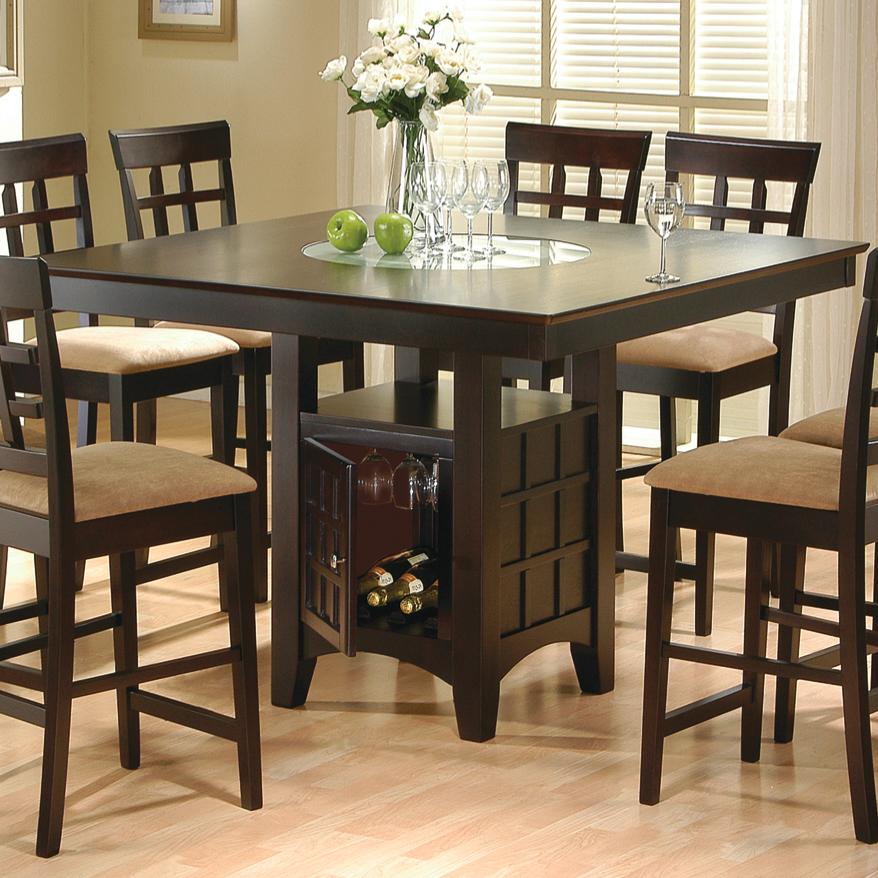
Image Source: images.furnituredealer.net
Deciphering Kitchen Table Dimensions: Standard vs. Other Heights
When you’re shopping for a new table, you’ll notice different heights available. Understanding these variations is key to making the right choice.
The Classic Standard: Dining Table Height
The standard kitchen table size, and more broadly dining table height, typically falls between 28 and 30 inches from the floor to the tabletop. This is the most common and versatile height.
- Why 30 inches? This height is considered the universal standard for a reason. It allows for comfortable seating with standard dining chairs, which usually have a seat height of around 17-19 inches. The difference between the chair seat and the tabletop creates the perfect space for diners to rest their arms and eat without hunching over or feeling too high.
- Pairing with Chairs: When choosing chairs for a 30-inch table, look for those with a seat height in the 17-19 inch range. A 12-13 inch gap between the seat and the tabletop is generally considered ideal for comfortable dining.
- Versatility: A standard height table is excellent for all sorts of activities, from family meals to homework sessions, crafting, and even casual work.
Counter Height Tables: A Modern Choice
Counter height table options are becoming increasingly popular, especially in open-plan living spaces. These tables are typically between 34 and 36 inches tall.
- What They Mimic: As the name suggests, these tables are designed to match the height of kitchen countertops. This creates a seamless look in kitchens with island counters or extensive cabinet runs.
- Seating: To go with a counter height table, you’ll need counter stools. These stools typically have a seat height of 24-26 inches. This leaves a gap of about 10-12 inches between the stool seat and the tabletop, which is suitable for casual dining and socializing.
- Pros: Counter height tables offer a more casual and contemporary feel. They can also help visually separate kitchen areas from dining or living spaces. They’re great for informal meals and as a gathering spot in the kitchen.
- Cons: They might not be as suitable for more formal dining. Also, consider the height for children or older individuals who might find them a bit too tall.
Bar Height Tables: The Tallest Option
Bar height table designs are even taller, usually ranging from 40 to 42 inches from the floor to the tabletop.
- The Bar Experience: These tables are designed to mimic the height of a bar or pub counter. They’re perfect for creating a lively, social atmosphere.
- Seating: For bar height tables, you’ll need bar stools. Bar stools typically have a seat height of 28-32 inches. This leaves a gap of about 10-12 inches between the stool seat and the tabletop.
- Pros: Bar height tables are fantastic for entertaining and creating a chic, bistro-like ambiance. They can also be space-saving in smaller homes, as they can often be tucked against a wall.
- Cons: They are generally less comfortable for long meals and may not be practical for households with young children or elderly members due to their height.
Factors to Consider When Choosing Your Table Height
It’s not just about the inches; several things influence what the average kitchen table height should be for your home.
1. Your Existing Furniture and Kitchen Layout
- Countertops: If you have a kitchen island or extensive countertops, a counter height table might blend seamlessly. Measure your countertop height – most are around 36 inches.
- Bar Area: If you have a built-in bar or a dedicated bar area, a bar height table will complement it.
- Other Furniture: Consider the height of other furniture in the room. You want a cohesive look. If your living room has lower-profile furniture, a very tall bar height table might feel out of place.
2. Who Will Be Using the Table?
- Children: For families with young children, a standard height table (around 30 inches) is usually the safest and most practical. Children can easily climb onto standard chairs, and it provides a comfortable workspace for homework. Counter height or bar height tables might require special booster seats or be too high for independent use.
- Elderly or Individuals with Mobility Issues: A standard height table is generally the most accessible. Very high tables can be difficult to get in and out of, and very low tables can be hard to rise from.
- General Comfort: Think about who will be using the table most often and for what purposes. If it’s primarily for quick breakfasts or casual drinks, a counter or bar height might work. If it’s for family dinners and extended conversations, standard height is often more comfortable.
3. The Intended Use of the Table
- Formal Dining: For more traditional or formal dining, a standard height table (28-30 inches) with matching dining chairs is the classic choice.
- Casual Meals and Socializing: Counter height tables are excellent for casual breakfasts, lunches, and as a social hub in the kitchen. They encourage a more relaxed dining experience.
- Entertaining and “Pub” Style: Bar height tables are ideal for creating a fun, social atmosphere, perfect for cocktails and appetizers.
4. Chair Seat Height: The Crucial Companion
The height of your table is only half the equation. The height of the accompanying chairs or stools is equally, if not more, important for comfort.
| Table Height (Tabletop to Floor) | Ideal Chair/Stool Seat Height (Seat to Floor) | Recommended Gap | Best For |
|---|---|---|---|
| 28-30 inches (Standard) | 17-19 inches | 10-13 inches | Formal dining, everyday meals, homework |
| 34-36 inches (Counter) | 24-26 inches | 10-12 inches | Casual dining, kitchen island seating |
| 40-42 inches (Bar) | 28-32 inches | 10-12 inches | Entertaining, bar areas, casual drinks |
- Tip: Always aim for a gap of 10-13 inches between the seat of your chair and the underside of the tabletop. This allows enough clearance for your legs and arms to rest comfortably.
Exploring Different Kitchen Table Sizes and Shapes
Beyond height, kitchen table dimensions – the length and width – also play a role in how your table functions in your space.
Common Table Shapes
- Rectangular: The most popular shape. Rectangular tables are efficient for seating and fit well in most dining rooms or kitchens.
- Seating Capacity: Can usually accommodate more people, especially longer tables.
- Square: Great for smaller spaces or for creating a more intimate setting.
- Seating Capacity: Works well for 4 people. Can feel cozy.
- Round: Excellent for conversation as everyone can see each other. They also tend to make a room feel more open.
- Seating Capacity: Good for smaller groups, promoting a friendly atmosphere. They can also be more forgiving when it comes to fitting an extra person.
- Oval: Offers the seating benefits of a rectangle but with softened edges, making them safer and more flowing, especially in high-traffic areas.
- Seating Capacity: Similar to rectangular tables, but the rounded ends can make them feel less formal.
Common Table Sizes
The size of your table will depend on your available space and how many people you typically need to seat.
- Small Kitchen Table (Seats 2-4):
- Square: 30-36 inches in diameter/side
- Round: 30-42 inches in diameter
- Rectangular: 30-48 inches long x 30-36 inches wide
- Medium Kitchen Table (Seats 4-6):
- Round: 42-54 inches in diameter
- Rectangular: 48-72 inches long x 36-42 inches wide
- Large Kitchen Table (Seats 6-8+):
- Rectangular: 72-96 inches long x 40-48 inches wide
A Note on Clearance: Make sure you have enough space around your table for people to sit down and get up comfortably, and for chairs to be pulled out. Aim for at least 36 inches of clearance between the table and walls or other furniture.
Making the Right Choice: A Step-by-Step Guide
Here’s a simple way to decide on the perfect height for your kitchen table:
1. Measure Your Space and Existing Furniture
- Measure the area where the table will go.
- Measure the height of your kitchen countertops and any bar areas.
2. Consider Your Lifestyle and Needs
- Who will use the table most often?
- What will the table primarily be used for (meals, work, socializing)?
- Do you entertain often?
3. Think About the Chairs or Stools
- What style of seating do you prefer?
- What are the seat heights of available chairs or stools? Remember the 10-13 inch gap rule!
4. Visualize the Final Look
- Will a counter height table make your kitchen feel more open?
- Will a bar height table add a modern touch?
- Does a standard height table offer the best all-around functionality for your family?
5. Factor in Comfort for Everyone
- It’s often best to choose a height that is comfortable for the majority of your household members. If you have young children, standard height is usually the safest bet.
Beyond Height: Other Considerations for Your Kitchen Table
While height is crucial, don’t forget these other important aspects when selecting your table:
- Material: Wood, glass, metal, laminate, stone – each has its pros and cons regarding durability, maintenance, and style.
- Style: Modern, traditional, farmhouse, industrial – choose a style that complements your kitchen’s décor.
- Durability: Kitchen tables endure a lot of wear and tear. Look for materials and construction that can withstand daily use.
- Ease of Cleaning: Especially important in a kitchen environment, choose a surface that is easy to wipe down and maintain.
Frequently Asked Questions (FAQ)
Q1: What is the standard kitchen table height?
A1: The standard kitchen table height is generally between 28 and 30 inches from the floor to the tabletop. This is also the common dining table height.
Q2: Can I use a counter height table in a small kitchen?
A2: Yes, you can! A counter height table can actually make a small kitchen feel more open and modern, especially if it’s a round or oval shape. Just ensure you have enough clearance around it for comfortable use.
Q3: How much space do I need around a dining table?
A3: You should aim for at least 36 inches of clear space around your table. This allows chairs to be pulled out easily and for people to walk around the table without bumping into things. For high-traffic areas, 48 inches is even better.
Q4: What’s the difference between counter height and bar height tables?
A4: Counter height tables are typically 34-36 inches tall, matching kitchen countertops, and are paired with counter stools (24-26 inch seat height). Bar height tables are taller, usually 40-42 inches, mimicking bar counters, and require bar stools (28-32 inch seat height).
Q5: How do I choose the right table height if I have both kids and adults using it?
A5: For mixed-use households, a standard height table (28-30 inches) is usually the most practical. It accommodates children easily and provides a comfortable dining height for adults. You can then select chairs that are a comfortable height for both groups.
Q6: What are some typical kitchen table dimensions?
A6: Typical kitchen table dimensions vary greatly depending on shape and seating capacity. For a small table seating 2-4, a 30-36 inch square or a 30-42 inch round table is common. For larger families seating 4-6, a 42-54 inch round or a 48-72 inch rectangular table is often suitable.
By carefully considering these factors, you can select a kitchen table that not only looks great but also enhances the functionality and comfort of your home for years to come.