
Can you re-caulk a kitchen sink yourself? Yes, you absolutely can! Re-caulking your kitchen sink is a straightforward DIY project that anyone with basic tools and a little patience can tackle. It’s a crucial part of kitchen sink sealing and sink maintenance tips to prevent water damage and keep your kitchen looking its best.
A properly sealed sink edge is vital for sink edge waterproofing. Old, cracked, or missing caulk can let water seep underneath your countertop and sink, leading to mold, mildew, and even structural damage. This guide will walk you through the entire process, from gathering your caulking supplies to the final silicone sealant application. Whether you’re dealing with a leaky sink or just want to refresh the look, this DIY sink repair is a rewarding task.
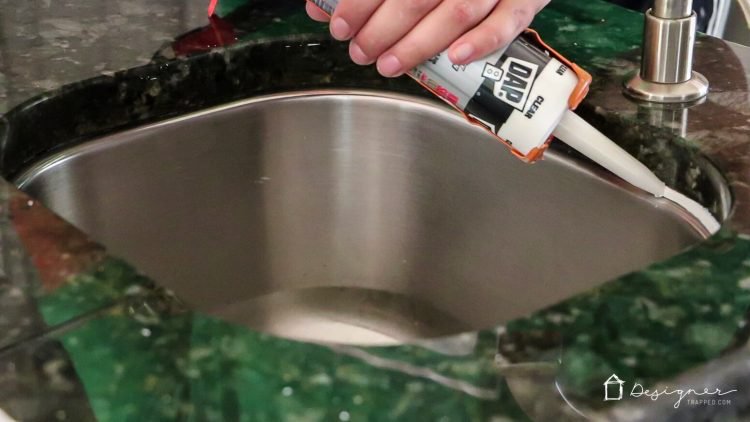
Image Source: www.dap.com
Why Re-Caulk Your Kitchen Sink?
Over time, the caulk around your kitchen sink can degrade due to constant exposure to water, cleaning products, and general wear and tear. This degradation can manifest in several ways:
- Cracking and Peeling: The caulk may start to crack, pull away from the sink or countertop, or peel off in strips.
- Mold and Mildew Growth: Small gaps in the caulk can trap moisture, creating an ideal environment for mold and mildew to grow. This can lead to unsightly black or green spots and unpleasant odors.
- Water Leaks: Compromised caulk can allow water to seep down into the cabinet below your sink, potentially damaging the cabinet material, subflooring, or even the ceiling below if it’s a second story.
- Unattractive Appearance: Even if there are no leaks, old and dirty caulk can make your kitchen look messy and unkempt.
Re-caulking not only addresses these issues but also contributes to better bathroom fixture sealing, as many of the principles apply to other areas of your home.
Gathering Your Caulking Supplies
Before you begin, ensure you have all the necessary caulking supplies on hand. This will make the process smoother and more efficient.
- Caulk Removal Tool or Utility Knife: Essential for old caulk scraping.
- Putty Knife: Also useful for scraping.
- Scraper Tool: A dedicated caulk scraper is best.
- Rubbing Alcohol (Isopropyl Alcohol): For cleaning the area.
- Clean Cloths or Paper Towels: For wiping and cleaning.
- Painter’s Tape (Optional but Recommended): For creating clean lines.
- Caulking Gun: A standard caulk gun for applying sealant.
- Caulk Sealant: Choose a high-quality, mildew-resistant sealant suitable for kitchen and bath applications. Silicone or siliconized acrylic latex are good choices. Ensure it’s paintable if you plan to paint over it.
- Caulk Finishing Tool or Your Finger: For smoothing the bead of caulk. A damp finger works well if you’re using latex caulk, but gloves are recommended for silicone.
- Gloves: To protect your hands, especially when working with silicone.
- Bucket of Water: For cleaning tools and your finger if needed.
- Safety Glasses: To protect your eyes from debris.
Step-by-Step Guide to Re-Caulking Your Kitchen Sink
Let’s break down the process of applying caulk around sink edges for a watertight seal.
Step 1: Remove the Old Caulk
This is arguably the most crucial step. Old caulk scraping needs to be thorough.
- Soften Stubborn Caulk (Optional): If the old caulk is particularly hard to remove, you can try a caulk remover product. Follow the manufacturer’s instructions carefully.
- Use a Caulk Removal Tool: Start by carefully inserting the blade of your caulk removal tool or utility knife under the edge of the old caulk. Work slowly and deliberately, trying to lift and peel away the caulk.
- Scrape Away Residue: Once you’ve removed the bulk of the caulk, use a putty knife or scraper to remove any remaining bits. Be careful not to scratch your sink or countertop. You’re aiming for a completely clean surface.
- Address Corners and Edges: Pay close attention to corners and where the caulk meets the sink basin and the countertop. These areas are often where old caulk hides.
Step 2: Clean the Area Thoroughly
A clean surface is essential for the new caulk to adhere properly. This is a key part of sink maintenance tips.
- Wipe Down the Area: Use a clean cloth dampened with rubbing alcohol to wipe down the entire area where the old caulk was removed. Alcohol helps to remove any lingering residue, grease, or soap scum.
- Dry Completely: Ensure the surface is completely dry before proceeding. You can use a clean, dry cloth or paper towels.
Step 3: Prepare for New Caulk Application (Optional but Recommended)
For the neatest results, consider using painter’s tape. This step is especially helpful for achieving a professional finish, similar to good bathroom fixture sealing.
- Apply Painter’s Tape: Place a strip of painter’s tape along the edge of your sink basin and another strip along the edge of your countertop. Leave a gap between the tape strips that is the desired width of your caulk bead (usually about 1/8 to 1/4 inch).
- Ensure Even Spacing: Make sure the tape is applied smoothly and evenly, with no bubbles or lifting edges. This creates a clean guide for your caulk.
Step 4: Apply the New Caulk
Now for the silicone sealant application.
- Prepare the Caulk Tube: Cut the tip of the caulk tube at a 45-degree angle using a utility knife or the cutter on your caulk gun. Start with a small opening; you can always cut more if needed.
- Load the Caulk Gun: Pull back the plunger on the caulk gun, insert the caulk tube, and then push the plunger forward until it engages the caulk tube.
- Start Applying: Place the tip of the caulk tube at the starting point, pressing the sealant into the gap. Squeeze the trigger of the caulk gun steadily to apply a consistent bead of caulk. Move the gun smoothly along the seam, keeping the angle consistent. Aim to apply a continuous bead.
- Work in Sections: It’s often easier to work in manageable sections, about 2-3 feet at a time, rather than trying to caulk the entire sink at once. This prevents the caulk from drying out before you can smooth it.
- Maintain Even Pressure: The key is to apply consistent pressure to the caulk gun and move at a steady pace to create a uniform bead.
Step 5: Smooth the Caulk Bead
This is where you get that clean, professional finish.
- Use a Caulk Finishing Tool or a Damp Finger:
- Caulk Finishing Tool: These tools come with different shapes to create various bead profiles. Hold the tool at an angle and pull it along the bead of caulk to smooth it and push any excess into the gap.
- Damp Finger (Latex Caulk): If you’re using latex caulk, you can gently run a damp finger along the caulk bead. Be sure to have a damp cloth or paper towel handy to wipe off excess caulk from your finger frequently. Avoid using a wet finger for silicone caulk, as it can create a mess.
- Gloves and Water: For silicone caulk, it’s often best to wear latex gloves and slightly dampen them with water. Then, gently run your gloved finger along the caulk bead. This helps to smooth the caulk and push it into the gap, creating a clean seal.
- Remove Excess Caulk: As you smooth, wipe away any excess caulk that accumulates on your tool or finger onto a paper towel or cloth.
- Clean Up Tape (If Used): If you used painter’s tape, carefully peel it away immediately after smoothing the caulk. Pull the tape away at an angle, pulling it back over the caulk bead itself to create a clean edge. If you wait too long, the caulk can dry and bond to the tape, making removal difficult and potentially smearing the caulk.
Step 6: Clean Up and Cure
The final touches for a perfect DIY sink repair.
- Wipe Away Smears: Use a damp cloth or paper towel to gently wipe away any smudges or smears of caulk that may have occurred. Be careful not to disturb the newly smoothed bead.
- Allow to Cure: Let the caulk cure completely according to the manufacturer’s instructions. This typically takes at least 24 hours, though some products may require longer. During the curing process, avoid using the sink or letting it get wet.
Types of Caulk for Your Kitchen Sink
Choosing the right caulk is important for durability and performance. Here are the most common types:
| Caulk Type | Pros | Cons | Best For |
|---|---|---|---|
| 100% Silicone | Excellent waterproofing, flexible, durable, good mold resistance. | Difficult to clean up (requires mineral spirits), cannot be painted. | Areas that get consistently wet, high-moisture environments, sinks where paintability isn’t a concern. |
| Siliconized Acrylic Latex | Easier cleanup (with water), can be painted, good flexibility. | Less waterproof than 100% silicone, may shrink slightly over time. | General use around sinks, countertops, and other kitchen/bath fixtures where painting is desired or for easier cleanup. |
| Acrylic Latex Caulk | Easiest cleanup, most paintable, affordable. | Least durable, can crack and shrink more easily with temperature changes. | Low-moisture areas, or as a base layer if you plan to paint over it and then use a silicone or siliconized caulk on top. |
For kitchen sink sealing, a 100% silicone or siliconized acrylic latex caulk with mildew resistance is generally recommended due to the constant exposure to water.
Frequently Asked Questions (FAQ)
Here are some common questions about re-caulking a kitchen sink:
What is the best caulk for a kitchen sink?
The best caulk for a kitchen sink is typically a 100% silicone or a siliconized acrylic latex caulk specifically designed for kitchens and bathrooms. Look for products that are labeled as mildew-resistant and waterproof.
How long does caulk need to cure before I can use the sink?
Most caulk products require at least 24 hours to cure fully before being exposed to water. Always check the manufacturer’s instructions on the caulk tube for the most accurate curing times. Some products may be “paintable” or “rain-ready” in a shorter time, but full curing for water exposure takes longer.
Can I caulk over old caulk?
While it might seem like a shortcut, caulking over old caulk is not recommended. The old caulk will likely be degraded, cracked, or loose, and the new caulk will not adhere properly. This can lead to the new caulk failing prematurely, and moisture can still get trapped underneath. It’s always best to remove the old caulk completely for a proper seal.
What if I get caulk on my countertop or sink?
If you make a mistake or get caulk where you don’t want it, it’s best to clean it up immediately before it starts to dry.
* For silicone caulk, use mineral spirits or a dedicated silicone caulk remover and a clean cloth.
* For latex or siliconized acrylic latex caulk, use a damp cloth or paper towel.
How often should I re-caulk my kitchen sink?
The frequency of re-caulking depends on the quality of the caulk used and the amount of wear and tear the sink experiences. Generally, you might need to re-caulk your kitchen sink every 1-3 years. Inspect the caulk regularly for any signs of cracking, peeling, mold, or gaps.
Do I need special tools for caulk removal?
While a utility knife or a simple putty knife can work for old caulk scraping, a dedicated caulk removal tool or scraper can make the job much easier and safer for your surfaces. These tools are designed to get under the caulk without damaging the sink or countertop.
Conclusion
Re-caulking your kitchen sink is a vital aspect of sink maintenance tips that preserves its integrity and appearance. By following these detailed steps for kitchen sink sealing, from meticulous old caulk scraping to precise silicone sealant application, you can effectively achieve a watertight and clean finish. This DIY sink repair not only prevents potential water damage but also contributes to the overall upkeep and aesthetic of your kitchen. Remember to gather all your caulking supplies and take your time for the best results in your DIY sink repair project.