
A clogged kitchen sink can turn a simple task like washing dishes into a frustrating ordeal. When your kitchen sink isn’t draining, it’s usually due to a blockage in the drainpipe. Can you fix it yourself? Yes, in most cases, you can! This guide will help you identify the causes of clogged sink and provide easy solutions & troubleshooting for your slow drain kitchen woes.
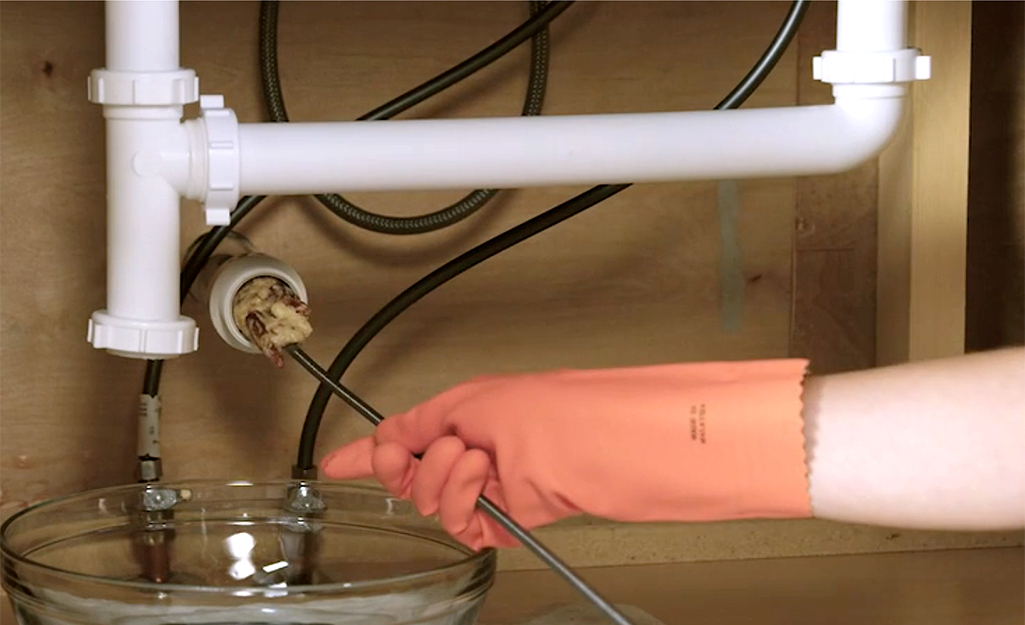
Image Source: contentgrid.homedepot-static.com
Fathoming the Common Culprits Behind a Blocked Sink
Several everyday items can contribute to a kitchen sink pipe blockage. Knowing these can help you prevent future drain problems.
Food Scraps: The Usual Suspects
- Grease and Fats: When hot oil, butter, or fat goes down the drain, it cools and solidifies. Over time, this builds up a thick layer, narrowing the pipe. This is a major contributor to a clogged kitchen sink.
- Coffee Grounds: While they seem small, coffee grounds don’t dissolve in water. They clump together and can catch other debris, creating a blockage.
- Starchy Foods: Rice, pasta, and potato peels swell with water. If not flushed properly, they can expand and cause a kitchen drain clog.
- Eggshells: The thin membrane of eggshells can stick to the pipe walls, trapping other food particles.
- Fibrous Vegetables: Celery, asparagus, and corn husks have stringy textures that can wrap around drain components and catch other debris.
Other Contributors to a Slow Drain
- Soap Scum: Like grease, soap residue can build up on pipe walls. This can trap hair and other small particles.
- Foreign Objects: Small items like bottle caps, twist ties, or even small toys can accidentally fall into the drain and cause a blockage.
- Hair: While more common in bathrooms, hair can also make its way into kitchen drains, especially if you’re washing a pet or dealing with food preparation that involves shedding.
- Mineral Buildup: In areas with hard water, minerals can deposit on the inside of pipes, gradually reducing the pipe’s diameter.
Deciphering the Signs: What a Clogged Drain Looks Like
Before you panic about a kitchen sink backup, look for these common indicators:
- Slow Drainage: Water takes longer than usual to go down the drain. This is often the first sign of a developing blockage.
- Gurgling Sounds: You might hear strange gurgling noises coming from the drain or pipes. This happens when air gets trapped behind a partial blockage.
- Foul Odors: Decomposing food particles and stagnant water can create unpleasant smells emanating from the drain.
- Water Backs Up: In severe cases, water might visibly back up into the sink when you try to drain it or when the dishwasher or washing machine is in use (if they share a drain line).
Simple Solutions: How to Unclog Your Kitchen Sink
Don’t worry if your sink is clogged; often, you can fix it with simple household items.
Method 1: The Boiling Water Flush
This is a great first step for grease-related clogs.
- Boil Water: Fill a kettle or pot with water and bring it to a rolling boil.
- Pour Carefully: Slowly and carefully pour the boiling water directly down the drain opening.
- Wait and Observe: Let it sit for a few minutes. The hot water can help melt solidified grease.
- Test: Run some hot tap water to see if the drain is clearing. You might need to repeat this process a couple of times for stubborn clogs.
Caution: Avoid this method if you have PVC pipes and suspect a complete blockage, as excessive heat could potentially damage them. If you’re unsure about your pipe material, it’s safer to use a different method.
Method 2: Baking Soda and Vinegar
This classic DIY drain cleaner creates a fizzing reaction that can help break down clogs.
- Remove Standing Water: If possible, bail out as much standing water from the sink as you can.
- Add Baking Soda: Pour about ½ cup of baking soda directly into the drain opening.
- Add Vinegar: Pour about ½ cup of white vinegar over the baking soda.
- Cover: Immediately cover the drain opening with a stopper or a damp cloth. This helps contain the fizzing action within the pipe.
- Wait: Let the mixture sit for at least 30 minutes, or even overnight for tougher clogs.
- Flush: Pour boiling water down the drain, followed by hot tap water.
Method 3: Using a Plunger
A kitchen sink plunger is an effective tool for dislodging blockages. Make sure you have a sink plunger (cup-shaped) rather than a toilet plunger (flange-shaped).
- Create a Seal: Ensure there’s enough water in the sink to cover the plunger cup. If you have a double sink, block the other drain opening with a wet cloth or stopper to create a good seal.
- Position the Plunger: Place the plunger firmly over the drain opening, ensuring a tight seal.
- Plunge Vigorously: Push down and pull up with steady, forceful strokes for about 20-30 seconds.
- Break the Seal: Quickly pull the plunger away from the drain.
- Test: Turn on the hot water to see if the drain is clear. You may need to repeat this several times.
Method 4: The Coat Hanger Trick (for shallow clogs)
If the clog is close to the drain opening, a bent wire coat hanger can sometimes reach it.
- Straighten the Hanger: Bend one end of a wire coat hanger into a small hook.
- Insert into Drain: Carefully insert the hooked end into the drain opening.
- Fish for the Clog: Gently move the hanger around, trying to hook or break up the blockage. Be careful not to push the clog further down.
- Remove Debris: Pull out any debris you can hook.
- Flush: Once you’ve removed as much as you can, run hot water to check if it’s draining.
Method 5: Cleaning the P-Trap
The P-trap is the U-shaped pipe beneath your sink. It’s designed to hold water, preventing sewer gases from entering your home, but it’s also a common place for clogs to form.
- Prepare: Place a bucket or large basin underneath the P-trap to catch any water or debris.
- Loosen Fittings: Use pliers or a pipe wrench to loosen the slip nuts on both ends of the P-trap. Turn them counter-clockwise.
- Remove the Trap: Carefully detach the P-trap from the drain pipes.
- Clean: Empty the contents into the bucket. You can use a brush or a coat hanger to clean out any stubborn debris inside the trap. Rinse it thoroughly.
- Reassemble: Reattach the P-trap, making sure to tighten the slip nuts securely by hand first, then with pliers if needed to prevent leaks. Don’t overtighten.
- Test: Run water to check for leaks and to see if the drain is clear.
Advanced Troubleshooting and When to Call a Professional
If the above methods don’t work, your clog might be deeper in the pipes, or there might be a more complex issue.
Using a Drain Snake (Auger)
A drain snake, also known as an auger, is a flexible metal cable that can reach further into pipes to break up or retrieve clogs.
- Access the Pipe: You’ll typically insert the snake into the pipe after removing the P-trap.
- Insert the Snake: Feed the cable into the drainpipe until you feel resistance.
- Turn the Handle: Crank the handle to rotate the auger head, which will break up or latch onto the clog.
- Retract and Clean: Slowly pull the snake back out, cleaning off any debris as you go.
- Repeat if Necessary: You may need to repeat the process.
- Flush: Once clear, flush the drain with hot water.
Chemical Drain Cleaners: A Last Resort
Chemical drain cleaners are potent and can sometimes be effective, but they should be used with extreme caution.
- Read Instructions Carefully: Always follow the product’s instructions precisely.
- Ventilation: Ensure good ventilation in your kitchen, as the fumes can be strong.
- Wear Protection: Use rubber gloves and eye protection.
- Avoid Mixing: Never mix different chemical drain cleaners, as this can create dangerous reactions.
- Pipe Damage: Some chemicals can corrode or damage certain types of pipes, especially older or PVC pipes, if used too frequently or left in too long.
- Environmental Impact: These chemicals can be harsh on the environment.
When to Call for Plumbing Repair:
- Persistent Clogs: If you’ve tried multiple methods and the sink still won’t drain, it’s time to call a professional plumber.
- Multiple Fixtures Affected: If other drains in your house are also slow or backing up, it could indicate a blockage in the main sewer line, which requires professional attention.
- Unpleasant Smells Persist: Strong, persistent sewer odors could mean a more serious issue.
- You’re Uncomfortable: If you’re not comfortable performing any of these tasks, it’s always best to call a professional plumbing repair service. They have specialized tools and expertise to handle any kitchen drain clog.
Preventing Future Clogs: Proactive Measures
Prevention is always better than a cure. Here are some tips to keep your kitchen sink draining freely:
Regular Drain Maintenance
- Scrape Plates: Scrape all food scraps from plates into the trash or compost bin before rinsing them.
- Use a Sink Strainer: A good sink strainer will catch food particles, hair, and other debris, preventing them from entering the drain. Empty it regularly.
- Dispose of Grease Properly: Never pour grease, fats, or oils down the drain. Pour them into a container (like an old coffee can or jar) and let them solidify before discarding them in the trash.
- Run Hot Water: After using the sink, run hot water for about 30 seconds to help flush away any residual grease or small particles.
- Baking Soda Flush: Once a month, pour ½ cup of baking soda down the drain, followed by hot water, to keep pipes clean and smelling fresh.
What NOT to Put Down Your Kitchen Sink
Here’s a quick list of items to avoid putting down your kitchen drain:
| Item | Why It Causes Clogs |
|---|---|
| Grease, Fats, Oils | Solidify and coat pipes, trapping other debris. |
| Coffee Grounds | Do not dissolve, clump together, and catch other waste. |
| Eggshells | Membrane sticks to pipes, trapping particles. |
| Starchy Foods (pasta, rice) | Swell with water and expand, creating blockages. |
| Fibrous Vegetables | Stringy textures wrap around pipe insides. |
| Fruit Pits and Seeds | Hard and can lodge in pipes. |
| Bones | Too large and rigid to pass through pipes easily. |
| Nut Shells | Can accumulate and form blockages. |
| Paper Products | Can absorb water and expand, leading to clogs. |
| Cleaning Wipes/Towels | Do not break down and can form solid blockages. |
Frequently Asked Questions (FAQ)
Q1: How often should I clean my kitchen sink drain?
A1: It’s a good idea to perform a preventative clean once a month. This could involve pouring boiling water down the drain or using the baking soda and vinegar method. Regular use of a sink strainer is also highly recommended.
Q2: My garbage disposal isn’t working, and the sink is backed up. What should I do?
A2: First, ensure the garbage disposal is not the cause of the kitchen sink backup. Check the reset button on the disposal unit. If it has tripped, press it. If it continues to hum without grinding, turn it off and try to dislodge any blockage manually (with the power off!). Then, try running the disposal with cold water. If the sink is still backed up, you’ll likely need to address the drain clog as described above, possibly after clearing the disposal.
Q3: Can I use bleach to clean my drain?
A3: While bleach can sanitize, it’s not very effective at breaking down grease or food clogs. Furthermore, if you’ve used other drain cleaners, mixing bleach with them can create dangerous toxic fumes. It’s generally not recommended for drain cleaning purposes.
Q4: What’s the difference between a sink plunger and a toilet plunger?
A4: A sink plunger is typically cup-shaped, designed to create a seal on flat surfaces like a sink drain. A toilet plunger has an extra flange on the bottom to create a better seal in the curved opening of a toilet bowl. Using the correct kitchen sink plunger is crucial for effective plunging.
Q5: My sink still smells bad even after unclogging. What could be the problem?
A5: A persistent bad odor after unclogging might indicate that some debris is still trapped in the pipes, or there could be a problem with the P-trap or vent system. Sometimes, a thorough flush with hot water and a bit of baking soda and vinegar can help eliminate odors. If the smell persists, it’s worth calling a plumber to inspect the drain line and venting.