
The standard depth of a base kitchen cabinet is 24 inches. This measurement refers to the depth of the cabinet box itself, not including the door or drawer front. This consistent dimension is crucial for fitting standard countertops and ensuring a functional kitchen layout.
When planning your kitchen remodel or new build, one of the most fundamental questions you’ll ask is about cabinet dimensions. Among these, the standard base cabinet depth is a critical piece of information. Base cabinets are the workhorses of your kitchen, supporting countertops, housing appliances, and providing the bulk of your storage. Getting their size right is key to a well-functioning and aesthetically pleasing kitchen.
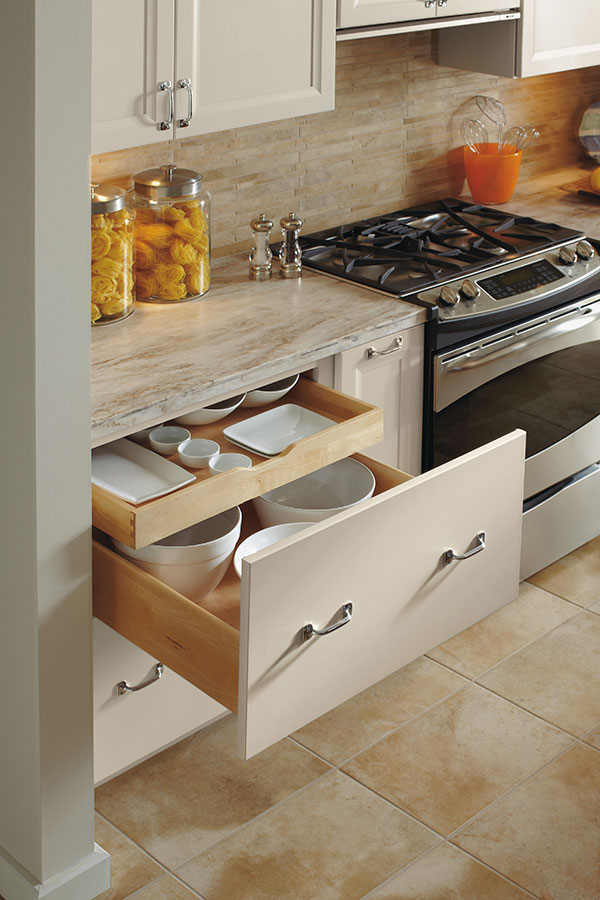
Image Source: www.omegacabinetry.com
Deciphering Standard Kitchen Cabinet Measurements
Kitchen cabinet dimensions are not arbitrary; they are standardized to facilitate design, manufacturing, and installation. These standard kitchen cabinet measurements ensure that appliances fit seamlessly, countertops align correctly, and the overall kitchen flow is logical and comfortable.
The Importance of Base Cabinet Depth
So, how deep is a base kitchen cabinet? As mentioned, the industry standard is 24 inches for the cabinet box. This depth is specifically designed to accommodate a standard kitchen countertop, which typically has a countertop depth of 25 inches (with a 1-inch overhang at the front for comfortable use and aesthetics). The extra inch of countertop provides a slight overhang, offering a comfortable edge to work at and preventing water or spills from running down the front of the cabinet.
This under-counter cabinet depth of 24 inches serves several vital purposes:
- Adequate Storage: It provides substantial space for storing pots, pans, dishes, small appliances, and pantry staples.
- Appliance Integration: Most standard appliances, such as dishwashers and ranges, are designed to fit within this 24-inch depth.
- Ergonomics: This depth, combined with standard base cabinet height, creates a comfortable working surface at a typical counter height of 36 inches from the floor.
Kitchen Cabinet Dimensions: A Closer Look at Base Cabinets
Beyond depth, other kitchen cabinet dimensions are important to consider for base cabinets:
How Wide Are Base Cabinets?
Base cabinets come in a variety of widths to suit different kitchen layouts and storage needs. Common widths include:
- Standard widths: 12, 15, 18, 21, 24, 27, 30, 33, 36, 42, 48 inches.
- Corner base cabinets: These are designed to fit into corners and often have specific dimensions, typically ranging from 36×36 inches to 48×48 inches, or with specialized access like lazy Susans or pull-out shelves.
The width you choose will depend on the available space in your kitchen and the items you intend to store. Wider cabinets generally offer more storage per unit but can be heavier and harder to maneuver.
Base Cabinet Height
While depth is often the most discussed dimension for base cabinets, base cabinet height is equally important. Standard base cabinet height is typically 34.5 inches. This, combined with a 1.5-inch thick countertop (common for granite, quartz, or solid surface materials), brings the total counter height to the standard 36 inches. This 36-inch height is considered the most ergonomic for the average person to work at comfortably.
It’s worth noting that custom height options are available if a standard 36-inch counter height doesn’t suit your needs, perhaps for accessibility reasons or if you have particularly tall or short individuals using the kitchen regularly.
The Interplay of Depth and Other Dimensions
The 24-inch standard base cabinet depth is intrinsically linked to other standard kitchen cabinet measurements. For instance:
- Countertop Depth: As mentioned, countertops are typically 25 inches deep to provide a 1-inch overhang. This overhang offers comfortable elbow room while working at the counter and prevents items from brushing against the cabinet doors.
- Appliance Dimensions: Refrigerators, dishwashers, and freestanding ranges are designed to integrate with these standard depths. A standard dishwasher, for example, is usually 24 inches deep.
- Cabinet Installation Depth: When considering cabinet installation depth, the 24-inch measurement ensures that the cabinet box itself is flush or slightly recessed from the wall, allowing for plumbing, electrical outlets, and a clean aesthetic. The finished look from the front is determined by the cabinet door or drawer style, which typically sits flush with the cabinet box.
Beyond the Standard: Variations and Considerations
While 24 inches is the prevailing standard base cabinet depth, there are situations where you might encounter or opt for variations:
Shallow Base Cabinets
In smaller kitchens or galley kitchens, where every inch counts, shallow base cabinets might be used. These can be 18 inches deep or even shallower. They offer less storage but can improve traffic flow. However, they will require a correspondingly shallower countertop, which might limit appliance choices and workspace.
Deep Base Cabinets
Less common for standard residential kitchens but seen in specialized applications (like workshops or commercial kitchens), deeper base cabinets can offer enhanced storage. However, they can disrupt workflow and require deeper countertops, which are more expensive and can be harder to source in large slabs.
Specialty Cabinets
- Sink base cabinets: These are often wider and may have a slightly different internal structure to accommodate plumbing. Their exterior depth is still typically 24 inches.
- Drawer base cabinets: These are designed with drawers rather than doors, maximizing accessibility to stored items. Their external dimensions, including the 24-inch depth, remain consistent.
Material and Construction Impact on Depth
The materials used in cabinet construction generally do not affect the exterior standard base cabinet depth. Whether made from solid wood, plywood, or MDF, the cabinet box is typically manufactured to the 24-inch standard. Internal components like drawer slides or shelving might slightly reduce the usable interior depth, but this is usually a minor consideration.
Ensuring Proper Cabinet Installation Depth
Correct cabinet installation depth is vital for both functionality and aesthetics. When installing base cabinets, ensure they are:
- Level and Plumb: This is crucial for doors and drawers to operate smoothly and for the countertop to sit evenly.
- Secured to the Wall: Cabinets should be firmly attached to wall studs to ensure stability and safety.
- Aligned with the Wall: Generally, base cabinets are installed flush with the wall, or with a slight recess for utility access. This alignment is what allows the 25-inch countertop to provide its 1-inch overhang.
The Visual Impact of Cabinet Depth
The 24-inch under-counter cabinet depth also contributes to the overall visual balance of your kitchen. It provides a substantial presence without being overly imposing. When paired with the standard 36-inch height, it creates a classic and functional kitchen work triangle.
Factors Influencing Cabinet Depth Choices
While the standard is king, other factors might influence your decision:
- Kitchen Size and Layout: In very small kitchens, you might consider shallower options if absolutely necessary, but always weigh this against the loss of storage.
- Storage Needs: If you have specific large items to store (e.g., extra-large serving platters or specific appliances), you might need to plan for wider or custom-depth cabinets.
- Appliance Specifications: Always check the depth specifications of any built-in appliances you plan to use to ensure compatibility.
- Budget: Custom depths or specialized cabinet types can increase costs. Sticking to standard dimensions is generally the most budget-friendly approach.
Practical Applications: What Fits in a 24-Inch Deep Cabinet?
The 24-inch standard base cabinet depth is incredibly versatile. Here’s a glimpse of what it can comfortably hold:
- Pots and Pans: Stacked cookware, frying pans, saucepans.
- Dishes: Dinner plates, salad plates, bowls.
- Small Appliances: Mixers, food processors, blenders.
- Pantry Items: Canned goods, dry goods, spices (in appropriate organizers).
- Cleaning Supplies: Under the sink, detergents, sponges.
- Trash and Recycling Bins: Many pull-out trash and recycling systems are designed for 24-inch deep cabinets.
A Table of Standard Kitchen Cabinet Measurements (Base Cabinets)
| Dimension | Standard Measurement | Notes |
|---|---|---|
| Depth (Cabinet Box) | 24 inches | The primary depth of the cabinet structure. |
| Depth (with Countertop) | 25 inches | Includes a 1-inch overhang for comfort and practicality. |
| Height | 34.5 inches | Allows for a standard 36-inch counter height with a 1.5-inch top. |
| Width | Varies (12-48 inches) | Common increments are 3 inches. Corner cabinets are specialized. |
Common Misconceptions About Cabinet Depth
- Depth vs. Usable Depth: While the external standard base cabinet depth is 24 inches, the usable interior depth will be slightly less due to the thickness of the cabinet back, drawer slides, or shelving mechanisms. This is usually only a few inches, but it’s worth noting for very specific storage needs.
- Door/Drawer Fronts: The 24-inch depth refers to the box. The actual door or drawer front may extend slightly beyond this, but typically it’s designed to be flush with the front edge of the cabinet box for a clean look.
Optimizing Your Kitchen with Standard Depths
By adhering to the standard kitchen cabinet depth of 24 inches for base cabinets, you ensure:
- Easy Appliance Integration: Dishwashers, ovens, and other under-counter appliances will fit correctly.
- Consistent Countertop Fit: Standard countertops will align perfectly, providing the desired overhang.
- Logical Workflow: The 36-inch counter height and 24-inch depth create an ergonomic workspace.
- Cost-Effectiveness: Standard sizes are more readily available and less expensive than custom options.
- Simplified Design: Planners and designers rely on these standards for efficient kitchen layouts.
Final Thoughts on Base Cabinet Depth
The humble 24-inch standard base cabinet depth is a cornerstone of kitchen design. It’s a dimension that has been refined over years of use to provide the optimal balance of storage, workspace, and appliance compatibility. While variations exist, sticking to this standard is almost always the most practical and cost-effective approach for most homeowners. When planning your kitchen, remember this key measurement – it’s one of the building blocks for a beautiful and highly functional space.
Frequently Asked Questions (FAQ)
Q1: Can I get base kitchen cabinets with a depth other than 24 inches?
A1: Yes, while 24 inches is the standard base cabinet depth, custom options are available for shallower or deeper cabinets. However, custom sizes can be more expensive and may affect countertop compatibility and appliance fitting.
Q2: What is the standard countertop depth for a 24-inch deep base cabinet?
A2: The standard countertop depth is typically 25 inches. This provides a 1-inch overhang at the front of the 24-inch deep cabinet for better ergonomics and usability.
Q3: What is the standard height for base kitchen cabinets?
A3: The base cabinet height is generally 34.5 inches. When combined with a standard 1.5-inch thick countertop, this results in a common counter height of 36 inches from the floor.
Q4: How wide are base cabinets typically?
A4: How wide are base cabinets varies greatly, with common widths ranging from 12 inches to 48 inches in increments of 3 inches. Corner base cabinets have specific, larger dimensions.
Q5: Does cabinet installation depth affect the overall look?
A5: Yes, proper cabinet installation depth ensures that cabinets are flush with the wall or appropriately positioned to allow for countertop overhangs and appliance integration, contributing to a clean and finished appearance.
Q6: What is the typical kitchen cabinet size for base units?
A6: The typical kitchen cabinet size for base units includes a standard depth of 24 inches, a height of 34.5 inches (before countertop), and widths that vary based on kitchen design and needs.
Q7: What is the purpose of the 1-inch overhang on countertops?
A7: The 1-inch overhang on a 25-inch countertop depth (over a 24-inch deep base cabinet) provides a comfortable edge to lean on while working and helps prevent spills from running down the front of the cabinet.
Q8: Are there situations where a different standard kitchen cabinet depth is preferred?
A8: While 24 inches is the most common standard kitchen cabinet depth, shallower cabinets (e.g., 18 inches) might be used in very small kitchens to improve circulation, or specialty deeper cabinets might be specified for specific storage needs.