
When a kitchen fire sparks, knowing exactly what to do can make all the difference. Can you use water on a grease fire? No, absolutely not! Using water on a grease fire can spread the flames rapidly, making the situation much worse. Who should you call if you can’t put it out quickly? Always call your local fire department immediately if you cannot safely extinguish the fire yourself. This guide will walk you through the critical steps for effective kitchen fire safety and how to handle various types of kitchen fires.
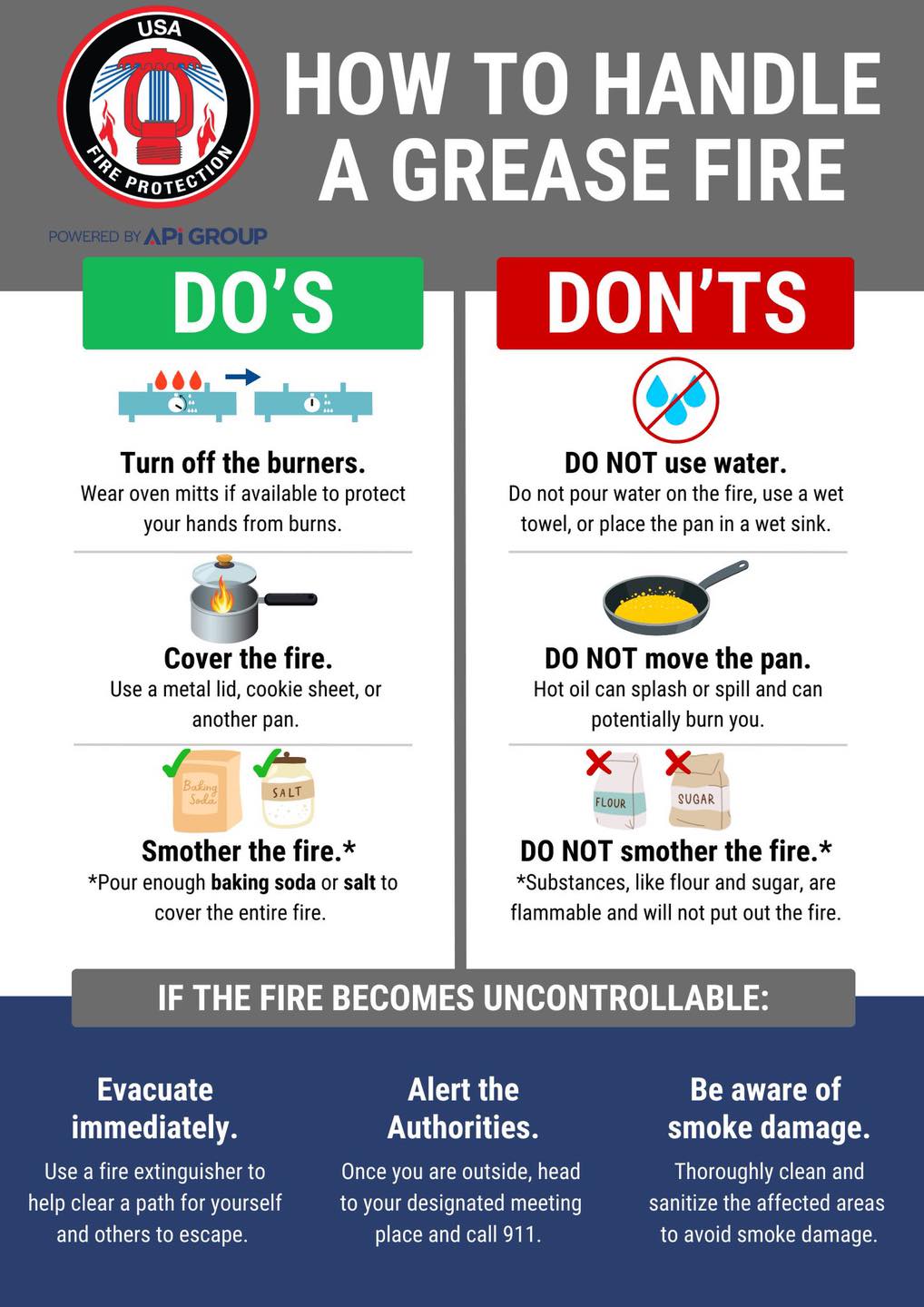
Image Source: www.houmatimes.com
Assessing the Situation: When to Fight and When to Flee
Not every fire needs to be fought. Your safety is the absolute priority. Here’s how to decide:
H3: Is the fire small and contained?
- Yes: If the fire is limited to the pan or pot it started in and hasn’t spread to cabinets or curtains, you might be able to handle it.
- No: If the flames are large, spreading quickly, or you can’t see an escape route, leave immediately.
H3: Are you breathing smoke?
- Yes: Smoke is dangerous. If you are inhaling smoke, get out of the house. Your lungs are more important than your belongings.
- No: If there’s minimal smoke and you can see clearly, you might have a chance to act.
H3: Do you have a clear escape path?
- Yes: Make sure you can easily get out of the kitchen and to a safe exit.
- No: If your escape route is blocked by flames or smoke, don’t try to fight the fire. Just leave.
H3: Do you have the right tools?
- Yes: You have a fire extinguisher rated for kitchen fires, a lid, or baking soda.
- No: Don’t use inappropriate items like flour or water.
Extinguishing Kitchen Fires: Step-by-Step Actions
Different fires require different approaches. Here’s how to tackle common kitchen fire scenarios safely.
H3: Grease Fires: The Most Common Kitchen Menace
A grease fire suppression technique is crucial here. If a pan of oil catches fire:
H4: DO NOT USE WATER.
This is the most important rule. Water will cause the burning oil to splatter, spreading the fire.
H4: Turn off the heat source.
- If it’s safe to do so, immediately turn off the burner. This removes the fuel source for the flames.
H4: Smother the flames.
- Use a metal lid: Slide a metal lid over the pan. This cuts off the oxygen supply, which is what the fire needs to burn. Leave the lid on until the pan has cooled completely.
- Use a baking sheet: A flat metal baking sheet can also be used to smother flames in a pan.
- Use baking soda: For small grease fires, a generous amount of baking soda fire suppression can help. Pour it directly onto the flames. Do NOT use flour, sugar, or baking powder, as these can make the fire worse.
- Use a fire blanket: A fire blanket is specifically designed to smother flames. Carefully lay it over the burning pan.
H3: Oven Fires: When Things Get Too Hot to Handle
An oven fire can be frightening. If you see flames inside your oven:
H4: Keep the oven door closed.
- Do not open the oven door. Opening it will let in oxygen, which will feed the flames and make them bigger.
H4: Turn off the oven.
- Turn off the oven’s heat source immediately. If it’s an electric oven, you might need to turn off the power at the breaker box if it’s safe to do so.
H4: Let it burn itself out.
- Most oven fires will extinguish themselves once the heat source is removed and the door is kept shut.
H4: Watch for re-ignition.
- Once the flames are gone, leave the oven door closed until it has cooled completely. Check for any lingering embers.
H4: Call the fire department if necessary.
- If the fire doesn’t go out, or if you see smoke pouring from the oven, evacuate and call the fire department.
H3: Microwave Fires: A Common Household Hazard
A microwave fire usually happens due to food left too long or improper materials. If your microwave catches fire:
H4: Keep the microwave door closed.
- Just like an oven fire, opening the door will supply oxygen and make the fire worse.
H4: Turn off the microwave.
- Unplug the microwave if you can do so safely without getting too close to the flames or smoke. If you cannot reach the plug safely, turn off the power to the microwave at the breaker box.
H4: Let it extinguish itself.
- The enclosed space of the microwave will help smother the flames once the power is off.
H4: Do not use water.
- Never use water to try to put out a microwave fire.
H4: Check for damage.
- Once cooled, inspect the microwave for any signs of damage or melted components before using it again. If there’s significant damage, it’s safer to replace it.
H3: Electrical Fires: Not Just in the Microwave
Electrical fires can occur from faulty appliances or wiring in the kitchen.
H4: Never use water on electrical fires.
- Water conducts electricity, making it extremely dangerous to use.
H4: Cut the power.
- If possible and safe, unplug the appliance or turn off the power at the breaker.
H4: Use a Class C extinguisher.
- A multipurpose fire extinguisher (often labeled ABC) is designed for electrical fires.
H3: Other Fires (e.g., paper towels, dish towels)
These are often caused by proximity to heat sources.
H4: Smother them.
- Use a damp cloth (not soaking wet) or a fire blanket to smother the flames.
- If it’s a small fire, a large amount of baking soda might work.
Essential Tools for Kitchen Fire Safety
Having the right equipment readily available is key to kitchen fire safety.
H3: Fire Extinguishers: Your First Line of Defense
- Type: For kitchens, a multi-purpose dry chemical extinguisher rated “ABC” is recommended. This means it’s effective on ordinary combustibles (A), flammable liquids (B), and electrical fires (C).
- Placement: Keep one in an easily accessible location, away from the stove and oven. A good spot is near an exit.
- Maintenance: Check the pressure gauge monthly to ensure it’s in the green zone. Extinguishers need to be replaced or recharged after each use, even if only partially discharged.
H3: Smoke Detectors and Carbon Monoxide Detectors
- Installation: Install smoke detectors on every level of your home, including inside and outside sleeping areas.
- Testing: Test them monthly by pressing the test button.
- Battery Replacement: Change batteries at least once a year, or when the detector chirps.
H3: Fire Blankets: A Quick Smothering Tool
- What it is: A fire blanket is made of fire-resistant material, usually fiberglass. It’s designed to be thrown over a small fire to smother it by cutting off oxygen.
- Where to keep it: Keep one in your kitchen, easily accessible, and know how to use it. It’s particularly useful for grease fires.
H3: Baking Soda: A Kitchen Staple for Small Fires
- Why it works: Baking soda fire suppression is effective because it releases carbon dioxide when heated, which smothers flames.
- How to use: Keep a large box or container of baking soda in your kitchen. For small grease fires, dump a large amount onto the flames. This is a good alternative if you don’t have an extinguisher handy, but only for very small, contained fires.
Developing an Emergency Fire Plan
A well-thought-out emergency fire plan is crucial for every household.
H3: Escape Routes
- Two ways out: Plan at least two ways out of every room, especially the kitchen. This usually means a door and a window.
- Practice: Practice your escape routes with everyone in the household.
H3: Meeting Place
- Designate a spot: Choose a safe meeting place outside your home, a safe distance away, where everyone will gather after escaping. This helps you quickly confirm everyone is out.
H3: Fire Drills
- Regular practice: Conduct fire drills at least twice a year to ensure everyone remembers the plan and knows what to do.
H3: Know When to Call for Help
- Immediate evacuation: If a fire is too large, spreading quickly, or you feel unsafe, evacuate immediately and call the fire department from a safe location. Don’t try to be a hero.
What NOT To Do During a Kitchen Fire
Here’s a recap of critical mistakes to avoid:
H3: Never Use Water on Grease or Electrical Fires
As mentioned, this can spread the fire or cause electrocution.
H3: Don’t Use Flour or Sugar to Put Out Fires
These are flammable and can cause explosions or worsen the fire.
H3: Avoid Moving a Burning Pot or Pan
Trying to carry a burning pot of grease can lead to severe burns and spread the fire to other parts of your home.
H3: Don’t Re-enter a Burning Building
Once you are out, stay out. Let the professionals handle it.
H3: Don’t Ignore Small Fires
Even a small fire can quickly become uncontrollable if not addressed correctly.
Key Takeaways for Kitchen Fire Safety
| Action | Grease Fire | Oven Fire | Microwave Fire | Electrical Fire |
|---|---|---|---|---|
| Turn off Heat | Yes | Yes | Yes | Yes (if safe) |
| Smother Flames | Yes (Lid, BS) | No | No | No |
| Use Water | NO | No | No | NO |
| Open Door | NO | NO | NO | N/A |
| Use Fire Ext. | ABC | ABC | ABC (C) | ABC (C) |
| Use Baking Soda | Yes (small) | No | No | No |
| Use Fire Blanket | Yes | No | No | No |
| Evacuate & Call 911 | If cannot control | If persists/unsafe | If persists/unsafe | If cannot control |
BS = Baking Soda
Frequently Asked Questions (FAQ)
H3: What is the best way to prevent kitchen fires?
The best prevention is vigilance. Never leave cooking unattended, keep flammable materials away from the stove, clean grease buildup regularly, and ensure your smoke detector is working.
H3: Can I use a damp dish towel on a grease fire?
A damp (not soaking wet) dish towel can be used to smother very small grease fires if you don’t have a lid or fire blanket. However, a lid or fire blanket is safer as they won’t introduce as much moisture. Be very careful not to knock the pan over.
H3: My oven caught fire, but the flames went out when I turned it off. Do I need to call the fire department?
If the fire is completely out, the smoke has cleared, and you don’t smell any burning, you might not need to call. However, it’s always better to be safe. If you are at all unsure, or if there was significant smoke, call your local fire department to have them check it out.
H3: What if I can’t find baking soda? What else can I use?
For small grease fires, if you don’t have baking soda or a lid, a metal baking sheet can also be used to smother the flames. Again, DO NOT USE WATER.
H3: How often should I check my fire extinguisher?
You should check the pressure gauge on your fire extinguisher monthly. Also, ensure the pin is in place and the hose is not blocked. Make sure it’s readily accessible and that everyone in the household knows where it is and how to use it.
By familiarizing yourself with these steps and maintaining a proactive approach to kitchen fire safety, you can significantly reduce the risk of fires and be better prepared to handle them if they do occur. Remember, your safety and the safety of your family are paramount.