
What is the standard thickness of a granite kitchen counter? The standard thickness for granite kitchen countertops is typically 2 cm (¾ inch) or 3 cm (1 ¼ inch). This answer provides a direct and clear response to the most common query about granite counter thickness.
Choosing the right thickness for your granite kitchen countertops is more than just a stylistic choice; it’s a crucial decision that impacts durability, cost, and even the overall aesthetic of your kitchen. While many homeowners might initially focus on color and pattern, the thickness of the granite slab plays a significant role in the longevity and perceived quality of the finished product. This guide aims to demystify the various dimensions of granite countertop thickness, helping you make an informed decision for your kitchen renovation.
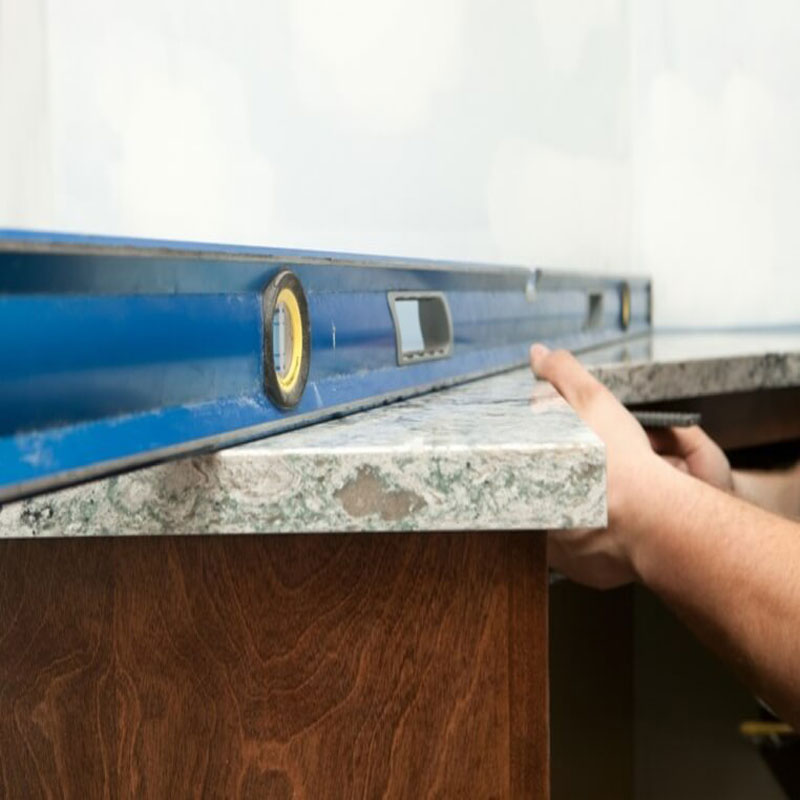
Image Source: www.signaturemarbleandgranite.com
Deciphering Granite Slab Thickness
Granite, a natural stone quarried from the earth, is brought to your home in large slabs. The thickness of these slabs is determined during the quarrying and initial processing stages. Understanding the typical granite slab thickness is the first step in grasping the options available for your kitchen.
Standard Granite Thickness
As mentioned, the most common standard granite thickness you’ll encounter in the market are 2 cm and 3 cm. These are the thicknesses that fabricators are most accustomed to working with, and they represent the most readily available options from granite suppliers.
- 2 cm (approximately ¾ inch): This is a popular choice, particularly in some international markets and for budget-conscious renovations. It offers a sleeker, more contemporary look and is generally lighter than its thicker counterpart.
- 3 cm (approximately 1 ¼ inch): This is widely considered the standard in North America. It offers a more substantial and luxurious appearance, often perceived as more durable due to its greater mass.
Minimum Granite Countertop Thickness
While 2 cm is a common standard, some situations might call for even thinner granite, though this is less common for kitchen countertops. The minimum granite countertop thickness you might encounter, though not typically recommended for primary kitchen surfaces, could be around 1.5 cm, often used for thinner decorative elements or specialized applications. For kitchen use, 2 cm is generally the practical minimum to ensure adequate strength and stability.
Maximum Granite Countertop Thickness
The maximum granite countertop thickness is generally limited by the quarrying and handling capabilities of the stone. While you can find thicker slabs, they become increasingly difficult to transport and fabricate, leading to higher costs. Slabs exceeding 4 cm (1 ½ inches) are rare and usually custom-ordered, often requiring specialized support structures. For most residential kitchen applications, anything above 3 cm is considered unusually thick and may not offer significant practical benefits for the increased cost.
Why Granite Thickness Matters: A Deeper Dive
The thickness of your granite countertop directly influences several key aspects of its performance and appearance. It’s not just about how it looks; it’s about how it performs day in and day out in a busy kitchen environment.
Granite Thickness for Durability
One of the primary reasons granite thickness for durability is a critical consideration is the stone’s natural composition. While granite is incredibly hard, it can still be susceptible to chipping or cracking under extreme impact or pressure, especially at its edges.
- Thicker granite (3 cm) generally offers superior granite thickness for durability. Its increased mass provides greater resistance to impact and stress. This is particularly important in areas prone to heavy use, such as around sinks, cooktops, or where heavy appliances might be placed.
- Thinner granite (2 cm), while still very durable, may require more careful handling and might benefit from reinforcing techniques, such as a thicker edge profile or support underneath, especially for longer spans without support.
The Visual Impact of Thickness
The thickness of your granite slab significantly influences the perceived quality and style of your kitchen.
- 3 cm granite typically presents a more substantial, robust, and luxurious appearance. It has a greater visual “heft” that can make a kitchen feel more high-end and grounded. The edges often appear more solid and less prone to chipping, contributing to a sense of permanence and quality.
- 2 cm granite offers a sleeker, more modern, and lighter look. It can make a kitchen feel more open and less heavy. While it might be perceived as less substantial by some, it can be an excellent choice for contemporary designs or smaller kitchens where a less imposing material is desired.
Granite Thickness for Cabinets
The weight of granite is a crucial factor when considering its compatibility with your existing or new cabinetry.
- 3 cm granite is significantly heavier than 2 cm granite. This means that the cabinets supporting it must be robust. Standard builder-grade cabinets might require reinforcement, especially for longer spans, to prevent bowing or damage. Ideally, solid wood or high-quality plywood cabinets are recommended. The granite thickness for cabinets compatibility is paramount to avoid structural issues.
- 2 cm granite is considerably lighter. While still a dense stone, it places less stress on cabinetry. This makes it a more forgiving option for cabinets that might not be as structurally sound or for situations where weight is a primary concern. However, even with 2 cm granite, ensuring cabinets are level and well-supported is always good practice.
Exploring Granite Thickness Options
When you embark on selecting your granite countertops, you’ll notice a range of granite counter thickness options. Understanding these options, including custom granite thickness, will empower you to make the best choice for your project.
Standard Options: 2 cm vs. 3 cm
The choice between 2 cm and 3 cm is the most common decision point for granite thickness. Both have their pros and cons, and the “better” option often depends on your specific needs and preferences.
| Feature | 2 cm Granite (¾ inch) | 3 cm Granite (1 ¼ inch) |
|---|---|---|
| Appearance | Sleeker, more modern, lighter visual weight. | More substantial, luxurious, robust, classic look. |
| Durability | Durable, but may require edge reinforcement or support for very long spans. More prone to chipping on edges if impacted hard. | Highly durable, excellent resistance to impact and stress. |
| Weight | Lighter, less stress on cabinets. | Heavier, requires sturdy cabinets; reinforcement may be needed. |
| Cost | Generally less expensive per square foot. | Generally more expensive per square foot. |
| Installation | Easier to handle and install. | Requires more careful handling and potentially stronger support. |
| Edge Profiles | Can achieve more delicate edge profiles. | Can accommodate thicker, more decorative edge profiles. |
Custom Granite Thickness
For those seeking a truly unique look or specific functional requirements, custom granite thickness is an option. This involves sourcing or fabricating granite to a thickness other than the standard 2 cm or 3 cm.
- Thicker Slabs: Some quarries can produce thicker slabs, perhaps 4 cm or even more. These are typically very expensive due to the difficulty in quarrying and transporting them. They offer a dramatic, statement-making appearance but also significant weight and cost implications.
- Laminated Edges: A common way to achieve a thicker look without the full weight and cost of a genuinely thick slab is through lamination. This involves taking a standard 2 cm slab and adhering a matching strip of granite to the edge to create the appearance of a 3 cm or thicker countertop. This provides the visual heft of a thicker slab at a potentially lower cost and with less weight impact on cabinets.
Granite Thickness in CM and Inches: A Clear Conversion
It’s essential to be familiar with the measurements, whether in centimeters or inches, as different suppliers might use different units.
- 2 cm is equivalent to approximately 0.79 inches, commonly rounded to ¾ inch.
- 3 cm is equivalent to approximately 1.18 inches, commonly rounded to 1 ¼ inches.
When discussing granite thickness in cm, remember these conversions to ensure you’re comparing apples to apples. It’s always best to confirm the exact measurement with your supplier.
Factors Influencing Your Choice
Beyond aesthetics and initial cost, several practical factors should guide your decision on granite thickness.
Budget Considerations
The price of granite is often quoted per square foot or square meter. Generally, 3 cm granite will be more expensive than 2 cm granite for several reasons:
- Material Cost: Thicker slabs require more raw material.
- Fabrication: Thicker slabs can be more challenging and time-consuming to cut, polish, and fabricate, increasing labor costs.
- Installation: Heavier slabs may require specialized equipment and more labor for transport and installation, adding to the overall cost.
However, the cost of fabrication and installation can sometimes offset the difference in material cost, especially if you opt for edge lamination with 2 cm granite to achieve a thicker look.
Edge Profile and Style
The thickness of your granite slab directly influences the types of edge profiles that can be effectively used.
- 2 cm granite is well-suited for more delicate and contemporary edge profiles, such as a simple eased edge, a pencil edge, or a slight bevel. While lamination can be used to create thicker edge profiles, the base slab is still 2 cm.
- 3 cm granite naturally supports bolder and more decorative edge profiles, like a bullnose, ogee, or a chiseled edge. The extra thickness provides a more substantial base for these designs, enhancing their visual impact and structural integrity.
Structural Support and Cabinetry
As previously mentioned, the weight of granite is a critical factor.
- If you have older or less robust cabinetry, 2 cm granite might be the safer and more practical choice to avoid straining the cabinet structure.
- For new, well-constructed cabinets made from solid wood or thick plywood, 3 cm granite is generally suitable. However, for islands, peninsulas, or very long runs of countertops, it’s always wise to consult with your cabinet maker or fabricator about the specific load-bearing capacity and whether any additional support (e.g., plywood sub-top, reinforcing brackets) is recommended.
Durability and Lifestyle
Consider your daily kitchen habits.
- If your kitchen is a high-traffic area with frequent heavy use, children, or a tendency for items to be dropped, the added thickness and mass of 3 cm granite can provide greater peace of mind. It offers a robust surface that is more resilient to accidental impacts.
- If you have a more careful approach to kitchen use or a lighter traffic environment, 2 cm granite will likely be perfectly adequate and durable for many years.
Is Thicker Always Better?
While 3 cm granite is often associated with higher quality and durability, 2 cm granite is a perfectly viable and excellent choice for most kitchens. The perception that thicker is always better can sometimes lead to unnecessary expense. The key is to match the granite thickness to your specific needs, budget, and aesthetic goals.
For instance, a well-fabricated 2 cm granite countertop with a professionally applied laminated edge can offer the visual appeal of a thicker slab without the increased weight and cost. Conversely, if you desire a statement piece with a very thick edge profile or are building a kitchen designed for heavy-duty use, 3 cm granite might be the more appropriate choice.
Installation and Fabrication Considerations
The thickness of the granite slab affects how it’s handled throughout the fabrication and installation process.
- Fabrication: Cutting, polishing, and shaping thicker slabs requires more powerful equipment and skilled labor. This can translate into higher fabrication costs.
- Transportation: Thicker and heavier slabs are more challenging to move and transport, requiring specialized lifting equipment and more careful handling to prevent breakage.
- Installation: While 2 cm granite is lighter and easier to maneuver into place, both thicknesses require a level and stable surface. For very long unsupported spans, a sub-top (a layer of plywood beneath the granite) is often recommended regardless of thickness to provide additional support and rigidity, especially for 2 cm slabs. This sub-top also helps absorb some of the stress from expansion and contraction.
Granite Thickness in Centimeters: A Global Perspective
While North America predominantly uses 3 cm as its standard, granite thickness in cm is commonly discussed globally. In many other regions, 2 cm is the more prevalent standard, often considered perfectly suitable for most kitchen applications. When sourcing granite internationally or working with suppliers who cater to global markets, you’ll frequently encounter these centimeter measurements. It’s crucial to be comfortable with both centimeters and inches to ensure clear communication and accurate ordering.
Frequently Asked Questions (FAQ)
Here are answers to some common questions related to granite countertop thickness:
Q1: Can I use 2 cm granite for my kitchen island?
A1: Yes, you can. However, for kitchen islands, especially those with overhangs or a significant span without cabinet support, it’s highly recommended to use a plywood sub-top underneath the 2 cm granite. This provides essential structural support and prevents bowing or cracking. For very large overhangs, even 3 cm granite might require additional support.
Q2: Does granite thickness affect its stain resistance?
A2: No, the thickness of the granite does not directly affect its stain resistance. Stain resistance is primarily determined by the type of granite (some are more porous than others) and the quality of the sealant applied. Proper sealing is crucial for both 2 cm and 3 cm granite.
Q3: Is 3 cm granite always more expensive than 2 cm granite?
A3: Generally, yes. The thicker slab requires more raw material and often incurs higher fabrication and installation costs due to its weight and handling requirements. However, the price difference can sometimes be less significant when considering the total project cost, especially if 2 cm requires added support or lamination.
Q4: What is the best granite thickness for durability?
A4: While both 2 cm and 3 cm granite are durable, 3 cm granite is generally considered more durable due to its greater mass and thickness, offering better resistance to impact and chipping, especially on the edges. However, properly installed and sealed 2 cm granite is also very durable for everyday kitchen use.
Q5: How much does granite countertop thickness add to the cabinet height?
A5: Standard kitchen cabinets are typically designed to accommodate countertop thickness. The countertop sits on top of the cabinets. So, a 3 cm slab will add 3 cm (about 1.25 inches) to the overall height of your counter surface compared to the cabinet box itself, assuming the cabinet has a standard finished top. If you are using a sub-top, that will add to the overall height as well.
Choosing the right granite countertop thickness is a balance of aesthetics, functionality, budget, and durability. By understanding the differences between standard granite thickness options like 2 cm and 3 cm, and considering factors like granite thickness for durability, granite thickness for cabinets, and the possibility of custom granite thickness, you can confidently select the perfect granite for your dream kitchen. Remember to discuss your specific project needs with your fabricator to ensure the best outcome.