
The ideal width for a kitchen island can range from 24 inches for a narrow, functional prep space to 48 inches or more for a substantial multi-functional hub. How wide is a kitchen island? This is a question that unlocks a world of kitchen design possibilities, and the answer isn’t a single number but rather a spectrum dependent on your space, needs, and desired functionality. Understanding the various kitchen island dimensions is key to creating a kitchen that is both beautiful and highly practical. This guide will walk you through everything you need to know to select the perfect width for your kitchen island.
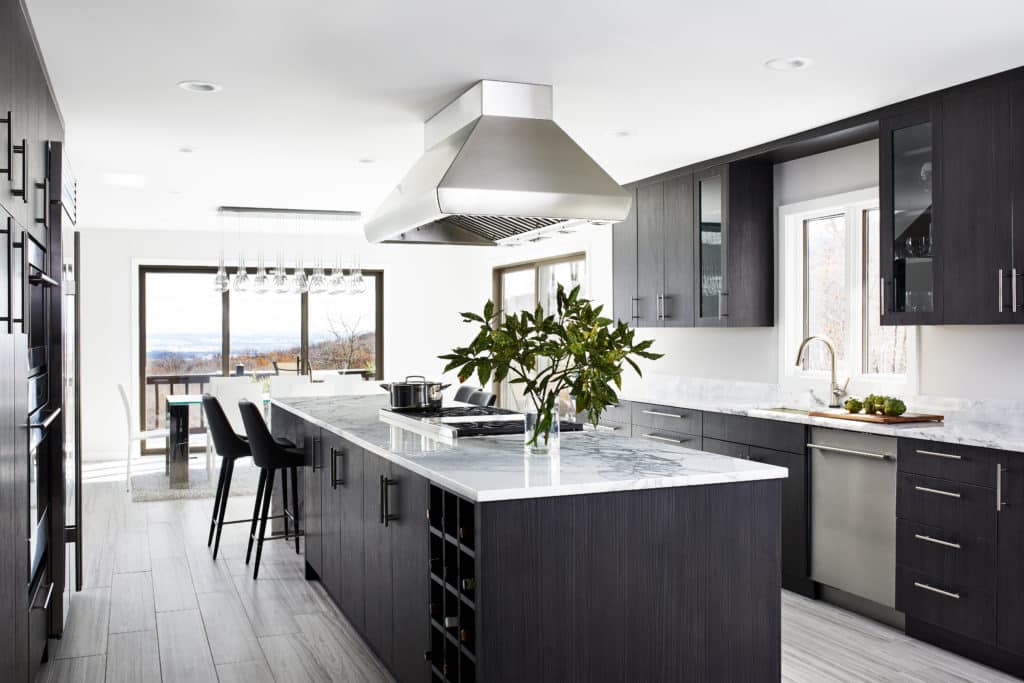
Image Source: jackrosen.com
The Foundation of Kitchen Island Width: Space and Flow
Before diving into specific measurements, it’s crucial to consider the fundamental aspect of your kitchen: its size and layout. A kitchen island isn’t just a piece of furniture; it’s an integrated element that must enhance, not hinder, the daily use of your kitchen.
Measuring Your Kitchen for Island Success
Accurate measurements are the bedrock of any successful kitchen renovation or redesign. You need to know the available space you have to work with.
- Overall Kitchen Dimensions: Measure the length and width of your entire kitchen. This gives you a broad sense of the canvas you’re painting on.
- Clearance Zones: This is arguably the most critical factor when determining kitchen island width. You need ample space around the island for comfortable movement and to open appliances. We’ll delve deeper into kitchen island clearance later, but as a preliminary step, mark out potential island zones and ensure you can walk around them freely.
- Cabinet and Appliance Locations: Note where existing cabinets, appliances, and doorways are situated. Your island needs to work in harmony with these elements.
Standard Kitchen Island Size: A Starting Point
While there’s no single “correct” width, knowing the standard kitchen island size provides a useful reference point. These are common dimensions found in many homes and are often dictated by typical kitchen footprints and standard cabinet sizes.
- Typical Widths: Most standard kitchen islands fall within the 24-inch to 36-inch range.
- Common Depths: Correspondingly, island depths often range from 24 inches to 42 inches.
It’s important to remember that these are starting points. Your unique kitchen may require or allow for dimensions outside these norms.
Determining Your Ideal Kitchen Island Width
The ideal kitchen island width is a highly personal choice, influenced by how you intend to use your island and the overall aesthetic you aim for.
Factors Shaping Your Island Width Decision
Several key factors will guide your choice:
-
Primary Function: Will your island primarily be a prep space, a casual dining area, a storage solution, or a combination of these?
- Prep Work: Islands designed for extensive chopping and food preparation might benefit from a wider surface, perhaps 36 inches or more, to comfortably accommodate cutting boards, bowls, and ingredients.
- Dining: If you plan to eat at your island, you’ll need to factor in seating depth. Typically, 12-15 inches of overhang per person is recommended, which influences the overall kitchen island depth and thus, the width needed to accommodate this.
- Storage: Islands with extensive cabinetry or appliance housing (like dishwashers or wine fridges) will inherently be wider to accommodate these features.
-
Traffic Flow: This ties directly back to clearance. A wider island can feel more substantial, but it can also impede movement if your kitchen is narrow.
-
Aesthetic Goals: A wider island can serve as a grand statement piece, while a narrower island might offer a more streamlined, minimalist look.
Minimum Kitchen Island Width: Functionality Without Obstruction
What is the minimum kitchen island width you can get away with? This is a common question for those with smaller kitchens or specific layout challenges.
- The 36-Inch Rule (for Clearance): A frequently cited rule of thumb is to maintain at least 36 inches of clearance between your island and surrounding cabinets or walls. This allows for comfortable passage. In high-traffic areas, 42-48 inches is even better.
- Narrow Islands (24-30 Inches): For very small kitchens or specific purposes, a narrow island can still be functional.
- Prep Islands: A 24-inch wide island can serve as a decent landing zone for appliances or a small prep surface.
- Pull-Out Surfaces: Some designs incorporate pull-out cutting boards or tables, allowing for a narrower base but expanding functionality when needed.
- Consideration: If opting for a narrow island, prioritize its placement to maximize workflow.
Large Kitchen Island Width: Maximizing Potential
For those blessed with expansive kitchens, a large kitchen island width can transform the space into a culinary powerhouse.
- 36 Inches and Beyond: Islands exceeding 36 inches in width offer a wealth of possibilities.
- Multi-Zone Functionality: A wider island can comfortably house a prep zone, a baking station, a sink, a stovetop, and a seating area, all while maintaining adequate workspace.
- Impact on Layout: A very wide island can become the central focus of the kitchen, influencing the entire room’s layout and design. It’s crucial that this dominance is intentional and doesn’t overpower the space.
Essential Kitchen Island Clearance: The Unsung Hero
Clearance is not just a suggestion; it’s a fundamental kitchen island requirement for safety and usability. This is where you can truly grasp the importance of the width you choose.
Navigating Your Kitchen: The Clearance Guidelines
Proper clearance ensures that your kitchen remains functional and safe, even when multiple people are using it.
- Between Island and Work Zone (e.g., Sink, Stove): Aim for a minimum of 42 inches. This allows for someone to stand at the island and another person to access the adjacent work area without bumping into each other.
- Between Island and Seating: If you have seating at your island, you need to account for the chairs themselves and the space people need to pull them out and sit down. A minimum of 48 inches is recommended between the island edge and any facing cabinets or walls.
- On the “Working” Side of the Island: If there’s a dishwasher or an oven door that opens towards the island, you need enough space for those appliances to operate fully without obstruction. Typically, 48 inches is a good buffer here.
- Walkways: Ensure all pathways around the island are at least 36 inches wide. In busier kitchens, 42-48 inches is preferable.
Visualizing Clearance: Practical Application
Imagine your kitchen as a dynamic space.
- Scenario 1: The Galley Kitchen: In a narrower galley kitchen, a large, wide island can be problematic. A narrower island (e.g., 30 inches wide) with ample walkway clearance (42-48 inches) on both sides might be the best approach.
- Scenario 2: The Open-Concept Kitchen: In a spacious open-concept layout, a wider island (e.g., 48 inches or more) can act as a central anchor, with generous walkways surrounding it.
Beyond Width: Other Critical Kitchen Island Dimensions
While width is a primary concern, kitchen island depth and length also play significant roles in functionality and aesthetics.
Kitchen Island Depth: Supporting Your Needs
Depth influences how much you can do on your island and how much storage it can offer.
- Standard Depth: Most kitchen islands have a kitchen island depth of 24 inches, mirroring standard base cabinet depths. This is often sufficient for a countertop and basic storage.
- Extended Depth (30-42 Inches): Deeper islands offer greater versatility:
- Seating Overhang: A depth of 36 inches allows for a 12-15 inch overhang for comfortable seating without compromising the work surface.
- Appliance Housing: Deeper cabinets or specialized appliances might require a greater depth.
- Enhanced Workspace: A deeper island provides a more substantial and less cluttered prep area.
Kitchen Island Length: The Horizontal Span
Length is often determined by the available space and the desired functionality.
- Small Kitchen Islands: Even small islands can have a length of 48 inches, providing a useful surface.
- Large Kitchen Islands: Lengths can extend to 8 feet, 10 feet, or even more, creating expansive workstations or significant seating areas.
Kitchen Island Placement: Strategic Positioning
The kitchen island placement is as crucial as its dimensions. An island, regardless of its width, can be an asset or a hindrance depending on where it’s situated.
Optimizing Placement for Workflow
Consider the “work triangle” (sink, stove, refrigerator) and how your island fits into it.
- Central Hub: Placing the island centrally often works well, providing easy access from all directions.
- Parallel to Cabinets: In some layouts, placing the island parallel to a run of cabinets can create efficient prep zones and clear pathways.
- Obstructions: Ensure the island doesn’t block access to essential appliances, pantry doors, or the main kitchen entrance.
The Impact of Width on Placement
- A wider island will naturally command more central space and may require more consideration for clearance.
- A narrower island offers more flexibility in placement, potentially fitting into tighter spots.
Crafting Your Kitchen Island: Specific Requirements
When you’re ready to design or purchase an island, you’ll encounter specific kitchen island requirements to consider.
Custom vs. Stock Islands
- Custom Islands: Offer the most flexibility in width, depth, and features, allowing you to perfectly match your kitchen island dimensions to your needs.
- Stock Islands: Come in pre-set sizes. You’ll need to select from available widths and depths that best fit your space.
Key Design Considerations for Width:
- Countertop Material: Heavier materials like granite or quartz might necessitate a sturdier, potentially wider base cabinet for support.
- Cabinetry: The style and depth of your island cabinetry will influence its overall width.
- Integrated Appliances: If you plan to install a cooktop, sink, or dishwasher into your island, these will dictate a minimum width to accommodate them safely and functionally. For instance, a standard sink base cabinet is typically 30-36 inches wide.
The Spectrum of Kitchen Island Widths: A Summary
To help visualize the possibilities, let’s look at common scenarios based on kitchen size and intended use:
| Kitchen Size | Primary Use | Recommended Minimum Width | Recommended Maximum Width | Typical Depth |
|---|---|---|---|---|
| Small | Prep/Landing Zone | 24 inches | 30 inches | 24 inches |
| Medium | Prep/Casual Dining | 30 inches | 36 inches | 24 – 36 inches |
| Large | Multi-functional Hub | 36 inches | 48+ inches | 36 – 42+ inches |
Note: These are general guidelines. Always prioritize adequate kitchen island clearance above all else.
Small Kitchen Island Size: Maximizing Limited Space
For those with compact kitchens, finding a small kitchen island size that offers utility without overwhelming the space is key.
- The “Island on Wheels”: Many compact islands come with casters, allowing you to move them out of the way when not in use. These are often around 24-30 inches wide and 20-24 inches deep.
- Narrow, Long Islands: Sometimes a narrower island that runs parallel to a cabinet run can be more effective than a wide, central island. A width of 24-30 inches is common here.
- Drop Leaf Extensions: Islands with drop-leaf extensions can provide extra prep space or seating when needed, then fold down to save space.
Large Kitchen Island Width: The Grand Statement
A large kitchen island width can dramatically enhance a spacious kitchen.
- Entertainer’s Dream: Islands exceeding 48 inches in width can comfortably accommodate multiple seating areas, large sink basins, and extensive prep zones.
- Storage Powerhouse: They can house double ovens, warming drawers, extensive cabinetry, and even wine refrigerators, becoming the command center of the kitchen.
- Design Consideration: The sheer scale of a wide island means its design must be carefully considered to complement the overall kitchen aesthetic.
Frequently Asked Questions About Kitchen Island Width
Here are some common questions people ask when deciding on their kitchen island width:
-
Q1: What is the absolute minimum width for a functional kitchen island?
A1: For a truly functional island that offers some workspace and storage, a width of 24 inches is often considered the absolute minimum. However, for comfortable passage and to house even a small sink, 30-36 inches is more practical. -
Q2: Can my kitchen island be as wide as my cabinets?
A2: While technically possible, it’s generally not recommended to have an island that is as wide as your adjacent cabinet runs, especially if you need significant clearance for walkways or appliance doors. This can make the kitchen feel cramped and difficult to navigate. -
Q3: How much space do I need for seating at my kitchen island?
A3: For comfortable seating, you need about 24 inches of width per person. Additionally, you need a 12-15 inch overhang for legroom, and at least 36-48 inches of clearance behind the seating for chairs to be pulled out and for people to walk behind those seated. -
Q4: Does the width of my island affect the placement of my appliances?
A4: Yes, definitely. If you plan to integrate appliances like a dishwasher, sink, or cooktop into your island, their required dimensions will directly influence the minimum width your island needs to be. For example, a standard dishwasher is 24 inches wide, and you’ll need additional cabinet space on either side. -
Q5: I have a very small kitchen. Can I still have a kitchen island?
A5: Absolutely! Even in small kitchens, a narrow island (24-30 inches wide) or a rolling kitchen cart can provide valuable prep space and storage without sacrificing essential movement. Prioritize clearance and consider islands with drop-leaf extensions or pull-out surfaces.
By carefully considering your kitchen’s layout, your intended use, and the crucial kitchen island clearance requirements, you can confidently determine the perfect width for your kitchen island, transforming your cooking space into a more functional and beautiful area.