
How much space should be around a kitchen island? You need at least 36 inches of clear space on the working sides of your island for comfortable movement and safe appliance use. For main traffic paths, aim for 42-48 inches. This ensures good kitchen island traffic flow and functionality.
Designing a kitchen often centers around the island. It’s the heart of many homes – a place for cooking, eating, chatting, and doing homework. But the beauty and practicality of your island heavily depend on one crucial factor: kitchen island spacing. Too little space, and your kitchen becomes cramped and awkward. Too much, and it can feel disconnected and inefficient. This guide will delve deep into how much room for kitchen island you truly need, offering practical kitchen island spacing guidelines for a functional and beautiful kitchen.
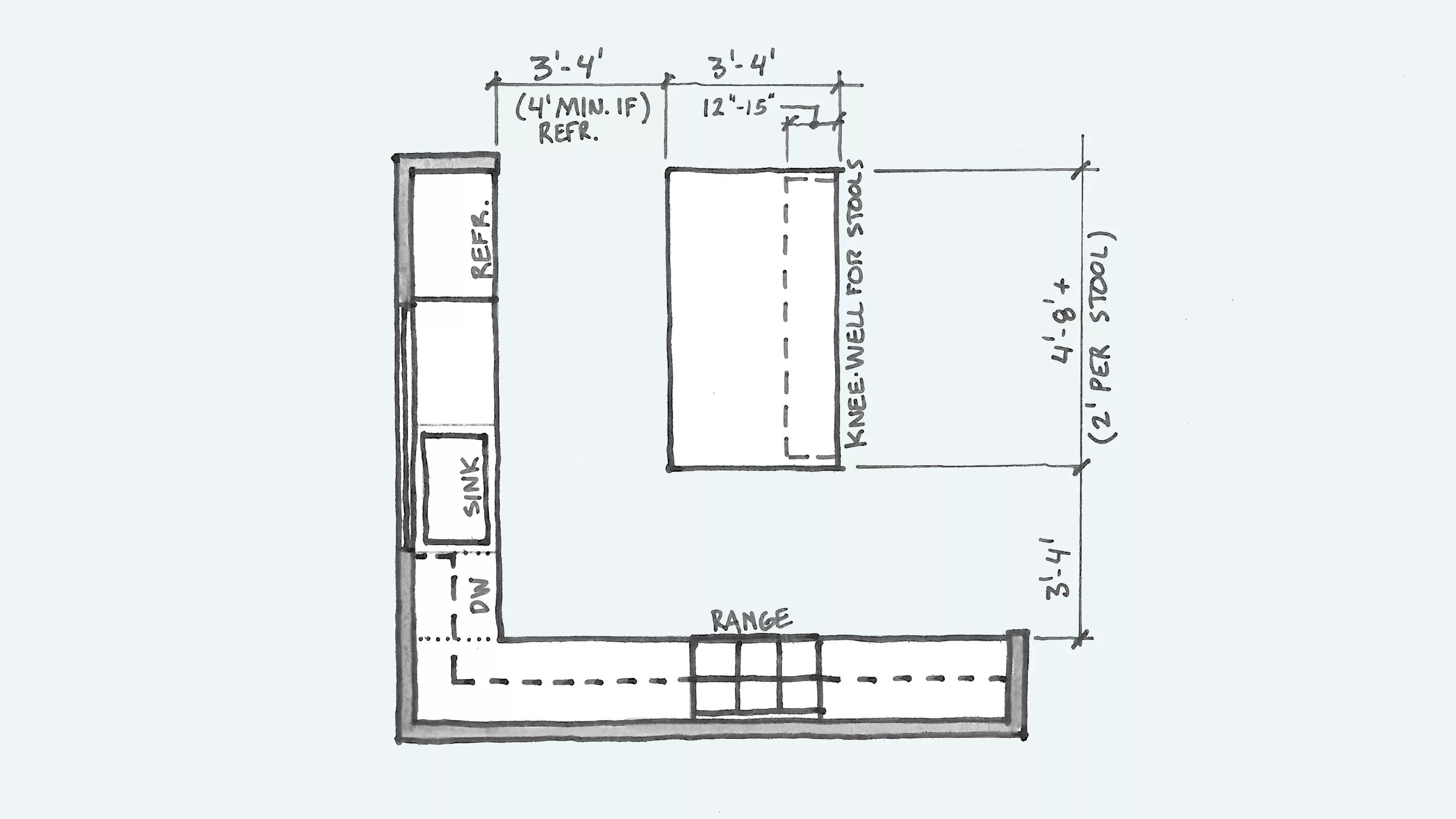
Image Source: www.boardandvellum.com
The Importance of Adequate Space Kitchen Island
Why is adequate space kitchen island so vital? It’s not just about aesthetics; it’s about safety, efficiency, and overall usability. A well-spaced island allows for:
- Smooth Traffic Flow: People need to move around the kitchen without bumping into things. This is especially important when multiple people are using the kitchen at once.
- Appliance Operation: You need space to open oven doors, dishwasher doors, and refrigerator doors without obstruction.
- Comfortable Seating: If your island has seating, guests and family members need room to pull out chairs and sit comfortably.
- Food Preparation: Ample counter space around the island allows for prep work and serving without feeling cluttered.
- Ergonomics: Proper spacing prevents unnecessary bending, stretching, and awkward movements, making your time in the kitchen more pleasant.
Let’s break down the key areas where kitchen island clearance is essential.
Key Areas Requiring Kitchen Island Clearance
- Island to Counter Distance: This is the space between the island and your perimeter countertops or cabinets.
- Island to Appliance Clearance: This refers to the space needed for opening appliance doors (ovens, dishwashers, refrigerators).
- Island to Seating Clearance: If you have seating at your island, you need space for chairs and people to move in and out.
- Walkway Space Around Island: These are the general pathways for navigating the kitchen.
Optimal Kitchen Island Spacing Guidelines
Achieving optimal kitchen island spacing involves considering different measurements for various zones within your kitchen. These guidelines are based on general best practices and building codes designed for safety and usability.
Walkway Space Around Island: The Essential Clearances
The most critical aspect of kitchen island spacing is the walkway space around island. This ensures that your kitchen is functional and safe.
Primary Work Zones and Minimum Walkways
When planning your kitchen island placement, consider the primary work zones: the sink, refrigerator, and oven/cooktop. These form the “work triangle” (though the concept has evolved with larger kitchens and islands).
- Minimum Recommended Walkway: For most areas, a minimum of 36 inches (91 cm) of clear space is recommended. This is generally considered the smallest comfortable clearance for moving around.
- Ideal Walkway: For main traffic paths or areas where two people might pass each other, 42-48 inches (107-122 cm) is ideal. This provides ample room and a feeling of spaciousness.
Island to Counter Distance
This is a crucial measurement, especially for the primary “kitchen work aisles.”
- Working Aisle (Between Island and Perimeter Countertop/Appliances):
- Minimum: 36 inches (91 cm). This allows for basic movement and opening of some appliance doors (like a standard oven).
- Recommended: 42-48 inches (107-122 cm). This is the sweet spot for comfortable movement, especially if the island has prep space or seating, or if it’s a main thoroughfare. It allows for two people to comfortably work or pass each other.
Table 1: Recommended Island to Counter Distances
| Zone | Minimum Clearance | Recommended Clearance | Notes |
|---|---|---|---|
| Primary Working Aisle (e.g., prep zone) | 36 inches (91 cm) | 42-48 inches (107-122 cm) | Allows for comfortable prep and movement. |
| Secondary Walkway/Traffic Path | 36 inches (91 cm) | 42 inches (107 cm) | For less busy areas or where only one person typically moves. |
| Appliance Door Clearance | 36 inches (91 cm) | 48 inches (122 cm) | Crucial for opening refrigerators, dishwashers, and ovens fully without hitting the island. |
| Seating Area Clearance | 36 inches (91 cm) | 48 inches (122 cm) | To allow chairs to be pulled out and people to move behind seated individuals comfortably. |
Island to Appliance Clearance: The Door Dilemma
This is where many people run into trouble. You need to account for the swing of appliance doors.
- Refrigerator Doors: Standard refrigerators typically swing out about 30-35 inches. You need enough kitchen island clearance so the door can open fully without hitting the island. Aim for at least 48 inches (122 cm) between the edge of the island and the refrigerator door swing.
- Dishwasher Doors: Dishwashers also need about 30-35 inches of clearance when the door is open. If your dishwasher is located opposite the island, ensure you have 42-48 inches (107-122 cm) so someone can stand at the open dishwasher and someone else can pass.
- Oven/Range Doors: Similar to refrigerators and dishwashers, oven doors require significant swing space. If you have a wall oven, ensure the island doesn’t impede its full opening. If the cooktop is on the island itself, then island walkway dimensions surrounding it become even more critical for safety.
Island to Seating Clearance: Room to Relax
If your island incorporates seating, the spacing needs to accommodate more than just the island itself.
- Chair Clearance: You need space for the chairs to be pulled out from the island. This is typically about 24 inches (61 cm) per person for comfortable seating.
- Passage Behind Seated Guests: Crucially, you need to allow people to walk behind those who are seated. This requires an additional 24-30 inches (61-76 cm) behind the pulled-out chair.
- Total Seating Clearance: This means that from the edge of the island to the wall or next cabinet, you should aim for a minimum of 60 inches (152 cm) if there’s seating. For a more comfortable experience, 72 inches (183 cm) is even better. This allows people to get up and down without feeling cramped.
The “Work Triangle” and Modern Kitchen Layouts
While the traditional “work triangle” (sink, refrigerator, stove) is still relevant, the presence of a kitchen island changes how we think about it. The island itself often becomes a central hub for prep work, a breakfast bar, or even housing appliances like a cooktop or sink.
- Island as a Prep Zone: If your island is primarily for food preparation, ensure ample counter space around it. The island to counter distance becomes vital for staging ingredients and plating food.
- Island with a Sink or Cooktop: If your island features a sink or cooktop, the surrounding kitchen island clearance is paramount for safety and functionality. You’ll need clear paths for safe access, especially around a hot cooktop.
Factors Influencing Your Kitchen Island Spacing
While the guidelines above are excellent starting points, your specific kitchen layout and how you intend to use your island will influence the final kitchen island placement and required spacing.
Kitchen Size and Shape
- Small Kitchens: In smaller kitchens, you might need to be more strategic. While the minimum 36-inch clearance is still advisable for basic functionality, you might opt for a narrower island or a less intrusive design to maximize walkway space around island. A rolling cart or a small, movable island might be a better solution than a large, fixed unit.
- Large Kitchens: In larger spaces, you have more flexibility. You can comfortably achieve the recommended 42-48 inches of kitchen island clearance in most areas, creating a more open and inviting feel. You might even consider a larger island or a multi-functional island setup.
- Galley Kitchens: In a galley kitchen layout, where the kitchen is essentially a long corridor, the island to counter distance is critical. You’ll need at least 48 inches between the island and the opposite counter/appliance wall to allow two people to pass easily.
Island Usage and Functionality
- Prep Station: If your island is mainly for chopping and prepping, ensure the island to counter distance is sufficient for multiple people to work side-by-side and for easy access to nearby appliances.
- Eating Area: If you plan to have seating, adhere to the generous seating area clearance guidelines mentioned earlier. This makes the island a comfortable gathering spot.
- Storage Hub: If your island incorporates extensive storage (drawers, cabinets), ensure that the kitchen island clearance doesn’t prevent you from accessing these storage solutions.
- Appliance Integration: If the island houses a cooktop, microwave, or sink, the surrounding space becomes even more critical for safety and workflow.
Number of Cooks and Kitchen Users
- One Cook: If you primarily cook alone, you might get away with slightly less clearance in some secondary areas, though the main work aisles should still be well-spaced.
- Multiple Cooks: If your kitchen is often a hive of activity with multiple people cooking, prepping, or cleaning, then prioritizing wider walkway space around island (48 inches or more) is essential for a harmonious experience. This significantly improves kitchen island traffic flow.
Appliance Types
- Drawer Microwaves: If your island features a drawer microwave, ensure the kitchen island clearance allows the drawer to open fully without obstruction.
- Pull-Out Trash/Recycling Bins: If these are integrated into the island, make sure you have enough space to access them comfortably.
Common Kitchen Island Spacing Mistakes to Avoid
Getting the spacing wrong can turn your dream kitchen into a functional nightmare. Here are common pitfalls to steer clear of:
- Insufficient Walkway Space: The most common error. Not leaving enough room between the island and other elements makes movement difficult and potentially dangerous.
- Forgetting Appliance Door Swings: Failing to account for how far appliance doors open is a recipe for frustration. Always measure from the island to the fully opened door.
- ** Cramped Seating Areas:** If seating is too close to walls or other obstacles, it will be uncomfortable for guests to sit and move around.
- ** Blocking Key Pathways:** Placing an island in a way that obstructs essential circulation routes is a major design flaw.
- ** Ignoring the Kitchen Work Triangle:** While modern kitchens are more flexible, neglecting the adjacency of prep, cooking, and cleaning zones can lead to an inefficient layout.
Planning Your Kitchen Island Placement: A Step-by-Step Approach
To ensure you achieve the best kitchen island placement and optimal spacing, follow these steps:
- Measure Your Kitchen: Get accurate measurements of your entire kitchen space, including the location of windows, doors, and existing plumbing or electrical outlets.
- Determine Island Size and Shape: Based on your kitchen’s dimensions and your needs, decide on the ideal size and shape for your island.
- Sketch Your Layout: Draw a to-scale diagram of your kitchen. Place your island on the diagram, considering its relationship to the perimeter cabinets, appliances, and doorways.
- Mark Work Zones: Identify your primary work zones (sink, fridge, stove) and how they interact with the island.
- Apply Spacing Guidelines: Using your measurements and the kitchen island spacing guidelines provided, mark out the required clearances on your sketch. Use masking tape on your actual floor to visualize the space.
- Simulate Movement: Walk through your kitchen layout. Imagine yourself cooking, opening appliances, and having others move around you. Does it feel spacious and functional?
- Consider Seating: If adding seating, ensure adequate space for chairs and passage behind them.
- Consult a Professional (Optional): If you’re unsure, consulting a kitchen designer or contractor can help you avoid costly mistakes and ensure your adequate space kitchen island is perfect.
Visualizing Space with Tape
A simple yet effective method for checking kitchen island spacing is to use painter’s tape on your existing kitchen floor. Outline the intended dimensions of your island and the surrounding walkways. Then, walk through the space, open appliance doors, pull out chairs, and see how it feels. This hands-on approach can be invaluable.
Frequently Asked Questions about Kitchen Island Spacing
Q1: What is the minimum space required between a kitchen island and the main cabinets/countertops?
A1: The minimum recommended clearance between a kitchen island and perimeter cabinets or countertops is 36 inches (91 cm). However, 42-48 inches (107-122 cm) is considered ideal, especially for main traffic paths or working aisles, to allow for comfortable movement and appliance use.
Q2: How much space do I need behind a chair at a kitchen island?
A2: You need at least 24 inches (61 cm) for the chair to be pulled out. Additionally, you need another 24-30 inches (61-76 cm) for people to walk behind someone seated. Therefore, the total clearance from the edge of the island to the wall or next obstacle should be at least 60 inches (152 cm), with 72 inches (183 cm) being more comfortable.
Q3: Can I place a kitchen island in a smaller kitchen?
A3: Yes, you can, but it requires careful planning. Opt for a smaller island, a mobile island, or a peninsula. Prioritize the essential 36-inch clearance on working sides, but be mindful that a large, fixed island might not be practical and could hinder kitchen island traffic flow.
Q4: What is the ideal distance from a refrigerator to a kitchen island?
A4: You need to account for the refrigerator door swing. The door typically swings out about 30-35 inches. Therefore, aim for at least 48 inches (122 cm) between the edge of the island and the refrigerator door to allow it to open fully without obstruction.
Q5: Do I need more space if my island has a cooktop?
A5: Yes, if your island has a cooktop, adhering to the higher end of the kitchen island spacing guidelines (42-48 inches) is crucial. This provides a safer working environment and prevents accidental bumps into hot surfaces. Ensure there is ample clear space around the cooktop for safe operation and movement.
Q6: How much room for kitchen island placement is needed for a kitchen with two working adults?
A6: For kitchens where two adults frequently work simultaneously, prioritizing wider walkway space around island is essential. Aim for 48 inches (122 cm) or more in primary working aisles to facilitate comfortable movement and prevent congestion. This enhances kitchen island traffic flow significantly.
Conclusion
Achieving the right kitchen island spacing is a cornerstone of a well-designed, functional, and enjoyable kitchen. By carefully considering the walkway space around island, the island to counter distance, and the specific needs of your kitchen and its users, you can ensure your island becomes a beautiful and practical centerpiece. Remember, ample kitchen island clearance isn’t just about meeting minimum requirements; it’s about creating a space that supports your lifestyle, enhances your cooking experience, and makes your kitchen a true heart of the home. With thoughtful planning and adherence to these kitchen island spacing guidelines, you can confidently plan your kitchen island placement for optimal utility and comfort.