
Keeping commercial kitchen equipment spotless is crucial for food safety, operational efficiency, and the longevity of your expensive appliances. Commercial kitchen cleaning isn’t just about appearance; it’s a vital part of maintaining commercial kitchen hygiene standards and preventing costly breakdowns. What is the best way to approach cleaning your restaurant equipment? The best way is with a systematic, regular schedule using appropriate cleaning agents and techniques for each piece of equipment. This comprehensive guide provides pro advice on how to clean essential commercial kitchen equipment, ensuring restaurant equipment sanitation is top-notch.
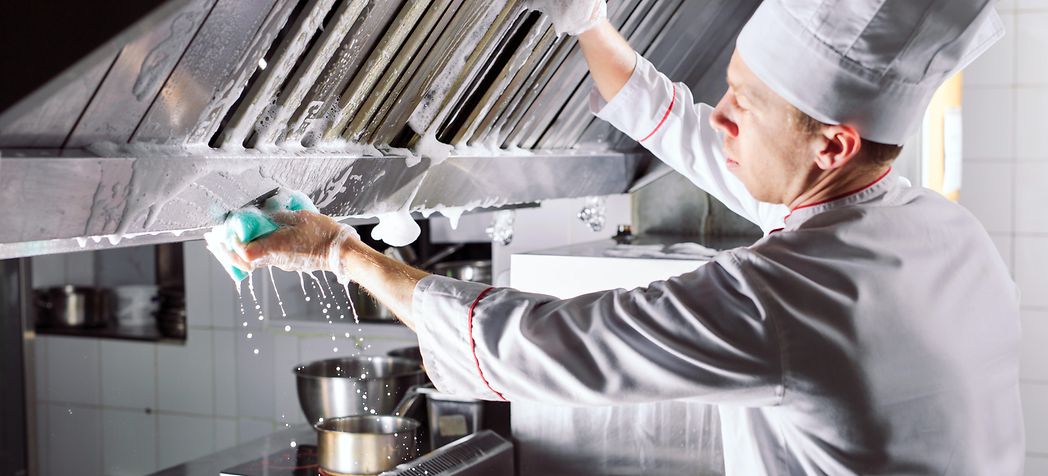
Image Source: apparel.production.partstown.coremedia.cloud
The Importance of Regular Cleaning and Sanitation
A clean kitchen is a safe kitchen. This is the golden rule in any food service establishment. Accumulation of grease, food debris, and bacteria can lead to cross-contamination, foodborne illnesses, and failed health inspections. Beyond safety, consistent cleaning protects your investment. Regular food service equipment maintenance, which includes cleaning, prevents rust, corrosion, and mechanical issues that can lead to expensive repairs or premature replacement.
Benefits of a Clean Commercial Kitchen:
- Enhanced Food Safety: Minimizes the risk of bacterial growth and cross-contamination.
- Improved Efficiency: Well-maintained equipment operates at optimal performance.
- Extended Equipment Lifespan: Prevents wear and tear from food residue and grime.
- Compliance with Regulations: Meets health department standards and avoids penalties.
- Better Customer Experience: A clean environment reassures customers about food quality.
- Reduced Fire Hazards: Grease buildup is a significant fire risk.
General Principles for Cleaning Commercial Kitchen Equipment
Before diving into specific appliances, let’s cover some universal practices for effective commercial kitchen cleaning.
Safety First!
- Disconnect Power: Always unplug or turn off the power supply to an appliance before cleaning.
- Allow Cooling: Hot equipment can cause severe burns. Let it cool down completely.
- Wear Protective Gear: Use gloves to protect your hands from harsh chemicals and hot water. Consider eye protection for certain cleaning tasks.
- Ventilation: Ensure good ventilation, especially when using strong cleaning solutions.
Essential Cleaning Supplies:
- Degreasers: For cutting through stubborn grease and oil.
- Sanitizers: To kill bacteria and pathogens.
- Mild Detergents: For everyday cleaning.
- Non-abrasive Scrubbers and Sponges: To avoid scratching surfaces.
- Microfiber Cloths: Excellent for polishing and drying without leaving lint.
- Wire Brushes: For tough residue on grills and ovens (use judiciously).
- Scrapers: Plastic or metal for removing burnt-on food.
- Buckets: For cleaning solutions and rinsing.
- Spray Bottles: For diluted cleaning agents.
Cleaning Schedules:
- Daily Cleaning: Quick wipe-downs, sanitizing surfaces, and cleaning high-use areas.
- Weekly Cleaning: More thorough cleaning of specific equipment, including interiors.
- Monthly/Quarterly Deep Cleaning: Comprehensive cleaning of all equipment, including hard-to-reach areas. This is where deep cleaning commercial kitchen routines are essential.
Cleaning Specific Commercial Kitchen Equipment
Each piece of commercial kitchen equipment has its own cleaning requirements. Following these guidelines will ensure thoroughness and effectiveness.
Commercial Oven Cleaning
Commercial oven cleaning requires attention to grease, carbonized food particles, and potential food residue.
Daily Oven Tasks:
- Wipe down the interior and exterior with a damp cloth and mild detergent after each use.
- Remove any large food spills or debris.
- Clean oven racks with a degreaser if necessary.
Weekly Oven Tasks:
- Interior Walls and Door: Use a dedicated oven cleaner or a paste of baking soda and water. Apply, let sit for a specified time (check product instructions), and scrub with a non-abrasive pad. Rinse thoroughly.
- Heating Elements: Gently wipe with a damp cloth. Avoid soaking.
- Seals: Clean oven door seals with a damp cloth to ensure a tight seal.
Monthly Deep Oven Cleaning:
- Self-Cleaning Ovens: Follow the manufacturer’s instructions. This usually involves a high-heat cycle. Ensure adequate ventilation and remove all oven racks and accessories beforehand.
- Convection Ovens: Pay special attention to the fan blades and interior surfaces where grease can accumulate. Use a degreaser and a soft brush.
- Broiler/Grill Elements: Carefully clean around them. A stiff brush can remove cooked-on debris.
Tip: For heavily soiled ovens, consider professional cleaning services for a truly deep cleaning commercial kitchen experience.
Commercial Grill Cleaning
Keeping a commercial grill cleaning spotless is paramount for flavor and preventing flare-ups.
Daily Grill Tasks:
- Scrape the Surface: While the grill is still warm (not hot), use a sturdy grill scraper to remove food debris.
- Brush the Grates: Use a heavy-duty grill brush to clean the grates.
- Clean Grease Trap: Empty and clean the grease trap or collection drawer. This is critical to prevent fires.
- Wipe Down Exterior: Clean the exterior surfaces with a degreaser and cloth.
Weekly Grill Tasks:
- Deep Cleaning Grates: For stubborn residue, heat the grill to a moderate temperature, then spray with a grill degreaser. Let it sit for a few minutes, then scrape and brush vigorously.
- Underneath the Grates: Clean any areas beneath the grates where grease and debris might have fallen.
- Side Splash Guards: Clean these thoroughly, as they often accumulate grease.
Monthly Grill Tasks:
- Burners (if applicable): For gas grills, check burner ports for blockages. Use a small wire brush or pin to clear them.
- Drip Pan: Thoroughly scrub and sanitize the drip pan.
- Examine for Wear: Check for any signs of rust or damage on grates or the cooking surface.
Tip: Regular scraping during the day prevents buildup that requires intense scrubbing later.
Commercial Fryer Cleaning
A clean fryer not only produces better tasting food but also operates more safely and efficiently. Commercial fryer cleaning is crucial for oil longevity and food quality.
Daily Fryer Tasks:
- Skim the Oil: Use a skimmer to remove food particles from the oil.
- Filter the Oil: If your fryer has a filtering system, use it daily.
- Wipe Down Exterior: Clean the exterior with a damp cloth and mild detergent.
- Clean Basket Handles: Wipe down fryer baskets.
Weekly Fryer Tasks:
- Drain and Filter Oil: If not done daily, drain and filter the oil.
- Clean the Fryer Vat: This is the most intensive part.
- Turn off and Unplug: Ensure the fryer is completely cool.
- Drain Oil: Carefully drain the oil into appropriate containers for disposal or filtering.
- Rinse/Scrape Residue: Use a non-abrasive sponge or cloth to wipe away cooked-on debris from the bottom and sides of the vat. For stubborn spots, a plastic scraper can be helpful.
- Apply Degreaser: Use a commercial fryer cleaner or a strong degreaser, following product instructions. Let it sit for the recommended time.
- Scrub and Rinse: Scrub the interior of the vat. Rinse thoroughly with clean water multiple times to remove all traces of cleaning solution.
- Dry Thoroughly: Ensure the vat is completely dry before refilling with oil.
Monthly Fryer Tasks:
- Deep Clean All Components: Disassemble and thoroughly clean baskets, drain valves, and heating elements (if removable and safe to do so per manufacturer’s instructions).
- Check Thermostat and Controls: Ensure they are clean and functioning correctly.
Tip: Proper oil filtration significantly reduces the frequency of deep cleaning required.
Commercial Refrigerator Cleaning
Maintaining commercial refrigerator cleaning prevents spoilage, ensures food safety, and keeps your unit running efficiently.
Daily Refrigerator Tasks:
- Wipe Down Shelves and Door Handles: Use a mild detergent or sanitizer.
- Check for Spills: Clean up any spills immediately.
- Inspect Food Items: Discard any spoiled food.
Weekly Refrigerator Tasks:
- Clean Interior Surfaces: Remove all food items. Wipe down shelves, drawers, and interior walls with a solution of warm water and mild detergent or a food-safe sanitizer.
- Clean Door Seals: Ensure seals are free of food debris for a tight seal.
- Wipe Down Exterior: Clean the exterior doors, handles, and control panels.
Monthly Refrigerator Tasks:
- Clean Condenser Coils: Dusty coils make the refrigerator work harder, increasing energy consumption and reducing efficiency.
- Turn off and Unplug: Ensure the unit is powered down.
- Locate Coils: They are usually at the back or bottom of the unit.
- Brush or Vacuum: Use a coil brush or vacuum cleaner with a brush attachment to remove dust and debris.
- Clean Exterior Again: Give the entire unit a good exterior wipe-down.
- Defrost Drainage: Ensure the defrost drain is clear of blockages.
Tip: Organize your refrigerator and use clear containers to make cleaning easier and identify items that need to be removed.
Commercial Dishwashing Equipment Cleaning
Clean dishwashers are essential for restaurant equipment sanitation and preventing the spread of germs.
Daily Dishwasher Tasks:
- Wipe Down Interior: After the last cycle, wipe down the interior, including the door and edges, to remove any remaining food particles.
- Clean Spray Arms: Ensure spray arms are free of debris.
- Check Rinse Aid Dispenser: Make sure it’s filled.
Weekly Dishwasher Tasks:
- Clean Filters: Remove and clean all filters and strainers to remove food debris. Rinse them thoroughly.
- Descale (if necessary): If you have hard water, scale buildup can affect performance. Follow manufacturer instructions for descaling, typically using a descaling solution.
- Wipe Down Exterior: Clean the exterior of the unit and control panel.
- Sanitize Interior: Run an empty hot cycle with a dishwasher sanitizer.
Monthly Dishwasher Tasks:
- Thoroughly Clean Spray Arms: Remove spray arms if possible and use a small brush or toothpick to clear any clogged nozzles.
- Inspect Gaskets: Check door gaskets for damage or debris.
- Check Water Inlet: Ensure the water inlet is free of obstructions.
Tip: Always use the correct type and amount of detergent and rinse aid as recommended by the manufacturer.
Deep Cleaning Commercial Kitchen Strategies
A successful deep cleaning commercial kitchen routine goes beyond daily tidying. It involves a thorough, scheduled overhaul of all areas.
Creating a Deep Cleaning Plan:
- Allocate Time: Dedicate specific time slots for deep cleaning, potentially during off-peak hours or closing.
- Assign Responsibilities: Clearly define who is responsible for cleaning which equipment.
- Checklists: Create detailed checklists for each piece of equipment to ensure nothing is missed.
- Professional Help: For certain tasks like vent hood cleaning or specialized equipment, consider hiring professional services.
Key Areas for Deep Cleaning:
- Vent Hoods and Filters: Grease buildup in vent hoods is a major fire hazard. Filters should be cleaned or replaced regularly.
- Walls and Ceilings: Splatter and grease can accumulate on these surfaces.
- Floors and Drains: Thoroughly scrub floors and clean floor drains.
- Storage Areas: Clean and organize dry storage, walk-in coolers, and freezers.
- Pest Control Areas: Pay attention to areas where pests might hide.
Understanding Cleaning vs. Sanitizing vs. Disinfecting
It’s important to differentiate between these terms, as they have distinct roles in commercial kitchen hygiene standards.
- Cleaning: The removal of visible soil and food debris. This is the first step.
- Sanitizing: Reducing the number of harmful microorganisms to safe levels. This is typically done with heat or approved chemical sanitizers.
- Disinfecting: Killing all or most specific harmful microorganisms. This usually requires longer contact times and specific chemical agents, often used in healthcare settings rather than typical food service. In food service, sanitizing is the primary goal.
Table: Cleaning, Sanitizing, and Disinfecting
| Term | Purpose | Example | Frequency |
|---|---|---|---|
| Cleaning | Remove dirt, grease, food particles | Washing dishes with soap and water | Daily/After each use |
| Sanitizing | Reduce bacteria to safe levels | Using a chlorine or quat sanitizer on food contact surfaces | After cleaning, before food prep |
| Disinfecting | Kill most viruses and bacteria | Using bleach on a countertop after a spill | Less common in food prep areas |
Maintaining High Commercial Kitchen Hygiene Standards
Beyond the equipment itself, overall commercial kitchen hygiene standards are crucial.
Staff Training:
- Ensure all staff are trained on proper cleaning procedures, chemical usage, and food safety.
- Regular refresher courses are beneficial.
Chemical Safety:
- Always follow the manufacturer’s instructions for diluting and using cleaning chemicals.
- Store chemicals properly and separately from food items.
- Have Safety Data Sheets (SDS) readily available.
Water Temperature:
- Hot water is crucial for effective grease removal and sanitizing. Ensure your hot water supply is adequate.
Proper Waste Disposal:
- Regularly empty trash and compost bins.
- Clean bins themselves to prevent odors and pest attraction.
Frequently Asked Questions (FAQ)
Q1: How often should I deep clean my commercial kitchen equipment?
A: A deep cleaning commercial kitchen regimen should ideally happen at least quarterly, but some items like vent hoods and fryers might need more frequent attention depending on usage and local regulations.
Q2: What are the best cleaning agents for commercial kitchen equipment?
A: The best agents depend on the equipment and the type of grime. Generally, heavy-duty degreasers, mild detergents, and specific food-grade sanitizers are essential. Always check the equipment manufacturer’s recommendations.
Q3: Can I use abrasive cleaners on my commercial kitchen equipment?
A: Generally, no. Abrasive cleaners and scouring pads can scratch and damage the surfaces of stainless steel, non-stick coatings, and other materials, leading to premature wear and potential bacterial traps. Use non-abrasive alternatives whenever possible.
Q4: How do I clean the inside of a commercial oven that’s heavily soiled?
A: For heavily soiled ovens, a dedicated commercial oven cleaner or a paste of baking soda and water left to sit for several hours can be effective. For extreme cases, consider hiring a professional cleaning service that specializes in commercial oven cleaning.
Q5: What is the most important aspect of restaurant equipment sanitation?
A: The most important aspect is consistency. Regular cleaning and sanitizing after every use and scheduled deep cleans are vital to prevent bacterial buildup and ensure food safety at all times.
Q6: How can I improve my food service equipment maintenance schedule?
A: Create detailed checklists for daily, weekly, and monthly tasks. Train staff thoroughly on these procedures. Invest in good quality cleaning supplies and consider scheduling professional cleaning for specialized equipment like exhaust hoods.
By implementing these pro tips and maintaining a diligent approach to commercial kitchen cleaning, you can ensure your equipment remains in excellent condition, your kitchen is safe, and your establishment upholds the highest commercial kitchen hygiene standards.