
The ideal kitchen cleaning frequency depends on usage, but generally, a tidy-as-you-go approach combined with daily, weekly, and monthly tasks keeps your kitchen hygienic and pleasant.
Your kitchen is the heart of your home. It’s where meals are prepared, families gather, and memories are made. But it’s also a breeding ground for bacteria and germs. That’s why maintaining proper kitchen hygiene is crucial for the health and well-being of everyone in your household. So, how often should you really be cleaning your kitchen? Let’s dive into a comprehensive guide covering everything from daily tidying to deep dives.
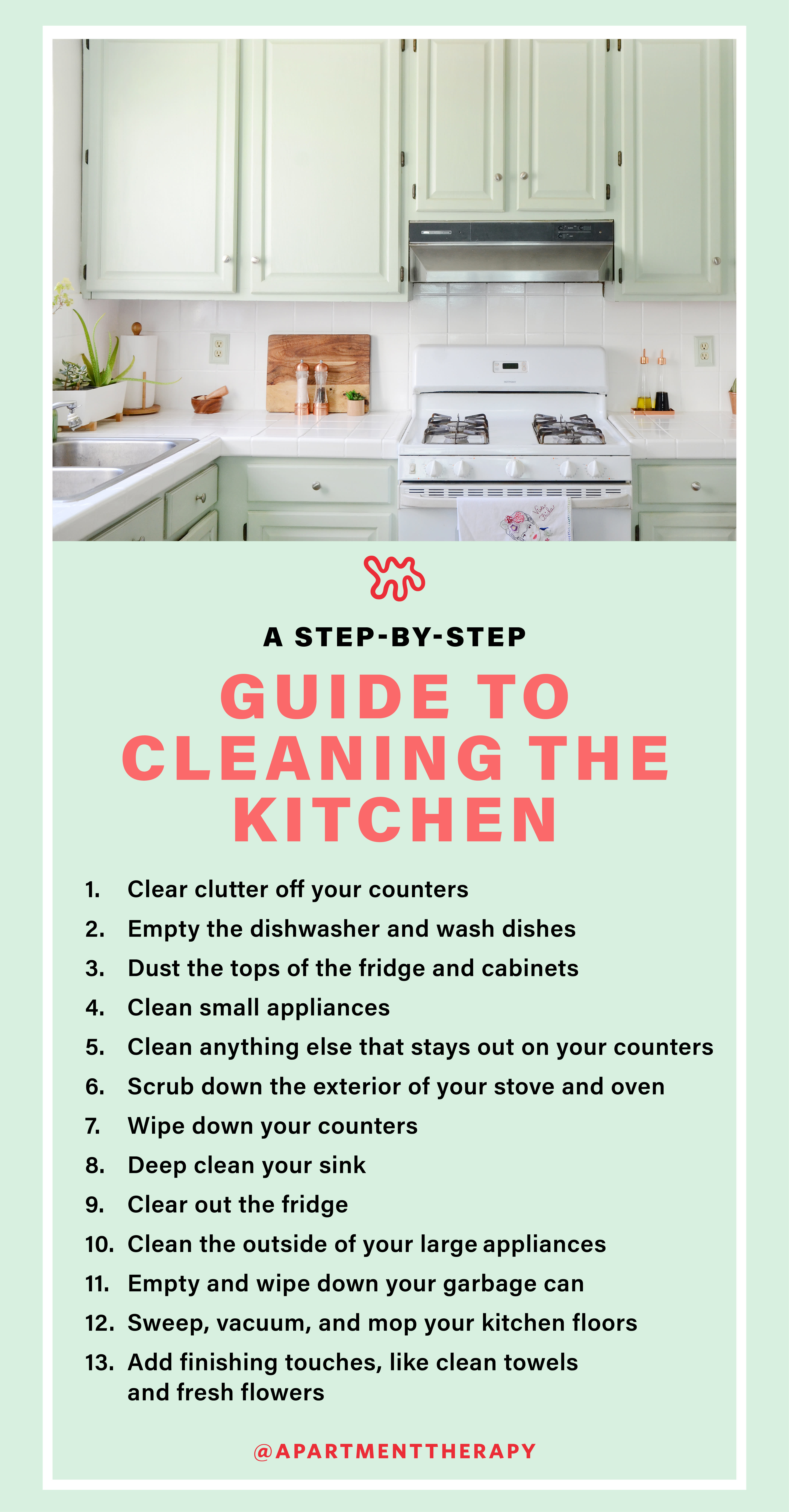
Image Source: cdn.apartmenttherapy.info
Deciphering Your Kitchen Cleaning Frequency
The truth is, there’s no one-size-fits-all answer to how often you should clean your kitchen. It depends heavily on several factors:
- Household Size: A single person living alone will have different cleaning needs than a large family with young children.
- Cooking Habits: Do you cook elaborate meals daily, or are you more of a microwave-and-takeout person? More cooking generally means more cleaning.
- Pet Ownership: Pets can track in dirt and allergens, requiring more frequent cleaning.
- Dietary Needs: Those with compromised immune systems or specific dietary restrictions might need a higher standard of cleanliness.
- Personal Standards: Some people are more sensitive to mess and odors than others.
This guide will help you establish a routine that works best for your lifestyle, ensuring your kitchen is always a safe and welcoming space.
Daily Kitchen Cleaning: The Foundation of Hygiene
Daily kitchen cleaning might seem like a chore, but it’s the most impactful way to prevent grime buildup and maintain a healthy environment. These small, consistent actions prevent bigger problems down the line.
Tasks to do every day:
- Wipe Down Countertops: After preparing food, always wipe down your countertops. Use a damp cloth with a mild all-purpose cleaner or a disinfectant spray. This removes food particles, spills, and potential bacteria.
- Clean the Sink: Wash dishes immediately after meals or load them into the dishwasher. Wipe down the sink basin and faucet. A dirty sink can harbor germs and lead to unpleasant odors.
- Sweep or Vacuum the Floor: Especially in high-traffic areas, sweep or vacuum to pick up crumbs, dust, and other debris. This prevents them from being tracked further into your home.
- Wipe Down the Stovetop: Clean up spills and splatters on the stovetop as soon as it has cooled. This prevents food from burning on and becoming difficult to remove.
- Wash Dishcloths and Sponges: These are major germ carriers. Rinse them thoroughly, wring them out, and hang them to dry. Ideally, replace sponges every week or two.
- Tidy Up: Put away food items, appliances, and utensils after use. A clear counter makes cleaning much easier and the kitchen feel more organized.
These daily habits form the backbone of good kitchen hygiene and make your weekly and deep cleaning sessions much less daunting.
Weekly Kitchen Cleaning: The Essential Tune-Up
Beyond the daily upkeep, a weekly cleaning session addresses areas that accumulate dirt and grease more gradually. This is where you tackle slightly more involved tasks to keep your kitchen sparkling.
Key weekly tasks include:
- Thoroughly Clean the Sink: This goes beyond a quick wipe. Scrub the sink basin with a baking soda paste or a dedicated sink cleaner. Don’t forget the drain and faucet.
- Clean the Microwave: Wipe down the interior and exterior of the microwave. For stubborn food splatters, place a bowl of water with lemon slices inside and heat for a few minutes. The steam will loosen the grime, making it easy to wipe away.
- Wipe Down Appliance Exteriors: Clean the fronts and handles of your refrigerator, oven, dishwasher, and any other appliances. Fingerprints and grease can build up quickly.
- Mop the Floor: Give your kitchen floor a proper mop. Use a floor cleaner appropriate for your flooring type. Pay attention to corners and under cabinet edges.
- Clean Cabinet Fronts: Wipe down the fronts of your kitchen cabinets, especially around handles and knobs where grease and grime tend to accumulate.
- Wipe Down Small Appliances: Clean toasters, coffee makers, blenders, etc., on the outside.
- Change Dish Towels: Swap out your used dish towels for fresh ones.
- Disinfect High-Touch Surfaces: This includes doorknobs, light switches, cabinet pulls, and appliance handles.
Implementing these weekly tasks ensures that your kitchen remains a hygienic and pleasant space, preventing the buildup of dirt and bacteria.
Deep Kitchen Cleaning: The Seasonal Refresh
Deep kitchen cleaning is about tackling those areas that don’t require weekly attention but are essential for maintaining optimal hygiene and functionality. Aim to do a deep clean at least twice a year, or seasonally.
Deep cleaning involves tasks like:
- Refrigerator Cleaning Schedule: This is a critical part of deep cleaning.
- Monthly: Wipe down shelves and drawers to remove spills.
- Quarterly/Bi-Annually: Empty the entire refrigerator. Discard old food. Wash shelves, drawers, and interior walls with a mild soap and water solution. Clean the door seals and wipe down the exterior, including the top and sides. Don’t forget to vacuum or wipe down the condenser coils at the back or bottom – this improves efficiency.
- Oven Cleaning Schedule:
- Weekly: Wipe up spills as they happen.
- Monthly/Quarterly: Clean the oven interior. Many modern ovens have self-cleaning cycles, but some may require manual cleaning with an oven cleaner. Remove oven racks and clean them separately. Clean the oven door glass.
- Dishwasher Cleaning:
- Monthly: Clean the filter at the bottom of the dishwasher. Wipe down the door seal and spray arms.
- Quarterly: Run a cleaning cycle with a dishwasher cleaner or a cup of white vinegar placed on the top rack. This helps remove mineral buildup and deodorize the machine.
- Pantry and Cabinet Deep Clean:
- Empty out your pantry and cabinets.
- Wipe down shelves and the interior of cabinets.
- Check expiration dates on food items and discard anything past its prime.
- Organize items as you put them back.
- Backsplash and Grout Cleaning: Use a specialized cleaner or a paste of baking soda and water to scrub away grease and grime from your backsplash and grout lines.
- Vent Hood and Filter Cleaning: Grease can build up significantly on vent hoods and their filters. Remove and clean filters according to manufacturer instructions (many can be washed in the dishwasher). Wipe down the hood itself.
- Empty and Clean Trash Cans: Wash out your trash and recycling bins with soap and water, or disinfect them with a spray.
- Clean Out the Drains: Pour baking soda followed by vinegar down sink drains, let it fizz, then rinse with hot water. This helps prevent clogs and odors.
- Wash Kitchen Curtains or Blinds: These can accumulate grease and dust.
- Clean Light Fixtures: Dust and grease can dim your kitchen lighting.
A deep kitchen cleaning ensures that every nook and cranny is addressed, contributing significantly to overall kitchen hygiene and a more pleasant cooking and dining experience.
Sink Cleaning Schedule: The Germ Hotspot
Your kitchen sink is arguably the most used surface in your kitchen and a prime area for germ proliferation. A consistent sink cleaning schedule is paramount for good kitchen hygiene.
Daily Sink Care:
- Rinse and Wipe: After each use, rinse the sink basin thoroughly to remove food particles.
- Wipe Down Surfaces: Give the faucet, handles, and sink edges a quick wipe with a damp cloth.
- Don’t Leave Dirty Dishes: Load the dishwasher or wash dishes immediately.
Weekly Sink Scrub:
- Deep Clean the Basin: Use a non-abrasive cleaner or a baking soda paste to scrub the entire sink basin, including around the drain and faucet.
- Clean the Faucet and Handles: Use a disinfectant cleaner to wipe down the faucet, handles, and spray nozzle.
- Address the Drain: Pour a mixture of baking soda and vinegar down the drain, let it fizz for 10-15 minutes, then flush with hot water.
Monthly Sink Maintenance:
- Scrub Grout (if applicable): If you have tile in your sink area, use a grout brush to clean the grout lines.
- Disinfect the Garbage Disposal: Run it with citrus peels or ice cubes and a little dish soap to keep it fresh.
Refrigerator Cleaning Schedule: Preserving Food Safety
A clean refrigerator not only looks better but also helps preserve your food for longer and prevents the spread of bacteria.
Monthly Refrigerator Tidy:
- Quick Wipe-Down: Check for any obvious spills or sticky spots on shelves and drawers. Wipe them up with a damp cloth.
- Discard Expired Items: Quickly scan for any expired or questionable food items and discard them.
Quarterly/Bi-Annual Deep Refrigerator Clean:
- Empty and Sort: Take everything out of the refrigerator. Group similar items together.
- Discard Spoiled Food: Be ruthless. If it looks or smells questionable, toss it.
- Wash Shelves and Drawers: Remove all shelves and drawers. Wash them in the sink with warm, soapy water. For stubborn grime, a solution of equal parts vinegar and water can be effective.
- Clean Interior Walls and Door Seals: Wipe down the interior walls and door seals with a mild detergent or a vinegar-water solution. Pay attention to crevices.
- Wipe Down Exterior: Clean the exterior surfaces, including the top, sides, and door.
- Clean Condenser Coils: For refrigerators with coils at the back or bottom, vacuum or brush away dust. This is crucial for energy efficiency and longevity.
Oven Cleaning Schedule: Tackling Baked-On Messes
Ovens can get quite dirty from splatters and spills, especially if you bake or roast frequently.
Weekly Oven Maintenance:
- Immediate Spill Cleanup: Wipe up any spills or splatters on the oven floor or walls as soon as the oven has cooled. This prevents them from baking on.
Monthly/Quarterly Oven Deep Clean:
- Manual Cleaning: For manual cleaning, use an oven cleaner according to the product instructions. Ensure good ventilation and wear gloves.
- Self-Cleaning Cycle: If your oven has a self-cleaning feature, utilize it. Ensure the oven is empty and follow the manufacturer’s instructions. This cycle essentially incinerates food residue.
- Clean Oven Racks: Remove oven racks and soak them in hot, soapy water or clean them with an oven cleaner in a well-ventilated area.
- Clean Oven Door Glass: Use a glass cleaner or a paste of baking soda and water to clean the inside of the oven door glass.
Countertop Cleaning: Your Food Prep Hub
Countertops are where most of your food preparation happens, making their cleanliness vital for kitchen hygiene.
Daily Countertop Care:
- Wipe Down After Use: Always wipe down your countertops after preparing food, especially after handling raw meats or poultry. Use a clean cloth and a suitable cleaner.
- Sanitize Regularly: If you’ve handled raw meat, sanitize the countertop with a disinfectant spray or bleach solution (1 tablespoon bleach per quart of water) after wiping.
Weekly Countertop Polish:
- Thorough Wipe: Give all countertops a more thorough wipe-down, paying attention to edges and any crevices where crumbs might hide.
- Check for Stains: Address any persistent stains with appropriate cleaners for your countertop material.
Kitchen Maintenance Tips for Ongoing Cleanliness
Beyond scheduled cleaning, these general kitchen maintenance tips will help keep your kitchen in top shape and make cleaning easier:
- Clean as You Go: This is the golden rule of kitchen hygiene. Wash utensils, wipe spills, and put away ingredients as you cook.
- Use a Splatter Guard: When cooking on the stovetop, a splatter guard can significantly reduce the mess on your backsplash and stovetop.
- Proper Food Storage: Store food correctly in airtight containers to prevent spills and odors in the refrigerator and pantry.
- Ventilation is Key: Use your exhaust fan when cooking to remove grease, steam, and odors. This also helps prevent grease buildup on cabinets and surfaces.
- Deal with Spills Immediately: Don’t let spills sit and become hardened, sticky messes.
- Declutter Regularly: A cluttered kitchen is harder to clean. Take a few minutes each day to put things back in their place.
- Keep Cleaning Supplies Handy: Having your essential cleaning supplies within easy reach makes daily tasks much quicker and more likely to happen.
- Use the Right Tools: Invest in good quality cleaning cloths, sponges, brushes, and appropriate cleaning solutions for different surfaces.
- Regularly Check for Pests: Keep your kitchen clean and seal food properly to deter pests like ants and rodents.
- Wash Your Hands: Always wash your hands before and after handling food.
Creating Your Personalized Cleaning Schedule
Here’s a sample schedule you can adapt:
| Task | Frequency |
|---|---|
| Wipe Countertops | Daily |
| Clean Sink | Daily |
| Sweep Floor | Daily |
| Wipe Stovetop | Daily (as needed) |
| Wash Dishcloths/Sponges | Daily |
| Tidy Up | Daily |
| Weekly Tasks | |
| Mop Floor | Weekly |
| Clean Microwave | Weekly |
| Wipe Appliance Exteriors | Weekly |
| Disinfect High-Touch | Weekly |
| Change Dish Towels | Weekly |
| Monthly Tasks | |
| Clean Sink Drain | Monthly |
| Clean Refrigerator Shelves | Monthly |
| Clean Dishwasher Filter | Monthly |
| Seasonal Tasks | |
| Deep Refrigerator Clean | Bi-Annually |
| Deep Oven Clean | Quarterly/Bi-Annually |
| Clean Pantry/Cabinets | Bi-Annually |
| Clean Vent Hood | Bi-Annually |
| Wash Curtains/Blinds | Bi-Annually |
Remember to adjust this based on your specific household and cooking habits. The goal is consistency.
Frequently Asked Questions About Kitchen Cleaning
Q1: How often should I clean my kitchen sink?
A: You should rinse and wipe your sink daily, and give it a thorough scrub weekly. A monthly drain cleaning is also recommended.
Q2: What’s the best way to clean my oven?
A: For a quick clean, wipe up spills immediately. For a deeper clean, use your oven’s self-cleaning function or a commercial oven cleaner, following product instructions. Remember to clean oven racks separately.
Q3: How often do I need to clean my refrigerator?
A: A quick tidy-up and discard of expired food should be done monthly. A full deep clean, including washing shelves and coils, is recommended quarterly or bi-annually.
Q4: Are sponges really that unhygienic?
A: Yes, sponges can harbor a lot of bacteria. It’s best to replace them every 1-2 weeks or disinfect them regularly by microwaving a damp sponge for one minute.
Q5: What are the most important areas to focus on for kitchen hygiene?
A: Key areas include countertops, the sink, the stovetop, the refrigerator, and high-touch surfaces like doorknobs and cabinet handles.
Maintaining a clean kitchen is an ongoing process, but by implementing a consistent routine of daily, weekly, and seasonal cleaning tasks, you can ensure your kitchen remains a healthy, safe, and enjoyable space for you and your family. Happy cleaning!