
Can you decorate a tall living room wall effectively? Yes, you absolutely can! Decorating a tall living room wall is about embracing its height and making a statement. It’s an opportunity to create visual interest and enhance the sense of spaciousness.
A tall living room wall presents a unique decorating challenge and a fantastic opportunity. Often, these walls can feel vast and impersonal, leaving you wondering how to fill the expanse without overwhelming the space. The key is to utilize the verticality to your advantage, drawing the eye upward and creating a focal point. This guide offers expert tips and creative solutions to transform that blank canvas into a stunning feature of your home.
Image Source: images.squarespace-cdn.com
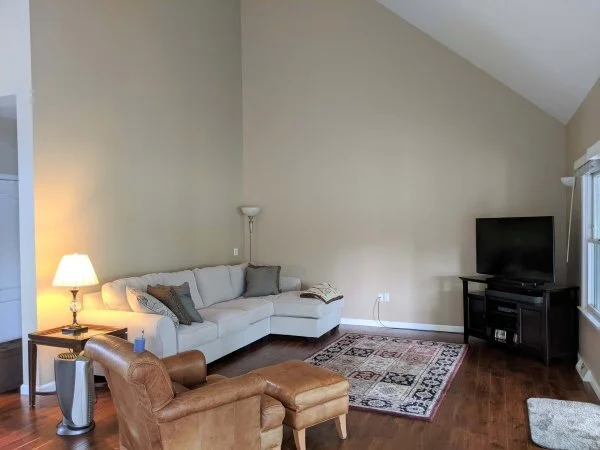
Embracing the Vertical Canvas
When faced with a tall living room wall, think about how you can use its height to your advantage. Instead of trying to fill every inch with items at eye level, consider how to draw the eye up and create a sense of balance. This often involves playing with scale, proportion, and the strategic placement of decor.
Making the Most of High Ceilings
A high ceiling living room often feels grand and airy, but it can also lead to a feeling of emptiness if not decorated thoughtfully. The goal is to bring the focus down to a more human scale while still acknowledging the impressive height.
- Scale is Key: Don’t shy away from large-scale pieces. They are your best friend when decorating a tall wall.
- Layering Elements: Combine different types of decor to create depth and interest.
- Utilize the Full Height: Think about how to use the space from floor to ceiling.
Strategic Tall Wall Art Placement
Tall wall art placement is crucial. Where you hang your art can dramatically change the perception of the wall.
- Eye Level Still Matters (Mostly): While the wall is tall, the primary viewing area for art is still around eye level for the average person. Hang your largest pieces so their center is about 57-60 inches from the floor.
- Vertical Alignment: Consider hanging multiple pieces in a vertical line to emphasize the height of the wall. This creates a strong visual flow.
- Grouping for Impact: Instead of one huge piece, a well-curated gallery wall for a high ceiling can be incredibly effective. Arrange pieces in a balanced, upward-moving pattern.
- Creating Zones: If the wall is very wide, you can create visual “zones” with your art, breaking up the expanse.
Creative Decorating Solutions for Tall Walls
Beyond art, numerous other decor elements can bring life and style to your tall living room walls.
Exploring Vertical Wall Decor Options
Vertical wall decor is designed to enhance the height of a space. These elements naturally draw the eye upward.
- Tall Mirrors: A tall, decorative mirror can reflect light and add a sense of depth, making the room feel larger.
- Hanging Plants: Incorporate hanging plants for tall walls to add life, color, and organic texture. Use macrame hangers or decorative pots suspended from the ceiling or high wall hooks.
- Long Tapestries or Wall Hangings: A floor-to-ceiling tapestry can be a striking statement piece.
- Tall Floor Lamps: Place tall, slender floor lamps near the wall to add ambient light and visual height.
The Power of Large Scale Artwork for Living Rooms
Large scale artwork living room designs are a classic and effective way to tackle tall walls.
- Single Statement Piece: A single, oversized piece of art can become the undisputed focal point of the room, commanding attention and filling the space beautifully.
- Diptyches or Triptychs: Consider artwork that comes in multiple panels. These can be hung vertically to mimic the wall’s height.
- Custom Framing: A bold or ornate frame can further enhance the impact of your artwork.
Ladder Shelves for Tall Walls: Function and Form
Ladder shelves for tall walls offer a blend of storage and display, perfectly suited for vertical spaces.
- Display Books and Collectibles: Use them to showcase books, plants, photos, and decorative objects.
- Staggered Arrangement: Arrange multiple ladder shelves at different heights for a dynamic look.
- Leaning Style: Many ladder shelves are designed to lean against the wall, adding a casual yet stylish element.
Wall Molding for High Ceilings: Adding Architectural Interest
Wall molding for high ceilings adds architectural detail and can make a tall wall feel more grounded and elegant.
- Picture Frame Molding: Create framed panels on the wall with molding. You can leave these empty or place smaller art pieces within them.
- Vertical Stripes: Use molding to create subtle vertical lines that guide the eye upward.
- Wainscoting: Consider extending wainscoting higher than usual or using decorative paneling to break up the large expanse.
Textured Wallpaper for Tall Walls: Bringing Depth and Dimension
Textured wallpaper for tall walls can add significant visual interest and warmth to an otherwise bare surface.
- Subtle Textures: Grasscloth, linen, or embossed wallpapers can add a tactile quality without being overwhelming.
- Bold Patterns: If you’re feeling bold, a large-scale pattern or a mural can create a dramatic statement.
- Vertical Stripes: As with molding, striped wallpaper can enhance the perception of height.
Creating a Balanced Aesthetic
The goal is to create a cohesive and inviting space. Balance is key when decorating such a significant wall.
Balancing Visual Weight
- High Placement, High Impact: Items placed higher on the wall should have visual weight to balance the expanse. Think larger art, substantial shelves, or statement lighting.
- Floor-Level Anchors: Use larger furniture pieces like sofas, consoles, or statement chairs to anchor the bottom of the wall and create a sense of grounding.
- Mid-Height Accents: Consider mid-height elements like console tables with lamps or plants to bridge the gap between floor and ceiling decor.
The Role of Lighting
Lighting can dramatically impact how a tall wall is perceived.
- Uplighting: Wall sconces or strategically placed floor lamps can cast light upwards, highlighting the height and creating a dramatic effect.
- Accent Lighting: Use track lighting or spotlights to draw attention to specific art pieces or decorative elements.
- Layered Lighting: Combine ambient, task, and accent lighting to create depth and mood.
Practical Considerations
Before you start hanging anything, think about the practicalities.
Wall Material and Hanging Methods
- Drywall: Most tall living room walls are drywall. Use appropriate wall anchors for heavier items.
- Plaster: Plaster walls require specialized anchors for secure hanging.
- Heavy Items: For very large or heavy pieces of art or shelving, consider locating wall studs for the most secure mounting.
Tools You Might Need
- Measuring Tape: Essential for proper spacing and alignment.
- Level: To ensure your pieces are hung straight.
- Stud Finder: For secure mounting of heavier items.
- Drill and Drill Bits: For creating pilot holes and inserting anchors.
- Hammer: For tapping in anchors or small nails.
- Picture Hanging Kits: Available in various weight capacities.
Design Inspiration: Putting It All Together
Let’s look at some popular and effective ways to decorate a tall living room wall.
The Statement Gallery Wall
A gallery wall for a high ceiling can be a dynamic way to fill the space.
- Ascending Arrangement: Start with smaller pieces lower down and gradually increase the size or visual impact of pieces as you move higher.
- Mix of Media: Combine photographs, paintings, prints, and even small sculptural elements for variety.
- Consistent Framing: Using a consistent frame style can create a cohesive look, even with a mix of art. Alternatively, embrace a mix of frames for a more eclectic feel.
Table: Gallery Wall Layout Ideas for Tall Walls
| Layout Style | Description | Best For |
|---|---|---|
| Vertical Grid | Art pieces hung in straight vertical and horizontal lines, creating a structured look. | Modern, minimalist, or traditional spaces. |
| Ascending Flow | Pieces arranged in a way that guides the eye upwards, often with larger or more impactful pieces higher up. | Emphasizing the room’s height and creating a sense of dynamism. |
| Clustered Focus | A concentrated grouping of art in a central area, with some smaller pieces extending upwards and outwards. | Creating a strong focal point on a large wall. |
| Asymmetrical Balance | A less formal arrangement that balances visual weight across the wall, even if not perfectly mirrored. | Bohemian, eclectic, or relaxed living spaces. |
The Architectural Accent
Using architectural elements can elevate the entire room.
- Wall Paneling: Shiplap, beadboard, or decorative wood panels can add texture and character. Extending these higher than usual can make a significant impact.
- Built-in Shelving: Custom-built shelves that reach towards the ceiling can provide ample storage and display space, creating a strong architectural feature.
- Faux Beams: Adding faux ceiling beams can give the illusion of more architectural depth and visual interest, complementing the tall walls.
Greenery and Natural Elements
Bringing the outdoors in is always a good idea, especially for large walls.
- Tall Fiddle Leaf Fig or Snake Plant: Place a large potted plant in a decorative planter in a corner.
- Hanging Plant Clusters: As mentioned, use a series of hanging plants for tall walls at varying heights to create a lush, cascading effect.
- Wall-Mounted Planters: Integrate planters directly into your wall design, perhaps within framed sections created by molding.
The Dramatic Mural or Wallpaper
For a truly impactful statement.
- Scenic Murals: A landscape, cityscape, or abstract mural can transform a plain wall into a work of art.
- Textured Wallpaper: As discussed, textured wallpaper for tall walls can add subtle sophistication or bold drama. Consider wallpapers with large-scale floral patterns or geometric designs.
Common Pitfalls to Avoid
Even with the best intentions, it’s easy to make mistakes when decorating tall walls.
The “Too Small” Syndrome
- Problem: Using too many small items that get lost on the vast expanse.
- Solution: Opt for larger pieces or group smaller items together to create a larger visual impact. Think in terms of “zones” rather than individual small decorations scattered randomly.
Forgetting the Verticality
- Problem: Decorating only at eye level and leaving the upper portion of the wall bare and uninspired.
- Solution: Consciously extend your decor upwards. Use tall elements, hang art higher than you might normally, or incorporate ceiling-mounted features.
Lack of Balance
- Problem: The wall feels either too busy or too sparse, without a clear focal point.
- Solution: Step back and assess the visual weight. If it feels heavy on one side, balance it with a larger piece or a cluster of items on the other. If it feels too empty, introduce more substantial elements.
Frequently Asked Questions (FAQ)
Here are some common questions people have about decorating tall living room walls.
Q: How high should I hang my art on a tall wall?
A: The general rule for art placement is to hang it so the center is at eye level, typically around 57-60 inches from the floor. For very tall walls, you can hang pieces slightly higher, or create a vertical arrangement that extends further up. Consider the furniture below; the art should feel connected to it.
Q: What is the best type of art for a tall living room wall?
A: Large scale artwork living room designs often work best. This includes single oversized paintings, large prints, triptychs, or a well-planned gallery wall. The key is to choose pieces that have enough visual presence to fill the space without being overwhelmed by the wall’s height.
Q: Can I use too much decor on a tall wall?
A: Yes, it’s possible to make a tall wall look too cluttered. The trick is to be intentional with your placements and to create balance. Instead of filling every inch, focus on creating a few impactful areas or a cohesive gallery wall.
Q: How do I make a tall living room feel cozier?
A: Tall ceilings can sometimes make a room feel cavernous. To create coziness, use warm lighting, textured elements like rugs and throws, and consider darker or richer wall colors on the tall wall. Artwork and shelving that bring the visual line down can also help.
Q: Are ladder shelves suitable for all styles of decor?
A: Ladder shelves for tall walls can be surprisingly versatile. While often associated with rustic or farmhouse styles, they can also fit into modern or minimalist interiors depending on their design and the items displayed on them.
Q: Should I cover the entire tall wall with decor?
A: Not necessarily. Sometimes, leaving a portion of the wall blank can create a sense of breathing room and make your chosen decor pieces stand out even more. It’s about strategic placement rather than complete coverage.
By thoughtfully considering scale, proportion, and the various decorative elements available, you can transform any tall living room wall into a captivating feature that enhances the beauty and comfort of your home.