
Does your living room feel a bit dim and uninviting? Brightening up your living room is a common goal for many homeowners. The best ways to brighten a living room involve maximizing natural light, strategically using artificial lighting, choosing light colors for your walls and decor, and incorporating mirrors and other reflective surfaces.
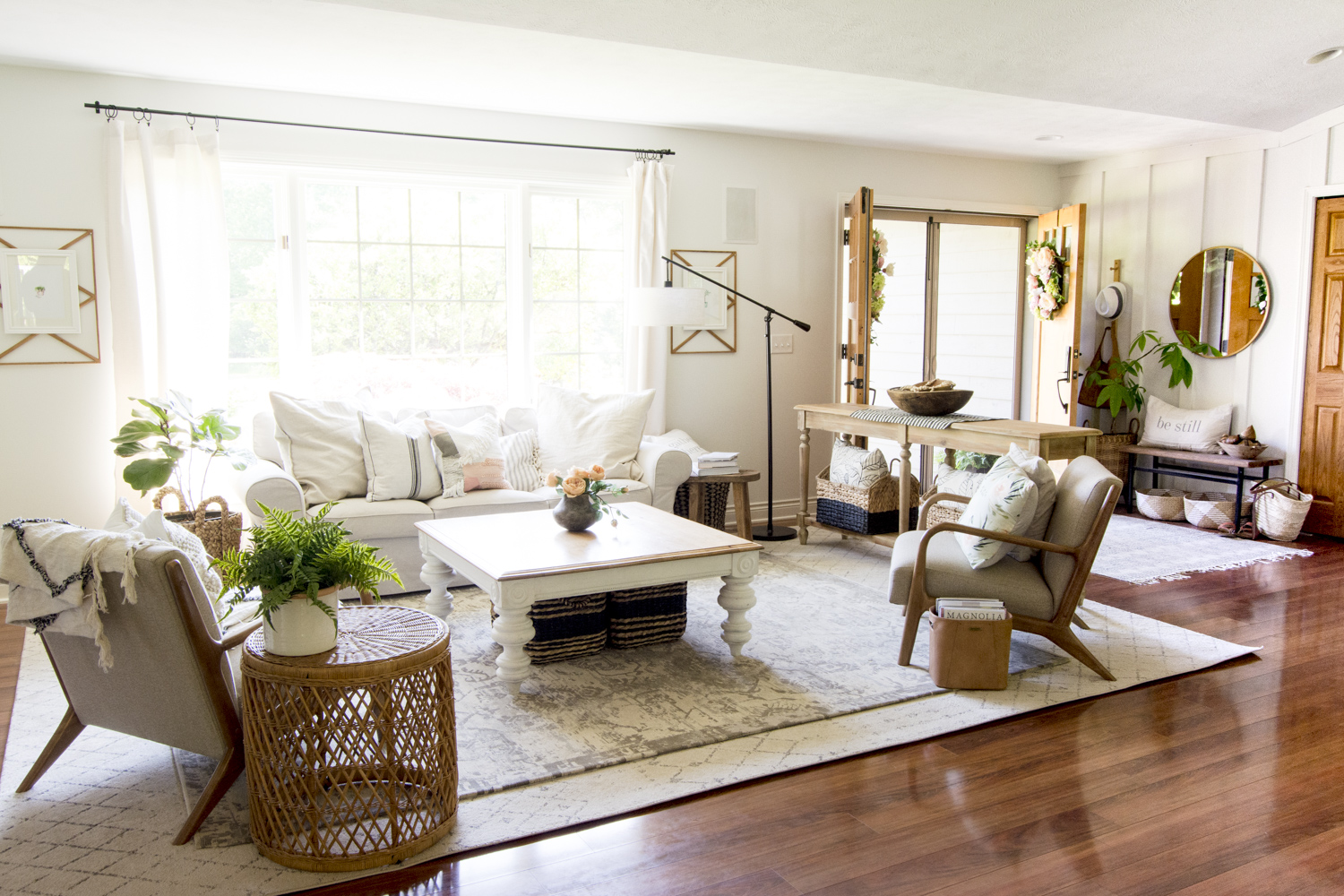
Image Source: blog.froy.com
Maximizing Natural Light
Natural light is the best way to make any room feel cheerful and spacious. It costs nothing and instantly makes your living room feel more alive. How can you get more of it?
Letting the Sunshine In
- Keep Windows Clean: It sounds simple, but clean windows let in significantly more light. Wash your windows regularly, both inside and out. Use a good glass cleaner and a squeegee for a streak-free shine.
- Trim Outdoor Obstructions: Overgrown trees or bushes outside your windows can block precious sunlight. Trim them back, especially during seasons when the sun is lower in the sky.
- Choose Lightweight Curtains: Heavy, dark curtains absorb light. Opt for sheer, light-colored curtains or blinds that can be easily opened to let in the maximum amount of natural light. Consider layering sheer curtains with heavier drapes for privacy when needed.
Curtain Options for Light Maximization
| Curtain Type | Light Filtration | Best For |
|---|---|---|
| Sheer Curtains | High | Maximizing natural light, adding softness |
| Linen Curtains | Medium | Natural look, good light diffusion |
| Light-Colored Drapes | Low to Medium | Privacy, when balanced with sheer curtains |
Window Treatments
- Blinds and Shades: Roman shades or roller blinds in light fabrics can be pulled up completely, allowing unfiltered sunlight. Venetian blinds can be angled to direct light further into the room.
- Avoid Heavy Valances: Valances, especially those made of thick fabric, can cast shadows and block light. If you want a decorative header, opt for something lighter and more streamlined.
Enhancing with Artificial Lighting
While natural light is king, you also need good artificial lighting for evenings and darker days. A layered approach is key to a well-lit and inviting living room.
Layering Your Lights
Think of lighting as layers: ambient, task, and accent.
- Ambient Lighting: This is the general, overall illumination of the room. Ceiling lights, such as flush mounts or chandeliers, provide this.
- Flush Mounts: Good for lower ceilings, they provide even light. Choose frosted glass to diffuse the light and prevent glare.
- Chandeliers: For rooms with higher ceilings, a chandelier can be a beautiful focal point and provide ample light. Opt for designs that don’t cast harsh downward shadows.
- Task Lighting: This is focused light for specific activities like reading or hobbies.
- Floor Lamps: Position them near seating areas for reading. Look for adjustable arms to direct light where you need it.
- Table Lamps: Place them on side tables or console tables to illuminate darker corners.
- Accent Lighting: This highlights specific features, such as artwork or architectural details.
- Wall Sconces: These add a decorative touch and provide soft, upward or downward light.
- Picture Lights: Perfect for illuminating your favorite paintings or photographs.
Lighting Fixture Guide
| Lighting Type | Purpose | Examples |
|---|---|---|
| Ambient | General illumination | Ceiling lights, chandeliers, recessed lighting |
| Task | Focused light for activities | Floor lamps, desk lamps, reading lights |
| Accent | Highlight features | Wall sconces, picture lights, spotlights |
Bulb Brightness and Color Temperature
- Brightness (Lumens): Higher lumens mean a brighter bulb. For living rooms, aim for a softer, warmer glow. You can use dimmer switches to control the intensity.
- Color Temperature (Kelvin):
- Warm White (2700K-3000K): This creates a cozy, inviting atmosphere, similar to incandescent bulbs. It’s ideal for living rooms.
- Cool White (4000K-5000K): This is brighter and more energizing, often used in kitchens or offices. It can make a living room feel sterile if overused.
- Daylight (5000K+): Mimics natural daylight but can be too harsh for a living room.
Smart Lighting Solutions
Consider smart bulbs that allow you to change color temperature and brightness via an app or voice command. This offers incredible flexibility in setting the mood.
The Power of Light Colors
Light colors are fundamental to creating a bright and airy feel in your living room. They bounce light around, making the space feel larger and more open.
Wall Color Choices
- Whites: Pure white can be stark. Opt for warmer whites with undertones of cream, yellow, or beige. These create a soft, inviting glow.
- Off-Whites and Creams: These are excellent choices for a subtle, warm brightness. They are versatile and pair well with many decor styles.
- Light Grays: Cool grays can work, but ensure they have warm undertones to avoid a drab feel. Light, warm grays can be very sophisticated and bright.
- Pastels: Soft blues, greens, or pinks can add a touch of color while maintaining brightness. These shades reflect light well.
Popular Light Wall Colors for Bright Living Rooms
| Color Family | Specific Shades | Effect |
|---|---|---|
| Whites | Alabaster, Vanilla, Creamy White | Soft, airy, spacious |
| Neutrals | Pale Beige, Light Taupe, Soft Greige | Warm, inviting, sophisticated |
| Pastels | Sky Blue, Mint Green, Blush Pink | Cheerful, serene, adds subtle color |
Ceiling Color
Don’t forget the ceiling! Painting it a crisp white or a very light shade of your wall color will make the room feel taller and brighter.
Furniture and Decor Colors
Extend the use of light colors to your furniture, rugs, and decor items.
- Upholstery: Light-colored sofas and chairs (beige, cream, light gray) will instantly brighten the room.
- Rugs: A light-colored rug can ground the space and reflect light.
- Accents: Use lighter shades for throw pillows, blankets, and smaller decorative items.
Leveraging Mirrors and Reflective Surfaces
Mirrors are magic for brightening any space. They reflect light and create the illusion of more space.
Strategic Mirror Placement
- Opposite a Window: This is the golden rule. Place a mirror directly opposite a window to bounce natural light back into the room.
- Near a Light Source: Position a mirror near a lamp or in a darker corner to amplify the artificial lighting.
- As a Focal Point: A large statement mirror can be a beautiful design element and a light-boosting tool.
Mirror Ideas for a Brighter Living Room
- Large Wall Mirror: A single, oversized mirror can dramatically increase light.
- Gallery Wall with Mirrors: Mix framed mirrors with artwork for visual interest and diffused light reflection.
- Mirrored Furniture: A mirrored coffee table or side table can add sparkle and reflectivity.
- Mirrored Accents: Small mirrored trays, vases, or decorative objects can catch and scatter light.
Other Reflective Surfaces
Beyond mirrors, consider other materials that reflect light:
- Glass: Glass tabletops, shelves, or even glass-front cabinets can help bounce light around.
- Metallic Finishes: Furniture legs, lamps, picture frames, and decor items with metallic finishes (polished nickel, chrome, brass) reflect light beautifully.
- Glossy Paint: While often used for trim, a satin or semi-gloss paint finish on walls can add a subtle sheen and reflectivity.
The Impact of Decluttering
A cluttered room feels smaller, darker, and more chaotic. Decluttering is a crucial step in brightening your living room.
Clearing the Visual Clutter
- Minimize Knick-Knacks: Too many small items can make surfaces look busy and absorb light. Group similar items together or choose a few statement pieces.
- Organize Storage: Use attractive baskets, boxes, or furniture with built-in storage to hide clutter.
- Clear Surfaces: Keep coffee tables, side tables, and shelves as clear as possible.
- Manage Cords: Tangled cords from electronics can create visual noise. Use cord organizers or channels to keep them tidy.
Seasonal Decluttering
Make decluttering a regular habit. Go through your belongings seasonally to donate, discard, or organize. A clean, organized space naturally feels brighter and more welcoming.
Adding Artwork and Plants
Artwork and plants can add personality and vibrancy, but their placement and style matter for brightness.
Artwork for Brightness
- Lighter Frames: Opt for frames in white, light wood, silver, or gold. Dark or heavy frames can absorb light.
- Lighter Subject Matter: Paintings or photographs with lighter color palettes can contribute to the overall brightness.
- Placement: Hang artwork at eye level. Consider placing a mirror or light-colored artwork on a wall opposite a window.
The Cheer of Plants
- Leaf Color: Plants with lighter green or variegated leaves tend to brighten a space more than dark, dense foliage.
- Pot Color: Use pots in white, cream, or light-colored ceramics.
- Placement: Place plants near windows where they can receive light and also help diffuse incoming natural light. A tall plant in a corner can add height and life without blocking light.
Decor and Finishing Touches
The right decor can tie everything together and enhance the bright feel.
Textures and Finishes
- Matte vs. Shine: While glossy finishes reflect light, a variety of textures can add depth without feeling overwhelming. Mix matte finishes with subtle sheens.
- Fabrics: Consider lighter weight fabrics for throws, pillows, and upholstery.
Color Palette Consistency
Maintain a consistent palette of light colors throughout your decor. This creates a cohesive and expansive feel.
Frequently Asked Questions (FAQ)
Q1: Can I paint my living room black to make it look modern?
While black can be stylish, it absorbs light and will make your living room appear much darker. If you love dark colors, use them as accents rather than for the main wall color. Consider deep blues, forest greens, or charcoal grays in moderation with plenty of light colors and artificial lighting to balance them.
Q2: What is the best wall color to make a living room brighter?
Whites, off-whites, creams, and very light pastels are generally the best wall color choices for brightening a living room. They reflect the most light, making the space feel more open and airy.
Q3: How can I brighten a small living room?
To brighten a small living room, focus on maximizing natural light, using light colors on walls and furniture, strategically placing mirrors to reflect light, and opting for artificial lighting that is layered and diffused. Decluttering is also incredibly important in small spaces.
Q4: Do mirrors actually make a room look bigger?
Yes, mirrors create the illusion of depth and space by reflecting the room and the light within it. This can make a living room feel significantly larger and more open.
Q5: How much artificial lighting do I need in my living room?
The amount of artificial lighting needed depends on the size of your room, the amount of natural light it receives, and how you use the space. A good rule of thumb is to have at least three sources of light: ambient (general), task (for specific activities), and accent (to highlight features). Using dimmer switches allows for flexibility.
Q6: Can plants make a room darker?
While plants themselves don’t block light, very large or dense plants can cast shadows. Choose plants with lighter foliage and place them strategically, ideally near windows or in corners where they can add life without diminishing the light.
Q7: What does decluttering have to do with brightness?
Decluttering removes visual “noise” and physical objects that can absorb or block light. A tidy, organized space allows light to travel more freely, making the room feel more open, airy, and consequently, brighter.
By implementing these tips, you can transform your living room into a brighter, more welcoming, and visually appealing space. Remember that a combination of strategies – from maximizing natural light to carefully selecting decor and artificial lighting – will yield the best results.