
Does your kitchen hood seem less effective than it used to be? Is there a greasy film on surfaces around your stove that’s hard to wipe away? You’re likely dealing with clogged kitchen hood vents. But don’t worry! Cleaning your kitchen hood vents is something you can definitely do yourself.
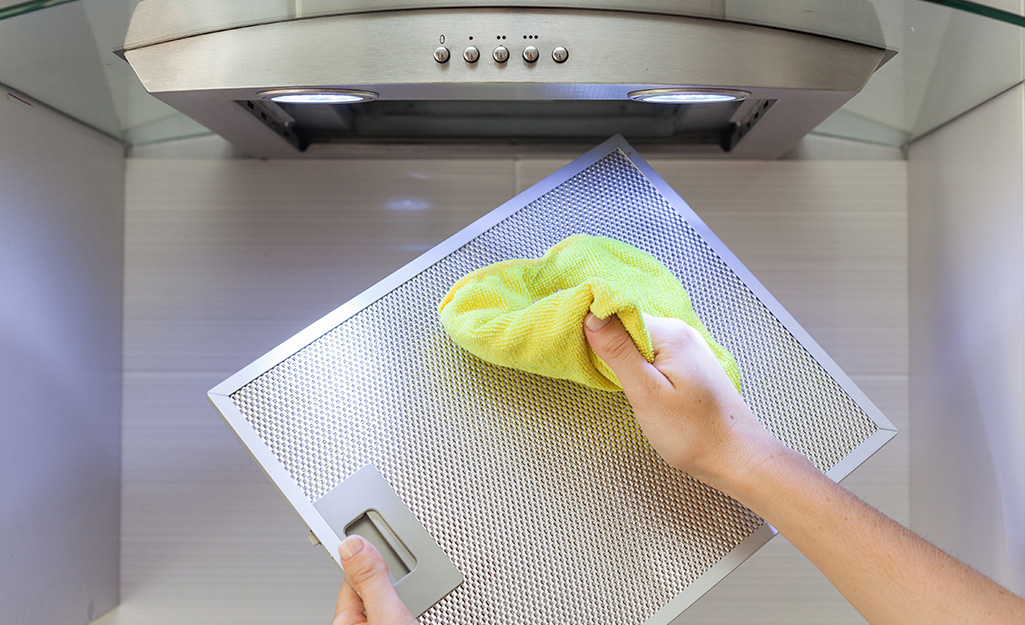
Image Source: contentgrid.homedepot-static.com
Why Regular Cleaning Matters
Your kitchen exhaust vent is a crucial part of your kitchen’s ventilation system. It removes smoke, steam, grease, and cooking odors from the air. Over time, grease and grime build up inside the vents, on the filters, and on the hood itself. This buildup isn’t just unsightly; it can actually be a fire hazard. Grease is flammable, and a thick layer of it in your vents means a small kitchen fire could quickly spread. Regular cleaning also improves air quality in your home, making your kitchen a more pleasant place to cook and spend time.
What Exactly Needs Cleaning?
When we talk about cleaning your kitchen hood, we’re usually referring to a few key components:
- The Hood Itself: The exterior and interior surfaces of the actual hood unit above your stove.
- The Filters: These are typically metal mesh or baffle filters designed to trap grease particles before they enter the ductwork. How to clean range hood filter is a common question, and it’s the most crucial part of the process.
- The Fan/Blower: Located inside the hood, this part pulls air through the filters and expels it outside.
- The Ductwork: The metal tube that carries the air from the hood to the outside of your house. While deep duct cleaning is often a professional job, regular cleaning of the accessible parts is vital.
Your Step-by-Step Guide to DIY Kitchen Hood Cleaning
This guide will walk you through the most effective ways to clean your kitchen hood and its components. We’ll cover both the exterior and the interior, focusing on how to degrease your kitchen hood efficiently.
Step 1: Safety First!
Before you start any cleaning, make sure the hood is turned off and unplugged if it has an electrical connection. For most built-in hoods, simply flipping the breaker is the safest approach. Gather your supplies:
- Rubber gloves
- Safety glasses
- Old towels or newspaper to protect your stovetop and surrounding areas
- Degreaser (we’ll discuss options below)
- Hot water
- Dish soap
- Baking soda
- White vinegar
- Old toothbrushes or small scrub brushes
- Screwdriver (if needed to remove filters or parts)
- Clean cloths or microfiber towels
- A large basin or sink for soaking filters
Step 2: Cleaning the Hood Exterior
This is the most visible part of your kitchen hood. How to remove grease from hood exteriors can be simple with the right approach.
h4: Cleaning Stainless Steel Hoods
Most modern kitchen hoods are stainless steel.
- For light grease and smudges: Mix equal parts warm water and white vinegar in a spray bottle. Spray the surface, let it sit for a minute, then wipe with a clean, soft cloth. For streaks, wipe in the direction of the grain.
- For heavier grease: Use a degreasing dish soap mixed with warm water. Apply with a soft cloth or sponge, scrub gently, and rinse with a damp cloth. Dry thoroughly with a clean towel to prevent water spots.
- Specialized stainless steel cleaners are also available and can be very effective for shining and protecting the surface. Always test in an inconspicuous area first.
h4: Cleaning Painted or Other Material Hoods
Check your manufacturer’s instructions. Generally, a mild detergent and warm water are safe. Avoid abrasive cleaners or scrub pads, as they can scratch the finish.
Step 3: Tackling the Kitchen Hood Filters – The Core of the Problem
This is where most of the grease accumulates. How to clean range hood filter is key to effective ventilation. Most filters can be removed for thorough cleaning.
h5: Removing the Filters
Most filters slide or clip into place. You may need to gently pull down on a tab or unscrew a small knob. Refer to your hood’s manual if you’re unsure.
h5: Cleaning Metal Mesh or Baffle Filters
These are designed to trap grease and are often washable.
Method 1: Dishwasher Power (Check First!)
- Can I put my range hood filters in the dishwasher? Many metal filters can, but always check your manual first. Some older or coated filters might be damaged by dishwasher detergents or high heat.
- If they are dishwasher-safe, place them on the top rack and run a hot cycle with your regular detergent. For heavily soiled filters, a pre-soak or a separate wash might be necessary.
Method 2: The Soak and Scrub (Most Effective for Stubborn Grease)
This is often the best way to clean range hood hood. It’s a form of DIY kitchen hood cleaning that yields great results.
- Prepare your cleaning solution:
- Fill your sink or a large basin with the hottest water you can safely handle.
- Add a generous amount of a good degreasing dish soap (like Dawn).
- For extra degreasing power, you can add about 1/2 cup of baking soda to the hot water and soap mixture. Baking soda is a fantastic natural degreaser.
- Soak the filters: Submerge the filters completely in the hot, soapy water. Let them soak for at least 15-30 minutes. For very greasy filters, you might need to soak them for an hour or even longer, or repeat the process.
- Scrub away the grease:
- After soaking, use a soft brush or an old toothbrush to scrub away any remaining grease. Pay attention to the nooks and crannies.
- You might find that the grease starts to loosen and float away on its own.
- Rinse thoroughly: Rinse the filters with clean hot water. Ensure all soap residue is gone.
- Dry completely: This is important! You can let them air dry on a rack or pat them dry with a clean towel. Make sure they are completely dry before putting them back in the hood.
Method 3: Natural Ways to Clean Hood Filters
For those who prefer natural ways to clean hood components:
- Baking Soda and Vinegar Paste: Make a paste of baking soda and a little water. Apply it to the greasy areas, let it sit for 15 minutes, then scrub with a brush and hot water. The vinegar can be used as a rinsing agent for an extra degreasing boost.
- Boiling with Baking Soda: For extremely stubborn grease, you can boil the filters in a large pot of water with a generous amount of baking soda. This can be a bit messy and requires careful handling, but it’s very effective.
Step 4: Cleaning the Interior of the Hood and Fan Blades
While the filters are out, it’s a good time to clean the inside of the hood.
- Remove loose debris: Wipe away any visible loose grease or debris with a damp cloth.
- Degrease the interior: Use a degreasing spray or your hot, soapy water mixture. Spray onto a cloth, not directly onto electrical components or the fan motor if possible. Wipe down the inside surfaces.
- Fan Blades: If your fan blades are accessible and not too greasy, you can try to gently wipe them with a damp cloth. Be careful not to bend them or damage the motor. For heavily soiled blades, you might need to use a degreasing spray on a cloth and carefully wipe them down. Avoid spraying liquids directly onto the motor.
Step 5: Dealing with Ductwork (Accessible Areas)
Kitchen exhaust vent cleaning also includes the accessible parts of the ductwork connected to the hood.
- Access points: Some hoods have access panels or removable sections of ducting. If yours does, you can try to clean these areas.
- Wipe down: Use a degreaser on a cloth to wipe down any accessible parts of the metal ductwork inside the hood unit.
- Professional cleaning: For the deeper ductwork, especially if you notice a significant buildup or a lingering odor, it’s best to call a professional commercial kitchen hood cleaning service or a specialized HVAC technician. They have the tools and expertise to safely clean the entire length of the duct.
Step 6: Reassembly
Once everything is clean and dry, reassemble your hood.
- Ensure filters are completely dry.
- Carefully slide or clip the filters back into place.
- If you removed any other panels or parts, put them back securely.
Step 7: Final Wipe Down
Give the exterior of the hood a final wipe with a clean cloth, perhaps with a bit of stainless steel polish if desired, to restore its shine.
Choosing the Right Degreaser
The effectiveness of your cleaning depends heavily on your choice of degreaser.
h4: Commercial Degreasers
These are specifically formulated to break down grease and grime. They can be very powerful but sometimes contain harsh chemicals. Always follow the product instructions and ensure good ventilation when using them.
h4: Dish Soap
As mentioned, a good quality degreasing dish soap is incredibly effective for most grease buildup. It’s readily available and less harsh than many commercial degreasers.
h4: Baking Soda
This is a natural abrasive and a fantastic alkali that helps to lift and neutralize grease. It’s safe and environmentally friendly.
h4: White Vinegar
Vinegar is acidic and can help cut through grease and also acts as a disinfectant and deodorizer. It’s a great natural cleaner.
h4: Lemon Juice
Similar to vinegar, the acidity of lemon juice can help break down grease. It also leaves a pleasant fresh scent.
When to Consider Kitchen Vent Filter Replacement
Even with regular cleaning, filters can degrade over time or become too damaged to be effective. If your filters are:
- Severely bent or warped.
- Rusting significantly.
- Have holes or tears.
- Seem ineffective at trapping grease even after cleaning.
Then it’s time for kitchen vent filter replacement. New filters can often be purchased from the manufacturer of your hood or from specialized appliance parts retailers. Ensure you get the correct size and type for your specific model.
Addressing Stubborn Grease
Sometimes, grease can build up to a point where it’s caked on and very difficult to remove. This is where you might need to step up your approach for clean greasy vent hood scenarios.
h4: The Boiling Method Revisited
For metal filters, boiling them in a large pot of water with baking soda or a strong degreasing dish soap can work wonders. You might need to do this in batches if your filters are large.
h4: Using a Steamer
A handheld steam cleaner can also be very effective at loosening tough, baked-on grease, especially on the hood’s interior surfaces. The hot steam helps to soften the grease, making it easier to wipe away.
h4: Baking Soda Paste for Caked-On Grease
For particularly stubborn spots on the hood’s interior or exterior, create a thick paste of baking soda and water. Apply it directly to the grease, let it sit for 30 minutes to an hour, then gently scrub with a non-abrasive sponge or cloth. Rinse and dry thoroughly.
Commercial Kitchen Hood Cleaning vs. DIY
While this guide focuses on home kitchens, it’s important to note the difference in scale for commercial kitchen hood cleaning. Restaurants and food service establishments have much higher demands on their ventilation systems, and grease buildup can be far more significant and hazardous. Commercial hood cleaning is a specialized service that involves deep cleaning of filters, hoods, fans, and the entire duct system, often using high-pressure steam or chemical cleaners, and adhering to strict fire safety regulations.
For a home kitchen, a thorough DIY cleaning every few months is usually sufficient. However, if you suspect significant buildup in your ductwork or if you’re not comfortable performing the cleaning yourself, hiring a professional for your home’s kitchen exhaust vent cleaning is a wise investment in safety and air quality.
Frequently Asked Questions (FAQ)
Q1: How often should I clean my kitchen hood filters?
It’s recommended to clean your kitchen hood filters at least once a month for active cooks, or every two to three months for light users. This helps maintain efficiency and prevent fire hazards.
Q2: Can I clean my range hood with oven cleaner?
While oven cleaner is a powerful degreaser, it can be too harsh for the surfaces of your range hood, especially stainless steel. It can dull the finish or even cause damage. It’s best to stick to dish soap, baking soda, vinegar, or specialized hood cleaners.
Q3: My hood smells musty. What can I do?
A musty smell often indicates stagnant moisture or mold, which can occur if grease and steam aren’t properly vented. Ensure your filters are clean and that your ductwork is clear. You can also try wiping down the interior of the hood with a solution of equal parts water and white vinegar, which has mild disinfectant properties. If the smell persists, it might indicate a deeper issue with the ventilation system.
Q4: What is the best way to clean a greasy vent hood?
The best way to clean range hood grease is a combination of regular filter cleaning and interior wiping using a strong degreasing dish soap or a baking soda and water paste, followed by thorough rinsing and drying. For very old, baked-on grease, a bit of patience with soaking and gentle scrubbing is key.
Q5: Do I need to clean the fan itself?
Yes, if you can access it safely. Grease buildup on the fan blades reduces efficiency and can be a fire hazard. Wipe them gently with a degreaser on a cloth, being careful not to spray liquid directly onto the motor.
By following these detailed steps, you can effectively clean your kitchen hood vents and degrease your kitchen hood, ensuring a safer, cleaner, and more efficient cooking environment. Happy cleaning!