
What is the best way to brighten up a living room? The best way to brighten up a living room is by maximizing natural light, strategically using artificial lighting, choosing light paint colors, incorporating decorative accents and mirrors, and ensuring good furniture arrangement.
A dull living room can make your entire home feel less inviting. Do you want a space that feels airy, cheerful, and full of life? Brightening up your living room is simpler than you think. It’s about making smart choices that maximize light and create a welcoming atmosphere. This post will walk you through five effective, easy-to-follow tips to transform your living space.
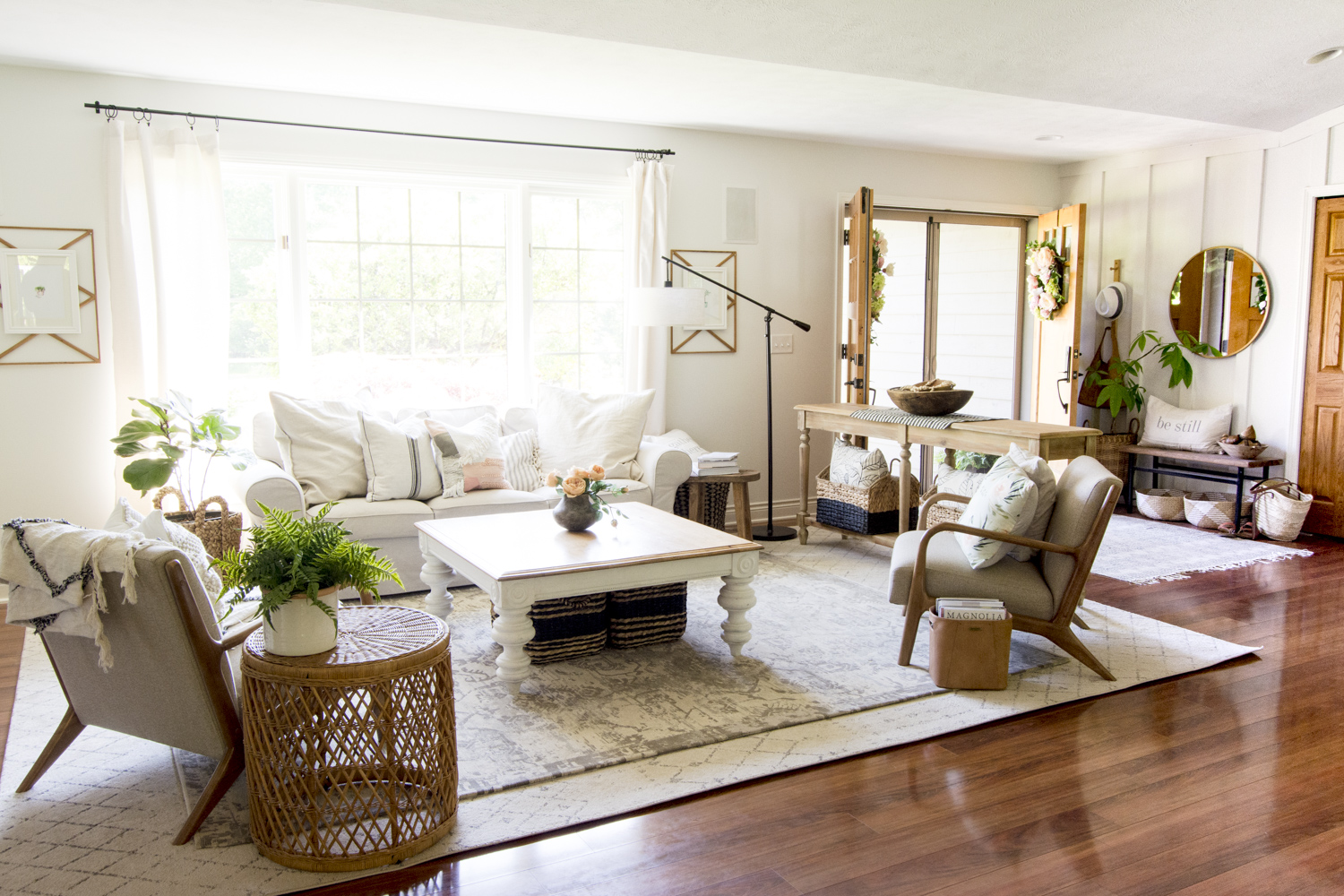
Image Source: blog.froy.com
1. Harness the Power of Natural Light
Natural light is a game-changer for any room. It makes spaces feel larger, more open, and more alive. It’s also great for your mood! Let’s look at how to let more of it in.
Maximizing Window Potential
Your windows are your primary source of natural light. Keeping them clear and unobstructed is key.
- Clean Your Windows Regularly: It sounds simple, but dirty windows block a surprising amount of light. Wash both the inside and outside of your windows regularly.
- Trim Outside Obstructions: If trees or bushes are growing too close to your windows, trim them back. This allows more sunlight to reach your living room.
- Choose the Right Window Treatments: Heavy, dark curtains can absorb light. Opt for light filtering curtains or blinds that can be easily opened to let in the maximum amount of sunshine. Sheer fabrics, linen, or light-colored cotton are excellent choices. Avoid heavy velvets or dark, opaque materials if light is your main goal.
Light Filtering Curtains: A Delicate Touch
Light filtering curtains are specifically designed to soften harsh sunlight while still allowing a good amount of light to pass through. This creates a beautiful, diffused glow in your living room, preventing glare and making the space feel even more serene.
- Fabric Choice: Look for fabrics like sheer linen, cotton voile, or polyester blends that are lightweight.
- Color: Stick to whites, creams, pale blues, or soft yellows. These colors reflect light rather than absorbing it.
- Layering: For more flexibility, consider layering sheer curtains with a set of blackout blinds or drapes that you can close at night or when you need privacy. This way, you get the best of both worlds – abundant light during the day and darkness when needed.
2. Smart Artificial Lighting Strategies
While natural light is best, artificial lighting plays a crucial role, especially during evenings or on gloomy days. The right lighting can mimic natural light and create a warm, inviting ambiance.
Layering Your Lights
Don’t rely on a single overhead light. Layering different types of lighting creates depth and allows you to adjust the mood.
- Ambient Lighting: This is the general, overall illumination of the room. Think ceiling fixtures, recessed lighting, or even stylish floor lamps.
- Task Lighting: This is focused light for specific activities like reading or crafting. Table lamps beside a sofa or floor lamps near an armchair are perfect for this.
- Accent Lighting: This is used to highlight specific features in your living room, such as artwork, plants, or architectural details. Spotlights or picture lights work well here.
Choosing the Right Bulbs
The type of light bulb you use significantly impacts the room’s brightness and feel.
-
Color Temperature:
- Warm White (2700K-3000K): This is similar to incandescent bulbs and creates a cozy, inviting atmosphere. It’s great for living rooms where relaxation is key.
- Cool White (3500K-4100K): This is brighter and more neutral, good for spaces where you need more clarity.
- Daylight (5000K-6500K): This mimics natural daylight and can make a room feel very bright and energizing. For a living room, using daylight bulbs in areas where you do more active tasks, like reading, can be beneficial. However, use them sparingly as they can feel too stark if used everywhere.
-
Brightness (Lumens): Choose bulbs with enough lumens to adequately light your space. You can always dim them if they’re too bright. LED bulbs are energy-efficient and come in various brightness levels.
Strategic Placement of Lamps
Think about where you spend most of your time in the living room. Place lamps in these areas to ensure sufficient light.
- Corner Lamps: Floor lamps in corners can fill dark spaces and make the room feel more balanced.
- Table Lamps: Place them on side tables next to sofas and chairs for reading or general illumination.
- Wall Sconces: These can add decorative light and free up surface space.
Dimmers: The Ultimate Control
Install dimmer switches on your main light sources. This allows you to adjust the brightness according to the time of day or your mood, giving you complete control over the ambiance.
3. The Impact of Paint Colors
Paint colors have a profound effect on how bright and spacious a room feels. Lighter colors reflect light, making the room appear larger and more open.
Light and Reflective Hues
- Whites: Crisp whites can make a room feel incredibly bright and clean. Different shades of white offer subtle variations:
- Pure White: Stark and bright.
- Off-White/Cream: Warmer and softer, less stark.
- Cool Whites (with blue undertones): Can make a room feel airy and spacious, especially in rooms with limited natural light.
- Pastels: Soft blues, greens, lavenders, and pale yellows are excellent choices. They add a touch of color without darkening the space.
- Light Grays: Soft, light grays can be sophisticated and airy. Avoid dark grays, which can absorb light.
- Beige and Tan: Warm neutrals that reflect light well and create a cozy feel.
The Power of Sheen
The finish of your paint also affects light reflection.
- Matte/Flat: Absorbs light, good for hiding imperfections, but doesn’t add brightness.
- Eggshell/Satin: Offers a slight sheen that reflects light gently, a good balance for living rooms.
- Semi-Gloss/Gloss: Highly reflective, bounces light around the room. Best used for trim or accents, as too much can be overwhelming.
Considering an Accent Wall
An accent wall can add depth and interest without making the room feel smaller.
- Light Accent: Choose a slightly brighter or more saturated shade of your base color for the accent wall. This can draw the eye and add a focal point.
- Placement: The wall that receives the most natural light is often a good candidate for an accent color, as it will appear brighter.
Table: Paint Color Impact on Brightness
| Color Category | Light Reflection | Best Use for Brightness |
|---|---|---|
| Whites | High | All walls |
| Pastels | Medium-High | All walls, accent walls |
| Light Grays | Medium-High | All walls, accent walls |
| Beiges/Tans | Medium-High | All walls |
| Dark Colors | Low | Avoid for general use |
4. Incorporating Mirrors and Decorative Accents
Mirrors are magical for brightening a room. They bounce light around, creating the illusion of more space and light. Decorative accents add personality and can also contribute to the overall brightness.
The Art of Mirror Placement
- Opposite Windows: Placing a mirror directly opposite a window is one of the most effective ways to double the amount of natural light in the room. It reflects the light back into the space.
- Near Light Sources: Position mirrors near artificial light sources like lamps or sconces to amplify their glow.
- Large Mirrors: A large floor mirror or a wall of smaller mirrors can significantly impact the room’s brightness.
- Mirrored Furniture: Mirrored coffee tables or side tables can add a touch of glamour and reflect light subtly.
Reflective Decorative Accents
Beyond mirrors, other decorative items can help reflect light.
- Metallic Finishes: Lamps with metallic bases (chrome, brass, silver), decorative trays, picture frames, or vases in metallic finishes will catch and reflect light.
- Glass Elements: Glass vases, tabletops, or decorative glass objects can also contribute to the room’s luminosity.
- Light-Colored Artwork: Choose artwork with lighter color palettes. Framed prints with light mats and metallic or light-colored frames can also help.
The Role of Accessories
Think about the color and texture of your accessories.
- Light-Colored Throw Pillows and Blankets: Swap out dark, heavy textiles for lighter, brighter options in fabrics like cotton, linen, or faux fur in shades of white, cream, pastels, or light neutrals.
- Vases and Bowls: Use light-colored ceramic, glass, or metallic vases and bowls.
5. Furniture Arrangement and Decluttering
How you arrange your furniture and the overall tidiness of your space can dramatically affect its perceived brightness. Decluttering is the first step to making any room feel more open and airy.
Decluttering for Light and Space
A cluttered room feels heavy and dim, no matter how much light you have.
- Clear Surfaces: Keep coffee tables, side tables, and shelves as clear as possible. Too many objects can block light and make the room feel smaller.
- Organize Storage: Use attractive storage solutions like baskets, decorative boxes, or furniture with built-in storage to hide clutter.
- Minimize Large, Dark Furniture: If possible, opt for furniture with lighter upholstery or designs that don’t feel too heavy. If you have large, dark pieces, consider balancing them with lighter elements elsewhere in the room.
Strategic Furniture Arrangement
The placement of your furniture can either enhance or hinder the flow of light.
- Avoid Blocking Windows: Position sofas and chairs so they don’t obstruct windows or the primary paths of natural light.
- Create Open Pathways: Ensure there are clear, unobstructed pathways between furniture pieces. This allows light to travel freely through the room.
- Floating Furniture: Instead of pushing all furniture against the walls, try pulling some pieces slightly away from the walls. This can create a sense of space and allow light to circulate more freely.
- Consider Scale: Oversized furniture can make a room feel cramped and dim. Choose furniture that is proportionate to the size of your living room.
The Benefit of Plants
Plants can add life and color to a room, and some varieties can even help improve air quality.
- Light-Tolerant Plants: Choose plants that thrive in lower light conditions if your living room doesn’t get a lot of sun. Snake plants, ZZ plants, and pothos are good options.
- Placement: Place plants on shelves, side tables, or in corners to add a touch of green without obstructing light. Light-colored pots can also help reflect light.
Table: Decluttering Checklist for a Brighter Room
| Area | Action Items | Impact on Brightness |
|---|---|---|
| Coffee Table | Remove excess magazines, coasters, decor items. | Allows more light to reach the floor. |
| Side Tables | Clear off mail, remotes, clutter. Use decorative trays. | Creates visual openness, reflects light better. |
| Shelves/Bookcases | Tidy books, remove knick-knacks, use lighter decor. | Prevents shadow-casting, more light diffusion. |
| Floors | Keep clear of items, use lighter rugs if possible. | Allows light reflection from the floor surface. |
| General | Organize items in storage bins or decorative boxes. | Reduces visual noise, making space feel more open. |
By implementing these five easy tips, you can transform your living room into a brighter, more inviting, and uplifting space. Remember, it’s about making conscious choices that maximize light and create a positive atmosphere.
Frequently Asked Questions (FAQ)
Q1: What are the best colors to paint a living room to make it brighter?
A1: Light and reflective colors are best. Think whites, off-whites, creams, pale blues, soft greens, light grays, and warm neutrals like beige and tan. These colors reflect more light, making the room feel more open and airy.
Q2: How can I increase natural light in my living room without changing the windows?
A2: You can increase natural light by cleaning your windows regularly, trimming any outdoor foliage blocking sunlight, using light filtering curtains or sheer blinds, and strategically placing mirrors opposite windows or light sources.
Q3: What kind of artificial lighting is best for a living room?
A3: Layered lighting is ideal. This includes ambient lighting for general illumination, task lighting for specific activities (like reading lamps), and accent lighting to highlight features. Using dimmer switches allows you to control the intensity and mood. Opt for bulbs with a color temperature that suits your preference, typically warm white for a cozy feel or daylight bulbs for brighter task areas.
Q4: My living room furniture is quite large and dark. How can I brighten the room without replacing it?
A4: Balance the dark furniture with lighter elements. Use lighter-colored throw pillows and blankets, lighter-colored rugs, and add mirrors and reflective decorative accents. Ensure the furniture arrangement doesn’t block natural light. Decluttering is also crucial to make the space feel less heavy.
Q5: Are plants good for brightening a living room?
A5: Yes, plants can add life and a sense of vibrancy to a room. Opt for plants with lighter green leaves or place them in light-colored pots. While they don’t directly reflect light like mirrors, their presence can make a space feel more cheerful and open, contributing to the overall brightness of the atmosphere. Choose plants that tolerate the light conditions in your living room.