
Can you build a commercial kitchen without a detailed plan? No, building a commercial kitchen requires a comprehensive plan covering everything from initial design to final inspection. What is a commercial kitchen? A commercial kitchen is a professional food preparation space designed for high-volume cooking and serving, often found in restaurants, hotels, hospitals, and catering businesses.
Embarking on the journey of building a commercial kitchen is a significant undertaking, filled with crucial decisions and detailed steps. Whether you’re launching a new restaurant or revamping an existing one, a well-executed plan is paramount to success. This guide will walk you through the essential steps, ensuring your commercial kitchen is functional, compliant, and efficient.
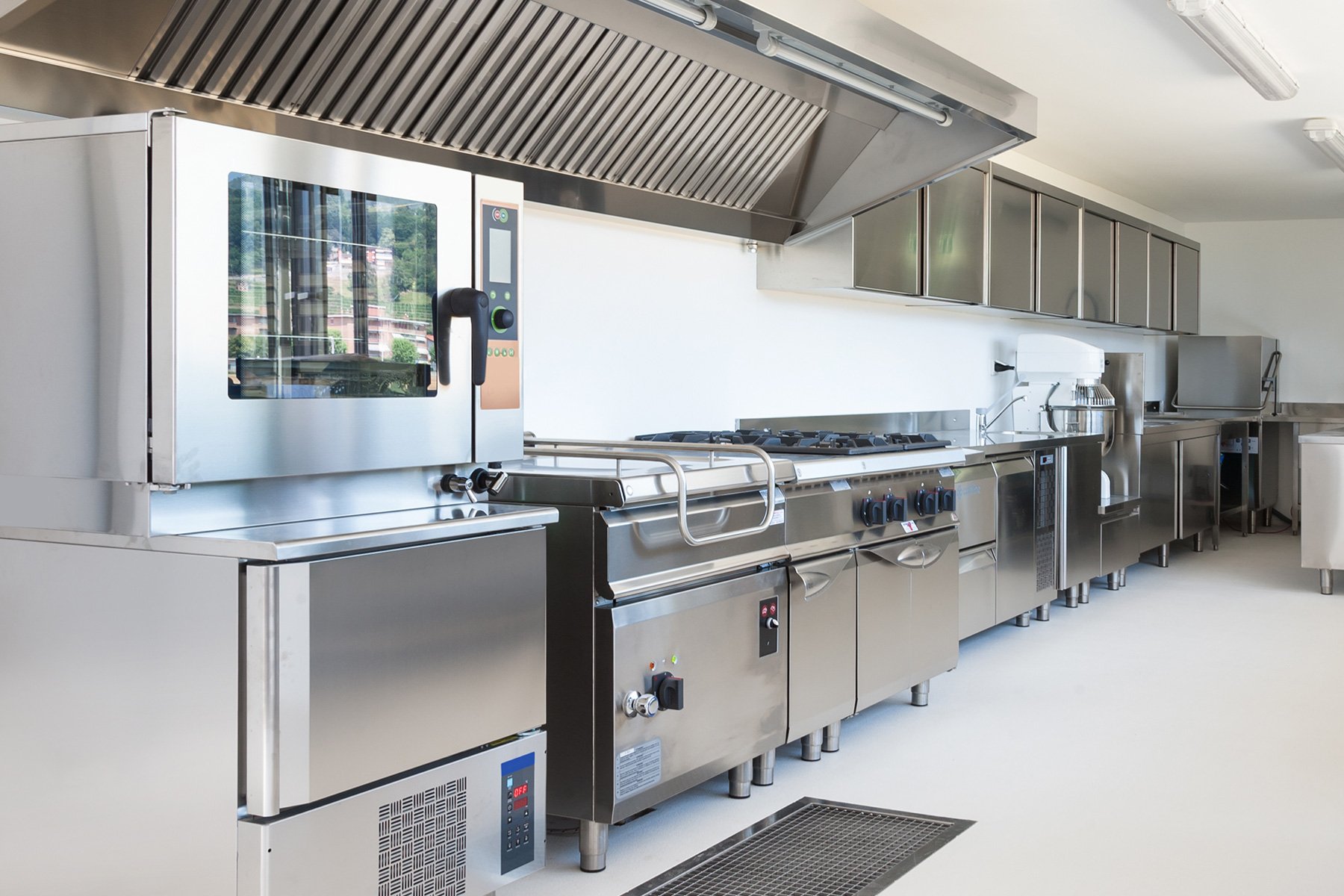
Image Source: www.samtell.com
1. Defining Your Vision and Concept
Before any blueprints are drawn or equipment is ordered, clarity on your culinary vision is key. What type of cuisine will you serve? What is your projected volume of business? Who is your target customer? These questions directly influence the scale, layout, and equipment needs of your kitchen.
Culinary Focus
Your menu dictates the specialized equipment you’ll require. For instance, a pizzeria needs a high-capacity pizza oven, while a bakery demands extensive proofing cabinets and specialized mixers. A fine-dining establishment might prioritize precision cooking equipment like combi ovens and immersion circulators.
Service Style
Will you offer table service, takeout, or a buffet? This affects the workflow between the kitchen and the front-of-house. A busy takeout operation might need a more streamlined plating and packaging area, while a sit-down restaurant requires efficient pass-through systems.
Operational Scale
Estimate your peak operating hours and the volume of food you anticipate preparing. This will help determine the size of your prep areas, cooking lines, and storage facilities.
2. Crafting the Commercial Kitchen Design and Layout
This is where your vision begins to take physical form. A smart commercial kitchen design and commercial kitchen layout are critical for efficiency, safety, and workflow.
Workflow Optimization
The ideal layout follows a logical progression: receiving -> storage -> preparation -> cooking -> plating -> service -> dishwashing. Minimizing cross-traffic and ensuring easy access to necessary tools and ingredients are paramount.
- Receiving Area: Should be easily accessible for deliveries, with space for checking incoming goods.
- Storage: Separate areas for dry goods, refrigerated items, and frozen goods. Proper shelving and organization are vital for commercial kitchen food safety.
- Preparation Stations: Dedicated zones for washing, chopping, mixing, and other prep tasks.
- Cooking Line: The heart of the kitchen, arranged for efficient cooking processes. Think about the flow from prep to cooking.
- Plating/Pass Area: Where dishes are assembled and handed off to servers.
- Dishwashing Area: Situated to receive dirty dishes efficiently without disrupting the cooking flow, and with a clear path for clean dishes to return to service.
Ergonomics and Safety
Consider the height of workstations, the placement of equipment, and adequate aisle space to prevent accidents and reduce staff fatigue. Good lighting is also a crucial element.
Equipment Placement
Each piece of commercial kitchen equipment has specific needs regarding ventilation, power, and plumbing. Their placement must be integrated into the overall layout from the start.
3. Selecting the Right Commercial Kitchen Equipment
The choice of commercial kitchen equipment directly impacts your operational efficiency and the quality of your food. This is often one of the largest components of your commercial kitchen budget.
Essential Equipment Categories:
- Cooking Equipment: Ovens (convection, deck, combi), ranges, griddles, fryers, charbroilers, ranges.
- Refrigeration: Walk-in coolers/freezers, reach-in refrigerators/freezers, prep tables with refrigeration.
- Preparation Equipment: Mixers, food processors, slicers, immersion blenders, mandolines.
- Warewashing: Commercial dishwashers (under-counter, conveyor, door-type), three-compartment sinks.
- Ventilation: Hoods, exhaust fans, fire suppression systems – crucial for safety and air quality.
- Storage and Shelving: Dry storage racks, ingredient bins, prep tables.
Factors to Consider:
- Durability and Quality: Invest in commercial-grade equipment built to withstand heavy use.
- Energy Efficiency: Look for Energy Star certified appliances to reduce utility costs.
- Size and Capacity: Ensure equipment matches your projected volume.
- Maintenance and Repair: Research the availability of parts and service for different brands.
- New vs. Used: While used equipment can save money, ensure it’s in good working order and meets current standards.
4. Mastering Commercial Kitchen Ventilation
Proper commercial kitchen ventilation is not just about comfort; it’s a critical safety and commercial kitchen compliance requirement.
The Role of Ventilation
Ventilation systems remove heat, smoke, grease-laden vapors, and odors from the cooking environment. They are essential for:
- Fire Safety: Grease buildup in exhaust hoods and ducts is a major fire hazard.
- Air Quality: Creating a healthier and more comfortable working environment for staff.
- Preventing Grease Accumulation: Reducing the spread of grease onto surfaces and equipment throughout the kitchen and dining areas.
- Meeting Codes: Local building and fire codes mandate specific ventilation standards.
Key Components of a Ventilation System:
- Exhaust Hoods: Capture smoke, heat, and grease directly above cooking appliances. Types include wall-mounted canopy, island canopy, and proximity hoods.
- Exhaust Fans: Provide the necessary airflow to draw contaminants out of the kitchen.
- Ductwork: Channels the extracted air from the hoods to the outside.
- Make-Up Air System: Replaces the air exhausted from the kitchen, ensuring proper air balance and preventing negative pressure.
- Fire Suppression System: Integrated into the hood to automatically extinguish fires.
Professional Installation
Due to the critical safety aspects and complex regulations, professional design and installation by a qualified HVAC contractor specializing in commercial kitchens are essential.
5. Navigating Commercial Kitchen Compliance and Permitting
Adhering to commercial kitchen compliance and securing the necessary commercial kitchen permitting is a non-negotiable step. Failure to comply can lead to fines, shutdowns, and significant delays.
Key Regulatory Bodies:
- Local Health Department: Oversees food safety standards, sanitation, and equipment requirements.
- Building Department: Approves plans related to structural integrity, electrical, plumbing, and fire safety.
- Fire Department: Enforces fire codes, including hood suppression systems and exit requirements.
- Zoning and Planning Departments: Ensure your establishment fits within the local zoning regulations.
Common Permits and Approvals:
- Building Permit: Required for any new construction or significant renovation.
- Health Permit: Granted after the kitchen passes inspection by the health department.
- Fire Permit: Issued after inspection of fire safety systems.
- Occupancy Permit: Allows you to legally open your doors for business.
Essential Compliance Areas:
- Food Safety: Adherence to HACCP principles, proper temperature control, handwashing stations, and pest control.
- Sanitation: Cleanliness of all surfaces, equipment, and dishwashing procedures.
- Ventilation and Fire Suppression: Meeting all NFPA 96 standards for kitchen exhaust systems.
- Plumbing and Electrical: Meeting all local codes for water supply, drainage, and electrical load.
- Accessibility: Compliance with ADA (Americans with Disabilities Act) for customer access.
It is highly recommended to consult with local authorities early in the process to obtain checklists and understand specific requirements for your area.
6. Establishing Your Commercial Kitchen Budget
A realistic commercial kitchen budget is vital for financial planning and preventing cost overruns. This requires meticulous cost estimation for every aspect of the project.
Major Budget Categories:
| Category | Estimated Percentage of Total Budget |
|---|---|
| Design & Engineering Fees | 5-10% |
| Permits & Licenses | 2-5% |
| Construction/Renovation Costs | 30-40% |
| Commercial Kitchen Equipment | 30-40% |
| Ventilation & Fire Suppression | 5-10% |
| Plumbing & Electrical | 5-10% |
| Furniture, Fixtures & Equipment (FFE) – Front of House | 5-15% |
| Contingency Fund | 10-20% |
Cost-Saving Strategies:
- Phased Equipment Purchases: If budget is tight, prioritize essential equipment and phase in others later.
- Negotiate with Suppliers: Get quotes from multiple commercial kitchen suppliers.
- Consider Used Equipment: For non-critical items, well-maintained used equipment can offer significant savings.
- Efficient Layout: A well-designed layout can reduce the need for extensive ductwork or complex plumbing.
7. The Commercial Kitchen Construction Process
Commercial kitchen construction involves transforming the design into a tangible space. This phase requires careful project management and coordination.
Hiring Professionals:
- Architect/Designer: For detailed plans and compliance with building codes.
- General Contractor: To oversee the entire construction process and manage subcontractors.
- Specialty Contractors: Electricians, plumbers, HVAC technicians, and fire suppression specialists.
Key Construction Phases:
- Demolition (if applicable): Removing existing structures or outdated fixtures.
- Framing and Structural Work: Building or modifying walls, ceilings, and floors.
- Plumbing and Electrical Rough-in: Installing pipes and wiring according to code.
- HVAC Installation: Installing ventilation, heating, and cooling systems.
- Flooring and Wall Finishes: Installing durable, easy-to-clean surfaces like quarry tile or stainless steel panels.
- Equipment Installation: Placing and connecting all commercial kitchen equipment.
- Finishing Touches: Lighting, shelving, cabinetry, and safety features.
Quality Control
Regular site visits and inspections are crucial to ensure work is performed to specifications and adheres to building codes.
8. Sourcing from Commercial Kitchen Suppliers
Finding reliable commercial kitchen suppliers is essential for procuring quality equipment and materials.
What to Look For:
- Reputation: Seek suppliers with positive reviews and a proven track record.
- Product Range: Do they offer the breadth of equipment you need?
- Pricing and Financing: Compare quotes and inquire about financing options.
- Delivery and Installation Services: Can they deliver and install larger equipment?
- After-Sales Support: What kind of warranty and repair services do they offer?
Building Relationships:
Establishing good relationships with suppliers can lead to better pricing, priority service, and valuable advice.
9. Implementing Commercial Kitchen Food Safety Standards
Commercial kitchen food safety is paramount and influences many design and operational decisions.
Design Elements for Food Safety:
- Handwashing Stations: Strategically located for staff.
- Three-Compartment Sinks: Essential for proper warewashing.
- Hygienic Surfaces: Smooth, non-porous, and easily cleanable surfaces for walls, floors, and countertops.
- Proper Ventilation: Prevents airborne contaminants from spreading.
- Pest Control: Sealing entry points, proper waste management, and regular inspections.
Operational Protocols:
- Temperature Monitoring: Calibrated thermometers for refrigerators, freezers, and cooking.
- Cleaning Schedules: Regular and thorough cleaning of all surfaces and equipment.
- Staff Training: Educating staff on safe food handling practices.
- Waste Management: Proper disposal of food waste to prevent pest attraction.
Frequently Asked Questions (FAQ)
Q1: How long does it typically take to build a commercial kitchen?
A1: The timeline can vary significantly based on the project’s scope, location, permitting process, and construction complexity. Generally, a new build or major renovation can take anywhere from 3 to 9 months, sometimes longer.
Q2: What are the most important aspects of commercial kitchen compliance?
A2: Key compliance areas include health and safety regulations (food storage, preparation, sanitation), fire codes (especially for ventilation and suppression systems), building codes (electrical, plumbing, structural), and accessibility standards.
Q3: Can I save money by buying used commercial kitchen equipment?
A3: Yes, buying used equipment can be a cost-effective strategy, particularly for less critical items. However, it’s crucial to inspect the equipment thoroughly for wear and tear, ensure it meets current safety standards, and understand the warranty or lack thereof.
Q4: What is the purpose of a make-up air system in a commercial kitchen?
A4: A make-up air system is vital for replacing the air that is exhausted from the kitchen by the ventilation system. It ensures proper air pressure balance within the building, prevents back-drafting of combustion appliances, and contributes to a more comfortable working environment by supplying fresh, tempered air.
Q5: Who should I consult for commercial kitchen design?
A5: You should consult with experienced professionals such as commercial kitchen designers or architects who specialize in hospitality projects. They will have the expertise to create an efficient, compliant, and functional layout that meets your specific needs.
Q6: How important is the commercial kitchen layout for food safety?
A6: The commercial kitchen layout is extremely important for commercial kitchen food safety. A well-planned layout helps prevent cross-contamination between raw and cooked foods, ensures adequate space for proper sanitation and handwashing, and facilitates efficient workflow which reduces the likelihood of errors.
Building a commercial kitchen is a complex yet rewarding endeavor. By meticulously following these essential steps, from defining your concept to ensuring all compliance requirements are met, you set the foundation for a successful and efficient culinary operation. Remember that thorough planning, expert consultation, and attention to detail are your greatest assets throughout this process.