
Can you use bleach on stainless steel? No, you should never use bleach on stainless steel in a commercial kitchen, as it can cause pitting and corrosion, damaging the surface and compromising hygiene. This guide will help you master commercial kitchen stainless steel cleaning and maintain restaurant stainless steel maintenance.
A spotless commercial kitchen is a hallmark of a well-run establishment. Beyond aesthetics, proper hygiene is paramount for food safety and customer trust. Stainless steel, a beloved material in kitchens for its durability and resistance to corrosion, still requires diligent care. This article provides an in-depth look at how to clean stainless steel in a commercial kitchen easily, ensuring industrial kitchen stainless steel hygiene is always top-notch. We’ll explore the best stainless steel cleaners for kitchens, effective sanitizing stainless steel commercial methods, and stainless steel surface disinfection kitchen practices, alongside proper stainless steel cleaning methods for all your commercial kitchen equipment cleaning needs.
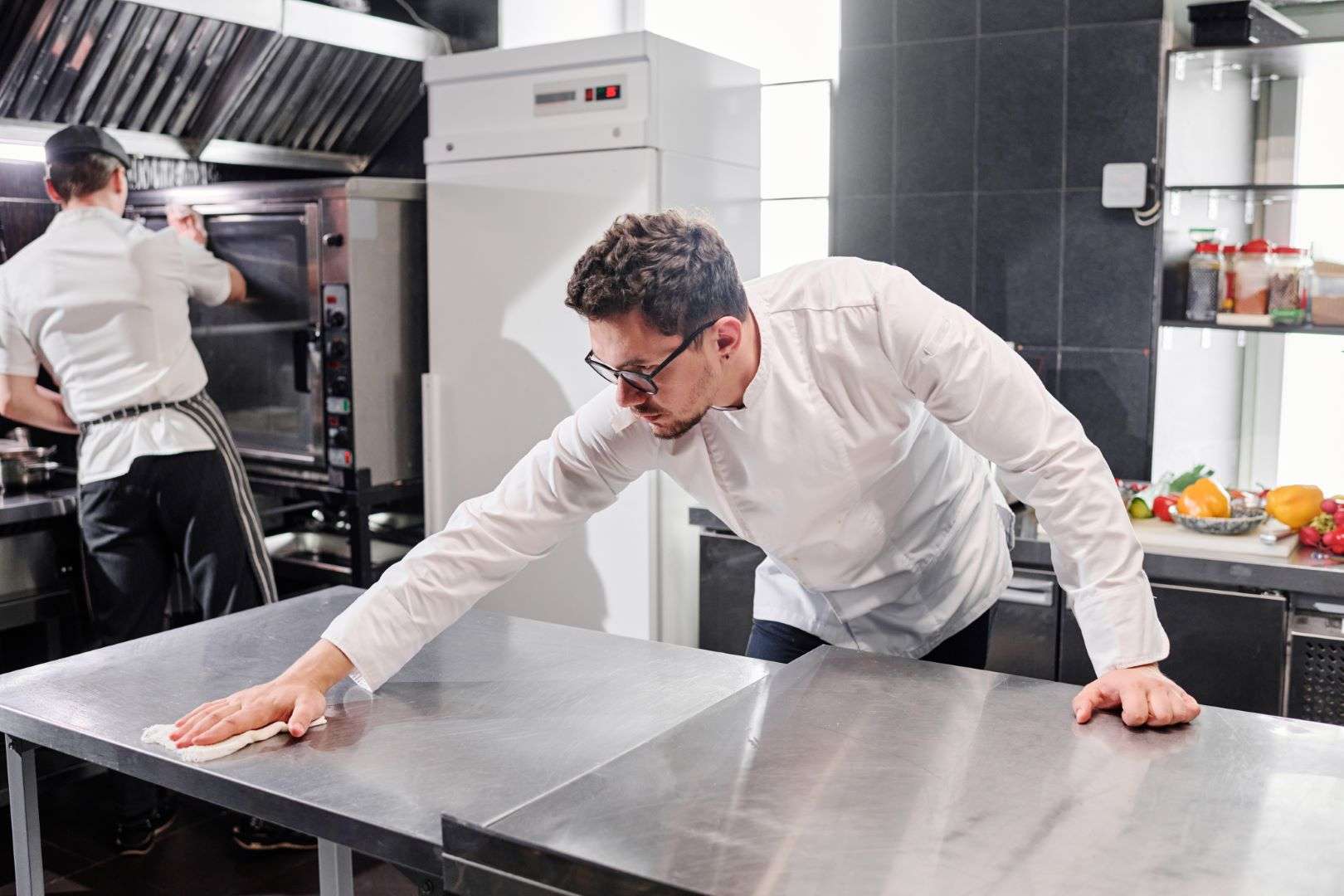
Image Source: safekitchens.com
The Importance of Stainless Steel in Commercial Kitchens
Stainless steel’s prevalence in commercial kitchens isn’t by accident. Its inherent properties make it ideal for high-volume food preparation environments.
Key Advantages of Stainless Steel:
- Durability: It withstands constant use, temperature fluctuations, and physical impact without degrading.
- Corrosion Resistance: The chromium content forms a passive layer that protects against rust and stains.
- Non-Porous Surface: This characteristic prevents bacteria and other microorganisms from embedding into the material, making it easy to sanitize.
- Heat Resistance: It doesn’t warp or discolor under high heat, crucial for cooking surfaces and equipment.
- Ease of Cleaning: While it needs care, its smooth surface generally allows for easy removal of food debris and cleaning agents.
Daily Cleaning Routine for Stainless Steel Surfaces
Establishing a consistent daily cleaning routine is the cornerstone of effective restaurant stainless steel maintenance. This ensures that grease, food particles, and potential contaminants are removed promptly, preventing build-up and making deeper cleaning less burdensome.
Essential Steps for Daily Cleaning:
- Wipe Down Immediately: After each use or at the end of a shift, wipe down all stainless steel surfaces. This prevents food from drying and hardening.
- Use the Right Cleaning Agent: Opt for mild dish soap mixed with warm water. Avoid abrasive cleaners or steel wool, which can scratch the surface.
- Wipe with the Grain: Always wipe in the direction of the stainless steel’s grain. This minimizes visible scratches and helps achieve a streak-free finish. You can usually identify the grain by looking closely at the surface – you’ll see faint lines.
- Rinse Thoroughly: After cleaning, rinse the surface with clean water to remove any soap residue. Leftover soap can attract dirt and lead to streaks.
- Dry Completely: Use a soft, lint-free cloth to dry the stainless steel. This is crucial to prevent water spots and streaks, a common issue in commercial kitchens.
Best Practices for Deep Cleaning Stainless Steel
While daily cleaning is essential, periodic deep cleaning is necessary to tackle tougher stains, sanitize surfaces thoroughly, and maintain the aesthetic appeal of your kitchen. This is where understanding proper stainless steel cleaning methods truly shines.
Choosing the Right Cleaning Products:
When selecting cleaning agents for commercial kitchen stainless steel cleaning, consider effectiveness and safety.
- Mild Dish Soap: Excellent for everyday grease and grime.
- Baking Soda Paste: A gentle abrasive that can tackle stubborn food residue and minor scratches. Mix baking soda with water to form a paste, apply, let sit, and then gently scrub with the grain.
- Vinegar Solution: A mild acid that can cut through grease and hard water stains. Mix equal parts white vinegar and water in a spray bottle. Apply, let sit for a few minutes, then wipe and rinse. Caution: Do not leave vinegar on stainless steel for extended periods as it can etch the surface. Always rinse thoroughly.
- Specialized Stainless Steel Cleaners: Many commercial-grade cleaners are formulated specifically for stainless steel. Look for products labeled “non-abrasive” and “streak-free.” Many also offer a protective polish.
Table: Recommended Cleaning Agents and Their Uses
| Cleaning Agent | Best For | How to Use | Precautions |
|---|---|---|---|
| Mild Dish Soap & Water | Daily grease, food particles | Mix a few drops of soap with warm water. Apply with a soft cloth, wipe with the grain, rinse, and dry. | Avoid excessive scrubbing. |
| Baking Soda Paste | Stubborn food stains, light scratches | Mix baking soda with water to form a paste. Apply to stained areas, gently rub with the grain using a soft cloth, rinse, and dry. | Use very gentle pressure to avoid scratching. |
| White Vinegar Solution | Grease, water spots, general sanitizing | Mix equal parts white vinegar and water. Spray on surface, let sit for a few minutes, wipe with the grain, rinse thoroughly, and dry. | Do not leave on for too long; always rinse well. Do not mix with bleach or other chemicals. |
| Commercial Stainless Steel Cleaner | Heavy grease, fingerprints, polishing | Follow product instructions. Typically, spray on, wipe with the grain, and buff dry. | Ensure the product is safe for food-contact surfaces if used on preparation areas. Read labels carefully for any specific warnings. |
Deep Cleaning Steps:
- Clear the Surface: Remove all items from the stainless steel surface you are cleaning.
- Initial Wipe-Down: Use a damp cloth to remove any loose debris or food particles.
- Apply Cleaner: Choose your preferred cleaning agent. For general cleaning, the mild dish soap and water solution is a good starting point. For tougher jobs, consider the baking soda paste or a specialized cleaner.
- Scrub Gently: Using a soft cloth or sponge, gently scrub the stainless steel in the direction of the grain. For very stubborn spots, a non-abrasive scrubbing pad can be used with caution, always following the grain.
- Rinse Thoroughly: Use a clean, damp cloth to rinse away all traces of the cleaning agent. Multiple rinses may be necessary to ensure no residue remains.
- Dry and Buff: Immediately dry the surface with a clean, soft, lint-free cloth. For a streak-free shine, buff the surface with a dry cloth, again, moving with the grain.
Sanitizing Stainless Steel Commercial Surfaces
In a commercial kitchen, sanitizing stainless steel is just as important as cleaning it. This process kills bacteria and other harmful microorganisms, ensuring food safety and compliance with health regulations. This is critical for industrial kitchen stainless steel hygiene.
Effective Sanitizing Methods:
- Hot Water: For many situations, a thorough rinse with very hot water can significantly reduce microbial counts. Ensure the water is as hot as is safely manageable and allow surfaces to air dry or dry with a clean cloth.
- Sanitizing Solutions: Commercial kitchens often use approved chemical sanitizers. These typically contain quaternary ammonium compounds, chlorine, or iodine. Always follow the manufacturer’s instructions for dilution ratios and contact times.
- Quaternary Ammonium Compounds (Quats): Effective against a broad spectrum of bacteria and generally safe for stainless steel.
- Chlorine-Based Sanitizers: Potent disinfectants but can be corrosive to stainless steel if not rinsed thoroughly.
- Iodine-Based Sanitizers: Also effective but can stain stainless steel if left on too long.
- Steam Cleaning: High-temperature steam can effectively kill most bacteria and sanitize surfaces without chemicals. This is a preferred method for many kitchens.
Steps for Sanitizing Stainless Steel:
- Clean First: Always clean the surface thoroughly before sanitizing. Sanitizers work best on clean surfaces because dirt and food debris can shield microorganisms.
- Apply Sanitizer: Apply the chosen sanitizing solution using a spray bottle, cloth, or mop. Ensure the entire surface is covered.
- Contact Time: This is crucial for sanitizers to work effectively. Adhere to the recommended contact time specified by the sanitizer manufacturer. This can range from 30 seconds to several minutes.
- Air Dry or Towel Dry: Allow the surface to air dry if possible. If immediate drying is necessary, use a clean, lint-free towel. Do not rinse the sanitizer off unless the product instructions specifically state to do so.
Addressing Specific Stainless Steel Challenges
Even with regular cleaning, you might encounter specific issues with stainless steel surfaces in a busy commercial kitchen. Knowing how to tackle these will enhance your restaurant stainless steel maintenance.
Stubborn Stains and Discoloration:
- Water Spots and Mineral Deposits: These can often be removed with a paste of baking soda and water, or a mild acidic solution like diluted vinegar. Wipe gently with the grain, rinse, and dry immediately.
- Grease Buildup: For thick grease, a degreaser specifically designed for kitchens is effective. Apply, let it sit for a few minutes (check product instructions), then scrub gently with the grain and rinse thoroughly.
- Heat Stains (Discoloration): Light discoloration from heat might be removed with a specialized stainless steel cleaner that contains a mild abrasive or polishing agent. For more severe heat tinting, professional products or abrasive pads used very carefully with the grain might be needed.
Fingerprints and Smudges:
These are common on high-traffic stainless steel surfaces. The best way to combat them is through diligent drying and buffing after cleaning. A specialized stainless steel polish for restaurants can also create a protective layer that repels fingerprints. Apply a small amount of polish to a soft cloth and wipe with the grain. Buff with a separate clean cloth.
Preventing Rust on Kitchen Stainless Steel:
While stainless steel is rust-resistant, it’s not entirely rust-proof. Certain conditions can lead to rust spots.
- Avoid Harsh Chemicals: As mentioned, bleach and cleaners containing chlorides can damage the protective layer.
- Don’t Use Steel Wool or Abrasive Pads: These can leave behind small iron particles that can rust.
- Rinse Thoroughly: Ensure all cleaning agents are completely rinsed off, especially acidic or alkaline ones.
- Dry Promptly: Leaving water to air dry can leave mineral deposits and, in rare cases, contribute to rusting, especially in environments with high humidity or salt.
- Clean Spills Promptly: Salty liquids or acidic foods left on the surface for extended periods can etch the steel and potentially lead to rust.
Maintaining Commercial Kitchen Equipment Cleaning Schedules
Beyond surfaces, all stainless steel equipment – from ovens and refrigerators to prep tables and sinks – requires regular cleaning and maintenance. Implementing a robust commercial kitchen equipment cleaning schedule is non-negotiable.
Key Equipment Considerations:
- Ovens and Ranges: Regular degreasing is essential. For interior surfaces, follow manufacturer guidelines, often involving specific oven cleaners or scraping with non-metal tools.
- Refrigerators and Freezers: Shelving and interior walls should be cleaned with mild soap and water or a sanitizing solution. Door seals are critical hygiene points and need regular attention.
- Sinks and Faucets: These are high-contact areas. Daily cleaning with a non-abrasive cleaner and regular sanitizing is vital. For stubborn hard water stains, vinegar solutions can be effective.
- Prep Tables: These require the most frequent cleaning and sanitizing due to direct food contact. Follow daily and deep cleaning protocols rigorously.
- Ventilation Hoods and Filters: While not always stainless steel, they often have stainless steel components. Proper cleaning prevents grease buildup, which is a fire hazard.
Developing a Cleaning Schedule:
A detailed cleaning schedule should outline what needs to be cleaned, how often, by whom, and with what products.
- Daily Tasks: General wipe-downs, sink cleaning, basic equipment surface cleaning.
- Weekly Tasks: Deeper cleaning of equipment interiors, sanitizing high-contact areas, cleaning ventilation filters.
- Monthly/Quarterly Tasks: Oven interiors, deep cleaning of refrigeration units, descaling of coffee machines and dishwashers.
The Role of Stainless Steel Polish for Restaurants
While cleaning removes dirt and grime, a good stainless steel polish for restaurants adds an extra layer of protection and enhances the visual appeal.
Benefits of Polishing:
- Enhanced Shine: Restores luster to dull surfaces.
- Fingerprint Resistance: Creates a smooth surface that repels oils from fingerprints.
- Protective Barrier: Can offer a slight barrier against minor scratches and marring.
- Easier Future Cleaning: A polished surface is often easier to wipe clean.
How to Polish Stainless Steel:
- Ensure Surface is Clean: Polish only on a clean, dry surface.
- Apply Polish: Apply a small amount of specialized stainless steel polish to a clean, soft, lint-free cloth.
- Wipe with the Grain: Apply the polish evenly, working in the direction of the stainless steel grain.
- Buff: Use a separate, clean, dry cloth to buff the surface until it shines.
Training Staff on Proper Cleaning and Maintenance
The most effective cleaning protocols are only as good as the staff who implement them. Comprehensive training is key to ensuring proper stainless steel cleaning methods are consistently applied.
Training Essentials:
- Product Knowledge: Educate staff on the approved cleaning chemicals and their safe usage, including dilution ratios and personal protective equipment (PPE).
- Technique: Demonstrate the correct way to clean and polish, emphasizing wiping with the grain.
- Sanitization Procedures: Train staff on proper sanitizing techniques, including contact times and the importance of cleaning before sanitizing.
- Problem Solving: Teach them how to identify and address common issues like water spots or minor scratches.
- Schedule Adherence: Emphasize the importance of following the established cleaning schedules.
Frequently Asked Questions (FAQ)
Here are answers to some common questions regarding stainless steel cleaning in commercial kitchens.
Q1: Can I use abrasive cleaners on stainless steel?
No, avoid abrasive cleaners like scouring powders or abrasive pads (like steel wool) as they can scratch the surface, creating areas where dirt and bacteria can accumulate and potentially leading to corrosion.
Q2: What is the best way to remove tough grease buildup?
For tough grease, use a commercial-grade degreaser specifically designed for kitchen use. Apply according to product instructions, let it sit to break down the grease, then gently scrub with the grain using a soft cloth or non-abrasive sponge. Rinse thoroughly and dry.
Q3: How often should stainless steel surfaces be sanitized?
High-contact surfaces and food preparation areas should be sanitized multiple times a day, especially after contact with raw foods or in between different tasks. Regular equipment and less frequently used surfaces can be sanitized weekly as part of your deep cleaning routine.
Q4: Will vinegar damage my stainless steel?
Vinegar is acidic and can etch stainless steel if left on for extended periods or used undiluted frequently. It’s generally safe when diluted with water (50/50 solution) and rinsed off promptly after use. Always test on an inconspicuous area first.
Q5: What are the best stainless steel cleaners for kitchens that are also food-safe?
Many commercial stainless steel cleaners are formulated to be food-safe once rinsed. Always check the product label for confirmation and follow usage instructions carefully. Mild dish soap is also a universally food-safe option for general cleaning.
Q6: How do I get rid of water spots on stainless steel?
Water spots are typically mineral deposits. You can remove them by wiping with a cloth dampened with a diluted vinegar solution (50/50 white vinegar and water), then rinsing with clean water and drying thoroughly. A specialized stainless steel cleaner or polish may also help.
Q7: Is it necessary to polish stainless steel in a commercial kitchen?
While not strictly necessary for hygiene, polishing helps maintain the aesthetic appeal, repels fingerprints, and can make future cleaning easier. It’s a valuable step for overall restaurant stainless steel maintenance.
By implementing these detailed cleaning, sanitizing, and maintenance strategies, you can ensure your commercial kitchen’s stainless steel surfaces and equipment remain in pristine condition, contributing to a safe, hygienic, and professional environment.