
So, how deep are base kitchen cabinets? Standard base kitchen cabinets are typically 24 inches deep. This 24-inch depth is a widely adopted industry standard, offering a good balance between usable storage space and comfortable clearance for kitchen walkways.
When planning a kitchen renovation or designing a new one, knowing the standard cabinet depth is crucial. This single measurement impacts everything from appliance choices to how much you can store and how easily you can move around your kitchen. This guide delves deep into the specifics of base cabinet depth, exploring why 24 inches is the norm, what factors influence this decision, and how different depths can affect your kitchen’s functionality and feel. We’ll cover everything you need to know about base cabinet measurements and kitchen cabinet dimensions to make informed choices for your culinary space.
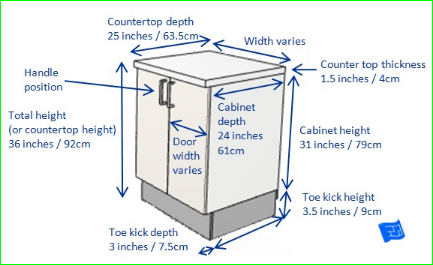
Image Source: re-newcabinets.com
Fathoming Base Cabinet Depth: The 24-Inch Standard
The 24-inch depth for base cabinets is not arbitrary; it’s a carefully considered dimension that has evolved to meet the practical demands of modern kitchens. This depth provides ample space for common kitchen items, from pots and pans to small appliances. It also allows for the installation of standard-sized kitchen appliances, such as dishwashers and ovens, which are often designed to align with this depth for a seamless look.
Why 24 Inches? The Rationale Behind the Standard
Several key reasons contribute to the prevalence of the 24-inch standard cabinet depth:
- Appliance Compatibility: Many standard kitchen appliances, especially dishwashers and base ovens, are designed to fit within a 24-inch recess. This ensures a flush installation, where the appliance front aligns with the cabinet fronts, creating a clean and integrated appearance.
- Countertop Support: A 24-inch deep cabinet provides a sturdy foundation for standard countertop depth. Most countertops are 25 inches deep, with a 1-inch overhang. This overhang is essential for comfortable use and provides a slight buffer to protect the cabinet fronts from spills.
- Storage Capacity: This depth offers a generous amount of interior storage. You can easily fit large mixing bowls, baking sheets, and even small appliances like stand mixers or food processors within these cabinets.
- Ergonomics and Workflow: The 24-inch depth, combined with standard base cabinet heights and clearances, creates an ergonomic workflow. It allows enough space to work at the countertop without feeling cramped, while also ensuring that frequently used items are within easy reach.
The Anatomy of a Base Cabinet: Beyond Just Depth
While depth is a primary concern, it’s important to see how it fits into the overall kitchen cabinet dimensions. A typical base cabinet consists of several key measurements:
- Width: This can vary greatly, from 9 inches to 36 inches or more, depending on the cabinet’s intended location and purpose (e.g., corner cabinet, drawer base, sink base).
- Height: Standard base cabinets are usually 34.5 inches tall. When combined with a 1.5-inch countertop, this brings the total working surface height to a standard 36 inches, which is considered optimal for most people.
- Depth: As discussed, this is typically 24 inches.
- Toe Kick: This is the recessed area at the bottom of the cabinet, usually 4 to 4.5 inches high and 3 inches deep. It allows you to stand closer to the countertop without banging your shins.
Understanding how these dimensions work together is vital for a well-designed kitchen. The interplay between base cabinet measurements, countertop overhang, and appliance sizes dictates the overall functionality and aesthetic.
Delving Deeper: Variations in Base Cabinet Depth
While 24 inches is the standard, there are situations where you might encounter or opt for different base cabinet depths. These variations are usually driven by specific design needs, space constraints, or the desire for specialized storage.
When 24 Inches Isn’t Quite Enough: Deeper Cabinets
In some instances, custom kitchens or specific storage needs might call for deeper base cabinets.
- Increased Storage: Deeper cabinets (e.g., 27 or 30 inches) offer significantly more storage volume. This can be beneficial for storing larger items, bulkier kitchenware, or less frequently used appliances.
- Appliance Integration: Some specialized appliances, like deeper refrigerators or certain types of built-in ovens, might require deeper cabinet boxes to accommodate their dimensions.
- Design Considerations: Occasionally, a designer might opt for a deeper base cabinet on an island or peninsula to create a more substantial visual presence or to house specific features like pull-out shelves or deeper drawers.
However, increasing cabinet depth comes with trade-offs:
- Reachability: Items stored in the back of very deep cabinets can be difficult to access without pull-out shelves or a step stool.
- Space Consumption: Deeper cabinets can reduce the usable walkway space in your kitchen, potentially making it feel more cramped, especially in smaller kitchens. This is why optimal cabinet depth is a balance.
Working with Less: Shallower Base Cabinets
Conversely, shallower base cabinets are often used in specific scenarios:
- Small Kitchens and Compact Spaces: In kitchens where space is at a premium, shallower base cabinets (e.g., 18 or 21 inches) can be a practical solution. They still offer storage but take up less floor space, leaving more room for circulation.
- Specific Appliance Requirements: Some compact appliances, like certain types of wine coolers or slim refrigerators, might be designed to fit into shallower cabinetry.
- Island and Peninsula Design: Sometimes, shallower cabinets are used on the “working” side of an island or peninsula to allow for seating on the opposite side, creating a more streamlined and less intrusive design.
The trade-off here is reduced storage capacity. You’ll need to be more strategic about what you store in shallower cabinets.
The Countertop Connection: How Depth Affects Countertop Choice
The depth of your base cabinets directly influences your countertop depth. As mentioned, the standard is a 25-inch countertop, which provides a 1-inch overhang from a 24-inch deep cabinet. This overhang is essential for several reasons:
- Ergonomics: It allows you to stand closer to your workspace without your shins hitting the cabinet face.
- Aesthetics: It creates a finished, professional look, softening the hard edge of the cabinets.
- Protection: It helps protect the cabinet fronts from spills and splashes.
If you opt for deeper base cabinets, your countertop will also need to be deeper to maintain a similar overhang. For example, 27-inch deep cabinets would typically be paired with 28-inch deep countertops for a 1-inch overhang. Similarly, shallower cabinets would require shallower countertops.
It’s also worth noting that some countertop materials, particularly natural stone like granite or marble, are often available in standard slab thicknesses that can influence the overall finished countertop depth. When selecting countertops, ensure they are compatible with your chosen cabinet depth and that the overhang is sufficient for comfortable use.
The Impact of Cabinet Depth on Appliances
The cabinet depth for appliances is a critical consideration. Most major appliances are designed to fit within standard kitchen cabinet dimensions.
Dishwashers
Standard dishwashers are typically 24 inches wide and designed to fit within a 24-inch deep cabinet opening. The control panel might extend slightly beyond the cabinet front, but the main body of the appliance tucks neatly into the recess. Some slimline dishwashers are available in 18-inch widths for smaller kitchens.
Ovens and Cooktops
Base ovens, also known as wall ovens installed at floor level or in a base cabinet, are usually designed to fit into a 24-inch deep cabinet box. Some specialty ovens or ranges might have specific cabinet depth requirements that need careful checking. Slide-in ranges are designed to fit into a standard 24-inch cabinet opening and slide underneath the countertop.
Refrigerators
While most freestanding refrigerators are deeper than standard base cabinets, built-in and counter-depth refrigerators are designed to align more closely with cabinetry. Counter-depth refrigerators are typically around 24-25 inches deep, meaning they will sit flush with your base cabinets and countertop. This creates a much cleaner, more integrated look but often comes with a smaller internal capacity compared to standard-depth models.
Microwaves
Over-the-range microwaves are mounted above the range and don’t directly impact base cabinet depth. However, if you’re planning a built-in microwave in a base cabinet or a microwave drawer, you’ll need to ensure the cabinet box is deep enough to accommodate the appliance’s dimensions.
Beyond the Standard: When to Consider Different Depths
While the 24-inch standard is a reliable guideline, there are specific scenarios where deviating from it might be beneficial.
Maximizing Storage in Larger Kitchens
In spacious kitchens, you might have the luxury of opting for deeper base cabinets (e.g., 27 inches) on certain runs. This extra few inches can significantly increase storage capacity without compromising traffic flow. This is where a typical kitchen cabinet size might be adapted to meet specific needs.
Accommodating Specialty Appliances
As mentioned, some appliances are designed for specific depths. If you have your heart set on a particular refrigerator or wine cooler that requires a shallower or deeper opening, you’ll need to select base cabinets accordingly. Always consult the appliance manufacturer’s specifications for precise cabinet depth requirements.
Creating Seating Nooks or Peninsula Designs
For kitchen islands or peninsulas, you might choose shallower base cabinets (e.g., 21 inches) on the seating side. This allows for more legroom and a more comfortable seating experience, as it reduces the protrusion of the island into the dining or living area. This can be a smart way to manage under cabinet clearance for seating.
Enhancing Ergonomics with Deeper Work Surfaces
In some professional kitchens or for those who spend a lot of time prepping food, a deeper countertop (e.g., 30 inches) on a deeper base cabinet (e.g., 27 inches) can provide a more expansive and comfortable workspace. This offers more room for multiple appliances, cutting boards, and plating.
Optimizing Your Kitchen Workflow: The Role of Depth
The depth of your base cabinets plays a surprisingly significant role in the overall efficiency and comfort of your kitchen.
Ease of Access
With standard 24-inch deep cabinets, most items are within easy reach. However, for very deep cabinets, consider incorporating pull-out shelves, drawers, or lazy Susans. These accessories bring items from the back of the cabinet to the front, improving accessibility and preventing items from getting lost or forgotten. This ensures optimal cabinet depth is realized through smart organization.
Countertop Usability
The countertop depth provided by your base cabinets directly impacts your workspace. A 25-inch countertop offers a good balance for most tasks. If you find yourself constantly running out of space for prep work, considering a deeper cabinet and countertop combination might be worthwhile, provided your kitchen layout can accommodate it.
Walkway Clearance
This is perhaps the most critical aspect of cabinet depth for kitchen usability. In most kitchens, a minimum of 36 inches of walkway space is recommended between countertops or cabinets. In high-traffic areas or kitchens with multiple cooks, 42-48 inches is even better. Deeper base cabinets will reduce this clearance if not carefully planned, potentially making your kitchen feel more cramped and less functional. Always measure your space and plan your layout to ensure adequate under cabinet clearance for movement.
Making the Right Choice: Factors to Consider
When deciding on the depth of your base cabinets, several factors come into play:
- Kitchen Size and Layout: A small kitchen will likely benefit from standard or even shallower base cabinets to maximize walkway space. Larger kitchens offer more flexibility for deeper cabinets.
- Storage Needs: If you have a lot of bulky items or prefer to store appliances in base cabinets, deeper options might be attractive.
- Appliance Selection: Ensure your chosen appliances are compatible with the cabinet depth requirements.
- Budget: Custom-sized cabinets, whether deeper or shallower, can sometimes be more expensive than standard sizes.
- Aesthetics: Deeper cabinets can create a more substantial visual presence, while shallower cabinets can make a space feel lighter and more open.
Cabinet Depth Requirements: A Summary Table
To help visualize the relationship between cabinet depth and related components, here’s a quick reference table:
| Base Cabinet Depth | Typical Countertop Depth | Typical Overhang | Common Use Cases | Considerations |
|---|---|---|---|---|
| 24 inches | 25 inches | 1 inch | Standard for most kitchens, ideal for appliance integration (dishwashers, ovens), good balance of storage and clearance. | Most common, readily available, ensures good workflow. |
| 21 inches | 22 inches | 1 inch | Suitable for smaller kitchens, islands with seating, or specific appliance needs. Reduces floor space taken. | Less storage capacity, might feel less substantial. |
| 27 inches | 28 inches | 1 inch | Larger kitchens, increased storage needs, desire for a deeper workspace. Can accommodate some larger appliances. | Reduces walkway clearance, items in the back can be harder to reach without organizational aids. |
| 30 inches | 31 inches | 1 inch | Custom applications, very large kitchens, specific appliance integration, maximizing work surface depth. | Significant impact on walkway clearance, potential for reduced accessibility without pull-outs, can be costly. |
This table highlights how kitchen cabinet dimensions, particularly depth, are interconnected with other design elements.
Frequently Asked Questions About Base Cabinet Depth
Here are some common questions people have about base cabinet depth:
Q1: Can I use different depths of base cabinets in the same kitchen?
A1: Yes, absolutely. It’s common and often beneficial to use different depths. For example, you might have standard 24-inch deep cabinets along one wall but shallower cabinets on an island to allow for seating.
Q2: What is the minimum recommended depth for base cabinets?
A2: While there isn’t a strict minimum, 21 inches is often considered the shallowest practical depth for usable storage and countertop space. Anything less might limit functionality.
Q3: How does cabinet depth affect appliance installation?
A3: Most standard appliances are designed for 24-inch deep cabinets. If you choose deeper or shallower cabinets, you must ensure that your appliances will fit properly and achieve the desired flush or integrated look. Always check appliance specifications.
Q4: What is the ideal countertop depth for a 24-inch base cabinet?
A4: The ideal countertop depth for a 24-inch base cabinet is typically 25 inches, providing a 1-inch overhang. This is considered the standard for usability and aesthetics.
Q5: Will deeper base cabinets make my kitchen feel smaller?
A5: Yes, potentially. Deeper cabinets take up more floor space, which can reduce walkway clearance and make a kitchen feel more enclosed, especially in smaller layouts. Careful planning is crucial to avoid this.
Q6: What is the typical depth of a kitchen island base cabinet?
A6: Kitchen island base cabinets can vary. They often mirror the standard 24-inch depth, but shallower depths (like 21 inches) are common if the island is also intended for seating to maximize legroom.
Q7: How much under cabinet clearance do I need?
A7: For walkways, you generally need at least 36 inches of clear space between cabinet fronts or appliances. For working clearance at the countertop, the countertop depth itself provides that space in front of the cabinets. The toe kick on the base cabinet provides the necessary clearance for your feet when standing at the counter.
Q8: Are there any drawbacks to using shallower base cabinets?
A8: The primary drawback is reduced storage capacity. Shallower cabinets can also sometimes feel less substantial visually compared to deeper ones.
Q9: What is the importance of the toe kick in relation to cabinet depth?
A9: The toe kick is a recessed area at the bottom of the cabinet, usually 3 inches deep and 4-4.5 inches high. It allows you to stand closer to the countertop without stubbing your toes on the cabinet face, contributing to comfortable ergonomics. It’s a standard feature regardless of the main base cabinet measurements.
Q10: How do I determine the right cabinet depth for my specific kitchen needs?
A10: Consider your kitchen size, how you use your kitchen, the types of items you need to store, and any appliances you plan to install. Measure your space carefully, paying attention to walkway clearances, and consult with a kitchen designer if needed. Balancing storage, usability, and space is key to finding the optimal cabinet depth.
By carefully considering these dimensions and their impact on your kitchen’s functionality, you can ensure that your base cabinets not only look great but also serve your needs effectively, providing ample storage and a comfortable, efficient workspace.