
Can you have a functional kitchen during a remodel? Yes, absolutely! Creating a temporary kitchen setup is key to maintaining sanity and eating well throughout your kitchen renovation. This guide will walk you through every step, from initial planning to the final flourish, helping you navigate the inevitable remodel challenges.
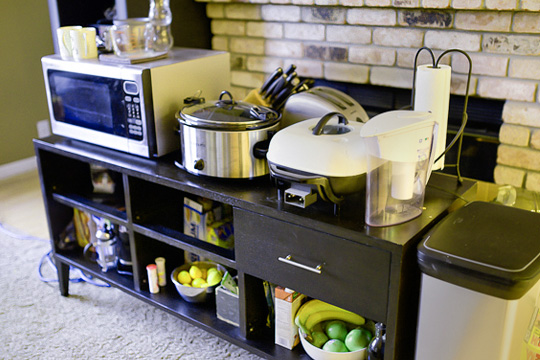
Image Source: www.houselogic.com
Planning Your Kitchen Renovation: The Blueprint for Survival
Embarking on a kitchen renovation is a significant undertaking, but with thorough planning, you can turn what might feel like chaos into a controlled, even exciting, transformation. This phase is crucial for a smooth kitchen remodel timeline and staying within your budget for kitchen remodel.
Deciphering Your Kitchen Renovation Goals
Before any demolition begins, clearly define what you want to achieve with your kitchen renovation. Are you seeking a modern aesthetic, improved functionality, more storage, or a combination of all three?
- Aesthetic Updates: New cabinets, countertops, backsplash, paint colors, lighting fixtures.
- Functional Improvements: Better workflow, updated appliances, more counter space, improved pantry solutions.
- Structural Changes: Moving walls, adding windows, reconfiguring plumbing or electrical.
Tip: Create a vision board or collect images of kitchens you admire. This visual aid will be invaluable when communicating your desires to designers and contractors.
Setting a Realistic Budget for Kitchen Remodel
A well-defined budget is the cornerstone of a successful kitchen remodel. Unexpected expenses can arise, so it’s wise to build in a contingency fund of 15-20% of your total estimated cost.
Key Budget Categories:
- Design Fees: If you hire an architect or interior designer.
- Labor Costs: Contractors, plumbers, electricians, tilers, painters.
- Materials: Cabinets, countertops, flooring, backsplash, sink, faucet, lighting.
- Appliances: Refrigerator, oven, stovetop, dishwasher, microwave.
- Permits and Inspections: Depending on your local regulations.
- Contingency Fund: For unforeseen issues.
Tip: Get multiple quotes from different contractors to ensure you’re getting competitive pricing.
Crafting Your Kitchen Remodel Timeline
A realistic kitchen remodel timeline helps manage expectations and keeps the project on track. The duration can vary significantly based on the scope of work, contractor availability, and material lead times.
Typical Kitchen Remodel Timeline Stages:
- Planning & Design (2-4 weeks): Finalizing plans, choosing materials, obtaining permits.
- Demolition (1-3 days): Removing old cabinets, flooring, and fixtures.
- Rough-In Work (1-2 weeks): Plumbing, electrical, HVAC adjustments.
- Cabinet Installation (1-2 weeks): Depending on complexity.
- Countertop Fabrication & Installation (1-3 weeks): Including template and installation visits.
- Flooring Installation (2-5 days):
- Backsplash Installation (1-3 days):
- Appliance Installation & Hookups (1-2 days):
- Final Finishes (1 week): Painting, trim work, hardware installation, fixture installation.
Note: This timeline is an estimate. Delays can occur due to material backorders, weather, or unexpected structural issues.
Choosing Your Contractors: The Backbone of Your Project
Selecting the right contractor is paramount. Look for licensed, insured, and reputable professionals with a proven track record.
How to Find and Vet Contractors:
- Recommendations: Ask friends, family, or neighbors who have recently completed a kitchen renovation.
- Online Reviews & Portfolios: Check websites like Houzz, Angi, or Google Reviews.
- Interviews: Speak with at least three potential contractors. Ask for references and check them.
- Contracts: Ensure a detailed contract is in place, outlining scope of work, payment schedule, timeline, and warranties.
Preparing Your Home for the Kitchen Renovation Storm
Once the planning is complete, it’s time to prepare your home for the transformation. This preparation phase is crucial for minimizing disruption and ensuring a smoother process.
Creating Your Temporary Kitchen Setup
This is arguably the most important step for surviving the remodel. You need a functional space to prepare simple meals, wash dishes, and store essentials.
Essential Components of a Temporary Kitchen:
- Location: Choose a space away from the main construction zone. A dining room, living room, or even a garage can work.
- Food Storage: A cooler or mini-fridge is essential for perishables. Utilize pantry shelves or boxes for non-perishables.
- Cooking:
- Portable Induction Cooktop/Hot Plate: A versatile option for boiling water, sautéing, and simmering.
- Microwave: For quick meals, reheating, and steaming vegetables.
- Toaster Oven: Great for toasting bread, baking small items, and roasting.
- Slow Cooker/Crock-Pot: Ideal for preparing hearty meals with minimal supervision.
- Grill (Outdoor): If you have one, it can be a lifesaver for grilling meats and vegetables.
- Dishwashing:
- Large Plastic Tub or Sink: For washing dishes.
- Dish Soap, Sponge, Drying Rack:
- Paper Towels/Disposable Plates & Utensils: To minimize dishwashing during peak chaos.
- Food Prep:
- Small Cutting Board:
- Basic Utensils: Knife, peeler, can opener, spatula.
- Trash Can & Bags: Keep waste contained.
Tip: Stock up on easy-to-prepare meals like pasta, rice, canned soups, and pre-cut vegetables.
Managing Kitchen Dust Control: The Unavoidable Foe
Dust is an inevitable byproduct of demolition and construction. Implementing effective kitchen dust control measures is vital for your health and the cleanliness of the rest of your home.
Strategies for Dust Containment:
- Zip Walls: Use heavy-duty plastic sheeting and painter’s tape to seal off doorways and openings leading to other parts of the house.
- Ventilation: Keep windows in the work area open when possible to vent dust outside. However, close them when dust levels become too high or if the weather is poor.
- Air Purifiers: Place HEPA air purifiers in adjacent rooms to capture airborne particles.
- Damp Cloths: Wipe down surfaces frequently with damp cloths to trap dust.
- Vacuuming: Use a vacuum cleaner with a HEPA filter regularly.
- Contractor Communication: Discuss dust control measures with your contractor and ensure they are using best practices.
Protecting Your Belongings
Covering or removing furniture, decor, and anything else you wish to protect from dust and potential damage is crucial.
- Furniture: Move furniture out of the work zone or cover it completely with plastic sheeting.
- Flooring: Lay down drop cloths or protective coverings in hallways and rooms adjacent to the kitchen.
- Valuables: Remove or securely cover any delicate or valuable items.
Appliance Relocation and Storage
If your existing appliances are staying, you’ll need to plan for appliance relocation.
- Refrigerator: This is often the most challenging appliance. If it needs to be moved, ensure it’s unplugged and emptied. Consider if it can be temporarily placed in another room with access to a power outlet.
- Dishwasher: Will be disconnected and potentially moved out of the way.
- Oven/Stovetop: Will be disconnected and often removed.
- Microwave: Might be moved to your temporary kitchen setup.
Tip: Take photos of appliance hookups before they are disconnected. This can be a helpful reference later.
Navigating the Remodel: Cooking, Living, and Contractor Management
With preparations complete, you’ll enter the phase of daily living amidst the construction. This requires patience, flexibility, and clear communication.
Cooking During Remodel: Culinary Survival Tactics
Eating well during a kitchen renovation doesn’t have to be a distant dream. With your temporary kitchen setup, you can continue to enjoy nourishing meals.
Meal Ideas for a Remodel:
- One-Pot Meals: Chili, stews, curries, pasta dishes that require minimal steps.
- Sheet Pan Dinners: Roast chicken and vegetables, fish and asparagus, sausage and peppers.
- Salads: Fresh salads with pre-cooked chicken, beans, or hard-boiled eggs.
- Sandwiches & Wraps: Quick and easy to assemble.
- Breakfast for Dinner: Pancakes, omelets, or breakfast burritos.
- Pre-Prepared Meals: Consider buying some meals from a local deli or grocery store.
Tip: Pre-chop vegetables and pre-cook proteins on weekends when you might have more downtime.
Daily Living During a Kitchen Remodel
- Establish “No-Go” Zones: Clearly communicate which areas of the house are off-limits to children and pets during working hours.
- Noise Management: Be prepared for noise. Consider investing in good quality earplugs or headphones.
- Schedule Communication: Have a daily or weekly check-in with your contractor to discuss progress and upcoming tasks.
- Expect the Unexpected: Remodels rarely go exactly as planned. Maintain a flexible attitude.
Contractor Management: Your Role as Homeowner
Effective contractor management is key to a successful project. You are the client, and it’s important to be involved.
Key Aspects of Contractor Management:
- Regular Communication: Maintain open lines of communication. Ask questions, voice concerns, and confirm details.
- Site Visits: Visit the site regularly, but avoid interfering with the workers’ progress unless necessary.
- Approvals: Be available to approve material selections, cabinet placements, or any design modifications.
- Payment Schedule: Adhere to the agreed-upon payment schedule. Avoid making final payments until all work is completed to your satisfaction and all inspections have passed.
- Problem Solving: Address any issues or concerns promptly and professionally with your contractor.
Tip: Keep a detailed log of all communications, decisions, and changes made throughout the project.
The Final Stretch: Finishing Touches and Beyond
As the remodel nears completion, the excitement builds. This phase involves installing the final pieces and ensuring everything is perfect.
Appliance Installation & Hookups
Once the cabinetry and countertops are in place, it’s time for appliance installation and hookups.
- Professional Installation: For major appliances like refrigerators, ovens, and dishwashers, professional installation is often recommended to ensure they are connected correctly and safely.
- Testing: After installation, test each appliance to ensure it’s functioning properly.
The Grand Reveal and Final Inspections
The moment you’ve been waiting for!
- Final Walkthrough: Conduct a thorough walkthrough with your contractor to identify any punch list items or touch-ups needed.
- Final Inspections: Ensure all necessary permits and inspections are completed and signed off by the relevant authorities.
Living in Your New Kitchen
The transition back into your beautifully remodeled kitchen is a joyous occasion.
- Deep Cleaning: Give your new kitchen a thorough cleaning to remove any lingering dust or construction residue.
- Organizing: Take the time to organize your new cabinets and drawers efficiently.
- Enjoy! Savor the fruits of your labor and enjoy your refreshed culinary space.
Addressing Common Remodel Challenges
Even with the best planning, you might encounter some hurdles. Here’s how to tackle common remodel challenges.
What if My Budget for Kitchen Remodel is Exceeded?
It’s a common fear. If your budget starts to strain:
- Review Scope: Identify non-essential items that can be postponed or substituted with less expensive alternatives.
- DIY Kitchen Renovation Elements: Consider tackling smaller tasks yourself, like painting or installing cabinet hardware, if you have the skills.
- Phased Approach: If feasible, break down the remodel into phases, completing the most critical elements now and deferring others.
What to Do About Unexpected Issues?
- Communication is Key: Discuss any unexpected problems with your contractor immediately.
- Problem-Solving Together: Work collaboratively to find the best solution, weighing cost, time, and impact on the final result.
- Refer to Your Contract: Check if the issue is covered under warranties or the initial scope of work.
What if the Kitchen Remodel Timeline is Extended?
- Stay Informed: Understand the reasons for the delay.
- Adjust Expectations: Be prepared for the new timeline and communicate any urgent needs or scheduling conflicts.
- Document Everything: Keep a record of all communications regarding delays.
DIY Kitchen Renovation: When and How
For those with a passion for DIY, a DIY kitchen renovation can be a rewarding way to save money and add a personal touch. However, it’s crucial to be realistic about your skills and time commitment.
Tasks Suitable for DIY:
- Painting: Walls, ceilings, and even cabinet fronts (with proper preparation).
- Cabinet Hardware Installation: A quick way to update the look.
- Backsplash Installation: For certain materials like peel-and-stick tiles or simpler tile patterns.
- Demolition (Controlled): Carefully removing old fixtures or non-load-bearing elements.
- Floor Protection: Laying down drop cloths and coverings.
- Cleaning: Throughout and after the remodel.
Tasks Best Left to Professionals:
- Plumbing: Incorrect plumbing can lead to leaks and water damage.
- Electrical Work: Safety is paramount. Faulty wiring can be dangerous.
- Structural Changes: Moving walls or making significant layout adjustments require expertise.
- Countertop Installation: Precision is needed for a perfect fit and finish.
- Appliance Hookups: Especially gas or complex electrical connections.
Tip: If you’re unsure about a specific task, it’s always safer to hire a professional. A mistake can be more costly to fix than hiring an expert from the start.
Frequently Asked Questions About Kitchen Remodels
Q1: How long does a typical kitchen remodel take?
A typical kitchen remodel can take anywhere from 6 to 8 weeks for a minor update to 3 to 6 months or even longer for a full gut renovation, depending on the complexity, contractor availability, and material lead times.
Q2: What are the biggest remodel challenges?
The biggest remodel challenges often include budget overruns, unexpected structural issues, dust control, living without a functional kitchen, and coordinating multiple tradespeople.
Q3: How do I set up a temporary kitchen setup?
You’ll need a designated space away from construction, a cooler or mini-fridge, portable cooking appliances like a hot plate or microwave, a designated washing area, and essential utensils.
Q4: How can I minimize kitchen dust control?
Use plastic sheeting and tape to seal off areas, run HEPA air purifiers, regularly wipe down surfaces with damp cloths, and vacuum frequently with a HEPA filter.
Q5: Should I relocate my appliances myself?
While you can move smaller appliances, it’s often best to have professionals handle the disconnection and reconnection of major appliances like refrigerators, dishwashers, and ovens due to plumbing and electrical connections.
Q6: What is the best way to manage contractors?
Maintain clear and consistent communication, conduct regular site visits, approve work as it progresses, adhere to the payment schedule, and address concerns promptly.
Surviving a kitchen remodel is a marathon, not a sprint. By approaching it with meticulous planning, flexibility, effective communication, and a sense of humor, you can navigate the remodel challenges and emerge with a kitchen you’ll love for years to come. Good luck with your kitchen renovation!